
- understanding functional neurological disorder (FND)
- the role of visualisation in therapeutic practices
- mindfulness-based approaches for FND
- integrating visualisation and mindfulness in treatment plans
- evaluating outcomes and future directions in FND therapy
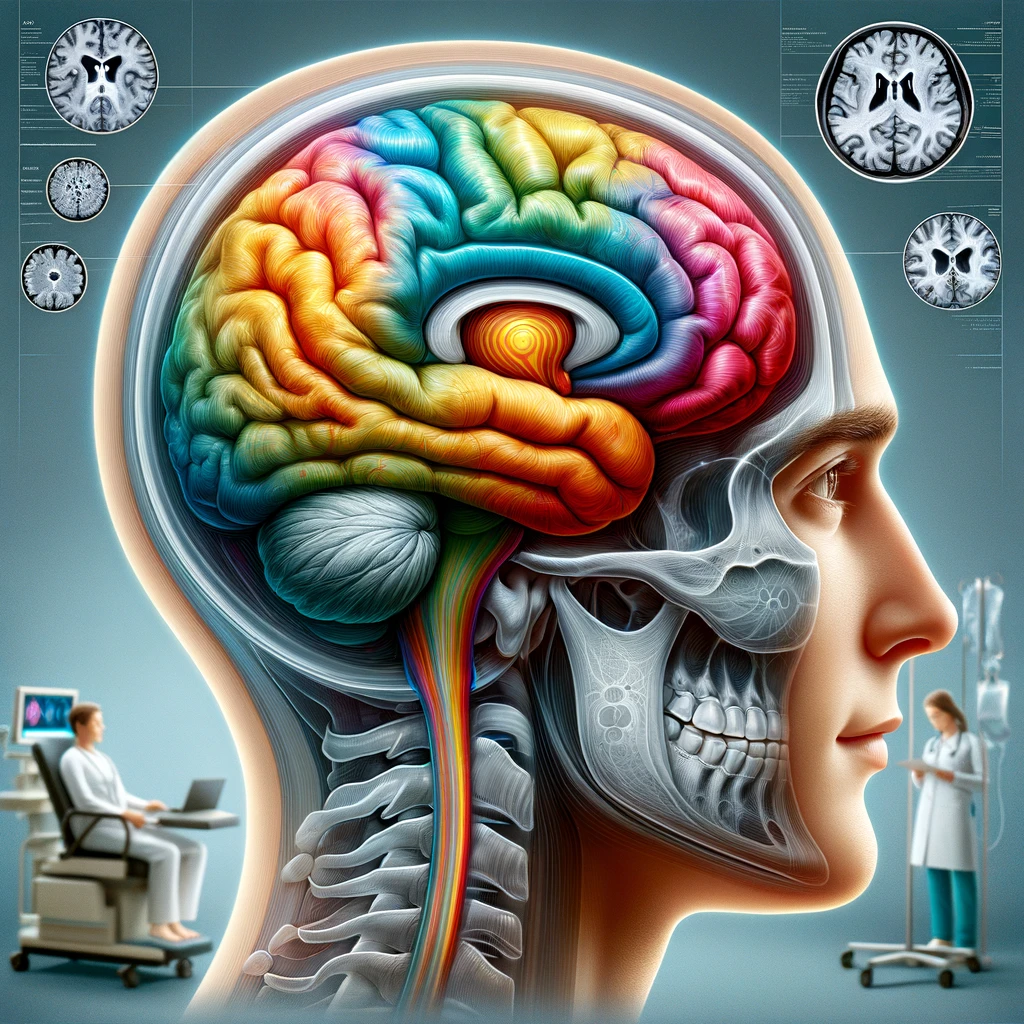
Functional Neurological Disorder (FND) represents a complex interplay of neurological, psychological, and physical factors, leading to distressing and often disabling symptoms. These include seizures, motor dysfunction, sensory disturbances, and a range of cognitive impairments that defy traditional neurological explanations. Despite its prevalence, FND continues to challenge clinicians and researchers due to its multifaceted nature and the ambiguity surrounding its aetiology.
Central to understanding FND is recognising it as a disorder of functional brain connectivity rather than structural brain pathology. This distinction underscores its reliance on networks responsible for processing motor and sensory inputs and regulating cognitive functions. Current research suggests that these networks are disrupted in FND, which may account for the alteration between volition and automatic actions seen in patients.
Another significant characteristic of FND is its association with psychological stressors, trauma, or a history of psychiatric disorders. Such associations suggest that psychological tools, like visualisation and mindfulness, could play a key role in therapeutic interventions. These tools aim to address the psychological contributors to FND, helping patients to modulate brain activity and, consequently, their symptoms.
By considering FND’s neurobiological and psychological components, a more comprehensive approach to treatment can be developed. This approach often involves interdisciplinary collaboration, blending neurological assessment with psychological therapies to address the wide array of symptoms experienced by patients. As understanding of FND evolves, so too does the potential for more effective treatments tailored to the unique needs of those affected.
the role of visualisation in therapeutic practices
Visualisation stands as a cornerstone of various therapeutic practices, particularly in the treatment of Functional Neurological Disorder (FND). This technique involves the mental imagery process that aids in promoting healing and enhancing overall well-being. By fostering vivid, positive images of desired outcomes or peaceful scenarios, individuals are encouraged to transform their mental state, which can subsequently affect their physical condition. In the context of FND, visualisation serves multiple functions. It can assist in reducing anxiety and stress, potent triggers of FND symptoms, by enabling patients to imagine serene environments or successful navigation of daily activities without symptoms.
The practice of visualisation not only empowers patients but also stimulates changes within the brain’s neural networks. Through this mental exercise, individuals can rehearse scenarios where they successfully control their symptoms, potentially rewiring dysfunctional brain pathways associated with FND. The repetitive nature of visualisation reinforces positive outcomes, gradually enabling patients to translate these mental rehearsals into reality.
Moreover, visualisation as a psychological tool is often integrated with other therapeutic techniques, offering a multifaceted approach to FND management. It can be used alongside physiotherapy to improve motor skills or with cognitive behavioural strategies to reshape detrimental thought patterns that exacerbate symptoms. As patients visualise various coping mechanisms, they build confidence in handling real-life situations, thus decreasing the impact of FND on daily life.
Clinicians may guide patients through tailored visualisation exercises, customised to address individual triggers and symptoms. By directly involving individuals in their healing process, visualisation enhances patient engagement and autonomy, essential components for successful therapy outcomes. As a non-invasive, cost-effective strategy, it has garnered attention within the therapeutic community, underscoring its significance in the holistic treatment of FND.
mindfulness-based approaches for FND
Mindfulness-based approaches have garnered substantial attention in the treatment of Functional Neurological Disorder (FND), offering promising avenues for symptom management through psychological tools. Central to these approaches is the cultivation of awareness and acceptance of present-moment experiences without judgment, a practice that can significantly benefit individuals with FND. By fostering a heightened state of awareness, mindfulness encourages patients to observe their symptoms and associated stressors objectively, reducing the tendency to react impulsively or catastrophically.
Mindfulness practices often encompass structured meditation exercises, mindful breathing, and body scan techniques. These exercises aim to create a sense of calm and reduce anxiety levels, which are frequently elevated in FND patients due to the unpredictable nature of their condition. Through regular practice, individuals develop a more balanced relationship with their symptoms, recognising them as temporary experiences rather than overwhelming obstacles.
Research has highlighted mindfulness’s ability to modulate neural activity, particularly in brain regions associated with attention regulation and emotional processing. This modulation may lead to improved cognitive control over symptoms, enabling patients to diminish the intensity or frequency of FND manifestations. Moreover, by decreasing the overall stress response, mindfulness practices can attenuate the psychological factors that contribute to the disorder.
Integrating mindfulness into the therapeutic framework for FND involves personalised strategies that reflect the patient’s specific symptomatology and psychological profile. Collaborative goal setting between clinicians and patients ensures that mindfulness practices are tailored effectively, enhancing their relevance and impact. As part of a comprehensive treatment plan, mindfulness not only mitigates current symptoms but also equips patients with long-term skills for resilience and emotional regulation.
The versatility of mindfulness lies in its accessibility and adaptability across different contexts, making it a valuable tool in the holistic management of FND. When combined with visualisation and other interventions, it empowers patients to take an active role in their treatment journey. This holistic approach fosters an environment where patients can explore the interconnectedness of mind and body, promoting overall healing and improvement in quality of life.
integrating visualisation and mindfulness in treatment plans
Integrating visualisation and mindfulness into treatment plans for Functional Neurological Disorder (FND) involves creating a cohesive framework that leverages the strengths of both approaches to enhance patient outcomes. By combining these psychological tools, practitioners can address the multifaceted nature of FND, providing a more comprehensive and responsive treatment strategy. The integration begins with assessing each patient’s unique presentation of symptoms, their triggers, and psychological state, allowing for the development of a bespoke programme that aligns with their specific needs.
Within this integrated approach, visualisation exercises are employed to empower patients by helping them envision successful management of their symptoms. This involves guided imagery sessions, where patients are encouraged to mentally rehearse scenarios that encompass symptom control, stress reduction, and confident engagement in daily activities. Such exercises aim to instil a sense of agency within the patient, reinforcing the belief that they can influence their condition through mental practice.
Complementing visualisation, mindfulness practices such as mindful meditation and breathing exercises are incorporated to foster a state of present-moment awareness. These practices help patients cultivate a non-judgmental understanding of their symptoms, reducing the anxiety and stress that can exacerbate FND episodes. Through mindfulness, patients learn to observe their experiences objectively, which can lead to improved emotional regulation and a reduction in symptom severity.
The integrative treatment plan often involves regular collaboration between patients and therapists to ensure the continued alignment and effectiveness of mindfulness and visualisation strategies. Sessions are adjusted based on patient feedback and progress, providing a dynamic therapeutic process that evolves with the patient’s needs. As patients gain mastery over these techniques, they are likely to experience enhanced confidence in managing their symptoms, resulting in improved quality of life.
Furthermore, the integration of these psychological tools into treatment plans usually extends beyond individual therapy sessions, encouraging patients to employ mindfulness and visualisation in their daily routines. This consistent practice can help solidify the benefits, enabling patients to respond more adaptively to stressors and maintain symptom control outside of the therapeutic environment. By embedding these practices into daily life, patients are better equipped to navigate the challenges posed by FND, fostering long-term resilience and well-being.
evaluating outcomes and future directions in FND therapy
The evaluation of outcomes in Functional Neurological Disorder (FND) therapy focuses on assessing the effectiveness of visualisation and mindfulness interventions, as these psychological tools have become pivotal in contemporary treatment approaches. Determining treatment efficacy involves both qualitative and quantitative measures. Patients’ subjective experiences and self-reported symptom changes are invaluable, offering insights into how these methods impact daily functioning and psychological well-being. Additionally, objective assessments such as standardised neurological and psychological tests provide data to measure improvements in symptoms and overall health.
Randomised controlled trials and longitudinal studies are essential for establishing the evidence base for these interventions. Emerging data suggests that incorporating visualisation and mindfulness not only reduces symptom severity but also enhances quality of life. Patients report decreased anxiety, improved emotional regulation, and better coping strategies, highlighting the broad impact of these therapies. However, the variability in individual responses underscores the need for personalised treatment plans tailored to the unique profiles of each patient.
Future directions in FND therapy advocate for further integration of these psychological tools with traditional medical practices. This holistic model may include developing digital tools, like apps, to facilitate home practice of mindfulness and visualisation exercises, providing continuous support and tracking progress outside clinical settings. Moreover, advancing our understanding of the neurobiological mechanisms underlying FND will inform the refinement of these therapies, ensuring they target both psychological and physiological dimensions effectively.
Research into the long-term effects and sustainability of therapeutic gains from visualisation and mindfulness practices will be crucial. Collaborations between neuroscientists, psychologists, and clinicians are necessary to explore new pathways for intervention and to innovate treatment methodologies that align with the evolving landscape of FND management. As more robust evidence becomes available, these interventions can be more widely adopted, offering hope to those affected by FND, and contributing to an evolving understanding of the mind-body connection in health and disease.