
- understanding functional neurological disorder (FND)
- the role of art therapy in communication
- bridging the gap: art as a tool for education
- real-world examples: art therapy success stories
- future directions for art therapy in FND awareness
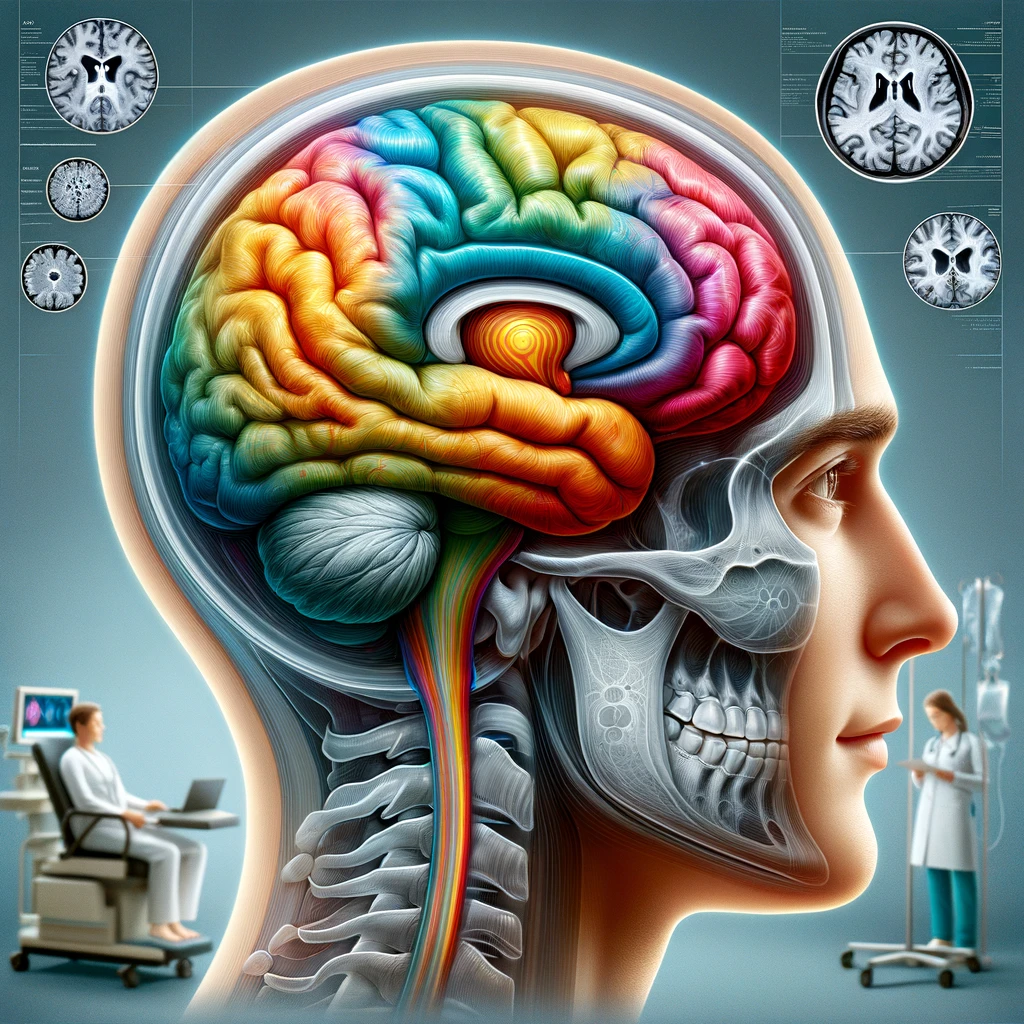
Functional Neurological Disorder, commonly abbreviated as FND, is a condition that disrupts the normal functioning of the nervous system without a structural neurological disease explanation. It is characterised by a wide range of symptoms, including motor dysfunctions such as tremors, weakness or paralysis, and sensory disturbances like numbness or tingling. Patients may also experience non-epileptic seizures, cognitive issues, and difficulties with balance and gait.
Despite being a relatively common condition within neurology clinics, FND often suffers from a lack of public understanding, which contributes to misconceptions and stigma around it. Many people with FND experience the frustration of their symptoms being dismissed as purely psychological or “all in their head”. This misunderstanding can delay diagnosis and appropriate treatment, causing additional distress to those affected. It is important to note that while psychological stressors can sometimes trigger symptoms, FND is not a result of fabricating symptoms or lack of effort on the patient’s part.
Current research into FND suggests an interplay between neurological, psychological, and biological factors, creating a complex and multifaceted condition. Understanding FND requires an appreciation for this interplay and recognition that the brain can sometimes dysfunction without identifiable structural damage. Effective management often involves a multidisciplinary approach, including neurology, psychology, physiotherapy, and occupational therapy, aimed at re-educating the nervous system to restore normal function.
the role of art therapy in communication
Art therapy serves as a vital medium of communication, particularly for those dealing with Functional Neurological Disorder (FND). It offers an avenue for self-expression that goes beyond traditional verbal communication, which can sometimes be challenging for individuals with FND due to cognitive or speech-related symptoms. Through the creative process, patients find an alternative language to articulate their experiences, emotions, and challenges associated with the disorder.
By harnessing the power of visual and tactile expression, art therapy assists in breaking down the barriers that often exist in conveying the intricacies of FND to others. Each creation becomes a tangible representation of the individual’s internal world, making it easier for family, friends, and healthcare providers to gain insights into the patient’s experience. This enhanced understanding is essential for fostering empathy and providing appropriate support.
Furthermore, art therapy can play a pivotal role in improving public understanding of FND. Art exhibitions and workshops showcasing artwork created by individuals with FND can provide the public with a deeper appreciation of the disorder’s impacts. These creative expressions help demystify FND, challenging misconceptions and reducing stigma by highlighting the genuine struggles faced by those affected. Thus, art therapy serves not only as a personal communicative tool but also as a broader educational resource for increasing awareness and understanding of FND in society.
bridging the gap: art as a tool for education
Art serves as a crucial educational tool by transforming abstract concepts and personal experiences into tangible forms that can be observed and understood by a wider audience. In the context of Functional Neurological Disorder (FND), art therapy provides a means to bridge the gap between the personal experiences of those living with the condition and the public understanding of it. Through artistic expression, individuals with FND can create works that capture the nuances of their lived experiences, offering an invaluable perspective that can often be overlooked in traditional educational materials.
Art exhibitions featuring pieces created by individuals with FND can serve as potent educational platforms. These exhibitions not only provide the public with visual insights into the disorder but also facilitate a dialogue that encourages empathy and increases awareness. The immersive nature of art enables observers to engage with the content on an emotional level, fostering a deeper understanding of FND that goes beyond factual knowledge.
Educational institutions and healthcare settings can leverage art therapy as a dynamic tool for teaching about FND. By incorporating art created by individuals with FND into curricula and training programmes, educators can enhance the learning experience, enriching students’ and professionals’ comprehension of the disorder. This approach not only aids in dispelling myths and reducing stigma but also equips future healthcare providers with a more holistic understanding of their patients’ experiences.
Additionally, digital platforms can amplify the reach of art therapy initiatives. By sharing artworks and stories online, individuals with FND can educate a global audience, broadening the scope of public understanding and generating a supportive community. As awareness grows, so does the potential for collaborative efforts to improve resources and support systems for those affected by FND, ultimately leading to a more informed and compassionate society.
real-world examples: art therapy success stories
Art therapy has yielded numerous success stories in the realm of Functional Neurological Disorder (FND), highlighting its effectiveness as a therapeutic and communicative tool. In one notable example, a patient who had been struggling with non-epileptic seizures and profound anxiety found solace and self-understanding through art therapy sessions. Her journey of creating allowed her to transform intangible emotions into visual manifestations, facilitating a better grasp of her condition for both herself and her family. This newfound clarity not only improved her relationships but also aided her healthcare providers in tailoring more effective treatment strategies.
In a different case, a participant with functional movement disorders used painting to channel her inner turmoil into colourful canvases. Each brushstroke served as an expressive outlet, enabling her to convey the complexities of living with FND to her community. This form of visual storytelling fostered an empathetic dialogue, enhancing public understanding while diminishing the isolation often associated with the condition. Her artwork was showcased at a local exhibition, where it educated attendees on the realities of FND, challenging preconceived notions held by many.
A group art therapy project in a rehabilitation centre further exemplified the power of collective creative expression. Patients collaborated on a mural that depicted the spectrum of emotions experienced by those with FND, transforming their individual struggles into a unified narrative. This mural became a cornerstone for community education, as it was displayed in numerous public spaces, encouraging conversations about FND and promoting awareness. The participatory nature of the project also imbued the patients with a sense of agency and connection, fostering a supportive network that extended beyond the therapeutic context.
These real-world examples underscore the transformative potential of art therapy in addressing FND. They illustrate how creative expression not only aids in personal healing but also bridges the gap to broader public understanding. By translating the intricate experiences of FND into accessible and engaging formats, art therapy plays a vital role in education, empathy, and advocacy, paving the way for more inclusive and compassionate communities.
future directions for art therapy in FND awareness
As we look to the future, art therapy holds immense potential in fostering greater public understanding and awareness of Functional Neurological Disorder (FND). One avenue for expansion is the integration of technology and digital platforms. Virtual reality and augmented reality could provide immersive experiences that convey the sensory and emotional complexities of FND, allowing observers to step into the shoes of those living with the disorder. Such innovations could transform how we educate both the public and healthcare professionals, offering a more experiential understanding of the condition.
Additionally, expanding art therapy programmes in educational institutions can enhance awareness from an early age. By incorporating FND-related art projects and interactive workshops into school curricula, students can develop empathy and understanding, challenging stigmas and misconceptions that may persist into adulthood. This proactive approach within education systems could pave the way for a more informed society, where future generations are better equipped to support individuals with FND.
Another promising direction involves collaborations between artists, therapists, and scientists to create interdisciplinary projects. Such collaborations could yield innovative educational tools that blend art and science, making complex medical information more accessible to the general public. Exhibitions and public art installations that feature these collaborative efforts could serve as focal points for community engagement, stimulating conversations and promoting awareness.
Furthermore, art therapy can play a pivotal role in advocacy and policy-making. By showcasing art therapy success stories to lawmakers and stakeholders, the power of creative expression in managing FND can be underscored, potentially influencing policies that support funding for research and therapeutic programmes. These efforts can ensure that those with FND receive the understanding and resources necessary for effective management of their condition.
As art therapy continues to evolve, its capacity to communicate the nuances of FND will inevitably lead to broader recognition and support for this often misunderstood disorder. By continuing to explore innovative ways to harness creative expression, we can inspire a more compassionate approach to those living with FND, ultimately leading to enhanced public understanding and acceptance.