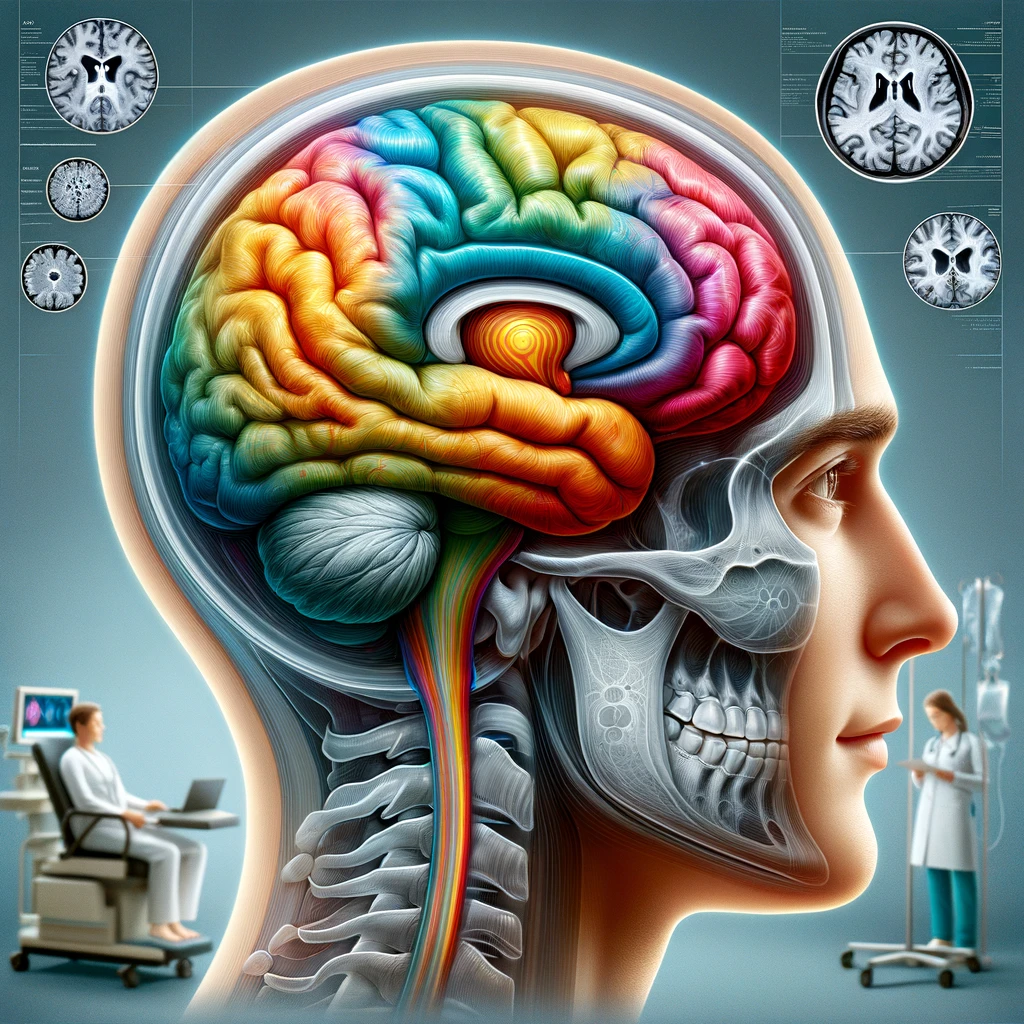

- Benefits of humour in discussing FND
- Understanding the challenges of FND
- Setting the right tone
- Respecting individual experiences
- Guidelines for caregivers and professionals
Humour, when used thoughtfully, can serve as an effective tool in discussing Functional Neurological Disorder (FND). It has the potential to break down barriers and create a more relaxed atmosphere, making it easier for individuals to engage in conversations about a condition that is often misunderstood and stigmatised. By employing humour, individuals may find it less daunting to articulate their experiences with FND, leading to more open and genuine dialogues.
Incorporating humour into discussions about FND can also serve as a valuable engagement and education tool. It can help to simplify complex medical concepts, making them more accessible to a broader audience. This is particularly beneficial in educational settings, where patients, families, and even healthcare professionals are seeking to better understand FND. Moreover, humour can foster connections between those with FND and their support networks, strengthening relationships by providing a means to share experiences without focusing solely on the difficulties.
Humour also has a positive influence on mental well-being. For those living with FND, laughter can be a respite from daily challenges, offering a momentary escape and helping to mitigate feelings of frustration or depression. By encouraging a lighter approach to discussing FND, humour can uplift spirits and promote a more positive outlook, facilitating resilience and an enhanced sense of agency among individuals.
Ultimately, while FND is a serious condition, the strategic use of humour can humanise the experience, bringing people together and encouraging a more inclusive and understanding environment. It is, however, important to remain mindful and sensitive to how humour is used, as each person’s journey with FND is unique.
Understanding the challenges of FND
Functional Neurological Disorder (FND) presents a unique set of challenges that can often be difficult to articulate and comprehend. Unlike other neurological conditions, FND symptoms do not have a conventional structural or organic cause, which frequently leads to misunderstandings both within the medical community and the general public. People with FND may experience a range of symptoms including weakness, paralysis, tremors, and non-epileptic seizures, which can fluctuate and are often unpredictable. This variability can make diagnosis and treatment very challenging, compounded by the fact that FND is frequently misunderstood or dismissed as being “all in the mind”.
The invisibility and unpredictability of symptoms can be particularly frustrating for those living with FND. This often results in individuals feeling isolated or not being taken seriously, exacerbating feelings of distress and anxiety. The stigma surrounding FND can lead to self-doubt and reluctance in seeking help, which is why awareness and understanding are crucial. It is vital for both healthcare professionals and society at large to approach FND with empathy and knowledge, moving away from outdated perceptions and embracing research-driven insights.
Moreover, the psychological impact of living with FND should not be underestimated. The condition can affect an individual’s mental health, leading to depression or anxiety due to the continual uncertainty regarding symptoms and prognosis. Finding effective coping mechanisms and creating a supportive environment are essential steps in improving quality of life for those affected. This is where humour might serve as a valuable tool, not only to foster engagement but also to ease the emotional burden that often accompanies the condition.
Understanding the challenges of FND involves recognising the complexity of the condition and the necessity of a supportive approach that validates the experiences of those affected. While humour can play a role in this process, it is crucial to engage with sensitivity and awareness, ensuring that it complements rather than trivialises the lived experiences of individuals with FND.
Setting the right tone
Achieving the right tone when integrating humour into discussions about Functional Neurological Disorder (FND) is essential for communicating effectively and sensitively. It is important to begin with a keen awareness of the diverse experiences of those living with the condition. By doing so, humour can be introduced in a manner that respects personal boundaries and acknowledges the individual challenges faced by each person with FND.
Humour should not be used as a means to undermine or diminish the seriousness of FND symptoms. Instead, it should be a tool for engagement and education, helping to facilitate meaningful conversations that are both enlightening and supportive. Setting the right tone involves balancing light-heartedness with empathy and respect, which can help to ease tension and create a more open, inclusive atmosphere for dialogue.
Developing a sensitivity to the appropriate use of humour can significantly enhance interactions with individuals affected by FND. It is beneficial for caregivers, healthcare professionals, and peers to observe reactions and adapt their approach accordingly. This involves being attentive to cues indicating whether humour is welcomed or if it would be better to follow a different path in the conversation.
Additionally, cultural and personal differences in humour should be taken into account. What might be humorous in one context could be perceived differently in another. Tailoring the tone to suit the individuals involved will foster a more supportive environment, ensuring that humour serves as a positive and constructive element in discussions.
Respecting individual experiences
Recognising and honouring the diverse personal experiences of individuals affected by Functional Neurological Disorder (FND) is critical in any discussion where humour is employed. Each person’s journey with FND is unique, marked by a distinct combination of symptoms, challenges, and coping mechanisms. Therefore, ensuring that their individual narratives are respected is paramount. While humour can act as an effective engagement and education tool, it must be applied thoughtfully to avoid overshadowing or trivialising these personal experiences.
Listening is an essential component in this process. By actively listening to the stories and feelings of those with FND, one can better understand which aspects of humour might be appropriate and which might not. This understanding allows for a sensitive approach, ensuring that humour complements rather than competes with the narrative being shared. It is important to adopt a stance of empathy, where the experiences of individuals are acknowledged and valid, fostering an environment of trust and openness.
Another critical element is recognising the emotional variability that often accompanies FND. The same individual may react differently to humour depending on how they feel on a particular day. Sensitivity to these shifts is crucial, as is the ability to adapt to the changing needs of the conversation. By remaining receptive and flexible, caregivers, professionals, and peers can ensure that any attempt to introduce humour is well-received and effective in promoting positivity and understanding.
Lastly, it is essential to remember that humour is not a one-size-fits-all intervention. What one person finds comforting or amusing may not resonate with another. By respecting individual preferences and being attuned to personal boundaries, humour can be a powerful ally in education and engagement, bridging gaps and offering solace in challenging times. The key is to celebrate and honour the diversity of experiences while maintaining a respectful and supportive dialogue.
Guidelines for caregivers and professionals
For caregivers and professionals working with individuals affected by Functional Neurological Disorder (FND), integrating humour as an engagement and education tool requires careful consideration and sensitivity. Establishing an environment where humour is used constructively involves recognising its potential to enhance communication and connection, while also being aware of its limitations. Caregivers and professionals should strive to foster a supportive atmosphere, where humour serves to ease tensions and encourage open dialogue.
In practice, this begins with understanding the unique needs and experiences of each person with FND. Caregivers and professionals must listen actively and observe reactions to determine when humour is appropriate. It is crucial to personalise the use of humour to align with individual preferences and boundaries. By doing so, humour can become an effective means to encourage discussion, offer relief from stress, and demystify aspects of FND without diminishing its seriousness.
Training for healthcare providers and caregivers can be instrumental in achieving this balance. Educational programs focusing on empathy, communication skills, and the appropriate application of humour can empower professionals to better support their patients or loved ones. Role-playing scenarios or workshops can offer practical experience in determining when and how to introduce humour into conversations about FND.
Additionally, creating a feedback loop with individuals with FND can be invaluable. Encouraging people to express their comfort levels with humour can guide caregivers and professionals in maintaining a respectful and positive interaction. This dialogue helps ensure that humour contributes positively to the individual’s experience, rather than inadvertently causing distress or discomfort.
By adhering to these guidelines, caregivers and professionals can harness the benefits of humour effectively, promoting engagement, fostering a sense of community, and aiding in the educational process. When used with care and insight, humour can not only mitigate some of the challenges posed by FND but also enhance the overall quality of care and support provided.