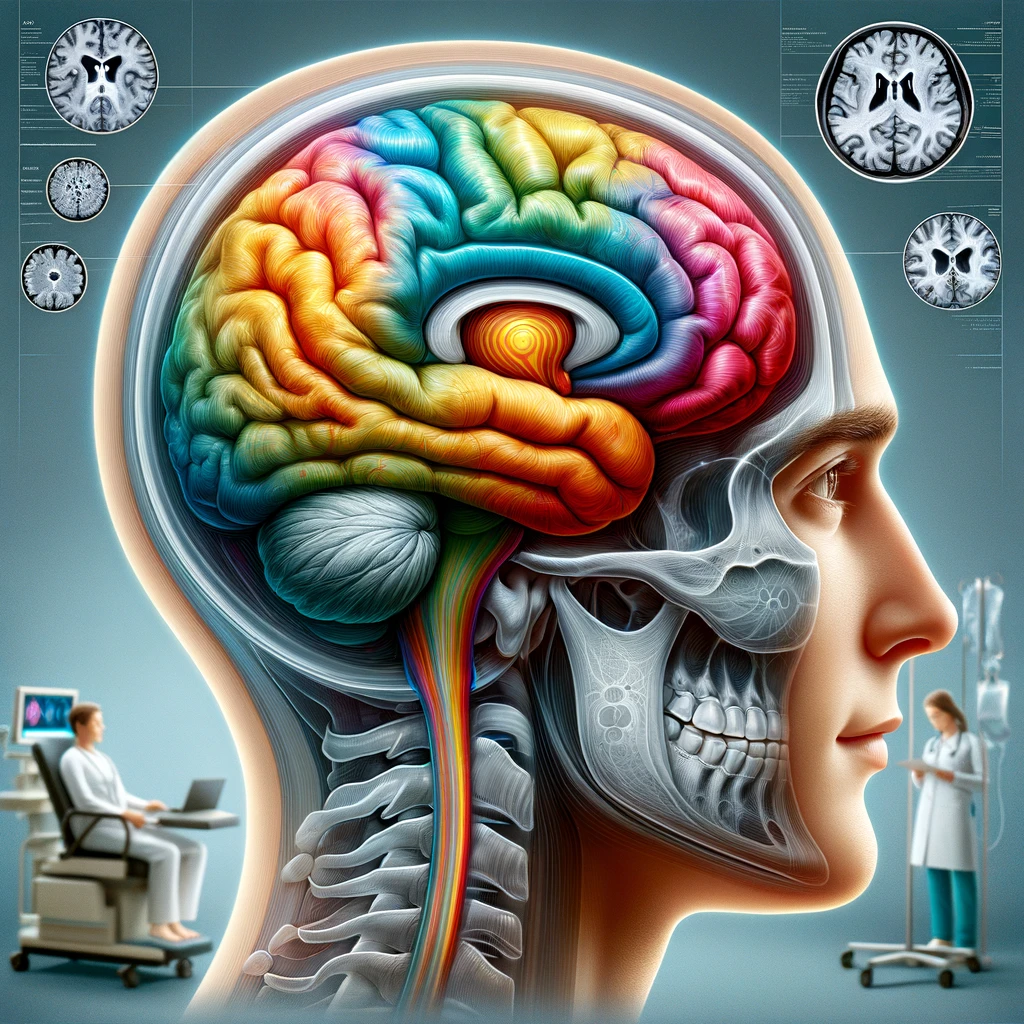

- Characteristics of dissociative seizures
- Diagnostic challenges and criteria
- Underlying psychological and neurological factors
- Treatment approaches and management strategies
- Impact on patient quality of life and support systems
Dissociative seizures, also known as non-epileptic attacks or psychogenic nonepileptic seizures (PNES), are episodes that resemble epileptic seizures but do not have the characteristic electrical discharges in the brain. They are a key manifestation of Functional Neurological Disorder (FND) and can be highly variable in their presentation, often complicating timely identification and treatment. Unlike epileptic seizures, dissociative seizures are not caused by abnormal neuronal activity but instead are thought to result from psychological mechanisms, particularly as a response to stress, trauma, or other distressing emotions that the mind may not consciously process.
These seizures may be convulsive or non-convulsive. Convulsive types often include generalised shaking movements, a reduced or absent awareness of surroundings, and apparent unresponsiveness. Non-convulsive episodes may involve fainting, muscle limpness, or altered consciousness without convulsions. Importantly, dissociative seizures can last longer than typical epileptic seizures and do not usually result in the same post-ictal confusion. Additionally, unlike epileptic seizures, they often occur in the presence of others and are sometimes triggered by emotionally charged or stressful situations rather than physiological disturbances like lack of sleep or flashing lights.
Despite their outward similarity to epileptic seizures, dissociative seizures are often inconsistent from one episode to another. There may be variations in intensity, body movement, and duration, and some individuals might remain partially aware during an episode. Physical injuries can still occur during these events, making it essential for healthcare professionals to view these episodes as serious and needing proper care and evaluation.
Due to the nature of dissociative seizures, patient education plays a vital role in management. Many patients feel stigmatised or disbelieved, especially when informed that their seizures aren’t due to a neurological fault in the brain. Clear communication about what dissociative seizures are — and what they are not — helps demystify the experience. Increasing public knowledge about FND also contributes to reducing stigma, empowering individuals to seek help without fear of judgement.
Recognising the unique features of dissociative seizures is critical for both healthcare providers and those affected. Early identification, accurate diagnosis, and sensitive handling of these characteristics can significantly influence patient outcomes and the overall therapeutic relationship.
Diagnostic challenges and criteria
Diagnosing dissociative seizures presents considerable challenges for clinicians, owing largely to their resemblance to epileptic seizures and the absence of distinct biomarkers. Since there is no definitive laboratory test or imaging result that confirms dissociative seizures, diagnosis relies heavily on clinical observation, detailed patient history, and expert interpretation of seizure episodes. Misdiagnosis is common, and many individuals experience unnecessary treatments for epilepsy before dissociative seizures are correctly identified. This delay in proper diagnosis can lead to prolonged distress, inappropriate medication use, and exacerbation of symptoms.
One of the key diagnostic tools used is video-electroencephalogram (video-EEG) monitoring, which allows clinicians to record brain activity during a seizure episode. In patients with dissociative seizures, these recordings typically reveal no epileptic activity, even when the patient exhibits seizure-like behaviour. Although useful, access to prolonged video-EEG monitoring may be limited due to resource constraints, potentially delaying accurate diagnosis further. Additionally, the episodic and unpredictable nature of dissociative seizures means that symptoms are not always captured during scheduled recordings.
The diagnostic process also requires exclusion of other potential medical explanations for the seizures. This may involve neuroimaging, blood tests, and a thorough neurological examination to rule out epilepsy or other structural abnormalities in the brain. However, over-reliance on exclusion without affirmative recognition of dissociative seizures as a specific clinical entity can increase patient confusion and scepticism about the diagnosis. This is where patient education becomes crucial, enabling patients to understand the nature of their condition rather than simply being told what it is not.
There are formal diagnostic criteria that aid in determining a diagnosis of dissociative seizures, most notably those outlined in the Diagnostic and Statistical Manual of Mental Disorders (DSM-5) under the category of functional neurological symptom disorder (conversion disorder). These criteria focus on evidence of inconsistent clinical features, absence of neurological disease, and symptoms that are incompatible with recognised neurological conditions. Still, the psychological component of FND, including dissociative seizures, often prompts assumptions of malingering or exaggeration, especially when clinicians are unfamiliar with the condition, further complicating diagnosis and damaging the therapeutic alliance.
Increasing clinician awareness and improving public knowledge about Functional Neurological Disorder and dissociative seizures is essential for reducing misdiagnosis and subsequent patient frustration. Training healthcare professionals to recognise the signs and understand the psychosocial factors involved can lead to earlier diagnosis and appropriate referral to multidisciplinary care. Emphasising the legitimacy of the condition and offering validation to patients can also mitigate the sense of isolation often reported, enhancing trust and engagement with treatment.
Underlying psychological and neurological factors
The emergence of dissociative seizures within the context of FND is deeply entwined with both psychological and neurological factors, making the condition complex to understand and treat. Psychological contributors often include experiences of past trauma, emotional neglect, or prolonged exposure to stressful environments. These experiences can overwhelm an individual’s coping mechanisms, leading to dissociation—where memory, identity, or perception becomes disconnected from conscious awareness. The seizure-like behaviours seen in dissociative seizures are viewed as a physical expression of these underlying distress patterns, occurring outside the individual’s conscious control.
Evidence points to a heightened prevalence of prior adverse life events in people with dissociative seizures compared to those with epileptic seizures. Many patients report histories of childhood abuse, interpersonal violence, or chronic emotional invalidation, suggesting that early psychological vulnerability can create conditions for maladaptive neurological responses later in life. Importantly, this does not imply that every person diagnosed with the disorder has experienced trauma, but it remains a significant risk factor. The stress response systems of the brain, such as the hypothalamic-pituitary-adrenal (HPA) axis, may become dysregulated through such experiences, contributing to the physical manifestations observed during seizure episodes.
On a neurological level, functional imaging studies have indicated that while no structural abnormalities are typically present, there are atypical patterns of brain activity in individuals with dissociative seizures. These include disrupted communication between areas responsible for emotional regulation, motor control, and bodily awareness. For instance, differences have been observed in the connectivity of the amygdala, which processes emotional responses, and the prefrontal cortex, which is involved in executive functioning and control. Such findings support the notion that dissociative seizures are not merely psychological in nature but arise from complex functional changes in brain networks.
Further compounding the situation is the role of attention and suggestibility. Patients with dissociative seizures may exhibit heightened sensitivity to internal sensations or external social cues, which can inadvertently trigger episodes. This sensitivity can be shaped by past experiences and further influenced by anxiety or a heightened state of vigilance regarding bodily symptoms. Repeated negative interpretations of physical sensations may reinforce a cycle that increases the likelihood of dissociative episodes, manifesting as seizures within the framework of FND.
Understanding these layered mechanisms is vital for developing impactful treatment strategies, yet there is still a persistent gap in public knowledge about the nature of dissociative seizures. As a result, patients often encounter disbelief not only from the general public but also from healthcare providers unfamiliar with the condition. This can lead to diagnostic overshadowing, where psychological symptoms are dismissed or misattributed. Thus, robust patient education and dissemination of factual information about the neuroscientific underpinnings of FND are essential steps toward fostering empathy, validation, and accurate clinical care.
The intersection of psychology and neurology in the development of dissociative seizures highlights the insufficiency of a purely biomedical model. A biopsychosocial understanding is therefore necessary to explain why some individuals develop these symptoms and others do not in the face of similar life stressors. By acknowledging this intricate interplay, clinicians can better address the full spectrum of the condition and support patients throughout their treatment journey.
Treatment approaches and management strategies
Effective treatment of dissociative seizures in individuals with Functional Neurological Disorder (FND) requires a multi-disciplinary, patient-centred approach. As there is no single medical intervention that resolves these episodes entirely, the management strategy must involve a combination of psychological therapies, patient education, lifestyle modifications, and ongoing support. The cornerstone of treatment is establishing a clear, empathetic explanation of the condition. Many patients benefit significantly from understanding that their seizures are real, non-voluntary, and rooted in how the brain functions, rather than structural damage or conscious control. This explanation should be delivered in a neutral and validating manner, avoiding terms that suggest the symptoms are “imagined” or “‘all in the head.”
Psychological therapy, particularly cognitive behavioural therapy (CBT), is currently the most evidence-based intervention for dissociative seizures. CBT helps patients identify and modify cognitive distortions, maladaptive coping mechanisms, and patterns of attention that contribute to symptomatic episodes. For example, many individuals with dissociative seizures display hypervigilance to bodily sensations and excessive fear of seizures themselves, which may exacerbate the frequency and severity of attacks. Through CBT, patients can learn skills to manage anxiety, respond to early warning signs of episodes, and reduce avoidance behaviours.
Other psychological interventions such as trauma-focused therapy, dialectical behaviour therapy (DBT), or mindfulness-based approaches may also be beneficial, particularly for patients with co-existing mental health conditions like PTSD or borderline personality disorder. The choice of therapy should be tailored to the individual’s psychological history and the presence of any comorbid disorders. However, access to specialised psychological therapies remains uneven, and waiting lists can be long, which presents a barrier to timely care. Expanding training in FND for therapists and increasing service provision are crucial steps in enhancing treatment accessibility.
For many patients, the involvement of a neurologist remains important, especially in the early stages of diagnosis and reassurance. Collaborative care that includes neurologists, psychologists, physiotherapists, occupational therapists, and mental health nurses provides the most integrated support. Some centres have established dedicated FND services where such multidisciplinary teams operate jointly to offer cohesive and consistent treatment plans. In this context, physiotherapy tailored for FND patients can help them regain confidence in their physical movements, particularly when motor symptoms coexist with seizures.
Patient education is essential not only for the individual affected but also for their family members and caregivers. Clear guidance on what dissociative seizures are—including why they occur and how they differ from epileptic seizures—can reduce confusion and stigma. Providing written information, access to support groups, and medically-approved resources online can enhance public knowledge and create a supportive environment that helps patients cope. Involving family members in educational sessions also allows them to better understand triggers, manage acute episodes calmly, and avoid reinforcing unhelpful beliefs or behaviours.
Management also involves addressing contributing lifestyle factors such as sleep hygiene, stress management, and substance use. Poor sleep, relationship difficulties, and high levels of psychosocial stress can serve as exacerbating factors. Encouraging self-care practices, establishing regular routines, and providing guidance on relaxation techniques such as breathing exercises or grounding methods can be particularly effective in reducing the occurrence of seizures. Over time, patients may also benefit from vocational rehabilitation and graded return-to-work plans, provided they have the appropriate mental and physical support in place.
Pharmacological treatments are not typically first-line for dissociative seizures unless there is a co-existing mental health condition, such as depression or generalised anxiety disorder. In such cases, antidepressants or anxiolytics might be prescribed to address these symptoms, but not to treat the seizures themselves. It is important to review medications regularly and avoid unnecessary prescriptions for anti-epileptic drugs once a diagnosis of dissociative seizures is confirmed, as these are ineffective for this condition and may lead to adverse effects or reinforce misdiagnosis.
Ultimately, successful treatment depends on early diagnosis, a strong therapeutic alliance, and consistent, informed care. Continual investment in clinician training, public health education, and specialised services can enhance prognosis and help patients living with dissociative seizures reclaim autonomy and improve their quality of life. Integrating treatment strategies across disciplines and recognising the legitimacy of the condition are key to meeting the complex needs of this often underserved patient population.
Impact on patient quality of life and support systems
Living with dissociative seizures can have a profound and often debilitating impact on a person’s quality of life. These episodes, which occur unpredictably and without warning, often result in a loss of control and confidence in one’s body. For many individuals, this uncertainty leads to avoidance of public spaces, social withdrawal, and a reluctance to engage in daily activities out of fear that a seizure may be witnessed or misunderstood. The stigma associated with Functional Neurological Disorder (FND), particularly when symptoms are not visibly linked to a known physical cause, further compounds this isolation, leaving many patients feeling invalidated or even accused of feigning illness.
The reactions of friends, family, co-workers, and healthcare professionals can significantly influence how someone with dissociative seizures perceives their condition and manages it. Misunderstandings about the nature of these seizures may cause those close to the individual to respond with suspicion or frustration, especially if they believe the person has control over the episodes. As a result, interpersonal relationships may become strained, and support systems weakened. In contrast, when those close to the individual are provided with accurate information and empathetic guidance through patient education, they are more likely to respond supportively, reinforcing the person’s sense of dignity and safety.
Employment and financial independence often suffer due to the challenges posed by dissociative seizures. Many individuals are forced to reduce working hours or leave their jobs entirely, either because of safety concerns in certain environments or the unpredictability of the seizures. Navigating disability benefits or explaining the condition in the workplace can be frustrating, particularly when public knowledge about FND remains limited. Discrimination or lack of accommodations in professional settings can lead to long-term unemployment and reduced self-esteem, making vocational rehabilitation and occupational support critical components of comprehensive care.
In educational settings, younger individuals may fall behind in their studies or feel excluded from peer groups due to bullying, misunderstanding, or the need to frequently leave class. Educational institutions seldom have staff trained in recognising or supporting students with dissociative seizures, which highlights an urgent need for increased awareness and training across sectors. Public knowledge campaigns and early intervention strategies can play an essential role in reducing stigma and promoting more inclusive environments, not only in schools but in wider community spaces as well.
Support groups, both in-person and online, have emerged as valuable resources for those affected by dissociative seizures. These spaces offer a sense of belonging and shared experience, alleviating feelings of isolation. Talking with others who understand the condition firsthand can help patients and their families learn adaptive coping strategies, recognise early warning signs, and advocate more confidently for their needs within healthcare or professional settings. Peer support can act as a vital extension of clinical care, promoting emotional wellbeing and facilitating longer-term adjustment.
The role of mental health services is crucial, not just in therapeutic treatment but in providing ongoing psychological support. Adjusting to life with dissociative seizures often involves grieving the loss of previous abilities or aspirations. Individuals may experience chronic anxiety, depression, or a sense of hopelessness, especially if they feel misunderstood by the medical community or unsupported by their social networks. Mental health professionals trained in FND can help patients process these emotions, rebuild resilience, and develop strategies for living meaningfully within new limitations.
Families and carers also need targeted support and education. Caring for someone with dissociative seizures can be emotionally taxing and logistically complex, particularly when seizures occur frequently or involve risk of injury. Equipping carers with proper knowledge—about what dissociative seizures are, how to respond during an episode, and how to support recovery—helps prevent burnout and facilitates more effective caregiving. Encouraging carers to seek support for themselves is also important, as their wellbeing directly affects that of the patient.
While dissociative seizures are non-epileptic in nature, they are equally deserving of the care, attention, and resources afforded to neurological disorders. Improving the lives of those affected requires not only access to adequate psychological and medical care but also systemic shifts in how society understands and responds to FND. Continued investment in patient education, public knowledge, and community-based support systems remains essential in fostering environments where individuals living with dissociative seizures can thrive rather than merely cope.