
- Understanding functional neurological disorder
- Role of influencers and advocates
- Utilising platforms for educational campaigns
- Engaging communities and combating stigma
- Measuring impact and future strategies
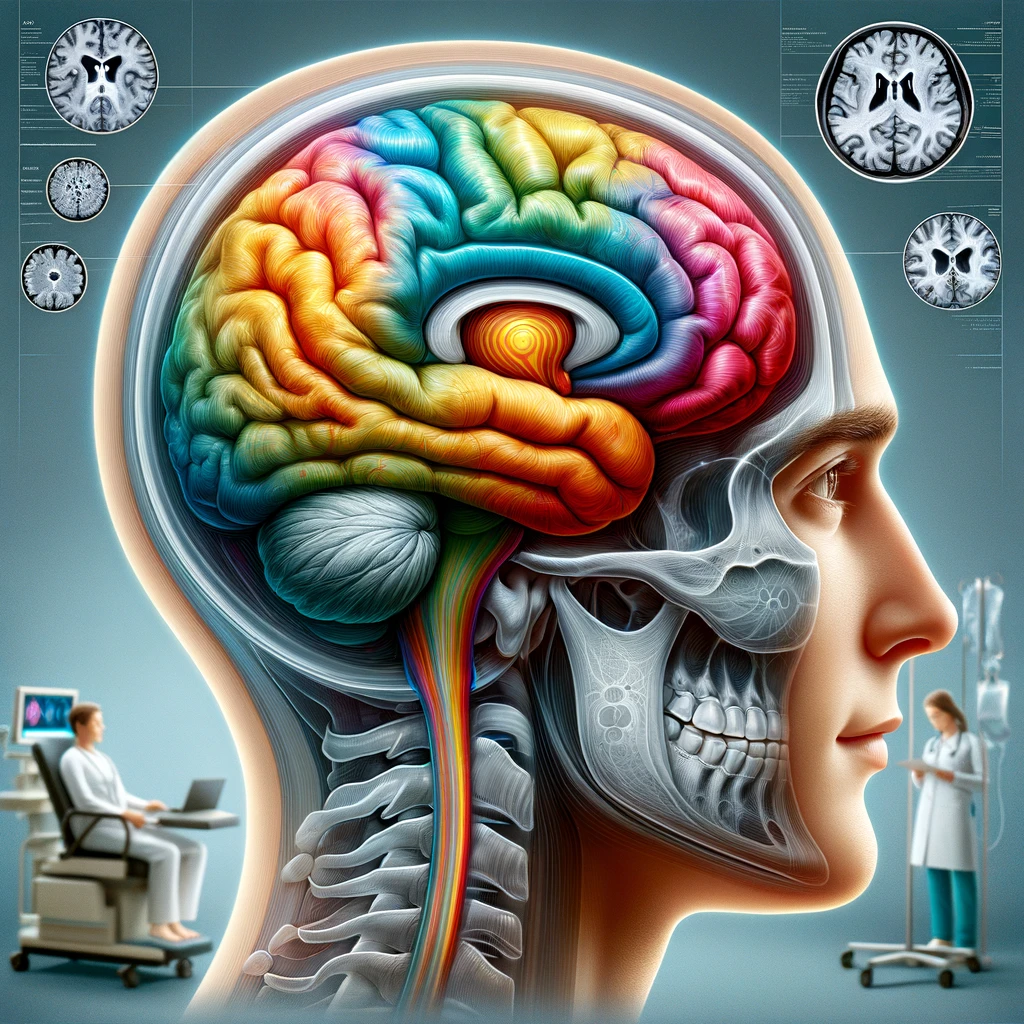
Functional Neurological Disorder (FND) is a condition that affects the nervous system, leading to a range of neurological symptoms such as seizures, movement disorders, sensory disturbances, and speech difficulties. Unlike other neurological conditions that are caused by structural damage or disease, FND arises from a problem with the functioning of the nervous system. This can make diagnosis and treatment particularly challenging, both for clinicians and those living with the condition.
One of the biggest hurdles in addressing FND is the general lack of public understanding. Often misinterpreted or stigmatised, individuals with FND may encounter scepticism, even within healthcare settings. The symptoms may appear similar to those associated with epilepsy, multiple sclerosis, or stroke, but standard neurological tests often return normal. This gap between symptoms and clinical findings can lead to misdiagnosis or dismissal of the patient’s experience, compounding emotional distress and delaying appropriate care.
The complexity of FND and its invisibility on conventional scans highlight the urgent need for robust public education efforts. Awareness campaigns must focus on demystifying the condition, helping people understand that FND is a genuine and debilitating disorder requiring comprehensive medical and psychological support. Proper education can not only empower patients with knowledge, but also foster a more empathetic and informed public.
Social media has emerged as a pivotal tool in reshaping the narrative around FND. Through digital platforms, medical professionals, charities, and individuals with lived experience are able to share accessible, accurate information with wide audiences. This digital dissemination plays a critical role in challenging misconceptions and supporting early recognition and intervention for those affected.
Ultimately, spreading awareness of FND through social media and other platforms is an essential step in bridging the knowledge gap, reducing stigma, and improving outcomes for individuals navigating this misunderstood condition.
Role of influencers and advocates
Influencers and advocates play a key role in amplifying awareness of FND on social media, acting as both educators and allies for those affected. Through personal storytelling, educational content, and large online followings, these individuals can bridge the gap between complex medical concepts and public understanding. Their authenticity helps to resonate with wider audiences, making conditions like FND more relatable and less abstract. When someone with a disability or chronic condition speaks candidly about their diagnosis and daily experiences, it humanises the struggle and dismantles stereotypes that may exist due to misinformation or lack of exposure.
Health advocates with lived experience often use platforms like Instagram, YouTube, and TikTok to document symptoms, treatment journeys, and coping strategies—content that not only fosters empathy but also improves visibility for a condition that is frequently overlooked. This grassroots approach can be particularly effective in drawing followers who may never have encountered the term “FND” before, while simultaneously offering support and solidarity to those already diagnosed. Professional influencers, including neurologists and therapists, also contribute by sharing evidence-based insights, thus reinforcing credibility and ensuring that public education efforts are accurate and nuanced.
The collaboration between patient advocates and charities dedicated to neurological disorders allows for more coordinated awareness campaigns. By working together, they increase the reach and impact of initiatives aimed at informing the public and healthcare professionals. Celebrity endorsements and support from high-profile influencers can further propel these campaigns by bringing mainstream attention to the challenges faced by people with FND. Well-executed advocacy on social media can ultimately shift societal perceptions, legitimise FND in public discourse, and motivate systemic changes in healthcare and policy.
Utilising platforms for educational campaigns
Social media platforms provide an unparalleled opportunity to deliver targeted and creative educational campaigns about FND. By leveraging the visual and interactive nature of sites such as Instagram, YouTube, TikTok, and Facebook, campaign creators can design content that resonates across age groups and cultures. Videos demonstrating common FND symptoms, infographics that explain the diagnostic process, and live Q&A sessions with medical professionals can all serve as impactful tools for public education. These formats not only communicate essential information but also make complex neurological concepts more digestible for general audiences.
Campaigns structured around story-driven content tend to foster greater engagement. Personal accounts from individuals living with FND help contextualise medical facts and statistics, providing a narrative that promotes empathy and understanding. By using hashtags, scheduled social media events, and multi-platform strategies, awareness campaigns can expand their reach and ensure that knowledge about FND enters the public consciousness. Collaborations with established health organisations can further enhance credibility, ensuring that every educational effort is anchored in evidence-based information.
Timing and consistency are crucial for the success of these campaigns. Coordinating awareness efforts with events like Functional Neurological Disorder Awareness Day or broader health observances such as Mental Health Awareness Week maximises visibility. Regular posting helps retain audience interest and encourages ongoing dialogue, while interactive components like polls, quizzes, and feedback sections can stimulate community involvement and sharing. Involving neurologists, psychologists, and other health experts in live-streamed or pre-recorded sessions can also debunk myths and provide deeper insights into managing FND.
Another effective approach is to develop educational toolkits tailored for different demographics—students, carers, teachers, and employers—making the information relevant to each group’s specific context. Social media makes it easy to distribute these resources broadly, allowing for quicker dissemination than traditional campaigns. Paid promotions and boosted posts can also increase visibility in key audiences and geographical regions, especially where FND remains under-recognised. By combining multimedia content with strategic targeting, awareness campaigns can overcome barriers to understanding and promote more inclusive perspectives on neurological diversity.
Engaging communities and combating stigma
Building inclusive and supportive online communities plays a crucial role in raising awareness of FND and challenging the stigma often associated with it. Social media platforms facilitate the creation of virtual spaces where people affected by FND—whether patients, carers, or healthcare professionals—can exchange experiences, advice, and encouragement. These interactions humanise the condition, foster a sense of belonging, and help reduce feelings of isolation. When individuals share their day-to-day challenges navigating FND, they not only validate the struggles of others in similar circumstances but also open the eyes of the broader public to a condition that often remains invisible.
One of the most powerful aspects of community engagement on social media is its capacity to challenge stereotypes and misinformation. Myths that FND is ‘all in the mind’ or ‘not real’ persist in many circles, often exacerbated by the condition’s complex presentation and lack of visibility on standard diagnostic tests. Through thoughtful posts, blogs, video diaries, and live discussions, communities can counteract these harmful narratives with fact-based information and personal stories. In doing so, they bolster public education efforts beyond formal awareness campaigns, allowing peer-led education to flourish organically.
Campaign hashtags such as #FNDawareness, #ThisIsFND, and #FNDwarrior help galvanise individuals into collective action, encouraging people to share their voices and amplify marginalised experiences. These digital movements offer an avenue for solidarity and advocacy, transforming personal storytelling into a powerful form of activism. Such community-driven initiatives often lead to ripple effects—encouraging media coverage, influencing public opinion, and even reaching healthcare providers and policymakers who may have previously been unaware of the daily realities faced by those with FND.
Engaging with support groups and comment threads also allows for meaningful dialogue that can address fears, clarify misconceptions, and encourage others to seek diagnosis and treatment. This conversational model of education equips individuals with practical knowledge while reducing shame and stigma. For many, seeing others discuss symptoms openly helps normalise their own experiences, which can be a vital step in self-acceptance and empowerment.
Importantly, the role of moderation and responsible engagement in these online spaces cannot be understated. Combating stigma means ensuring that people feel safe sharing their stories without fear of judgement or invalidation. Administrators and community leaders often set guidelines that promote respect, accuracy, and inclusion, thereby safeguarding the integrity of the space. In these well-managed environments, constructive conversations around FND thrive, further advancing the goals of public education and social understanding.
By facilitating open dialogue, generating empathy, and uniting individuals under a shared cause, online communities are instrumental to the broader mission of increasing FND awareness. As social media continues to evolve, these digital collectives are likely to play an even more influential role in breaking down stigma and fostering deeper engagement with neurological conditions.
Measuring impact and future strategies
To ensure that awareness campaigns around FND are not only far-reaching but also effective, it is essential to implement strategies for measuring their impact. Social media platforms often offer built-in analytics tools that allow campaign organisers and advocates to track engagement metrics such as reach, likes, shares, comments, and follower growth. Monitoring these indicators provides valuable insight into how well content is resonating with audiences and whether key messages about FND are being understood and circulated. For example, a spike in interactions following a campaign video or personal story might suggest heightened interest or increased visibility of the condition.
However, while quantitative data tells part of the story, qualitative feedback is equally important. Comments, direct messages, and user-generated content offer nuanced perspectives from individuals impacted by the campaigns. These responses can highlight whether the public education initiative is correcting misconceptions, deepening understanding, or encouraging people to seek support. Some organisations conduct surveys or feedback polls to collect structured responses, giving a clearer picture of audience awareness and attitudes toward FND before and after campaign activity.
Beyond digital metrics, awareness campaigns have the potential to influence real-world actions. For instance, increased visits to diagnostic or support websites, greater participation in patient forums, or growing attendance at related virtual events can all reflect a tangible impact. Partnerships with healthcare providers also make it possible to track increases in FND discussions within medical settings—an indicator that social media efforts are reaching professionals and changing the conversation around diagnosis and treatment.
Looking ahead, adopting data-driven approaches will be vital for refining and sustaining educational initiatives. Artificial intelligence tools and machine learning algorithms can help map patterns in user engagement, identify which types of content perform best, and suggest optimal times for posting. This information can then guide the efficient allocation of resources, ensuring each campaign is informed by evidence rather than assumption. Additionally, trends over time can be compared to identify whether public perceptions and behaviours toward FND are shifting in a meaningful way.
Another future strategy involves diversifying the voices involved in awareness campaigns to include a wider range of demographics and lived experiences. Greater representation in campaign materials can make the messaging more relatable and inclusive, ensuring that FND awareness reaches communities that may currently remain underserved or under-informed. Collaborative approaches, involving healthcare organisations, patient-led groups, and digital creators, can also help unify messaging and prevent fragmentation of information on social media.
Annual reviews of campaign performance, including both successes and areas for improvement, will help build a legacy of learning. By documenting these lessons, future efforts can evolve more effectively and address gaps that may have limited previous engagement. Crowdsourcing ideas from the online community itself can offer fresh insights and promote a sense of shared ownership over awareness-raising efforts, reinforcing the participatory nature of social media in public education.
Ultimately, by combining analytical tools, audience feedback, and strategic collaboration, awareness campaigns about FND can evolve from anecdotal storytelling to evidence-based public education. This allows for a stronger foundation upon which societal understanding of FND can be built, ensuring that the condition gains the recognition and empathy it deserves in both digital and real-world spaces.