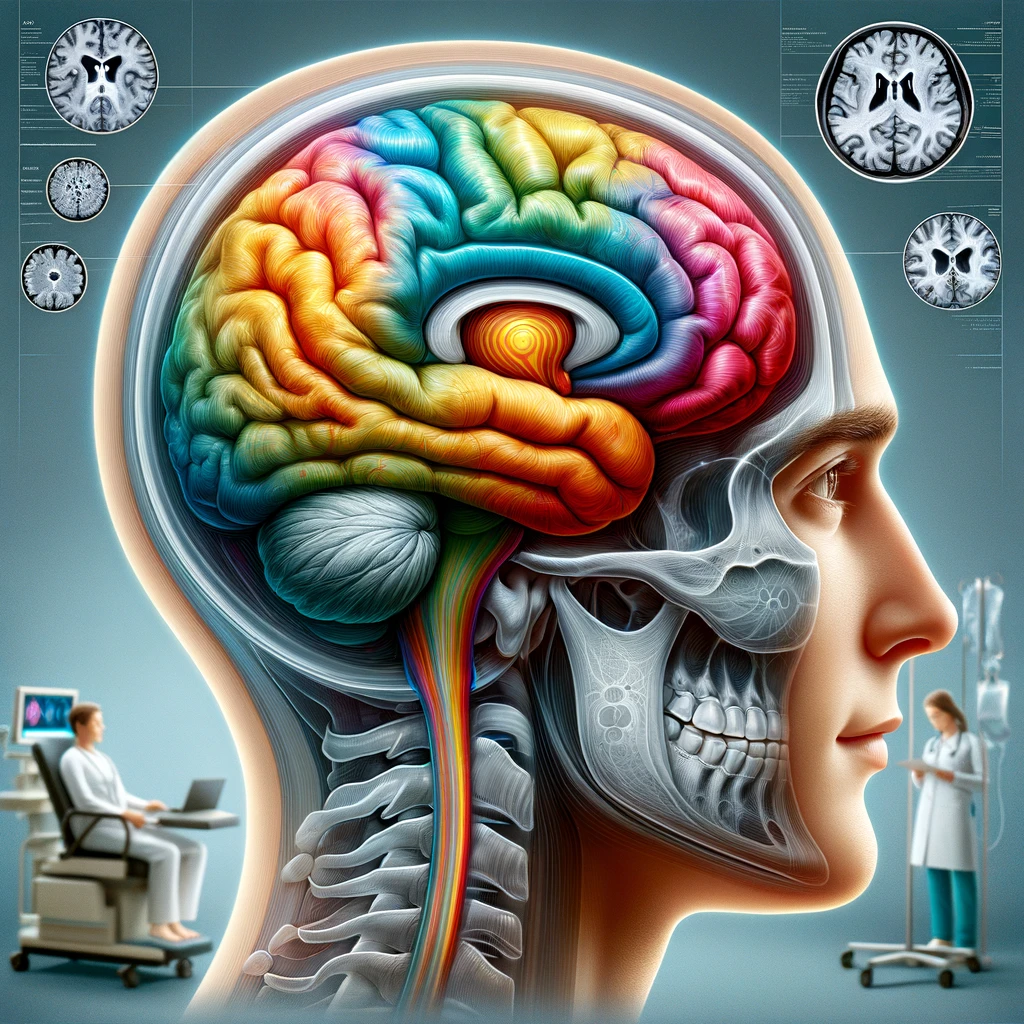

- Neurobiological pathways implicated in functional neurological disorder
- Brain imaging findings and functional connectivity
- Role of stress and trauma in neural dysfunction
- Altered sensorimotor processing and perception
- Future directions in neurobiological research of FND
Emerging research into the neurobiology of functional neurological disorder (FND) has begun to unravel how specific brain systems contribute to the condition’s pathophysiology. Unlike classical neurological diseases, FND does not typically arise from structural brain damage. Rather, it is increasingly understood as a disorder of functioning—implying a dysregulation of brain networks involved in movement, perception, emotion, and attention. This functional disruption is thought to be the result of abnormalities in the communication between higher-order cognitive areas and sensorimotor systems.
One critical pathway implicated in FND involves interactions between the prefrontal cortex and motor regions such as the supplementary motor area (SMA). Studies suggest that an over-reliance on top-down processes—in which cognitive and emotional systems override normal motor control—may lead to the involuntary manifestation of symptoms such as tremor, weakness, or non-epileptic seizures. This imbalance might allow for intentions or expectations of movement to be misrepresented as genuine motor commands, bypassing conscious awareness and leading to symptoms that feel involuntary to the patient.
The limbic system, particularly the amygdala and anterior cingulate cortex (ACC), plays a significant role in modulating emotional reactivity and bodily sensations. In FND, heightened activity in these regions may amplify bodily perceptions and interfere with motor control, contributing to a distorted sense of agency. This heightened emotional arousal could also impact the insula, a region involved in interoception and the integration of emotional and sensory information, reinforcing symptom perception and maintenance.
Another key neurobiological feature under investigation is the role of aberrant self-monitoring and predictive coding. The brain constantly generates models to predict sensory outcomes of actions. In FND, there may be a failure in these predictive models, where the brain either overestimates or misinterprets sensory feedback. Such disruptions could account for the mismatch between the intention to move and the actual experience of movement, providing a plausible mechanism for how individuals experience genuine symptoms without overt neurological lesions.
Furthermore, alterations in cortico-striato-thalamo-cortical circuits, typically involved in procedural learning and habit formation, may also contribute to symptom persistence. These circuits may reinforce maladaptive behavioural patterns, particularly when escape or avoidance from stressors provides a temporary relief of emotional distress, thereby encouraging the persistence of functional symptoms through learned associations.
Altogether, understanding the multiple and interacting neurobiological pathways in FND is crucial for developing more effective interventions. It shifts the focus from a binary mind–body interpretation to one that encapsulates a dynamic brain function model, accounting for how psychological, cognitive, and emotional states can influence physical symptoms through identifiable neural mechanisms.
Brain imaging findings and functional connectivity
Advanced neuroimaging techniques have significantly contributed to our understanding of the brain function and pathophysiology of functional neurological disorder (FND). Functional magnetic resonance imaging (fMRI), positron emission tomography (PET), and single-photon emission computed tomography (SPECT) have offered valuable insights into both regional brain activity and inter-regional communication during symptom expression and at rest. These studies point towards the involvement of large-scale brain networks in FND, particularly those governing motor control, self-agency, emotion regulation, and attentional processing.
One of the most consistent findings in FND imaging research is altered connectivity between the prefrontal cortex and motor-associated regions, such as the supplementary motor area and primary motor cortex. Patients often demonstrate hypoactivity in primary motor regions during attempted voluntary movement, alongside hyperactivation in regions associated with affective salience and cognitive control, including the anterior cingulate cortex and dorsolateral prefrontal cortex. This imbalance may reflect an overmodulation of motor output by higher-order cognitive and emotional inputs, consistent with the hypothesis of excessive top-down influence disrupting normal movement execution.
Functional connectivity studies, especially using resting-state fMRI, have revealed disruptions in intrinsic brain networks. In particular, abnormal coupling has been observed between the default mode network (DMN), which is typically active during introspection and self-referential processing, and the sensorimotor and salience networks. Such cross-network dysregulation may lead to a heightened self-focus on bodily states and increased salience of internal sensations, facilitating the emergence of functional symptoms. Decreased connectivity within the sensorimotor network itself may also impair the integration of sensorimotor signals required for fluid movement.
Further studies point to aberrations in the temporoparietal junction (TPJ), an area associated with the sense of agency and attribution of action. Abnormal TPJ activity or connectivity could underlie the disconnection between movement execution and the subjective feeling of control reported in FND. This is particularly relevant in symptoms such as functional tremor or functional limb weakness, where patients experience movements as involuntary despite an absence of structural pathology or reflex abnormality. The misalignment between motor intention and output perception is arguably a core feature in the neurobiology of FND.
Brain imaging has also shown irregularities in emotional processing circuits. Increased amygdala reactivity to emotional stimuli has been observed, as has increased functional connectivity between the amygdala and motor regions, suggesting that emotional arousal may directly modulate motor pathways. This supports the notion that stress-related alterations in limbic activity could have downstream effects on motor function, reinforcing the symptom generation loop.
In sum, functional neuroimaging reveals that FND is characterised by alterations in brain function involving multiple interconnected systems rather than isolated regional deficits. By mapping these connectivity patterns, researchers are beginning to construct a comprehensive model of FND pathophysiology that integrates affective, cognitive, and sensorimotor domains. These findings not only challenge traditional dichotomies between neurological and psychiatric illness but also open paths for targeted therapeutic interventions grounded in neuroscientific evidence.
Role of stress and trauma in neural dysfunction
Stress and trauma have long been recognised as key contributors to the onset and maintenance of functional neurological disorder (FND), and their impact on brain function is increasingly being understood through the lens of neurobiology. Exposure to acute or chronic stress, particularly during early developmental periods, can lead to long-lasting alterations in the structure and function of brain regions that regulate emotion, motor control, and interoception. These changes can create a predisposition for dysregulation within the brain’s integrative networks, contributing to the emergence of functional symptoms.
Heightened stress responses are known to engage the hypothalamic–pituitary–adrenal (HPA) axis, leading to excessive secretion of cortisol and other stress-related neurochemicals. Prolonged activation of this system can alter synaptic plasticity in key brain areas such as the hippocampus, prefrontal cortex, and amygdala. These regions are critical in emotional regulation, memory formation, and decision-making—domains often impaired in individuals with FND. For example, hyperactivity in the amygdala, commonly seen in individuals with post-traumatic stress disorder (PTSD), has also been observed in FND. This hyperactivity may intensify emotional reactions to bodily sensations, fuelling the perception of symptoms.
Moreover, developmental trauma has been associated with impaired maturation of frontolimbic circuits. The prefrontal cortex, which plays a role in executive function and emotional regulation, may lose its regulatory control over limbic structures like the amygdala. This loss of top-down regulation can increase susceptibility to emotional overwhelm and reduce an individual’s ability to reappraise or contextualise threat-related stimuli. In the context of FND, such dysregulation can enhance the salience of internal bodily signals and shift attentional focus toward perceived threat, making functional symptoms more likely to arise and persist.
Neuroimaging research supports these functional alterations, showing increased connectivity between emotional centres of the brain and sensorimotor pathways. In patients with FND, trauma-related cues can elicit greater activation in the insula and anterior cingulate cortex, suggesting enhanced bodily awareness and attentional bias towards somatic sensations. This may contribute to a feedback loop in which emotionally laden experiences are somatically expressed, effectively translating emotional distress into physical symptoms. Such findings reinforce the view that FND is not purely psychological but reflects identifiable changes in brain connectivity and function that link trauma to symptom expression.
Interpersonal trauma, such as abuse or neglect, may also disrupt the development of body ownership and agency. The disruption of body schema and weak integration of sensory input may culminate in experiences such as functional paralysis or non-epileptic seizures. These disorders of agency suggest a breakdown in self-processing mechanisms, where the brain’s ability to correctly predict and interpret bodily actions becomes compromised. This aligns with predictive coding models of FND pathophysiology, in which prior beliefs, shaped by emotional experiences, dominate over incoming sensory data, thus generating symptoms that are involuntary yet feel ‘real’ to the patient.
Stress-induced alterations in brain function may also reinforce maladaptive memory encoding and retrieval processes. Traumatic memories can become episodically fragmented and sensorimotor in nature, easily triggered by subtle stimuli. In individuals with FND, these memory traces could re-emerge not as explicit recollections but as physical symptoms mediated by limbic-motor interactions. This underscores the role of emotional memory and its neural underpinnings in the persistence of functional symptoms long after the initial trauma has occurred.
Thus, the pathophysiology of FND includes a complex interplay between psychological stressors and neurobiological vulnerabilities. By understanding how trauma impacts brain function and reshapes connectivity between emotional, cognitive, and motor networks, researchers and clinicians can move towards more integrated and trauma-informed approaches to the diagnosis and treatment of FND.
Altered sensorimotor processing and perception
Alterations in sensorimotor processing represent a crucial component in the pathophysiology of functional neurological disorder (FND), where patients present with motor or sensory symptoms that are incongruent with known neurological disease patterns. Modern investigations into the neurobiology of FND have highlighted disruptions in how the brain integrates sensory inputs and generates motor outputs, particularly in the context of voluntary action and perceptual awareness. These disruptions are believed to give rise to the characteristic experiences of involuntariness and altered body perception reported by individuals with FND.
One of the central mechanisms implicated involves dysfunction in higher-order systems responsible for the sense of agency—namely, the feeling that one is in control of one’s own actions. Research has consistently shown altered activity and connectivity within the temporoparietal junction (TPJ), a region implicated in integrating motor intentions with sensory feedback. Disruption in this area may lead to a failure in accurately predicting the sensory outcomes of movement, contributing to a disconnection between intention and action awareness. As a result, patients experience their movements—or lack thereof—as involuntary, despite the absence of structural abnormalities in the motor system.
In addition, functional imaging and behavioural studies have demonstrated abnormal activation patterns in the supplementary motor area (SMA), premotor cortex, and primary sensorimotor cortices during tasks requiring motor execution or motor imagery. In some cases, decreased activation during attempted movement is accompanied by increased engagement in areas associated with monitoring or evaluating bodily state, such as the insula and anterior cingulate cortex. This suggests that attentional resources may be diverted from effective motor planning and execution toward heightened interoceptive surveillance, reinforcing symptoms via abnormal brain function.
Another prominent feature in FND is the heightened salience and altered interpretation of somatosensory signals. The insula, which plays a key role in mapping internal bodily states and integrating emotional and sensory information, has been found to exhibit increased activity in response to both self-generated and externally induced stimuli. Patients may thus experience amplified bodily sensations or distorted perceptions of touch, pain, or movement, even in the absence of identifiable peripheral pathology. Such sensory amplification aligns with altered predictive coding models, in which prior expectations about the body—often shaped by stress and emotional experience—override incoming sensory information, contributing to symptom persistence.
Furthermore, abnormalities in proprioceptive processing have been observed, where individuals with FND demonstrate impaired ability to correctly detect or interpret limb position and movement without visual cues. These deficits are particularly pronounced during movement tasks that require integration between internal sensory signals and external feedback. Such findings suggest a decoupling between sensory prediction and perception, providing further support for the predictive coding hypothesis in explaining the neurobiological underpinnings of FND symptomatology.
Motor symptoms in FND, such as tremors or gait disturbances, often present with high variability and inconsistency depending on context and attention. Studies have noted that these symptoms may be significantly influenced by distraction or emotional state, suggesting that cognitive and affective modulation of sensorimotor circuits plays a substantial role. This may reflect abnormal engagement of prefrontal or limbic inputs to motor control regions, further linking altered emotion regulation and cognitive control to sensorimotor dysfunction.
Collectively, the evidence indicates that altered sensorimotor processing and perception in FND stems from intricate disturbances in network-level brain function. These disturbances affect the brain’s ability to correctly interpret bodily signals and attribute them to voluntary action, resulting in experiences that are misaligned with actual intention. Understanding these mechanisms is instrumental in refining diagnostic assessments and rehabilitative strategies directed at recalibrating sensorimotor integration and restoring a coherent sense of agency in those living with FND.
Future directions in neurobiological research of FND
Ongoing advances in neuroimaging, computational neuroscience, and integrative modelling promise to deepen our understanding of the pathophysiology of FND. Future research in this field is likely to focus on elucidating specific biomarkers of the disorder, which may aid in diagnosis and categorisation, as well as in tracking treatment effects. Integrating multimodal data—ranging from structural and functional brain imaging to genomic and physiological markers—could significantly refine how FND is conceptualised within clinical neuroscience and provide more objective measures of dysfunction in brain systems involved in motor control, emotional processing, and self-awareness.
A growing area of interest involves the application of network neuroscience to characterise alterations in large-scale brain networks in FND. This approach prioritises the study of connectivity patterns, rather than isolated regional deficits, offering a more holistic insight into how dysregulated communication between networks may underlie clinical symptoms. For instance, the salience network, default mode network, and executive control networks are recurrently implicated in FND research, and further investigation into the dynamic interactions between these systems could clarify how attentional biases and abnormal affective states perpetuate symptoms.
Another promising direction lies in the development of mechanistic models rooted in predictive coding. These frameworks propose that FND arises from mismatches between top-down predictions and bottom-up sensory input, driven by dysfunctional priors that are overly rigid or emotionally biased. Testing these hypotheses with advanced neurocomputational approaches may provide quantifiable links between symptomatic experiences and the underlying neurobiology. Such models could eventually inform targeted neuromodulation therapies—like transcranial magnetic stimulation (TMS) or neurofeedback—designed to recalibrate hierarchical communication within affected brain circuits.
Prospective longitudinal studies are urgently needed to establish how individual vulnerability factors, such as early life stress, genetic predisposition, and psychological resilience, interact over time to influence brain function and the development of FND. A particular emphasis on at-risk populations and preclinical markers may foster preventative strategies or identify early interventions that could disrupt the trajectory towards chronicity. This line of research could also clarify why symptoms often wax and wane or fluctuate across different contexts and life stages.
Clinical translation is a central goal of future neurobiological research in FND. There is increasing recognition that neuroimaging findings and theoretical models must be integrated with therapeutic modalities, such as cognitive behavioural therapy, physiotherapy, and trauma-informed care. Investigating how these treatments influence brain activity and connectivity will enable researchers to understand mechanisms of symptom resolution and relapse. Moreover, it will support the development of personalised treatment plans, matched to individual neurobiological profiles, thereby increasing the chances of sustained recovery.
Collaborations across disciplines—including neurology, psychiatry, psychology, and computational neuroscience—will be essential to achieving these aims. A convergence of techniques, from experimental brain stimulation to virtual reality and real-time fMRI, may provide new tools to assess and modulate altered brain states in FND. As the field grows, patient involvement in shaping research agendas is also becoming increasingly important, ensuring that outcomes align with lived experience and clinical relevance.
Ultimately, future research into the neurobiology of functional neurological disorder holds the potential to transform our understanding of how complex brain functions give rise to symptoms that straddle traditional diagnostic boundaries. By embracing new technologies and theoretical perspectives, researchers are poised to uncover more precise mechanisms of dysfunction and recovery, offering hope for more effective and compassionate care for those affected by FND.