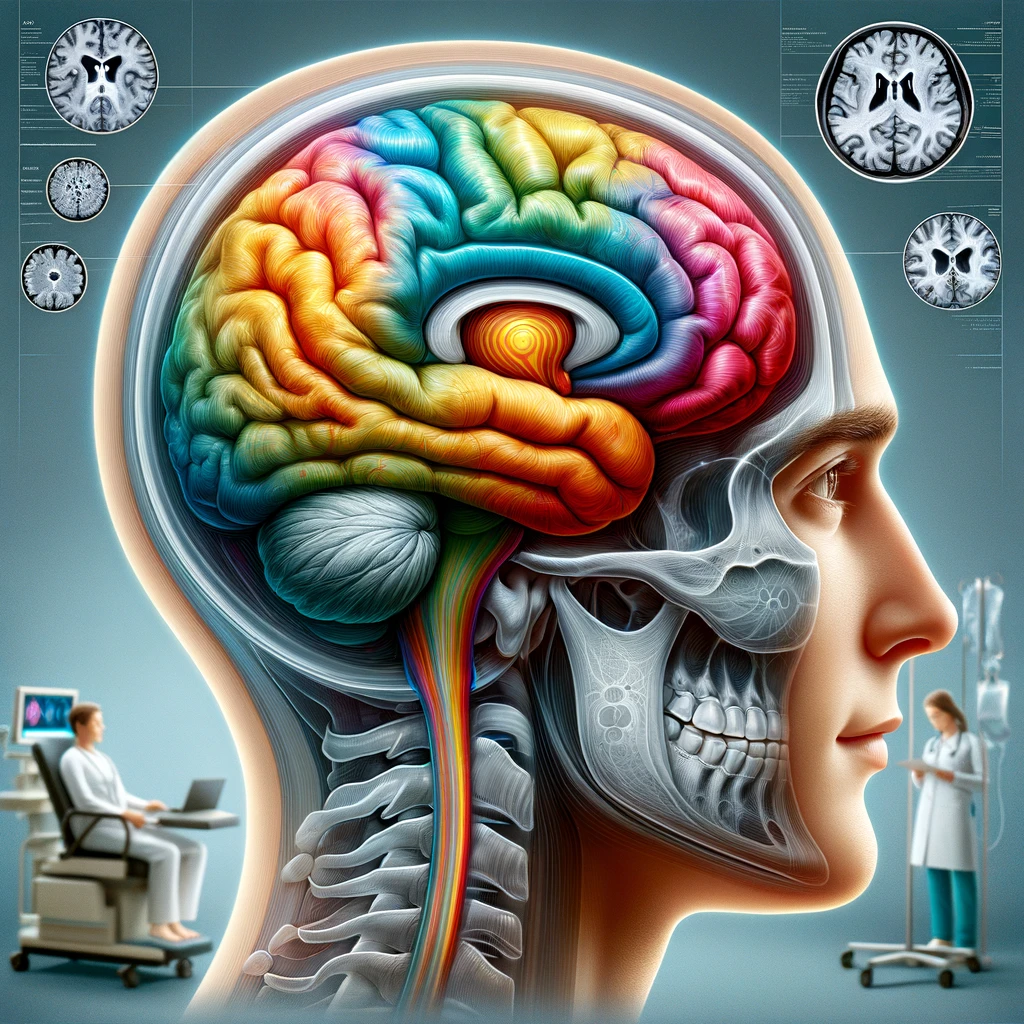

- Overview of functional neurological disorder
- Diagnosis and assessment strategies
- Psychological and behavioural therapies
- Pharmacological and physical interventions
- Multidisciplinary care and patient support
Functional neurological disorder (FND) is a condition in which patients experience neurological symptoms—such as weakness, movement disorders, sensory disturbances, or seizures—that are not explained by traditional structural neurological disease. Unlike conditions with identifiable lesions or abnormalities on scans, FND involves a functional disruption within the brain’s networks rather than a degenerative or inflammatory process. This can result in significant disability, and its complex nature often leads to misunderstandings regarding its legitimacy and treatment options.
The underlying mechanisms of FND are increasingly understood to involve abnormal patterns of function in brain areas responsible for movement, sensation, emotion, and attention. Research using functional imaging has highlighted disrupted communication between brain regions involved in voluntary motor control and those involved in processing emotional and physiological states. Importantly, FND is not feigned or intentionally produced, as was historically misunderstood in diagnoses like hysteria. Instead, it is a genuine condition that can often improve with appropriate and early intervention.
FND is among the most common diagnoses encountered in neurology outpatient clinics. Despite its prevalence, it has been historically under-recognised and stigmatised due to its complex presentation and the absence of visible findings on standard diagnostic tests. However, growing awareness and a clearer diagnostic framework have led to earlier identification and more effective treatment strategies.
Effective treatment of FND typically involves a multidisciplinary approach tailored to the individual’s symptoms and needs. Interventions such as physiotherapy and psychotherapy have demonstrated promising results. Cognitive behavioural therapy (CBT), in particular, has been shown to help patients understand and manage symptoms by addressing maladaptive thought patterns and behaviours that may contribute to symptom persistence. Likewise, physiotherapy specifically adapted for FND focuses on retraining movement patterns and enhancing bodily awareness, rather than traditional strengthening exercises. This functional approach helps patients regain control and build confidence in their physical abilities.
Communication of the diagnosis plays a vital role in the treatment journey. A clear and compassionate explanation that validates the patient’s symptoms and outlines the mechanisms of FND can improve engagement with therapy and reduce anxiety. When patients understand that their symptoms are real and treatable, they are more likely to commit to treatment pathways and experience better outcomes.
Diagnosis and assessment strategies
Accurate diagnosis of functional neurological disorder (FND) is essential for initiating appropriate treatment and improving outcomes. Unlike many other neurological conditions that rely on imaging to detect lesions or structural abnormalities, FND is diagnosed clinically, based on positive features identified during the neurological examination. These features may include inconsistencies in movements, variability with distraction, and patterns that are characteristic of FND, such as Hoover’s sign in cases of functional leg weakness, or entrainment of tremor. Diagnosis is not made by exclusion but rather through recognition of these positive signs, which helps to avoid unnecessary investigations and misdiagnosis.
The assessment process should begin with a thorough medical and neurological history, focusing on the onset, course, and variability of symptoms. Clinicians should explore psychosocial factors that may contribute to symptom generation or perpetuation, but it is crucial that the diagnosis does not rely solely on a history of psychological trauma or stress. Many patients with FND have no identifiable triggering events, and their symptoms are not consciously produced. An emphasis on clinical features rather than presumed psychological causation is in line with current evidence-based guidelines and reduces the risk of patients feeling invalidated or dismissed.
Neuroimaging and other diagnostic tests, such as EEG or nerve conduction studies, are often conducted to exclude other neurological conditions in the early stages of assessment. However, their primary value lies in confirming the absence of structural disease rather than confirming FND. Once this is established, further testing should be limited to avoid reinforcing the patient’s sense that a serious diagnosis is being missed. Instead, clinicians should focus on delivering the diagnosis in a supportive and clear manner, explaining that although standard tests are normal, the symptoms are genuine and arise from functional changes in brain activity.
A collaborative diagnostic conversation is a cornerstone of care in FND. Reassurance must be paired with an evidence-based explanation, helping patients understand that their symptoms result from a problem in brain function rather than structural damage. Demonstrating positive signs of FND during the examination and explaining their significance can make the diagnosis more tangible and acceptable to the patient. For example, showing a functional tremor that changes or disappears with distraction can help the patient understand how symptoms may arise outside their conscious control.
Standardised assessment tools and rating scales are increasingly being used to evaluate symptom severity, impact on daily function, and psychological well-being. Tools such as the Simplified Functional Movement Disorders Rating Scale or specific assessment instruments for dissociative seizures can provide a baseline for treatment planning. In many cases, early involvement of multidisciplinary teams, including specialists in physiotherapy and psychotherapy, begins at the assessment stage. Identifying comorbidities such as anxiety, depression, or PTSD is also important, as addressing these can be integral to symptom improvement.
In clinical settings, the education and training of healthcare professionals play a vital role in accurate diagnosis. Increased awareness of FND and its characteristic signs reduces misdiagnosis and delays in treatment. Neurologists are typically responsible for establishing the diagnosis, but seamless communication with allied health professionals ensures that assessments inform the selection of appropriate therapies. Building trust early through validation of the patient’s experience and a well-structured explanation is key to engaging individuals in the treatment process and improving prognosis.
Psychological and behavioural therapies
Psychological and behavioural therapies are central to the treatment of functional neurological disorder (FND), offering a structured approach to addressing both the symptoms and contributing factors of the condition. Among these, cognitive behavioural therapy (CBT) has the strongest evidence base and is frequently recommended as a first-line psychological intervention. CBT for FND is tailored specifically to help patients develop an understanding of how attentional focus, beliefs about symptoms, and avoidance behaviours may interact to exacerbate or maintain functional symptoms. Through guided exploration and behavioural experiments, individuals learn techniques for reinterpreting symptoms and reducing their functional impact.
Other psychological therapies that have shown promise in the management of FND include dialectical behaviour therapy (DBT), mindfulness-based therapies, Acceptance and Commitment Therapy (ACT), and psychodynamic psychotherapy. These approaches can be particularly helpful in cases where comorbid emotional dysregulation, trauma, or maladaptive coping patterns are present. For patients with functional seizures (also known as dissociative seizures), therapies that focus on emotion regulation, grounding techniques, and trauma-informed strategies are often beneficial. It is important that any psychological approach is patient-centred and based on a strong therapeutic alliance, as many individuals with FND may have experienced invalidation or dismissal of their symptoms in the past.
Psychotherapy can also play a role in modifying the way a patient responds to physical symptoms, especially when used in conjunction with physiotherapy. This integration enables a holistic strategy: while physiotherapy targets retraining movement and bodily function, psychotherapy supports cognitive and emotional processing, stress management, and behavioural change. Collaboration between therapists ensures that the goals and messaging are consistent across disciplines, which reinforces progress and builds confidence.
Behavioural interventions often involve practical strategies for disrupting symptom patterns and promoting re-engagement with everyday activities. Graded activity scheduling, where tasks are gradually reintroduced, helps counteract the deconditioning and avoidance behaviours that commonly develop with chronic symptoms. Therapies often include education about symptom mechanisms, which empowers patients by reframing their understanding of FND as a disorder of function rather than of structure. This perspective can reduce fear-based responses to symptoms and foster a greater sense of agency in recovery.
Family involvement may also form part of the therapeutic plan. Educating family members about FND and fostering a supportive environment can reduce unhelpful reinforcement of symptoms and facilitate recovery. In children and adolescents with FND, family-based interventions and support at school are often essential, as these environments play a critical role in shaping behaviours and expectations.
Access to psychological therapy can vary based on location and available services, making it necessary for clinicians to consider digital or remote delivery options. Online CBT programmes, therapeutic video consultations, and structured telephone support have been effectively used to reach patients who may otherwise struggle to access care. These methods can maintain continuity in treatment and provide early intervention, which is associated with more favourable outcomes.
Ultimately, psychological and behavioural therapies are not solely about symptom reduction, but about equipping patients with tools to navigate uncertainty, regain function, and lead meaningful lives despite ongoing challenges. A flexible, compassionate, and evidence-informed approach remains essential in building trust and fostering recovery in those living with FND.
Pharmacological and physical interventions
Pharmacological and physical interventions are important components of a comprehensive treatment strategy for patients with functional neurological disorder (FND), though they are often considered adjunctive to psychological therapies and physiotherapy. The use of medications in FND is generally targeted at managing comorbid conditions such as anxiety, depression, chronic pain, or sleep disturbances, rather than directly addressing the functional neurological symptoms. Antidepressants, particularly selective serotonin reuptake inhibitors (SSRIs), may be beneficial where mood disorders coexist, supporting patients in coping with psychological stressors that can exacerbate FND symptoms. Similarly, low-dose tricyclic antidepressants or certain anticonvulsants may be prescribed for patients experiencing neuropathic-like pain or persistent fatigue. Medications are best used as part of a broader, multidisciplinary treatment plan rather than stand-alone therapy.
It is important to approach pharmacological treatment judiciously, as excessive reliance on medications can reinforce illness identity and foster dependency. Polypharmacy should be avoided, particularly in individuals with long-standing symptoms or those who have undergone extensive but inconclusive investigations. Education about the role of medications in managing associated symptoms, rather than directly ‘curing’ FND, is a critical aspect of care and helps set appropriate expectations.
Physical interventions, especially physiotherapy specifically adapted for FND, have demonstrated sustained benefits for motor symptoms such as weakness, gait disturbances, and functional tremor. Unlike conventional physiotherapy, which typically focuses on strengthening and improving range of motion, physiotherapy for FND targets the restoration of normal movement patterns through motor retraining, distraction techniques, and behavioural reinforcement. This approach often begins with clear explanations about how functional symptoms arise and are maintained, helping patients understand the rationale behind treatment strategies.
Key features of effective physiotherapy include the use of goal-oriented tasks, graded activity progression, and exercises that emphasise automatic rather than effortful movement. Therapists may employ distraction tasks such as talking while walking or dual-task exercises, which can often normalise movement in patients with functional weakness or tremor. Addressing unhelpful beliefs about physical incapacity is essential, as these can often lead to maladaptive movement patterns or fear-led avoidance of activity. Regular feedback and reinforcement of improvements help to rebuild confidence and reinforce functional gains.
Occupational therapy may also be beneficial for patients with FND, particularly when symptoms interfere with day-to-day activities or occupational performance. Functional interventions often involve energy conservation techniques, pacing, and adaptations of routine to enhance independence and minimise fatigue. In cases where sensory symptoms are prominent, desensitisation exercises and sensory retraining may be recommended, helping to restore intact bodily perception and reduce associated distress.
For patients with functional seizures, also known as dissociative seizures, physical interventions may include seizure management education and the teaching of grounding techniques or post-episode functional recovery strategies. In many cases, these interventions are delivered in conjunction with psychotherapy to enhance emotional regulation and diminish symptom frequency.
Emerging technologies are also contributing to physical intervention strategies across FND. Virtual reality rehabilitation, biofeedback, and transcranial magnetic stimulation (TMS) are areas of growing interest. While high-quality evidence for these newer modalities is still developing, early studies suggest they may play a useful supportive role in carefully selected patients. Clinical judgement remains essential when integrating novel physical interventions into established treatment pathways.
Effective communication between team members involved in pharmacological and physical care ensures that treatment is aligned and consistent. Physiotherapists, occupational therapists, and medical practitioners must share common treatment goals and messaging to reinforce patients’ understanding of FND and the rationale for intervention. Regular multidisciplinary review helps to adjust the plan over time, ensuring that progress is monitored and obstacles are addressed proactively.
Ultimately, the success of both pharmacological and physical approaches to FND depends not only on the selection of interventions but also on how they are delivered. Establishing realistic goals, fostering therapeutic engagement, and avoiding approaches that inadvertently reinforce disability are crucial. By integrating these methods alongside psychotherapy and patient education, treatment can effectively support recovery and function in individuals living with FND.
Multidisciplinary care and patient support
Effective management of functional neurological disorder (FND) relies heavily on coordinated multidisciplinary care, where a team of healthcare professionals collaborates to deliver integrated, patient-centred treatment. This approach recognises the multifaceted nature of FND and addresses the interplay between neurological function, psychological wellbeing, and physical capabilities. Key members of the multidisciplinary team often include neurologists, physiotherapists, psychotherapists, occupational therapists, psychiatrists, specialist nurses, and, where relevant, social workers and general practitioners.
Multidisciplinary care is particularly important because FND frequently involves a combination of motor, sensory, cognitive, and emotional symptoms. Physiotherapy and psychotherapy serve as core components of treatment, and when delivered cohesively, they can reinforce each other’s benefits. For example, consistent messaging across team members about the reversibility of symptoms and the validation of the patient’s experience helps build trust and therapeutic alliance. This is essential, as many individuals with FND have had prior experiences of stigma, misunderstanding, or fragmented care that negatively impacted their engagement with treatment.
Regular interdisciplinary meetings enable the healthcare team to establish shared goals, monitor patient progress, and adapt the treatment plan as needed. These meetings foster communication between disciplines and ensure consistency in the therapeutic approach. For instance, a physiotherapist might note progress in functional mobility, while the psychotherapist addresses anxiety related to symptom flare-ups; both can adjust their strategies accordingly. This dynamic collaboration enhances the patient’s sense of support and reduces the risk of contradictory information or treatment plans that might otherwise undermine confidence and motivation.
Specialist nurses often play a vital role in coordinating care and providing ongoing support, education, and point-of-contact for patients. They can assist in explaining diagnoses, scheduling appointments, and identifying any barriers to adherence, such as difficulty attending in-person sessions or managing other health conditions. In many cases, the nurse acts as a liaison between the patient and the wider team, facilitating continuity and responsiveness across services.
Access to structured rehabilitation programmes designed specifically for FND can also be beneficial. These programmes, which are typically delivered in outpatient settings, often include group-based and individualised therapies, combining physiotherapy, occupational therapy, and psychological support. Such settings allow patients to meet others with similar experiences, reducing isolation and fostering a sense of shared understanding and recovery. Peer support within these programmes can further empower individuals and reinforce positive coping strategies learned during treatment.
Patient education is a continuous process in multidisciplinary care and is most effective when delivered in a consistent and empathetic manner across all treatment domains. Explaining the functional nature of the symptoms in non-technical language, using analogies and visual aids, helps reinforce understanding and promotes active participation in therapy. Encouraging self-management strategies, such as pacing, relaxation techniques, and symptom diaries, enables patients to track progress and take ownership of their recovery journey.
Family and caregiver involvement may enhance the impact of multidisciplinary interventions. Educating loved ones about FND and involving them in therapy sessions where appropriate can improve the home environment and reduce inadvertent reinforcement of maladaptive behaviours. Carer support is also essential in preventing burnout and maintaining a sustained source of encouragement throughout what can be a protracted recovery process.
In community settings, links between specialist services and primary care providers help ensure that treatment continues beyond the boundaries of hospital-based interventions. General practitioners may assist in monitoring mood symptoms, managing medication, and supporting return to work or education. Engagement with occupational health professionals and community mental health teams may further enhance the long-term sustainability of treatment progress, particularly in complex cases with social or occupational barriers.
Because access to multidisciplinary care may vary by region, innovative service models are increasingly employed to reach underserved populations. Telemedicine platforms, virtual clinics, and integrated care pathways embedded within neurological services are examples of how care is being adapted to improve accessibility and coordination. In such models, patients may benefit from remote physiotherapy consultations, online psychotherapy sessions, and virtual rehabilitation groups, all with oversight from a central coordinating clinician.
A well-functioning multidisciplinary team is characterised by shared respect for each member’s expertise, active patient involvement in decision-making, and a unified message that symptoms of FND are real, treatable, and reversible for many individuals. This collaborative ethos not only enhances treatment outcomes but also promotes dignity, autonomy, and hope for those navigating the complexities of FND.