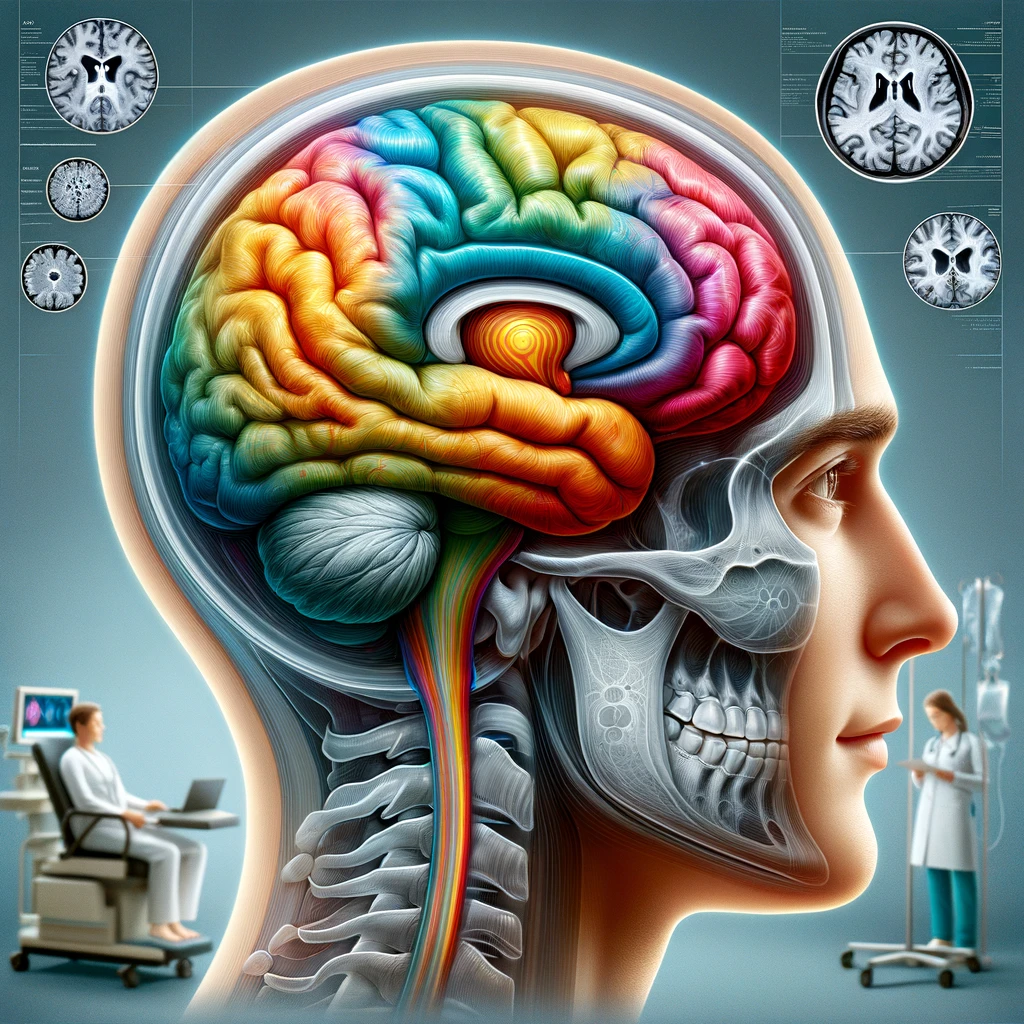

- Understanding functional neurological disorder
- Common symptoms and challenges in diagnosis
- Consequences of delayed recognition
- Benefits of early intervention and treatment
- Strategies for improving early diagnosis
Functional neurological disorder (FND) is a condition characterised by neurological symptoms that appear to have no structural or organic cause but are instead related to a problem in how the nervous system functions. Although the symptoms are real and can be disabling, they arise from disruptions in brain processing rather than nerve damage or lesions. This distinction can make understanding and diagnosing FND particularly challenging, both for patients and clinicians.
FND often involves impairments in voluntary movement or sensory function, typically affecting motor control, speech, sensation, or episodes of altered awareness that mimic seizures, such as non-epileptic attacks. Unlike other neurological disorders like multiple sclerosis or epilepsy, standard medical tests like MRI scans and blood work may return normal results. This has historically led to confusion and, in some cases, the mislabelling of symptoms as being purely psychological or feigned. However, advances in neuroimaging and clinical understanding confirm that FND is a legitimate medical condition with identifiable features that differentiate it from other conditions.
The underlying mechanisms of FND are still being researched, but current understanding points towards abnormalities in the brain’s ability to control movement and perception. These disturbances may be exacerbated by psychological stress, trauma, or other predisposing factors, although not all patients report such experiences. Importantly, FND is now recognised as lying at the intersection of neurology and psychiatry, calling for a multidisciplinary approach to care and treatment.
Given that diagnosis of FND relies heavily on positive clinical signs rather than exclusion, early identification hinges on awareness and training among healthcare professionals. Recognising key clinical indicators like inconsistency of symptoms or signs that vary with distraction can lead to a quicker and more confident diagnosis. Early intervention is crucial, as it opens the door to appropriate therapies—including physiotherapy, psychological support, and education about the condition—that significantly improve long-term prognosis.
Understanding FND as a functional disorder rather than a structural one marks a shift away from outdated classifications that often marginalised patients. This evolving perspective not only validates the experiences of those affected but also supports efforts to enhance early diagnosis and improve access to effective treatment pathways. By acknowledging the neurological basis of FND and promoting integrated care strategies, the outlook for individuals living with the condition can be greatly improved.
Common symptoms and challenges in diagnosis
Identifying the typical symptoms of FND can be a complex undertaking, as the condition presents in a wide variety of ways that often mimic other neurological disorders. Common motor symptoms include limb weakness or paralysis, tremors, abnormal gait, and speech difficulties such as slurred or stuttered speech. Sensory disturbances like numbness or altered sensations, as well as non-epileptic seizures, are also frequently reported. These episodes can appear sudden and dramatic, which may initially lead clinicians to consider more common or structural neurological conditions before entertaining a diagnosis of FND.
One of the defining challenges in diagnosing FND lies in the inconsistency and variability of symptoms. A patient may exhibit significant impairment in one clinical setting but appear almost symptom-free in another context, which can cause confusion and raise misplaced suspicions about the legitimacy of the symptoms. Diagnostic uncertainty is further compounded by the fact that traditional investigations such as brain imaging, nerve conduction studies, and blood tests typically yield normal results. Without objective test results, some healthcare professionals may feel hesitant to assign a definitive diagnosis, perpetuating a cycle of delayed recognition and referral.
Another prominent obstacle in the diagnostic process is the persistent stigma associated with FND and disorders involving a functional component. Historically, patients with FND were often misclassified under purely psychiatric labels, which sometimes led to dismissal or a lack of proper treatment. Despite growing awareness, this stigma still contributes to doubts among both clinicians and patients about the legitimacy of the diagnosis. Yet FND is now understood as a neurobiological condition with psychological and social influences, requiring careful communication during diagnosis to ensure patients feel validated and informed.
A further challenge is the limited training many clinicians receive in recognising functional presentations. Without adequate exposure to positive signs unique to FND—such as Hoover’s sign for functional limb weakness or entrainment in functional tremor—diagnosis can be delayed or missed altogether. This has significant implications for prognosis, as the effectiveness of early intervention depends on timely recognition. Failure to diagnose FND early can result in unnecessary tests, inappropriate treatments, and increased patient distress.
Improving the accuracy and timeliness of FND diagnosis necessitates a consistent emphasis on education and awareness for healthcare providers across settings. Emphasising the use of positive clinical features, rather than relying solely on exclusion, represents a paradigm shift that supports earlier diagnosis and allows patients to begin appropriate therapies tailored to their specific symptoms. The earlier an intervention is initiated, the better the chances for a favourable prognosis—particularly when patients are engaged in a therapeutic approach that combines neurology, psychology, and rehabilitative care.
Consequences of delayed recognition
When diagnosis of functional neurological disorder is delayed, the repercussions can be profound, affecting multiple aspects of a person’s health and overall prognosis. Extended periods of symptom uncertainty often lead to frustration, anxiety, and worsening of symptoms, both physical and psychological. Without an early intervention, individuals may continue to deteriorate, becoming trapped in a cycle of medical appointments, inappropriate investigations, and sometimes even misdiagnosis with other neurological conditions. This can contribute to significant functional disability, with some patients developing chronic symptoms and long-term dependency on healthcare services.
One major consequence of delayed recognition is the entrenchment of maladaptive neurological patterns. The longer symptoms persist without appropriate therapeutic input, the more likely they are to become resistant to treatment. Early neuroplastic changes can become reinforced over time, making it more difficult to reverse the condition through rehabilitation once it is finally diagnosed. This can result in individuals facing prolonged periods off work, social isolation, and reduced quality of life. In children and adolescents, delayed diagnosis can disrupt educational achievement and psychosocial development, often leading to lasting psychological effects.
In many cases, patients with undiagnosed FND undergo extensive, often invasive, testing in search of an elusive structural or organic explanation for their symptoms. These repeated investigations not only carry their own risks but also increase healthcare costs significantly. Sometimes, patients are prescribed medications or even undergo surgical procedures that are unnecessary and potentially harmful, due to misattributed symptoms. The emotional burden of being told that test results are “normal” despite ongoing symptoms further fuels distress and undermines trust in medical professionals, damaging the therapeutic relationship essential for successful recovery.
The longer FND goes unrecognised, the more patients may feel invalidated or labelled as malingerers or exaggerating their symptoms. This stigma can erode self-esteem and increase rates of depression, anxiety, and even suicidal ideation. The lack of validation can also discourage individuals from seeking further help, reinforcing a harmful pattern of silence and deterioration. In contrast, a timely and supportive diagnosis can provide much-needed clarity and open up access to appropriate care pathways, fostering hope and engagement with treatment.
Delayed recognition can also hinder family members and caregivers, who are often left confused and unsupported, not understanding the nature of their loved one’s condition. This can create tension within families and a sense of helplessness about how to respond to the situation. Without a clear diagnosis, it becomes more difficult to access social and financial support systems, including workplace accommodations or disability benefits, placing further strain on families already coping with complex and often misunderstood symptoms.
Acknowledging the serious consequences of delayed diagnosis underscores the importance of addressing FND with urgency and clinical confidence. Reducing the time between symptom onset and diagnosis allows for early intervention strategies that improve the likelihood of recovery, reduce inappropriate medical interventions, and restore quality of life. Ultimately, timely recognition is not just about faster diagnosis—it is foundational to ensuring that people with FND receive the care, understanding, and support they need to move forward positively.
Benefits of early intervention and treatment
Early intervention in functional neurological disorder has been consistently associated with improved clinical outcomes and a more optimistic prognosis. When symptoms are identified and addressed shortly after onset, patients are more likely to respond positively to treatment strategies and experience meaningful recovery. Timely diagnosis enables healthcare providers to guide individuals away from prolonged uncertainty and unnecessary investigations, instead channelling efforts into targeted rehabilitation and psychological support that can address both the neurological and psychosocial elements of the disorder.
One of the major benefits of early intervention is the prevention of chronic symptom development. By reducing the window in which maladaptive brain patterns become reinforced, early treatment can take advantage of neuroplasticity—the brain’s inherent ability to reorganise itself in response to therapeutic input. Physiotherapy tailored for FND is a cornerstone of this approach, using goal-oriented and functional exercises to retrain motor pathways and help restore confidence in movement. When delivered early, such interventions are more likely to succeed, increasing the chances of reduced disability and return to normal activities, including work and social engagement.
Psychological therapies, particularly cognitive behavioural therapy (CBT), are also more effective when introduced soon after diagnosis. These therapies help patients understand the relationship between thoughts, behaviours, and symptoms, offering useful tools to manage and reduce the emotional distress that can exacerbate FND. In cases where trauma or prior psychological issues are contributing factors, early psychological interventions can significantly lessen the burden of comorbid conditions such as anxiety or depression, further enhancing overall prognosis.
Educational support forms another crucial aspect of early treatment. Patients and families who receive clear, compassionate explanations of FND are better equipped to make sense of the disorder and engage proactively in rehabilitation. Early diagnosis allows clinicians to dispel misconceptions, emphasise that symptoms are real and reversible, and foster a therapeutic alliance based on trust and shared goals. Improved understanding among patients also reduces fear, improves compliance with treatment plans, and promotes long-term self-management.
From a broader perspective, early intervention reduces the strain on healthcare systems by limiting the need for repeated testing and specialist referrals. It enables more efficient allocation of resources by focusing care on methods known to be effective in treating FND, such as coordinated physiotherapy, psychotherapy, and multidisciplinary clinic support. In doing so, it mitigates the risks associated with iatrogenic harm and reduces the psychological impact of prolonged diagnostic uncertainty.
Ultimately, early intervention transforms the management of FND from a reactive to a proactive model. By recognising and addressing symptoms as soon as they arise, clinicians can offer structured, evidence-based care that instils hope and empowers individuals with the tools they need to restore function and reclaim quality of life. The importance of a prompt and confident diagnosis cannot be overstated, as it lays the foundation for recovery and a more favourable long-term outcome.
Strategies for improving early diagnosis
Improving early diagnosis of functional neurological disorder requires a coordinated and multidimensional approach within healthcare systems. A crucial starting point involves enhancing education and training for frontline healthcare providers, including general practitioners, emergency department staff, physiotherapists, and neurologists. Many clinicians currently receive limited exposure to FND during their formal training, which hinders timely recognition of the condition. Integrating FND-specific modules into medical curricula, postgraduate education, and continuous professional development courses can bridge this knowledge gap and foster confidence in making a positive diagnosis based on distinctive clinical signs.
Increased awareness of key diagnostic features such as variability of symptoms, positive neurological signs (e.g., Hoover’s sign in functional limb weakness), and patterns inconsistent with structural neurological disease enables clinicians to reach a diagnosis earlier and more accurately. Equally important is the shift away from relying solely on exclusionary testing and towards a proactive diagnostic model that recognises FND as a distinct condition. This empowers clinicians to communicate the diagnosis clearly and empathetically, while avoiding unnecessary investigations that often delay early intervention.
Another strategy involves the development and implementation of standardised diagnostic pathways for suspected FND. These protocols can guide clinicians through the assessment, including when and how to conduct appropriate evaluations and refer to specialised services. Early diagnosis benefits greatly from rapid access to multidisciplinary teams, where neurologists, physiotherapists, psychologists, and occupational therapists collaborate to assess, educate, and develop tailored treatment plans. Streamlining referral processes and creating local or regional FND clinics can support this integrated model of care and reduce disparities in access to expertise.
Public and patient education also play a vital role in promoting early recognition. Campaigns that enhance public understanding of FND and destigmatise the condition can encourage individuals to seek help sooner and engage with treatment following diagnosis. Equipping patients with clear, factual information about the nature of FND not only dispels misconceptions but also prepares them to participate actively in their own recovery. Empowered patients are more likely to adhere to therapeutic recommendations, positively influencing prognosis and reducing long-term disability.
Moreover, incorporating digital tools and telemedicine into the diagnostic process can extend reach to underserved populations and expedite assessment. Digital screening tools embedded in electronic medical records could prompt clinicians to consider FND when relevant symptom patterns arise, helping to flag cases early on. Video consultations also provide an opportunity for remote evaluations of movement disorders and non-epileptic seizures, supporting timely specialist input even in resource-limited settings.
Research continues to be essential in refining diagnostic criteria and evaluating the effectiveness of early intervention strategies. Continued investment in studies exploring biomarkers, neuroimaging, and predictive factors for response to treatment will strengthen the evidence base and support evidence-informed clinical decision-making. As the field progresses, translating research findings into clinical practice through updated guidelines will further enhance early diagnosis and improve outcomes for individuals living with FND.
By embedding awareness, standardised procedures, and multidisciplinary collaboration into the diagnostic landscape, the healthcare community can reduce diagnostic delays and ensure individuals with FND receive prompt and appropriate care. In doing so, these strategies not only improve individual prognosis but also contribute to a more efficient and compassionate healthcare system overall.