
- Understanding functional neurological disorder
- Challenges in diagnosing FND
- Benefits of early diagnosis
- Impact on treatment outcomes
- Future directions in early detection
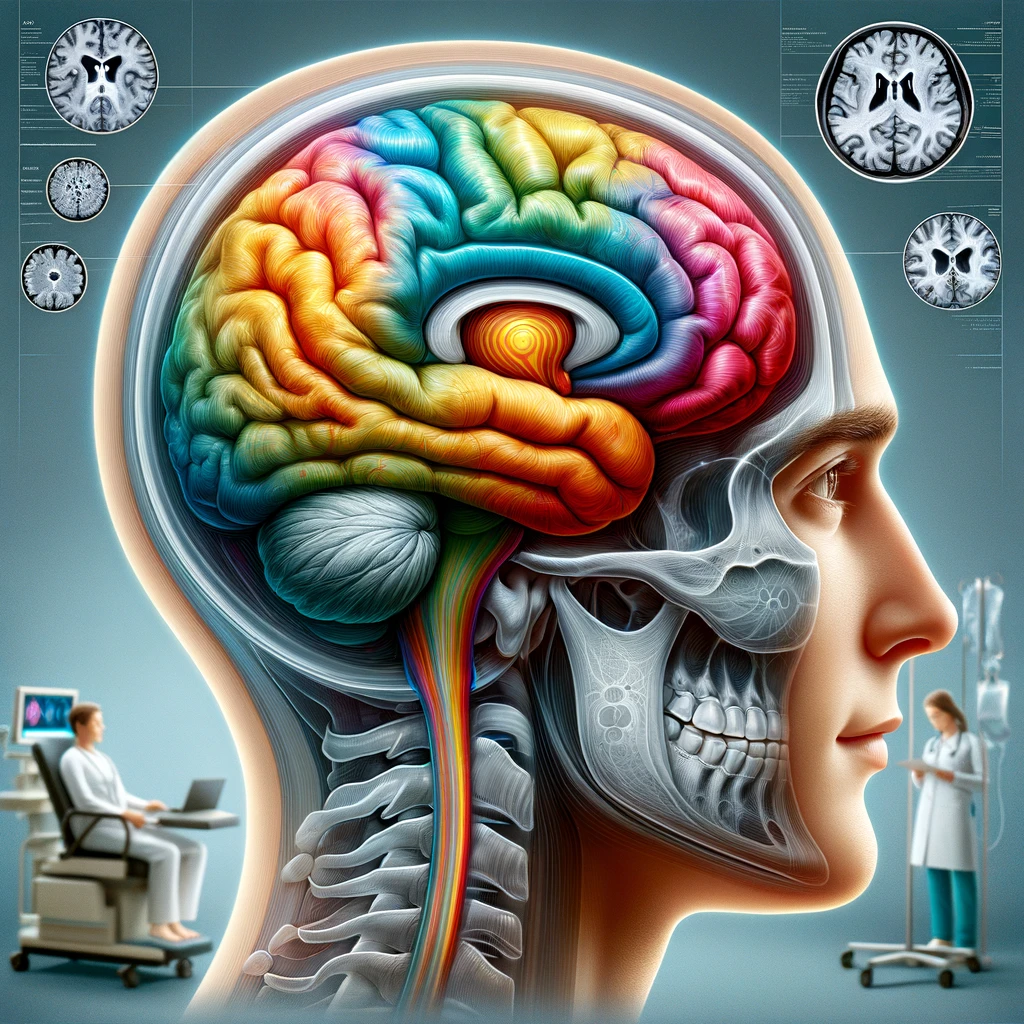
Functional neurological disorder (FND) is a condition in which patients present with neurological symptoms—such as limb weakness, movement disorders, sensory disturbances, or non-epileptic seizures—that are inconsistent with recognised diseases of the nervous system. Unlike conditions caused by structural damage, FND arises from a problem with the functioning of the nervous system, not its structure. This means that although the brain is physically intact, the way it sends and receives signals is disrupted, leading to real and distressing symptoms.
FND has historically been misunderstood and often stigmatised, in part because it does not follow the conventional patterns seen in more familiar neurological illnesses. As a result, individuals with FND often encounter scepticism about the validity of their symptoms—even from medical professionals—despite clear evidence that their symptoms are genuine and disabling. Modern advances in neuroimaging and clinical research, however, have begun to shift this perception, showing that FND has identifiable features and a solid neurobiological basis.
A key element in understanding FND lies in recognising the role of the brain’s predictive coding mechanisms. In many cases, the brain unconsciously misinterprets internal or external signals and generates symptoms which are not consciously produced. These symptoms, even though not caused by identifiable lesions or disease processes, are involuntary and beyond the patient’s control. This framework provides a valuable alternative to outdated views that suggested the disorder was ‘all in the mind’ or purely psychological.
Education plays a vital role in improving awareness and acceptance of FND, not only among healthcare providers but also among patients and the general public. Improved understanding of the condition helps to reduce stigma and fosters a more compassionate and effective response from the healthcare system. Furthermore, this awareness paves the way for the promotion of early diagnosis, since prompt identification and management are closely linked to better long-term outcomes for those affected.
Healthcare professionals, particularly those in neurology, psychiatry, and primary care, are increasingly being provided with training to recognise the clinical signs of FND and to communicate diagnoses more effectively. This shift is essential in ensuring that patients receive timely and appropriate care, starting from the moment FND is suspected. Clear communication can also help patients accept and engage with treatment plans, fostering trust and collaboration between patients and clinicians from an early stage in the care process.
Challenges in diagnosing FND
Diagnosing functional neurological disorder presents a unique and complex challenge within clinical practice. One of the primary difficulties lies in the nature of the symptoms themselves, which often mimic those of other neurological conditions such as epilepsy, stroke, or multiple sclerosis. However, unlike these illnesses, FND does not arise from structural damage or lesions in the brain, making it hard to detect using conventional diagnostic tools like MRI or CT scans. This often leads to delays in diagnosis and, in some cases, misdiagnosis, which can prolong patient distress and hinder access to appropriate treatment.
The variability and inconsistency of symptoms also contribute significantly to diagnostic challenges. Patients may experience symptoms that fluctuate or resolve suddenly, leading healthcare professionals to question their origin or legitimacy. Some individuals may be referred to multiple specialists before receiving an accurate diagnosis, causing unnecessary tests and sometimes invasive procedures. This process can be not only costly but can also have a demoralising impact on patients, who may feel disbelieved or dismissed.
An additional obstacle in making an accurate diagnosis is the ongoing lack of awareness and education about FND among both healthcare providers and the wider public. In medical training, FND is often underrepresented or misunderstood, resulting in clinicians being less equipped to identify its distinct features. Some may still view the condition primarily through a psychological lens, despite growing neurobiological evidence. This outdated perception can lead to a reluctance to deliver the diagnosis or to support suitable interventions, reinforcing the stigma that patients frequently experience.
Effective communication is another critical factor. When healthcare professionals are uncertain about how to explain FND to patients, it can lead to confusion, distress, or resistance to treatment. The absence of a clear, empathetic explanation often undermines patient trust and engagement. To address this, education for clinicians should not only focus on recognising FND but also on strategies to deliver the diagnosis in a sensitive and supportive manner.
The challenges in diagnosing FND highlight the essential need for early diagnosis and better education across all levels of the healthcare system. With improved training and awareness, clinicians can reduce diagnostic delays and ensure patients access the appropriate therapies sooner. Furthermore, fostering a broader understanding of FND among non-specialist healthcare providers can help bridge the gap between primary care and specialised neurological services, preventing patients from falling through the cracks of the medical system.
Benefits of early diagnosis
Recognising FND through early diagnosis offers numerous benefits, not only for the individual affected but also for the broader healthcare system. One of the most significant advantages is the potential to reduce the duration of untreated symptoms, which often become more entrenched and resistant to therapy the longer they persist. Timely identification allows for early intervention with evidence-based treatments, which have been shown to lead to improved symptom management and greater functional recovery. Patients who are diagnosed early are more likely to engage with therapeutic approaches such as physiotherapy, cognitive behavioural therapy (CBT), and occupational therapy, all of which have demonstrated efficacy in the management of FND.
The psychological impact of receiving a prompt and accurate diagnosis cannot be underestimated. For many individuals living with FND, the journey to diagnosis is marked by confusion, invalidation, and a loss of confidence in the medical system. An early diagnosis provides explanation and validation, moving the patient away from uncertainty and towards a clearer understanding of their condition. This improved understanding fosters acceptance and enables individuals to participate actively in their recovery process. The reassurance that their symptoms are genuine and have a recognised neurobiological basis can reduce anxiety, alleviate social stigma, and improve mental wellbeing.
Early diagnosis also enhances communication between patients and their healthcare teams. When FND is identified promptly, healthcare professionals can offer tailored information and set realistic expectations, which are crucial for managing a chronic condition. Informed discussions encourage shared decision-making and strengthen the therapeutic alliance—a key factor in the success of any treatment plan. Furthermore, the early establishment of appropriate care pathways minimises the risk of unnecessary and potentially harmful interventions, such as repeated emergency visits, inappropriate medications, or surgical procedures based on misdiagnosis.
From a systemic perspective, early diagnosis of FND reduces the burden on healthcare services. Without timely identification, patients often undergo extensive investigations and consultations that not only delay effective treatment but also drive up healthcare costs. Early diagnosis, by contrast, allows for more efficient use of resources by directing patients towards relevant services and professionals from the outset. Streamlining this process benefits both healthcare providers and those living with FND, creating a more coherent and accessible continuum of care.
Education plays a central role in enabling early diagnosis. Enhancing training at all levels of medical education ensures that clinicians are equipped to recognise the clinical signs of FND and differentiate it from other conditions. When GPs, emergency physicians, neurologists, and psychologists are consistently informed about the presentation and management of FND, patients receive faster, more accurate assessments. Education also supports a more sensitive delivery of the diagnosis, helping to lay the foundation for trust and patient engagement from the very first consultation.
Ultimately, the benefits of early diagnosis go beyond the clinical, impacting social, occupational, and emotional aspects of life. Patients who receive prompt identification and support are more likely to continue education or return to work, maintain social relationships, and experience a better quality of life. For a condition as complex and multifaceted as FND, early diagnosis represents a critical step towards a more hopeful and manageable future.
Impact on treatment outcomes
The timing of a diagnosis can dramatically alter the course of treatment for individuals with functional neurological disorder (FND). Early diagnosis enables engagement with targeted interventions during a crucial window when symptoms are less entrenched and the nervous system may still be more responsive to retraining. In contrast, delayed diagnosis is frequently associated with chronicity, emotional distress, and decreased response to therapy. Early identification is therefore not only a marker of good clinical practice but also a vital factor in maximising the potential for recovery or significant symptom reduction.
One of the primary treatment benefits of early diagnosis is the patient’s improved receptiveness to therapeutic strategies, such as specialist physiotherapy, psychotherapeutic approaches like CBT, and occupational therapy. These modalities are more likely to be effective when initiated early, before maladaptive coping mechanisms or fixed beliefs about disability take hold. In FND, the way patients perceive and interact with their symptoms plays an important role in recovery. Early, clear explanations paired with appropriate education help patients reframe their experiences, encouraging active participation in therapy and facilitating better long-term outcomes.
Therapeutic momentum is a key concept in FND management. When patients quickly transition from diagnosis to treatment, there is less time for anxiety, stigma, or hopelessness to take root. This momentum supports functions such as motor planning, movement execution, and sensory processing, which can be disrupted in FND. Early diagnosis also helps professionals avoid reinforcing disability through unnecessary medical interventions or prolonged uncertainty, which often exacerbate symptoms. When the diagnosis is confidently made and communicated, treatment can proceed without the misdirection or over-investigation that is common in late-stage diagnosis.
The impact on mental health is another crucial outcome influenced by early diagnosis. Many people with FND experience co-occurring symptoms such as depression or anxiety, which can intensify disability and reduce treatment adherence. By validating symptoms early and offering a clear treatment plan, clinicians can reduce psychological distress, foster hope, and support emotional resilience. Feeling heard and understood by the healthcare team is a pivotal moment for many patients, often marking the beginning of a more positive therapeutic relationship and a more defined path forward.
The role of clinician education and systemic support cannot be overstated. Where healthcare professionals have been trained to recognise and manage FND promptly, patients are more likely to avoid unnecessary investigations, inappropriate medications, or even invasive procedures. Early diagnosis, in this context, leads to treatment plans that are both patient-centred and evidence-based. This not only benefits individual outcomes but collectively enhances the efficiency and compassion of the healthcare system, reducing wasted resources and improving patient satisfaction.
Moreover, effective early intervention can support reintegration into daily life, especially in terms of work, education, and family roles. Patients who receive timely treatment often report improvements in confidence and independence, allowing them to re-engage with meaningful activities and reduce reliance on healthcare services. This is particularly important in younger populations, where early intervention may safeguard academic progress and social development, preventing long-term disability at a formative stage of life.
Ultimately, early diagnosis is a pivotal determinant of treatment success in FND. The sooner patients receive validation, education, and access to appropriate care pathways, the more likely they are to experience substantial improvement or recovery. By enhancing clinician awareness and streamlining referral processes, the healthcare system can play a transformative role in improving the lives of those affected by this complex yet treatable condition.
Future directions in early detection
Looking ahead, the future of early detection in FND hinges on a combination of technological advancement, greater clinical awareness, and stronger interdisciplinary collaboration. One promising avenue is the refinement of diagnostic tools that leverage functional neuroimaging and electrophysiological methods to better capture subtle abnormalities in brain function. Emerging studies using techniques such as fMRI and EEG are beginning to reveal patterns characteristic of FND, offering the potential to develop biomarkers that could aid in diagnosis. While still in the research phase, these approaches may eventually complement clinical assessments and help reduce diagnostic ambiguity.
Artificial intelligence and machine learning also hold considerable promise in enhancing early diagnosis. Algorithms trained on clinical data, symptom patterns, and patient histories could assist clinicians in recognising the signs of FND more quickly and accurately. Digital health solutions, including symptom-tracking applications and telemedicine platforms, may further improve early detection, especially for patients in remote or underserved areas where access to specialist care remains limited. By facilitating earlier referrals to appropriate services, these innovations can shorten the often lengthy and frustrating diagnostic journey experienced by many individuals with FND.
However, technological strides must be matched by relentless efforts in education and training within the healthcare system. There is a growing consensus that FND should occupy a more prominent place in medical curricula and professional development programmes. Early and robust education for doctors, nurses, physiotherapists, and mental health professionals will improve their confidence in making the diagnosis and delivering it in a way that patients can understand and accept. Education not only decreases misdiagnosis but also enhances the speed and appropriateness of referrals, ultimately supporting more effective treatment trajectories.
Equally important is the role of public health campaigns in raising awareness about FND among patients and their families. Many individuals delay seeking care due to confusion about symptoms or fear of stigma. Community-based education initiatives have the potential to demystify the condition, encouraging earlier presentation to healthcare providers and facilitating timely diagnosis. Increasing public understanding of FND as a valid medical condition with effective treatment options is crucial to building patient trust and promoting engagement with the healthcare system.
Interdisciplinary collaboration will also be vital in improving early detection. Close working relationships between neurologists, psychologists, physiotherapists, and general practitioners allow for a more integrated approach to the recognition and evaluation of FND. Multidisciplinary teams can draw on collective expertise to confirm diagnosis and initiate early interventions more efficiently, providing a cohesive and supportive environment that reinforces patient confidence from the outset.
In the years to come, policy initiatives may further support early detection strategies by incentivising integrated care pathways, funding FND research, and promoting service development tailored to this unique patient group. As scientific insight deepens and educational outreach expands, early diagnosis is set to become less the exception and more the norm—enhancing care quality and life outcomes for countless individuals affected by functional neurological disorder.