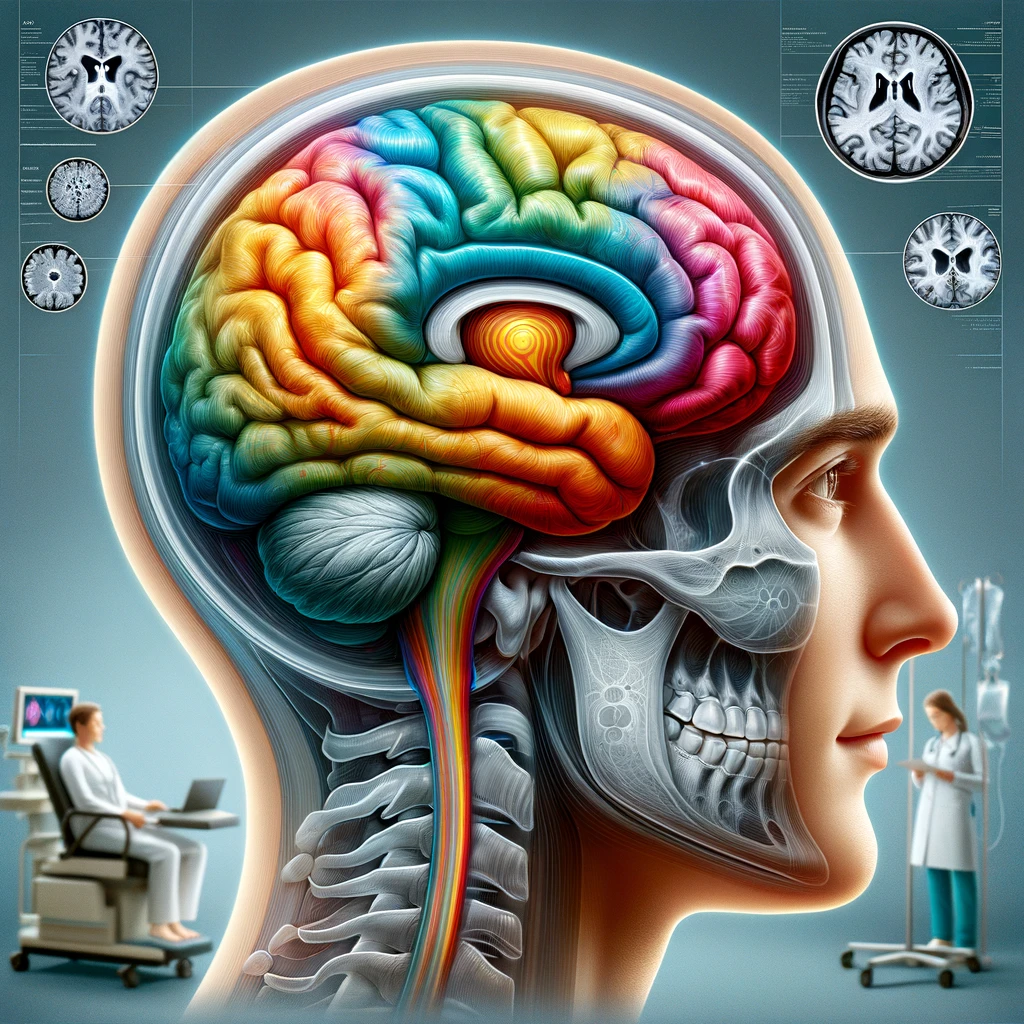

- Understanding functional neurological disorder
- Assessment and diagnosis by physiotherapists
- Individualised treatment approaches
- Techniques to improve motor function and control
- Collaborative care and ongoing support
Functional neurological disorder (FND) is a condition in which individuals experience neurological symptoms such as weakness, tremors, or non-epileptic seizures, but without evidence of structural damage or disease in the nervous system. These symptoms are genuine, often debilitating, and result from a problem with the functioning of the nervous system rather than from a specific identifiable neurological disease. Because the symptoms cannot be attributed to structural causes, FND is often misunderstood and sometimes incorrectly perceived as being psychological or ‘all in the mind’.
The symptoms of FND vary widely among individuals and can include problems with movement, such as tremors, limb weakness, gait disturbances, and impaired coordination. Sensory changes, speech difficulties, and episodes that resemble epileptic seizures without the corresponding electrical activity in the brain may also occur. These symptoms are often referred to as ‘motor symptoms’ and can fluctuate in intensity, sometimes improving and worsening over short periods of time.
The development of FND is complex and multifactorial. Current understanding suggests that it arises from disruptions in the brain’s normal signalling processes, particularly in how it interprets and responds to sensory, emotional, and cognitive inputs. Although FND is not caused by structural damage, patterns of brain activity seen in imaging studies suggest functional alterations, especially in areas responsible for movement and attention.
Understanding FND from a biopsychosocial perspective is crucial. Factors such as stress, trauma, or a history of illness may contribute, but they do not necessarily cause the condition. It is now recognised that FND exists on a spectrum, where biological, psychological, and environmental influences interact. This understanding helps shift the approach to care from one that traditionally questioned the validity of the symptoms to one that validates the patient’s experience and focuses on tailored rehabilitation.
Physiotherapy plays a key role in FND recovery, particularly due to its emphasis on restoring function and addressing abnormal movement patterns. As motor symptoms are a core feature of FND, physiotherapists often serve as front-line providers in diagnosis and treatment. They are trained to recognise the characteristic presentation of FND and to support rehabilitation through evidence-based and symptom-specific interventions aimed at retraining movement and improving patient confidence.
Assessment and diagnosis by physiotherapists
When assessing a person with suspected FND, physiotherapists carry out a comprehensive evaluation that differs from traditional neurological assessments. Because FND involves functional rather than structural changes in the nervous system, identifying specific patterns and inconsistencies in motor symptoms is key. Physiotherapists are skilled in recognising signs that are typical of FND, such as variable weakness, symptom inconsistency during distraction, or abnormal movement patterns that improve with focus or instruction. This type of presentation helps differentiate FND from other neurological conditions and supports a positive, rather than exclusionary, diagnosis.
The assessment process often begins with a detailed history to understand the onset, nature, and progression of the symptoms. Physiotherapists consider physical, psychological, and social factors that might be contributing to the patient’s current condition. It is not unusual for individuals with FND to have a history of previous physical injury, stress, or illness, but these are not seen as direct causes. Instead, they are considered part of the wider context that may influence neural function and symptom development.
A typical physiotherapy assessment will include movement analysis and testing of strength, coordination, balance, and mobility. Crucially, physiotherapists look for clinical signs that suggest functional patterns, such as Hoover’s sign for leg weakness or entrainment in tremor tests. These signs help determine that the symptoms are genuine and functional, giving both the clinician and the patient a clearer understanding of what is happening. The ability to offer a confident diagnosis of FND, based on positive findings, can significantly help reassure patients and improve engagement with rehabilitation.
In addition to motor assessments, physiotherapists also evaluate other aspects that may affect recovery, such as fatigue levels, pain, breathing patterns, and sensory changes. These factors often play a role in the persistence of symptoms and must be considered when planning individualised treatment. By building a strong therapeutic alliance and creating a safe environment, physiotherapists foster trust and collaboration, which are essential for individuals to make progress in managing their condition.
Ultimately, early recognition and diagnosis of FND by a trained physiotherapist can positively influence recovery by reducing uncertainty and promoting timely access to appropriate rehabilitation. Physiotherapy-led assessments form the foundation for a person-centred approach, aimed at restoring functional movement and helping individuals regain control, independence, and confidence in their daily lives.
Individualised treatment approaches
Physiotherapy treatment for individuals with FND is most effective when it is carefully tailored to the person’s unique presentation and needs. Because motor symptoms can vary significantly between individuals, a standardised approach is rarely suitable. Instead, physiotherapists utilise information gathered during assessment to design personalised treatment plans that target specific symptoms, functional goals, and contributing factors. This individualised focus is essential to help patients engage meaningfully with rehabilitation and to promote sustainable recovery.
One of the first steps in developing an individualised programme is agreeing on realistic and achievable goals with the patient. These goals might involve improving walking, reducing tremor, enhancing balance or coordination, or increasing participation in everyday activities. Setting such goals collaboratively ensures that the programme is aligned with what matters most to the patient, enhancing motivation and adherence to therapy.
Physiotherapists pay close attention to identifying and addressing maladaptive movement patterns, which are commonly seen in FND. For example, a person who has developed a protective gait after an episode of limb weakness may continue to walk asymmetrically, even when strength has returned. Manual guidance, targeted feedback, and video analysis can help patients become aware of these patterns and begin to correct them through guided practice and repetitive movement training.
Education is also a central component of individualised physiotherapy for FND. Understanding the nature of functional symptoms helps to demystify the condition for patients, which can reduce fear and anxiety around movement. Physiotherapists explain the mechanisms behind motor symptoms in clear, reassuring language, reinforcing that the symptoms are real but changeable through rehabilitation. This knowledge empowers patients to take an active role in their recovery and builds confidence in the therapeutic process.
Psychological and environmental factors that may influence motor symptoms are also incorporated into treatment planning. For some individuals, stress or fatigue may exacerbate their symptoms, so physiotherapists work with patients to develop pacing strategies, relaxation techniques, and routines that support overall well-being. Where appropriate, treatment may include breathing retraining or graded exposure to challenging movements or tasks that the patient may have been avoiding.
In cases where symptoms fluctuate or affect multiple areas of functioning, physiotherapists regularly review and adapt treatment plans to match progress. Flexibility is a key feature of individualised care, ensuring that therapy remains responsive to changes in the patient’s condition and circumstances. This ongoing review process allows physiotherapists to celebrate small achievements while gradually building towards more complex or demanding activities, fostering a sense of progression and control.
Individualised treatment in physiotherapy plays a crucial role in the rehabilitation of FND by acknowledging the unique experiences of each patient and addressing both the physical and contextual dimensions of their symptoms. Through attentive planning, ongoing dialogue, and a holistic approach, physiotherapists help individuals move towards greater functional independence and improved quality of life.
Techniques to improve motor function and control
Physiotherapists use a range of techniques to address motor symptoms in individuals with functional neurological disorder (FND), with the ultimate goal of restoring normal movement and promoting independence. A fundamental principle of physiotherapy in FND is movement retraining, which involves helping the patient relearn motor patterns that have been disrupted by the condition. These interventions are designed to target the functional nature of symptoms, such as limb weakness, tremor, or gait disturbances, using task-specific and goal-oriented exercises grounded in motor learning principles.
One effective technique employed is the use of automatic or automaticity-based movement training. This strategy focuses on restoring movement through distraction or indirect task performance, as many people with FND are able to move more effectively when they are not directly concentrating on the affected body part. For example, a person experiencing functional leg weakness might show improved movement when walking while simultaneously engaging in a cognitive task such as counting backwards. This technique capitalises on the preserved motor pathways in FND and helps reduce the attention-related interference that often exacerbates symptoms.
Graded exposure is another important method, especially when motor symptoms are linked to fear or avoidance of movement. Physiotherapists carefully design activities that enable individuals to gradually build confidence and reduce anxiety about specific tasks, such as climbing stairs or walking in crowded places. These activities are introduced in a step-wise manner, ensuring that each stage feels safe and achievable, thus reducing the likelihood of symptom flare-ups and promoting resilience in movement.
Visual and tactile feedback can also play a key role in retraining motor control. Tools such as mirrors, video playback, and soft touch cues are often used to enhance body awareness and proprioception. By helping individuals observe and adjust their posture, gait, or limb movement in real time, such feedback mechanisms reinforce desired patterns and support neural adaptation. Feedback is always delivered in a supportive and non-judgmental way, respecting the patient’s experience and encouraging a sense of agency.
In many rehabilitation programmes, rhythm and timing are utilised to address movement coordination issues. Techniques such as metronome-guided walking or rhythmic cueing using music can help establish smoother, more consistent movement sequences. These rhythmic elements engage different parts of the brain involved in timing and sequencing and have been found to promote more fluid motion in individuals whose motor symptoms include irregular or jerky actions.
Progressive strength and balance training is commonly included as well, though not primarily to increase muscle power in the traditional sense. Since individuals with FND typically do not have muscle weakness due to structural lesions, exercises are instead aimed at normalising use and building confidence in motor function. Tasks may be modified to suit the person’s current ability, with gradual increases in complexity and challenge over time to simulate real-world demands.
Breathing and relaxation techniques are often integrated into movement sessions, particularly where symptoms are exacerbated by anxiety or dysregulated autonomic responses. Learning to manage breathing patterns can help patients stay calm and grounded during tasks that feel difficult or trigger symptoms. Combining breath control with movement helps reduce muscle tension, improve focus, and support smoother motor performance.
Physiotherapy for FND is highly interactive, and success often depends on strong communication and trust between therapist and patient. Techniques are chosen not only for their physical impact but also for their psychological and motivational influence. By reinforcing successful movements, celebrating small wins, and adapting strategies in response to feedback, physiotherapists create a dynamic and supportive environment that facilitates real change.
These techniques, when delivered within a structured and empathetic rehabilitation framework, empower individuals with FND to regain control over their movement and reduce the impact of motor symptoms on their daily lives. Each intervention is grounded in the understanding that symptoms are real but reversible, with the central aim of improving function and restoring confidence through consistent, tailored physiotherapy support.
Collaborative care and ongoing support
Effective rehabilitation for functional neurological disorder (FND) often depends on collaborative care between physiotherapists, individuals with FND, their families, and other healthcare professionals. A multidisciplinary approach is essential, as people with FND commonly experience a range of motor symptoms alongside fatigue, pain, psychological distress, and social challenges. Coordinated support ensures that all aspects of a person’s health and well-being are addressed within a comprehensive treatment plan.
Physiotherapists play a central role in the broader care team, often functioning as the point of continuity within a person’s rehabilitation journey. Through regular communication with neurologists, psychologists, occupational therapists, speech and language therapists, and GPs, physiotherapists help ensure consistent messaging and avoid fragmented care. This team-based approach supports patients in understanding their condition and navigating different aspects of treatment, such as managing anxiety, regulating mood, or returning to daily tasks and employment.
Ongoing support is critical in maintaining progress, particularly as some individuals with FND may experience fluctuations in motor symptoms or relapses triggered by stress, illness, or life changes. Physiotherapists offer follow-up appointments, home exercise guidance, and remote consultations where appropriate, helping individuals consolidate gains and adjust strategies as needed. This long-term commitment reinforces the idea that recovery is not simply a linear process, but one that involves adaptation, learning, and resilience.
Education remains a key aspect of long-term support, not only for individuals with FND but also for their families and carers. Physiotherapists provide information about how FND works, how to react helpfully to symptoms, and how to encourage independence without reinforcing maladaptive patterns. Involving family members in goal-setting discussions and therapy sessions can enhance understanding and reduce the frustration or helplessness that sometimes accompanies caregiving roles.
Support groups and community resources can complement physiotherapy by offering peer connection and shared experience, which many find encouraging. Physiotherapists can signpost patients to local or national FND support networks, helping reduce isolation and building a sense of belonging. In some settings, participation in group-based rehabilitation programmes offers additional benefit by combining education, movement retraining, and social encouragement within a structured format.
Sustaining recovery from FND often requires strategies for self-management. Physiotherapists work closely with individuals to develop personalised plans that include pacing, mindfulness, activity planning, and emotional regulation. These tools empower patients to become active participants in their recovery, building the confidence and skills needed to manage symptoms independently over time. By promoting autonomy and understanding, physiotherapists help reduce reliance on healthcare services and support long-term function and well-being.
The collaborative nature of physiotherapy in FND ensures that individuals are not left to manage a complex condition in isolation. Instead, they benefit from a cohesive, coordinated approach that addresses both the physical and psychological dimensions of motor symptoms. This network of ongoing support helps individuals live more fully and confidently with FND, equipped with the tools and knowledge to sustain their progress.