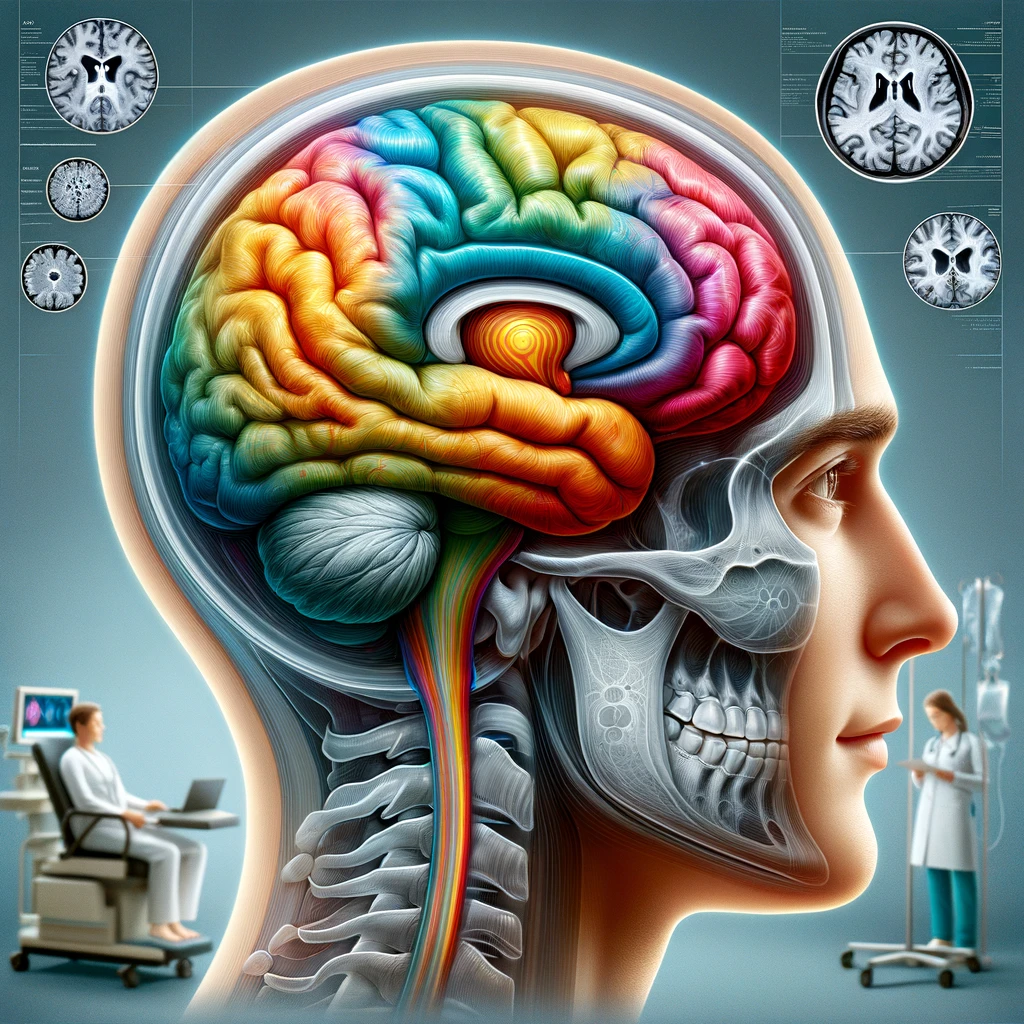

- Understanding FND and its impact
- Recognising signs and symptoms
- Creating a supportive environment
- Implementing effective accommodations
- Training and ongoing education for staff
Functional Neurological Disorder (FND) represents a condition that can substantially affect an individual’s ability to function in various aspects of life, including employment. It involves neurological symptoms that cannot be explained by traditional neurological diseases, often resulting in a range of motor, sensory, or cognitive challenges. In the workplace, this condition requires particular attention to ensure employees who are affected receive the understanding and support necessary to thrive.
FND’s impact on employment is multifaceted, as symptoms can be unpredictable and vary from person to person. Individuals might experience episodes that interfere with their capability to work consistently, leading to challenges in job performance and attendance. As these symptoms are real yet often misunderstood, it’s crucial for HR departments to deepen their understanding of FND to promote workplace inclusion.
Raising awareness about FND in the workplace is essential. Awareness training can help demystify the condition, counteract stereotypes, and reduce stigma. By fostering an environment of knowledge and empathy, HR can ensure that employees feel safe disclosing their condition and accessing the accommodations they need.
Incorporating FND education into broader awareness training initiatives allows the creation of a culture where all employees are valued and understood. The emphasis on informed awareness and supportive practices not only benefits those with FND but enhances the overall inclusivity and diversity within the workplace. Recognising the profound impact of FND and implementing thoughtful measures can lead to improved job satisfaction and productivity, ultimately benefiting both employees and the organisation.
Recognising signs and symptoms
Recognising the signs and symptoms of Functional Neurological Disorder (FND) is an essential step for HR departments aiming to support employees effectively. FND presents through a variety of symptoms that can mimic other neurological conditions, which often complicates diagnosis and understanding. Key symptoms can include non-epileptic seizures, weakness or paralysis, tremors, and difficulties with speech or movement. Since these symptoms can significantly impact an individual’s job performance and attendance, it is crucial for HR professionals to recognise these signs early on to provide timely assistance.
An employee experiencing FND may report sudden episodes of losing function in one part of their body, inconsistent performance due to concentration or memory difficulties, or unexplained fatigue that affects their work capacity. These manifestations can create significant barriers to employment, making it vital for HR departments to adopt an informed and empathetic approach. By recognising these symptoms and understanding the unpredictability they bring, HR can foster a workplace environment that accommodates and supports employees’ needs, aligning with principles of workplace inclusion.
Awareness training is instrumental in helping staff across all levels to understand FND better. This reduces stigma and encourages a supportive culture where employees feel safe to disclose their condition. Training programmes should be tailored to educate about the nature of FND symptoms and their potential impact on work life. When equipped with this knowledge, managers and colleagues can better comprehend the challenges faced by those affected, promoting an inclusive and understanding workspace.
Ultimately, awareness and recognition are fundamental in not only supporting employees with FND but also enhancing the overall culture of the organisation. By implementing proactive measures to identify and accommodate the symptoms of FND, HR departments can lead the way in championing diversity and acceptance within the workplace, paving the path for all employees to perform to the best of their abilities in a compassionate and accommodating environment.
Creating a supportive environment
In fostering a workplace that is inclusive and accommodating for employees with Functional Neurological Disorder (FND), it is crucial to create a supportive environment where individuals feel understood and valued. Establishing such an environment begins with promoting open communication. Encouraging employees to speak about their experiences with FND without fear of judgement is essential for building trust and ensuring they feel comfortable discussing their needs. This openness helps HR and management identify specific adjustments or accommodations that may be required to support their employment.
Implementing flexible work arrangements is another vital component in creating a supportive environment. Given the unpredictable nature of FND symptoms, flexible scheduling or remote work options can significantly enhance an employee’s ability to manage their condition alongside their work responsibilities. When employees feel they have the autonomy to adjust their work schedules or environments in response to their health needs, it fosters a sense of empowerment and belonging, contributing positively to workplace inclusion.
Additionally, HR should focus on making physical and procedural changes that accommodate various needs. This might include providing ergonomic workspaces, allowing for regular breaks, or installing software that assists with cognitive challenges. Such measures demonstrate a commitment to creating a physically supportive environment tailored to each individual’s unique requirements, sending a powerful message of inclusion.
Cultivating a culture of understanding through regular awareness training sessions can also play a crucial role in this regard. Educating all staff about FND ensures that everyone, from colleagues to management, is aware of how the disorder might affect one’s work life and interactions. With this knowledge, the stigma often associated with invisible disabilities can be diminished, and staff can offer genuine support and solidarity to their peers.
Finally, ongoing dialogue and feedback loops between employees with FND, HR, and management can help refine supportive measures continually. By regularly reviewing and adjusting approaches based on employee feedback, an organisation can ensure its practices remain relevant and effective, further embedding workplace inclusion. In nurturing a supportive environment, businesses not only enhance employee well-being and retention but also strengthen their reputation as inclusive and diverse employers.
Implementing effective accommodations
When tailoring work environments for individuals with Functional Neurological Disorder (FND), implementing effective accommodations becomes a key strategy in promoting workplace inclusion. Accommodations can be tailored to meet the specific needs of each employee, acknowledging the unique and varied presentations of FND. An effective start is to engage directly with the employee to identify the adjustments that will best support their work performance and well-being. This collaborative approach not only ensures that accommodations are appropriate but also empowers employees by actively involving them in the decision-making process.
One possible accommodation is the introduction of flexible working hours or arrangements. Since FND symptoms can be unpredictable, offering options such as adjustable start and end times or the possibility of remote work can significantly decrease stress and improve productivity. Providing periodic breaks or rest periods, especially when cognitive or physical fatigue sets in, can also be incredibly beneficial. These measures enable employees to manage their symptoms more effectively whilst maintaining their employment commitments.
In terms of physical adaptations, ergonomic adjustments, such as adjustable desks or specialised seating, can help alleviate discomfort associated with FND symptoms. Additionally, supplying assistive technology, like voice recognition software or noise-cancelling headphones, can help address cognitive or sensory issues, making daily tasks more manageable. The goal of these tools is to create an environment where employees can work as comfortably and efficiently as possible, demonstrating a commitment to workplace inclusion.
Moreover, setting up clear and consistent lines of communication between HR, management, and employees is paramount. Regular check-ins can help assess the effectiveness of the accommodations and provide opportunities for adjustments. These interactions should be underpinned by a culture of empathy and support, guiding the organisation to respond to ongoing or emerging needs readily. By fostering open dialogue and maintaining flexibility in support approaches, companies can ensure that the accommodations remain relevant and responsive to the evolving nature of FND.
Ultimately, the successful implementation of accommodations requires a comprehensive understanding of FND and a solid organisational commitment to inclusivity. By proactively adapting policies and physical environments, employers can not only enhance the work experience for those with FND but also reflect a broader commitment to nurturing diverse and inclusive workplaces. Through ongoing awareness training and thoughtful accommodations, organisations can effectively uphold the principles of diversity and inclusion, leading to a more supportive and equitable work setting for all employees.
Training and ongoing education for staff
Ensuring that all staff are well-informed and continuously educated about Functional Neurological Disorder (FND) is crucial for fostering an inclusive workplace. Regular training sessions should be implemented to enhance understanding and provide up-to-date information regarding FND, its symptoms, and its potential impacts on both employees and the wider work environment. This training not only raises awareness about the challenges faced by those with FND but also equips colleagues, managers, and HR professionals with the knowledge to offer appropriate support and guidance.
Awareness training should focus on dismantling misconceptions surrounding FND. By highlighting the genuine and often invisible nature of the condition, organisations can reduce stigma and promote empathy among staff. These sessions should detail the diverse range of symptoms associated with FND and discuss how these might affect an individual’s performance and interactions within the workplace. Managers and team leaders play a pivotal role, and thus, given specialised training can empower them to handle situations sensitively and professionally.
In addition to formal training, encouraging a culture of learning and understanding within the organisation can be achieved through workshops, seminars, and resource-sharing initiatives. These activities serve not only to reinforce knowledge but also to facilitate continued dialogue around how best to support employees with FND. Staff should be encouraged to ask questions and engage in discussions, fostering an open and transparent environment where learning is ongoing.
Moreover, organisations should consider the implementation of a feedback loop where employees can share their experiences and suggest improvements related to FND policies and practices. This participatory approach ensures that the materials and information provided remain relevant and practical, reflecting the latest developments in research and workplace strategies.
Ultimately, integrating comprehensive training and continuous education into the framework of the organisation not only supports workplace inclusion for those with FND but also elevates the collective understanding of all employees. By embedding these educational processes into the core of the company’s values, businesses can effectively demonstrate their commitment to nurturing a work environment that is both inclusive and supportive of diversity in all its forms.