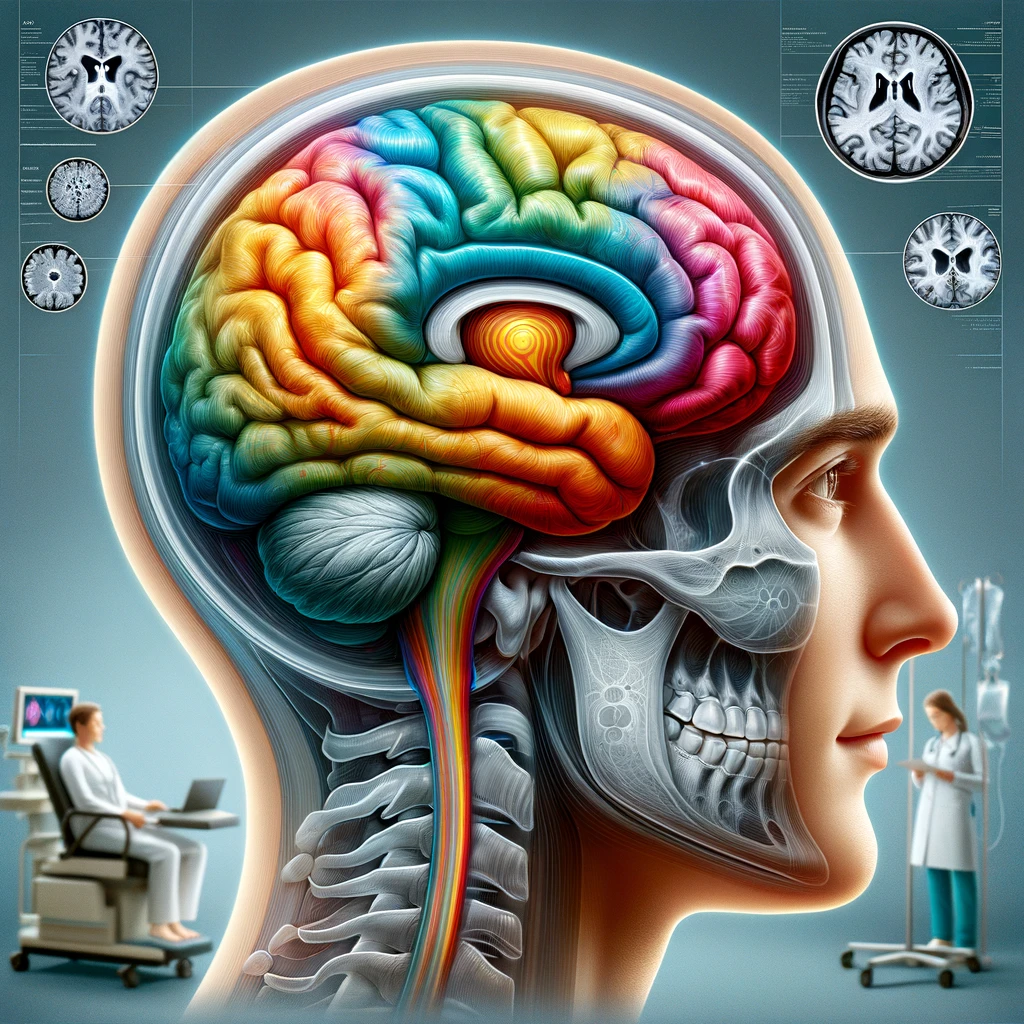

- understanding functional neurological disorders
- importance of early recognition
- educational strategies for junior doctors
- common challenges in diagnosis
- assessment and feedback mechanisms
Functional neurological disorders (FND) represent a complex spectrum of conditions where patients experience neurological symptoms such as weakness, movement disorders, sensory symptoms, and blackouts without a clear organic cause. These symptoms can be distressing and disabling, often comparable in impact to those seen in neurological disorders with a defined pathological basis. For junior doctors, understanding these disorders is crucial, as they are frequently encountered in both emergency and outpatient settings. The recognition of FND is essential not only for managing the patient’s symptoms effectively but also for avoiding unnecessary and potentially harmful interventions that could result from misdiagnosis.
The aetiology of FND is multifaceted, with an interplay between biological, psychological, and social factors. This requires early career clinicians to adopt a biopsychosocial model during their clinical teaching sessions. The pathophysiology underpinning FND includes abnormalities in brain function rather than structure, leading to a spectrum of symptoms that arise without discernible structural lesions. Neuroimaging in such patients typically does not reveal abnormalities, which poses a challenge in diagnosis for less experienced doctors.
For proper management, it is critical for junior doctors to differentiate between FND and other neurological conditions. This entails not only the recognition of the characteristic features of FND but also a thorough understanding of the patient’s clinical history, symptoms, and potential precipitating factors. Continued exposure to clinical cases during training, with supervision and guidance from experienced neurologists, can aid in honing these diagnostic skills, providing junior doctors with the competence needed to manage these cases with confidence and empathy.
importance of early recognition
Recognising functional neurological disorders (FND) at an early stage is crucial for several reasons. One of the primary benefits is the prevention of further psychological distress and functional disability for the patient. Early recognition can lead to timely interventions that focus on symptom management and holistic care approaches, reducing the burden of the disorder on the patient and their family. For junior doctors, developing this early insight into FND can enhance their diagnostic acumen and improve patient outcomes.
Misdiagnosis or delayed diagnosis can result in unnecessary investigations and treatments, which not only contribute to increased healthcare costs but also expose patients to potential medical risks without any improvement in symptoms. By recognising FND early in the patient’s clinical journey, junior doctors can avoid such setbacks and facilitate quicker access to appropriate therapeutic interventions, which may include physical therapy, psychological support, or neurology consultations.
Importantly, early recognition allows healthcare teams to establish a strong patient-doctor relationship, founded on trust and understanding. This rapport is essential for encouraging patient engagement in their care plan, as FND often requires a multidisciplinary approach to address both symptomatic treatment and underlying psychosocial issues. Early career clinicians benefit from clinical teaching that emphasises the necessity of communication and empathy, skills that are indispensable in managing cases where symptoms are not attributable to clear structural causes.
Furthermore, early recognition by junior doctors supports the integration of evidence-based practices into patient care, facilitating research and learning, and contributing to a broader understanding of FND within the medical community. It serves as a foundation for building critical thinking skills that are applicable to a wide range of medical conditions, thereby enhancing their overall clinical competence and confidence in their diagnostic capabilities.
educational strategies for junior doctors
To equip junior doctors with the necessary skills to recognise functional neurological disorders (FND), diverse educational strategies are indispensable. Clinical teaching should emphasise a thorough foundation in both the theoretical aspects and practical applications of FND recognition. Integrating simulation-based learning can serve as an effective tool in education, providing junior doctors with hands-on experience in diagnosing and managing these disorders in a controlled environment. Such simulations mimic real-life scenarios, allowing trainees to apply theoretical knowledge and refine their clinical skills without the pressure of real patient interactions.
Case-based learning is another pivotal strategy wherein junior doctors are presented with patient cases that demonstrate the complexities of FND. By analysing these cases, they develop critical thinking skills and a nuanced understanding of the biopsychosocial model essential for diagnosing and managing FND. Interprofessional education sessions encourage collaboration among neurology, psychiatry, and allied health professionals, fostering a holistic approach to patient care. This not only broadens their perspective but also highlights the importance of a multidisciplinary team in achieving better patient outcomes.
The integration of reflective practice into educational strategies enables junior doctors to assess and internalise their experiences with patients. By reflecting on their diagnostic processes, they can identify areas for improvement and build confidence in their abilities. Regular mentorship from experienced clinicians provides junior doctors with guidance and support, promoting professional development and a deeper understanding of patient-centred care. The feedback obtained during these interactions is invaluable for fine-tuning both diagnostic and communication skills.
Incorporating workshops focused on communication skills will enhance the ability of early career doctors to effectively convey diagnoses and management plans to patients. Such skills are crucial as they underpin the development of a strong therapeutic alliance. Educational strategies must also prioritise the inclusion of mental health training, as many FND cases present at the intersection of neurology and psychiatry. Understanding the psychological aspects and learning to approach these sympathetically can vastly improve patient care.
A comprehensive and multifaceted educational approach is necessary to prepare junior doctors for FND recognition and management. By leveraging diverse teaching methods and fostering an environment of continuous learning and reflection, junior doctors can be better equipped to face the challenges posed by FND and contribute meaningfully to patient care.
common challenges in diagnosis
Diagnosing functional neurological disorders (FND) presents a multitude of challenges for junior doctors, which can be attributed to the complex presentation of symptoms and the absence of clear structural abnormalities found in typical neurological conditions. One of the primary difficulties faced is differentiating FND from other similarly presenting disorders such as epilepsy or multiple sclerosis, where symptoms like seizures or movement disorders can overlap significantly. The clinical teaching received during medical training may not always adequately prepare junior doctors to discern these subtleties, leading to potential misdiagnoses.
An additional challenge lies in the reliance on exclusionary processes for diagnosis, as there are no definitive laboratory or imaging tests that can confirm FND. Instead, junior doctors must develop proficiency in recognising and interpreting signs that suggest functional rather than organic pathology. This often necessitates a deep understanding of the nuanced presentations and behavioural patterns associated with FND, requiring a level of diagnostic acumen that early career clinicians may find daunting.
Communication with patients constitutes another significant hurdle. Explaining the nature of FND to patients, who may have preconceived notions about their symptoms being linked to organic diseases, requires sensitivity and clarity. Junior doctors must navigate these discussions delicately to maintain trust and ensure patients understand the diagnosis and the rationale behind it. Balancing empathic communication with clinical objectivity is a skill that needs to be honed through experience and reflective practice.
Moreover, the stigma associated with functional disorders both within and outside the medical community can influence the diagnostic process. Junior doctors might encounter scepticism from patients or even colleagues regarding the legitimacy of FND diagnoses. This can create an added layer of difficulty, where junior doctors must advocate for their diagnosis while fostering collaboration among other healthcare professionals involved in patient care.
Time constraints in clinical settings can impede the comprehensive assessments required for FND diagnosis. With pressure to see multiple patients, junior doctors might find it challenging to allocate the extended consultation time needed to tease apart the complex interplay of symptoms and psychosocial factors involved in FND cases. Overcoming these challenges necessitates structured clinical teaching programs that provide junior doctors with not only the theoretical knowledge but also the practical tools to confidently diagnose and manage FND in their future medical practice.
assessment and feedback mechanisms
Assessing the competence of junior doctors in recognising and managing functional neurological disorders (FND) is crucial in their training and professional development. A systematic approach to assessment ensures that their knowledge and skills are adequately evaluated, allowing for targeted feedback that can enhance their clinical acumen. Traditional methods such as case-based discussions and written examinations offer valuable insights into the theoretical understanding of FND, but they must be complemented by practical assessments to gauge real-world application.
Practical assessments may include Objective Structured Clinical Examinations (OSCEs), where junior doctors can demonstrate their ability to perform clinical examinations and communicate diagnoses in simulated scenarios. These simulations are designed to replicate the complexities of FND cases, providing a safe learning environment for junior doctors to refine their diagnostic and communication skills. Regularly incorporating OSCEs into training programmes ensures that junior doctors are well-prepared to handle such challenging cases in clinical practice.
Feedback mechanisms play a pivotal role in advancing the learning trajectory of junior doctors. Constructive feedback following assessments allows them to identify areas for improvement and reinforces their strengths. It is imperative that feedback is delivered in a supportive manner, focusing not only on clinical competencies but also on interpersonal skills and empathy, as these are crucial in managing FND patients effectively. Feedback sessions should be regular and structured, providing junior doctors with clear, actionable points for development.
Moreover, peer feedback can be an invaluable tool in the assessment process. Encouraging junior doctors to engage in peer review not only fosters a culture of collaborative learning but also allows them to gain diverse perspectives on case management. This approach aids in developing critical thinking and reflective practice, enabling junior doctors to assess their performance and that of their colleagues objectively.
Continuous professional development is supported through feedback-integrated learning pathways, where junior doctors can track their progress over time. This longitudinal approach helps in identifying consistent patterns of performance and growth, offering a comprehensive picture of the doctors’ proficiencies. Incorporating patient feedback into the assessment framework can also provide unique insights into the effectiveness of doctor-patient interactions, highlighting the importance of empathy and communication skills in patient care.
A robust assessment and feedback framework not only enhances the training of junior doctors in the context of FND recognition but also ensures they are equipped with the necessary skills to provide high-quality care. Through a blend of practical assessments, constructive feedback, and continuous learning, early career clinicians can develop the expertise vital for navigating the complexities of functional neurological disorders confidently and compassionately.