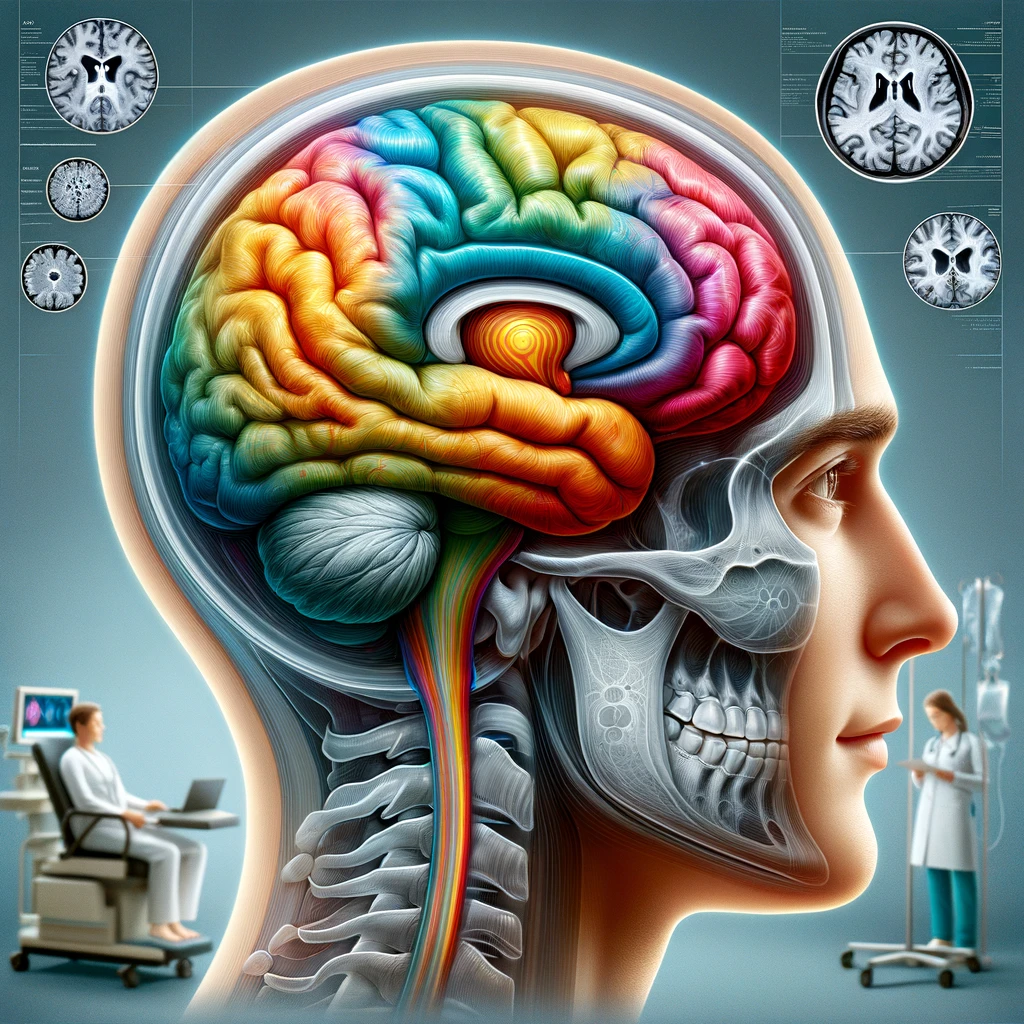

- Understanding functional neurological disorder (FND)
- Recognising signs that warrant referral
- Collaborative care approach
- Treatment options through mental health services
- Monitoring progress and follow-up strategies
Functional neurological disorder (FND) is a complex condition characterised by neurological symptoms that cannot be attributed to any identifiable structural or organic pathology. Patients may present with a variety of symptoms, including motor dysfunction, sensory issues, and episodes resembling seizures, often termed as functional seizures or psychogenic non-epileptic seizures (PNES). Due to the absence of a clear physiological cause, FND can be challenging to diagnose, requiring a thorough clinical evaluation and often relying on the identification of specific features that distinguish it from other neurological conditions.
The diagnosis of FND is primarily clinical and based on the recognition of certain signs during a neurological examination. These include inconsistent neurological responses, such as Hoover’s sign or a positive tremor entrainment test, which help differentiate FND from other disorders. The presence of these signs supports the diagnosis of FND and should prompt healthcare professionals to consider a referral to mental health services, as psychological factors often play a significant role in the development and maintenance of FND symptoms.
It is essential to approach FND with a multidisciplinary care strategy, ensuring that patients receive comprehensive management tailored to their specific needs. Mental health professionals, including psychologists and psychiatrists, are integral to this multidisciplinary team, offering expertise in cognitive behavioural therapy (CBT), psychoeducation, and other therapeutic interventions that can effectively alleviate symptoms. Addressing potential underlying psychological factors through appropriate mental health support can significantly improve patient outcomes.
Recognising signs that warrant referral
Identifying the need for a referral to mental health services in patients with functional neurological disorder (FND) involves recognising specific signs indicative of psychological distress or dysfunction exceeding the scope of neurological interventions alone. A comprehensive evaluation by a healthcare provider can reveal these signs, often characterised by inconsistent or atypical symptoms during neurological examinations. For instance, a significant aggravation of symptoms under stress, or disproportionate anxiety related to the condition, may suggest that psychological factors are heavily influencing the manifestation of FND symptoms.
Moreover, when patients exhibit persistent symptoms that are refractory to standard neurological treatment, or when there is notable psychological distress impacting daily functioning, a referral becomes pertinent. This is especially critical in cases where patients exhibit signs of comorbid psychiatric conditions such as depression or anxiety disorders, which can complicate the clinical picture and impede symptom resolution. Early recognition of these signs facilitates timely intervention by mental health professionals, who can employ targeted therapeutic strategies aimed at addressing these complex dynamics.
Incorporating a multidisciplinary care strategy ensures that FND patients receive holistic management. Collaboration between neurologists and mental health providers is crucial in crafting comprehensive care plans. The aim is to seamlessly integrate neurology and psychological therapies, thereby promoting a more thorough understanding and management of the disorder. This approach heightens the potential for improved patient outcomes through coordinated interventions that address both the physical and psychological aspects of FND.
Collaborative care approach
A collaborative care approach is paramount when managing patients with functional neurological disorder (FND). This strategy emphasises the integration of various healthcare disciplines to address the multifaceted nature of FND. The essence of this approach lies in its ability to combine the expertise of neurologists, mental health professionals, physiotherapists, and primary care physicians. Each discipline plays a crucial role in crafting a comprehensive treatment plan that addresses both the neurological and psychological components of the disorder. By involving a multidisciplinary team, patients benefit from a well-rounded perspective that considers all aspects of their health and wellbeing.
Central to this approach is effective communication and collaboration among healthcare providers, ensuring that all team members are aligned and informed about the patient’s progress and treatment goals. Regular interdisciplinary meetings and continuous feedback loops facilitate this coordination, promote the sharing of insights, and help identify any emerging issues that need to be addressed swiftly. By working synergistically, the team can tailor interventions more precisely, adapting them to the patient’s evolving needs, and thus enhancing the efficacy of the treatment provided.
Mental health services play a pivotal role in the collaborative care approach for FND. The involvement of mental health professionals, such as clinical psychologists and psychiatrists, is essential for delivering evidence-based psychological therapies like cognitive behavioural therapy (CBT), which have shown efficacy in treating FND symptoms. These professionals also provide valuable support in managing comorbid conditions, facilitating better overall outcomes. The holistic nature of this care model not only aims to alleviate symptoms but also seeks to reinforce the patient’s self-management strategies, improve coping mechanisms, and reduce the likelihood of symptom recurrence.
Ultimately, the collaborative care approach in FND management underscores the importance of a unified, patient-centred strategy. By leveraging the strengths and capabilities of a multidisciplinary team, patients receive a seamless continuum of care, which is integral to effectively managing this complex disorder. This approach not only enhances treatment adherence and satisfaction but also empowers patients, fostering a sense of agency in their healthcare journey.
Treatment options through mental health services
The treatment of functional neurological disorder (FND) through mental health services encompasses a range of therapeutic interventions aimed at addressing both the psychological and physical aspects of the condition. A primary option is cognitive behavioural therapy (CBT), which focuses on altering negative thought patterns and behaviours that may exacerbate FND symptoms. CBT has been shown to effectively reduce symptom severity and improve overall functioning by helping patients develop healthier coping mechanisms and enhance their resilience.
An additional treatment avenue is psychoeducation, which seeks to educate patients about FND, its symptoms, and underlying psychological factors. Understanding the disorder empowers patients by demystifying symptoms and alleviating fears, which can reduce anxiety and facilitate better management of the condition. Psychoeducation can be delivered one-on-one or in group settings, providing peer support that reduces isolation and fosters a sense of community among patients.
For patients with significant comorbid psychological conditions such as anxiety or depression, a referral for pharmacological interventions may be considered. Antidepressants or anxiolytics can be prescribed as part of a comprehensive treatment plan to manage these concurrent issues, thereby creating a more stable emotional environment conducive to therapeutic progress. The decision to include medication should be made collaboratively with patients, weighing the benefits against any potential side effects.
Multidisciplinary care is central to the treatment approach for FND through mental health services. Collaboration between mental health professionals, neurologists, and physiotherapists ensures that the intervention plan addresses the diverse aspects of the disorder. Physiotherapy can be an integral part of the therapeutic process, helping patients regain motor function and build confidence in their physical abilities. By working together, healthcare providers can delineate a clear and cohesive treatment pathway that optimises patient outcomes.
Furthermore, emerging therapies, such as mindfulness-based interventions and acceptance and commitment therapy (ACT), offer promising adjunctive strategies for managing FND. These therapies focus on enhancing patients’ awareness of the present moment and promoting acceptance of their experiences, which can diminish the impact of distressing symptoms and encourage adaptive responses to stressors.
The comprehensive treatment options available through mental health services underscore the necessity of a personalised, patient-centred approach. By tailoring therapies to the individual’s specific needs and integrating them into a broader multidisciplinary care plan, patients with FND stand to gain significant improvements in their quality of life and functional capacity. Each treatment option is a critical component of a holistic strategy designed to foster recovery and facilitate a more meaningful engagement with daily activities.
Monitoring progress and follow-up strategies
In managing functional neurological disorder (FND), monitoring patient progress and implementing effective follow-up strategies are crucial components of a comprehensive and multidisciplinary care approach. Regular assessment of symptom progression, treatment adherence, and therapeutic response is essential to ensure that patients receive the most appropriate interventions and support. Healthcare providers should establish a structured follow-up plan tailored to each patient’s needs, allowing for timely adjustments to their care strategy as required.
Key to successful monitoring is maintaining open lines of communication between patients and all members of the multidisciplinary care team, including neurologists, mental health professionals, and physiotherapists. Regular consultations enable the healthcare team to assess the efficacy of ongoing treatments such as cognitive behavioural therapy (CBT) and pharmacological interventions, and to identify any new or persisting psychological or physical challenges. This collaborative approach ensures that changes in symptoms or patient circumstances are addressed promptly, preventing setbacks in treatment progress.
Patients and their families should be encouraged to actively participate in the follow-up process by keeping detailed records of symptoms, triggers, and any changes in their condition. This patient engagement is critical for facilitating informed discussions during follow-up appointments and empowering individuals in their own care. Supporting patients in recognising signs warranting referral to mental health services helps maintain an optimal treatment trajectory and reduces the likelihood of symptom exacerbation.
Additionally, follow-up strategies may incorporate periodic reassessment of treatment goals, ensuring they remain realistic and aligned with the patient’s evolving needs and capacities. This not only supports sustained engagement with the therapeutic process but also fosters greater resilience and independence in managing FND symptoms. By adopting a proactive approach to monitoring and follow-up, healthcare providers can enhance treatment outcomes, improve patient satisfaction, and ultimately foster a more effective recovery journey.