
- Understanding functional neurological disorder
- Current approaches to FND education
- Challenges in teaching FND
- Strategies for effective FND training
- Assessing outcomes and future directions
Functional neurological disorder (FND) represents a significant challenge in neurology due to its complex interplay between neurological symptoms and functional impairments without a structural lesion to account for them. Despite its high prevalence, often seen in outpatient neurology clinics and emergency settings, it remains poorly understood and underrepresented in the traditional medical training pathways. This is especially problematic during neurology residency, where comprehensive exposure to the diagnosis, management, and communication strategies essential for FND is crucial.
The clinical presentation of FND is diverse and can include motor symptoms such as weakness or tremor, non-epileptic seizures, sensory disturbances, and gait abnormalities. These symptoms cannot be explained by conventional neurological diseases, but they are nevertheless real and disabling for patients. Contrary to historical misconceptions, FND is not deliberately produced or feigned, but arises from complex neurobiological and psychological mechanisms. This shifting understanding challenges the traditional biomedical model and supports the need for a biopsychosocial framework in clinical reasoning and education.
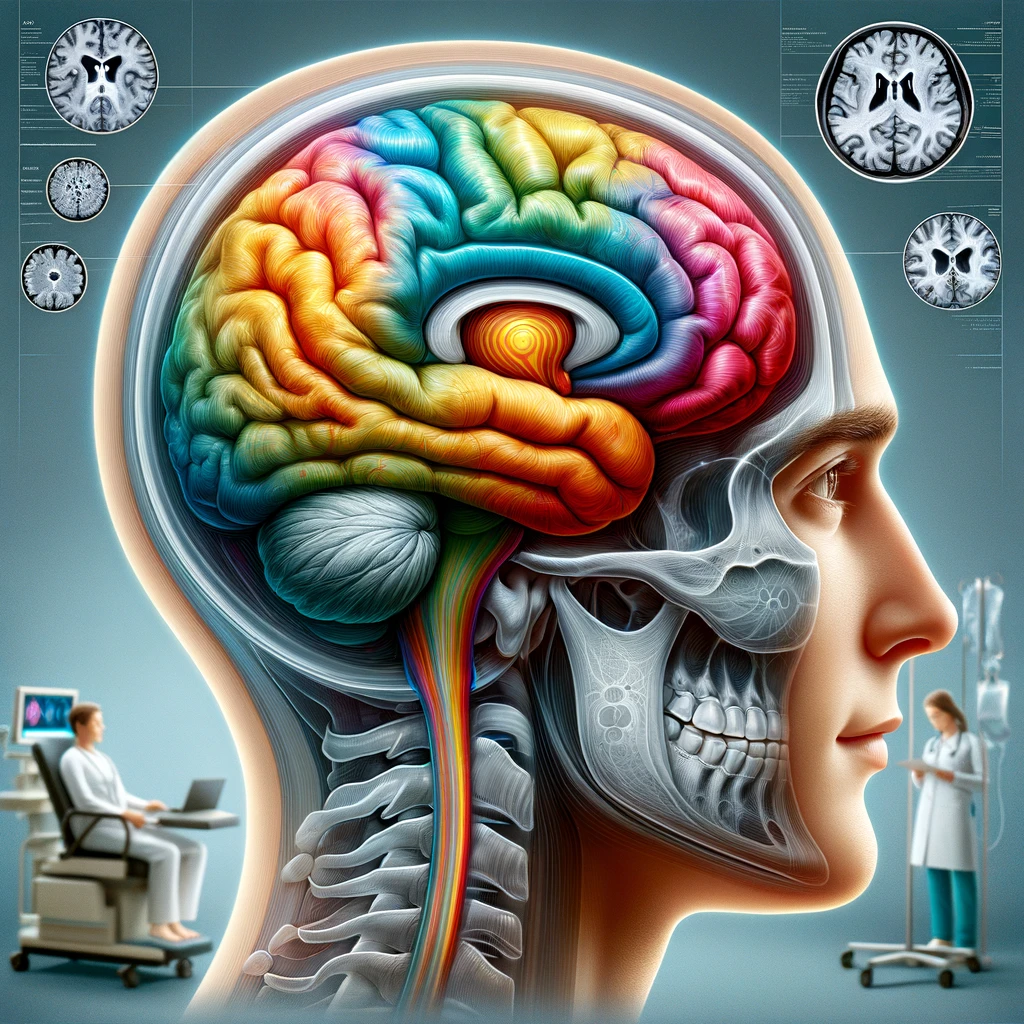
Incorporating FND into the neurology curriculum requires an understanding of recent advances in neuroimaging, neurophysiology, and cognitive neuroscience, which have contributed to a more nuanced understanding of FND’s pathophysiology. Functional imaging studies, for example, have demonstrated altered brain activity patterns during symptomatic episodes, supporting the interpretation of FND as a disorder of brain function rather than structure. These insights should be conveyed to trainees to demystify the diagnosis and validate patient experiences through a neurobiologically informed lens.
Moreover, recognising the importance of a positive diagnosis of FND—based on specific examination signs and patterns rather than exclusion—is essential in building diagnostic confidence among physicians in training. Teaching neurology residents to identify signs such as Hoover’s sign or entrainment of tremor, along with appropriate communication strategies, can improve patient trust and engagement, leading to better clinical outcomes.
Understanding the sociocultural and stigma-related aspects surrounding FND is equally necessary. Medical learners must appreciate how historic mislabelling of these conditions as ‘hysterical’ or attention-seeking has contributed to patient mistrust and systemic gaps in care. By instilling a modern, empathetic, and evidence-based view of FND within the residency curriculum, educators can help reconstruct more effective and humanitarian paradigms of care.
Current approaches to FND education
Current educational approaches to functional neurological disorder in neurology residency programmes vary widely between institutions, often reflecting historical ambivalence toward the condition rather than its clinical prevalence or complexity. In many training settings, FND remains underemphasised, with minimal structured teaching dedicated to its diagnosis or management. When it is addressed, it is frequently integrated informally into broader discussions of movement disorders, epilepsy, or psychosomatic medicine, rather than being offered as a focused and deliberate component of the residency curriculum.
Where formal instruction is implemented, it typically includes a combination of didactic lectures, case-based discussions, and in some programmes, supervised clinical experiences in multidisciplinary clinics. Didactic content may cover the diagnostic criteria of FND, including positive signs and the avoidance of framing diagnoses by exclusion, as well as the role of psychological and social factors in the presentation of symptoms. However, these sessions are often optional or poorly resourced, limiting their impact on residents’ diagnostic confidence and clinical competence.
Some neurology residency programmes are beginning to incorporate FND more progressively into their medical training models. For example, a few institutions have introduced clinical attachments with neuropsychiatry services or interdisciplinary functional disorders clinics where residents can observe integrated care approaches and gain hands-on experience in managing complex FND cases. In these settings, residents can learn the nuances of communication, explore therapeutic techniques such as explanation of diagnosis, physiotherapy, or cognitive behavioural therapy, and engage in multidisciplinary teamwork involving neurologists, psychologists, physiotherapists, and occupational therapists.
Simulation-based learning and role-play exercises are also emerging as valuable tools in FND education. These methods offer residents a safe space to practise the delicate communication skills required when delivering a diagnosis that patients may find confusing or invalidating. Such training supports the development of empathy and equips trainees with strategies to establish therapeutic alliances, which are critical to long-term engagement and recovery in FND cases.
In addition, access to high-quality online modules, webinars, and journal clubs focusing on recent FND research is improving, providing supplementary resources to enhance in-person learning. These digital tools can be especially beneficial in institutions where in-house expertise on FND is limited. They may also foster a more global dialogue in the medical community, helping standardise educational content and promote best practices across different training sites.
Nonetheless, these developments are not widespread, and the comprehensive integration of FND into the neurology residency curriculum remains inconsistent. Despite the increasing body of evidence and advocacy for improved FND education, many programmes still lack designated faculty champions or curriculum leads to sustain and develop relevant teaching modules. As such, while some trainees emerge well-equipped to manage FND patients with confidence and compassion, many still feel ill-prepared upon entering independent practice.
Challenges in teaching FND
Teaching functional neurological disorder within neurology residency presents several notable challenges that impede consistent and effective instruction. A fundamental difficulty lies in the historical and ongoing stigma attached to FND, which often skews clinical perceptions and affects the enthusiasm with which it is taught. Because FND lacks an identifiable structural pathology and has traditionally been seen as outside the realm of ‘true’ neurology, some educators and trainees still question its legitimacy within medical training. This attitude contributes to inconsistent representation of FND within the curriculum and undermines efforts to instil evidence-based understanding among residents.
Another major challenge is the complexity of the biopsychosocial model underpinning FND, which diverges from the predominantly biomedical approach used in most neurology teaching. Many residents are trained to seek structural or biochemical explanations for symptoms, and may initially struggle to conceptualise disorders driven by abnormal functioning rather than damage. This paradigm shift requires a nuanced comprehension of brain-behaviour relationships and the dynamic interaction between psychological and neurological factors—concepts that are seldom thoroughly covered in undergraduate or early postgraduate medical training.
The variability of faculty expertise in FND across training institutions further complicates education efforts. While some academic centres benefit from clinicians with specialised knowledge in functional disorders, many residency programmes lack faculty who are confident or adequately trained to teach the subject. This gap can lead to didactic content that is outdated or dismissive, and insufficient clinical supervision during FND encounters. Without positive modelling by senior clinicians, residents may learn to avoid or mismanage these patients, perpetuating clinical disengagement and poor patient outcomes.
Diagnostic uncertainty also poses a barrier. Because FND encompasses a broad spectrum of motor and sensory symptoms, often mimicking other neurological diseases, residents frequently report low confidence in making definitive diagnoses. Even when taught about positive signs, such as Hoover’s sign or functional tremor characteristics, applying these consistently in real-world practice is daunting without sufficient supervised exposure. This hesitancy is compounded by a fear of missing underlying organic pathology, leading residents to over-refer, over-investigate, or avoid diagnosis altogether.
Communication with FND patients is another area where residents often feel underprepared. Delivering the diagnosis in a way that validates the patient’s experience while avoiding implication of malingering requires carefully developed skills. These skills are not always emphasised in standard curriculum modules, and opportunities for observing or practising such conversations under guidance can be limited. As a result, residents may rely on vague explanations or avoid difficult discussions, which can adversely impact patient trust and adherence.
Time constraints within the residency schedule also limit comprehensive FND education. Trainees often prioritise conditions perceived as more acute, life-threatening, or examinable. In this context, dedicating sufficient time to study and reflect on the subtleties of FND may not seem feasible. Given the dense workload of residency, programme directors may also find it challenging to allocate protected time for in-depth teaching or clinical placements focused on FND management.
The limited integration of interdisciplinary perspectives in neurology training diminishes residents’ ability to appreciate the full scope of FND management. While physiotherapy, psychology, and occupational therapy play integral roles in treatment, exposure to these disciplines during neurology residency is frequently insufficient. Without active engagement in multidisciplinary teams, residents miss the opportunity to observe collaborative care models that have been shown to improve patient outcomes in FND.
Strategies for effective FND training
Developing effective training strategies on functional neurological disorder (FND) within neurology residency programmes requires a deliberate and multifaceted approach that embeds the condition throughout the educational journey. One foundational strategy is the integration of FND teaching longitudinally across the residency curriculum rather than limiting it to isolated sessions. This offers residents repeated, reinforced exposure to the varied presentations of FND, enhancing both recognition and clinical confidence. Embedding FND cases into general neurology teaching sessions—such as those covering movement disorders, seizures, and gait disturbances—normalises its presence in clinical neurology and underlines its importance.
Dedicated clinical rotations within multidisciplinary FND clinics can provide residents with the hands-on experience and real-world context vital for meaningful learning. These placements offer opportunities to engage with patients under the supervision of experienced clinicians who model effective diagnostic techniques and communication strategies. Observing or participating in patient consultations where FND diagnoses are delivered allows trainees to witness best practices in language use, setting patient expectations, and explaining the condition using accessible, non-stigmatising terminology. Participation in subsequent management planning alongside physiotherapists, psychologists, and occupational therapists serves to reinforce a collaborative and holistic model of care.
Simulation-based learning has grown to play a pivotal role in preparing residents for the complexities of diagnosing and explaining FND. Role-playing exercises that mimic real consultations foster improved communication skills, providing a safe environment where trainees can make mistakes, receive feedback, and refine their approach. Scenarios can include delivering a diagnosis to a patient resistant to psychosocial explanations or dealing with a family member who demands further invasive testing. These emotionally nuanced situations are common in FND and are best addressed through experiential learning rather than theoretical instruction alone.
Curriculum designers should ensure that FND content includes current research findings, particularly those related to neurobiological underpinnings and functional imaging. Incorporating these insights helps dismantle outdated dualism between “real” and “psychological” illness, offering residents a solid scientific framework for understanding FND. Including recent evidence in teaching materials can also reinforce the legitimacy of FND as a core topic in medical training and reduce residual scepticism among learners. Exposure to landmark studies, review articles, and practical guidelines enables trainees to engage critically with the literature and apply evidence-based strategies to clinical practice.
Mentorship is another key component in effective FND training. Appointing curriculum leads or FND champions within neurology departments can ensure consistent, high-quality education. These individuals can serve as points of reference for residents, support case discussions, and facilitate reflective learning after challenging FND encounters. Mentorship also plays a role in fostering professional identity formation, as trainees see FND not as an undesirable or marginal aspect of neurology, but as a legitimate and intellectually stimulating area of expertise.
To further support curricular development, institutions can collaborate with national or international FND working groups to access standardised teaching resources, case libraries, and assessment tools. Virtual teaching modules, online courses, and recorded seminars from expert clinicians can be incorporated into local residency programmes to augment in-house teaching. These platforms are particularly valuable for institutions without dedicated FND clinics or neuropsychiatry services, levelling educational opportunities and promoting best practice sharing across programmes.
Assessment of FND competencies should also be formally embedded within the residency curriculum. Objective structured clinical examinations (OSCEs), reflective essays, and multisource feedback from supervisors and allied health professionals can be used to evaluate both the diagnostic and therapeutic aspects of FND care. Including FND cases in written or oral neurology board examinations may further incentivise residents and faculty to take this area of training seriously and invest the appropriate time and resources into its mastery.
Fostering a culture of openness and curiosity among residents is an essential yet often overlooked strategy. Creating space within clinical meetings and teaching sessions to discuss diagnostic uncertainty, emotional responses to challenging cases, and evolving perceptions of FND can reduce stigma and normalise trainee discomfort. As residents encounter FND more frequently and gain structured support in its assessment and management, they are more likely to develop confidence, deliver compassionate care, and become advocates for better integration of FND teaching within medical education.
Assessing outcomes and future directions
Evaluating the effectiveness of FND education in neurology residency programmes is essential for ensuring that training approaches translate into improved clinical skills and patient care. Assessment methodologies can range from traditional knowledge-based evaluations to more complex, behaviourally anchored assessments of communication and diagnostic acumen. Formal inclusion of FND in neurology board examinations and objective structured clinical examinations (OSCEs) can help standardise expectations and reinforce its status within the curriculum. Observational assessments during supervised clinical encounters offer direct insight into how residents apply theoretical knowledge, identify positive signs, and communicate the diagnosis to patients.
Feedback from patients involved in FND teaching sessions or seen during routine clinical care can be a valuable tool for evaluating residents’ effectiveness in delivering compassionate and clear explanations. Incorporating patient-reported measures of understanding and satisfaction can help educators identify gaps in trainee communication skills and tailor educational interventions accordingly. Additionally, collecting reflective writing from residents after FND encounters encourages self-assessment and promotes deeper engagement with the psychosocial complexity inherent in these cases.
Longitudinal tracking of residents’ clinical confidence and competence in managing FND can provide vital outcome data. Pre- and post-rotation surveys, skill checklists, and review of management plans help monitor progress and the lasting impact of curricular exposure. Collaboration with alumni of residency programmes to assess preparedness and performance in real-world settings can further inform curricular adjustments. These feedback loops are critical in determining whether educational experiences during training prepare neurologists adequately for the frequency and complexity of FND cases encountered in practice.
Looking ahead, future directions for FND education in neurology should move toward a nationally harmonised integration of competencies into residency curricula. The development of consensus-based learning objectives specifically addressing FND could guide institutions in curriculum design and highlight essential knowledge, skills, and attitudes. Ensuring that all residents achieve competency in positive diagnosis, biopsychosocial reasoning, and patient-centred communication strategies would reduce variability in practice and promote consistent, high-quality care across healthcare systems.
Another promising future direction is enhanced interdisciplinary collaboration during residency. Increasing structured opportunities for residents to work alongside psychotherapists, physiotherapists, and occupational therapists would mirror the multidisciplinary approach recommended for FND patients. These experiences could be supported by interprofessional workshops or shared teaching modules, helping to foster mutual respect between disciplines and a more unified understanding of the condition.
Technology can also play a central role in advancing FND education. The expansion of high-quality, interactive e-learning platforms allows for flexible, self-directed learning that complements clinical rotations. Gamified learning modules, virtual patient simulations, and decision-making tools can enhance engagement and aid retention. Incorporating artificial intelligence-driven analytics to provide personalised feedback on diagnostic reasoning and communication techniques represents an innovative frontier in medical training.
To ensure sustainability and continued advancement, programmes must invest in faculty development. Equipping educators with up-to-date knowledge, practical teaching strategies, and confidence in addressing FND is imperative for delivering high-quality education. Establishing communities of practice around FND teaching and hosting regular faculty development workshops can build institutional expertise and foster innovation in curriculum delivery.
Ultimately, measuring the impact of FND training on patient outcomes—such as accuracy of diagnosis, reduction of unnecessary investigations, and improvements in symptom management—will be key in justifying educational investments. By aligning educational goals with measurable clinical benefits, residency training programmes can advocate for the ongoing evolution of FND education as a vital element of neurology curricula.