
- Understanding functional neurological disorder
- Personal perspectives: living with FND
- Breaking stigma through storytelling
- The role of media in shaping public perception
- Building empathy and awareness through narratives
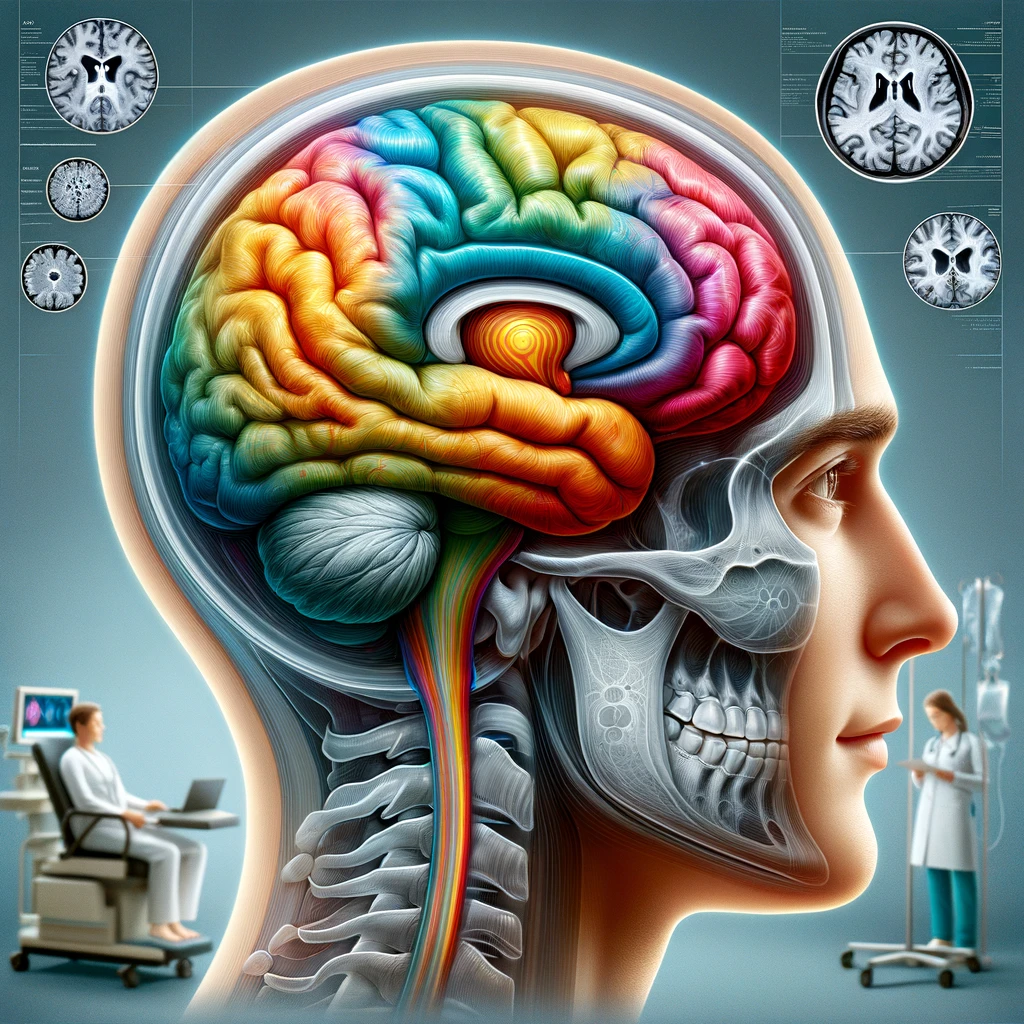
Functional neurological disorder (FND) is a condition where individuals experience neurological symptoms that are not caused by structural damage or disease to the nervous system, but rather stem from a problem in how the nervous system is functioning. These symptoms can include seizures, limb weakness, movement disorders, speech difficulties, and sensory disturbances. FND lies at the intersection of neurology and psychiatry, making it a complex and often misunderstood diagnosis.
Unlike many neurological conditions which can be confirmed through brain scans or laboratory tests, FND is diagnosed through clinical assessment, often using positive signs that indicate dysfunction in nervous system operation rather than damage. Despite this, the symptoms experienced by people with FND are very real, disabling, and distressing. They are not imagined or deliberately produced, although this is a common misconception that contributes to stigma.
Understanding FND requires awareness of how the brain and body connect—how psychological and physiological processes can influence one another. Functional symptoms can arise after a physical injury, emotional trauma, or intense stress, though in some cases there is no identifiable trigger. Importantly, advances in neuroscientific research continue to support the biological basis of FND, challenging outdated views that dismiss the condition as purely psychological.
Clinicians increasingly acknowledge the importance of educating patients and the public about FND using real stories and lived experiences. Incorporating patient narratives into discussions about FND not only helps correct myths but also fosters empathy and a more accurate understanding of the disorder. Empowering individuals by validating their symptoms and supporting early diagnosis and treatment can lead to better outcomes and form a vital part of holistic care.
Personal perspectives: living with FND
Living with FND can be an unpredictable and exhausting experience. For many individuals, everyday tasks become monumental challenges due to symptoms like tremors, sudden weakness, or episodes resembling seizures. These symptoms often appear without warning, making it difficult to plan daily activities, hold steady employment, or maintain social engagements. A common theme in patient accounts is the profound uncertainty they face, not knowing when their condition will flare or how others will react to it.
Real stories from people with FND reveal the emotional toll that misdiagnosis or dismissal can take. Many recall being told their symptoms were “all in their head” or being bounced between medical professionals without answers. Others recount long struggles to find a healthcare provider who recognised the legitimacy of their condition. These experiences exacerbate feelings of isolation and can delay access to effective treatment, contributing to a cycle of frustration, anxiety, and despair.
Despite these challenges, there is a growing community of individuals who are bravely sharing their experiences to foster empathy and awareness. Through blogs, videos, podcasts, and community talks, they offer nuanced insights into what it means to live with FND. Their voices are not only therapeutic for themselves but also serve as a lifeline for newly diagnosed patients who feel lost or overwhelmed. These narratives counter misinformation and help build a supportive, informed public view.
Managing FND often requires a multidisciplinary approach that may involve neurologists, physiotherapists, psychologists, and occupational therapists. However, even with the right healthcare support, lived experience plays a critical role. Each person’s journey is unique, and sharing these individual paths through real stories allows others to understand the invisible burdens carried by those with FND. It also reinforces the need for a patient-centred approach that considers emotional wellbeing as deeply interconnected with physical symptoms.
Breaking stigma through storytelling
Stigma surrounding functional neurological disorder is persistent, often rooted in a lack of understanding and outdated perceptions that fail to recognise the legitimacy of the condition. One of the most powerful tools in challenging this stigma is storytelling—particularly the sharing of real stories from those living with FND. These narratives do more than illuminate symptoms; they expose the reality of enduring disbelief, navigating inadequate care, and coping with daily unpredictability.
Sharing real stories transforms abstract medical language into human experiences that resonate with diverse audiences. When individuals with FND speak openly about their symptoms, diagnosis, and treatment journeys, they dismantle assumptions that the disorder is fabricated or purely psychological. Their voices help reposition FND as a valid medical condition requiring support, understanding, and respect. This act of storytelling humanises the condition, creating space for empathy where judgement might previously have thrived.
For many living with FND, storytelling becomes an act of advocacy. It is a way to reclaim their narratives and foster awareness within their communities. Whether through local talks, social media platforms, or collaborating with organisations, they actively contribute to educating the public and health professionals alike. These efforts ensure that future patients may face less scepticism and find more informed care quicker. The stories serve as both shield and bridge: shielding from isolation and bridging the gap between experience and public perception.
Crucially, storytelling not only benefits the audience but also provides therapeutic value for the storyteller. Putting one’s experience into words can reinforce self-understanding and promote recovery. It also invites solidarity—others with FND often find comfort and recognition in these shared experiences, reducing the loneliness that can accompany a misunderstood diagnosis. Through the exchange of personal insights, a collective narrative of resilience and hope emerges, further breaking down stigma.
The role of media in shaping public perception
The media plays a central role in shaping how the general public perceives functional neurological disorder. Historically, health conditions that are poorly understood, such as FND, have often been misrepresented or sensationalised in television, films, and news coverage. This has contributed to misconceptions, trivialisation, and even ridicule, reinforcing stigma and feeding into societal narratives that dismiss the condition as exaggerated or fabricated. However, as discussions around mental health and invisible illnesses gain more visibility, there is an increasingly important opportunity—and responsibility—for the media to offer a more accurate and compassionate portrayal of FND.
One effective way the media can reshape public attitudes is by incorporating real stories from individuals living with FND into their content. Documentaries, interviews, and feature articles that centre patient experiences bring authenticity and urgency to the conversation by showing the human side of the condition. These accounts foster empathy and awareness, helping viewers and readers relate to the individual behind the diagnosis. Instead of portraying FND as a medical curiosity or mystery, such stories normalise the condition and emphasise its legitimacy and impact on daily life.
Positive media representation also has practical consequences. When FND is portrayed with integrity and depth, it can influence how audiences interact with those affected. Teachers, employers, colleagues, and even healthcare professionals may become more informed and accommodating. Moreover, it can encourage individuals experiencing symptoms to seek help without fear of being dismissed or misunderstood. News outlets and content creators wield a powerful tool for education and social change—one that can either exacerbate misconceptions or help them unravel through truthful storytelling.
Social media, in particular, has created a more democratic space where individuals with FND can share their experiences without needing traditional media gatekeepers. Platforms like YouTube, Instagram, and TikTok are filled with real stories, personal accounts, and informative content aimed at fostering empathy and awareness. This user-driven content often reaches audiences that mainstream media might miss and allows people with FND to control their narrative, encouraging authenticity and community engagement.
Media organisations that commit to responsible reporting and storytelling play a critical role in challenging outdated narratives and advancing understanding. Training for journalists and producers on how to cover conditions like FND ethically and accurately can further enhance the quality and impact of media messaging. By prioritising lived experience and steering clear of sensationalism, the media can contribute to dismantling stigma and building a more inclusive and informed society.
Building empathy and awareness through narratives
Sharing real stories about life with FND plays a pivotal role in cultivating empathy and raising public awareness. When individuals speak candidly about their daily experiences—the unpredictability of symptoms, the emotional strain of medical appointments, the frustration of being misunderstood—the abstract becomes tangible. These narratives offer a window into the lived reality of the condition, allowing others to appreciate the resilience required to navigate such an invisible disorder. Hearing directly from those affected can shift perceptions more effectively than statistics or clinical descriptions alone, fostering a deeper emotional connection and understanding.
Empathy begins to grow when people can relate to someone’s experience, even if they’ve never encountered the condition themselves. First-hand accounts bring the unique challenges of FND into focus—like dealing with sudden mobility issues, coping with memory lapses, or facing scepticism from employers and family. By illustrating personal encounters in relatable terms, these narratives help dismantle the disconnect between individual suffering and public acceptance. They show the humanity behind the diagnosis and counteract the misconception that FND is somehow less legitimate or not deserving of attention and resources.
Building awareness through storytelling also empowers those living with FND. When their voices are amplified, it validates their journey and contributes to a growing chorus of understanding. Importantly, these narratives reach beyond sympathy; they challenge assumptions, educate listeners, and create opportunities for meaningful conversations. Schools, workplaces, and healthcare settings can all benefit from hearing these stories, as they inspire more inclusive practices and compassionate responses.
Furthermore, integrating real stories into healthcare training and public education campaigns can lead to systemic change. By including patient narratives in teaching materials and medical education, trainees gain not only clinical knowledge but also insight into the psychological and social dimensions of FND. This fosters a more holistic approach to treatment and encourages professionals to respond with sensitivity and respect. Meanwhile, broader awareness initiatives that spotlight real experiences challenge societal indifference and promote early diagnosis and intervention.
At their core, these narratives underscore a simple truth: everyone deserves to be heard, believed, and supported. Through storytelling, the veil of misunderstanding surrounding FND begins to lift, revealing not just the struggles but also the strength of those who live with it. In this exchange, empathy is not just felt—it is translated into action, advocacy, and a more just and informed society.