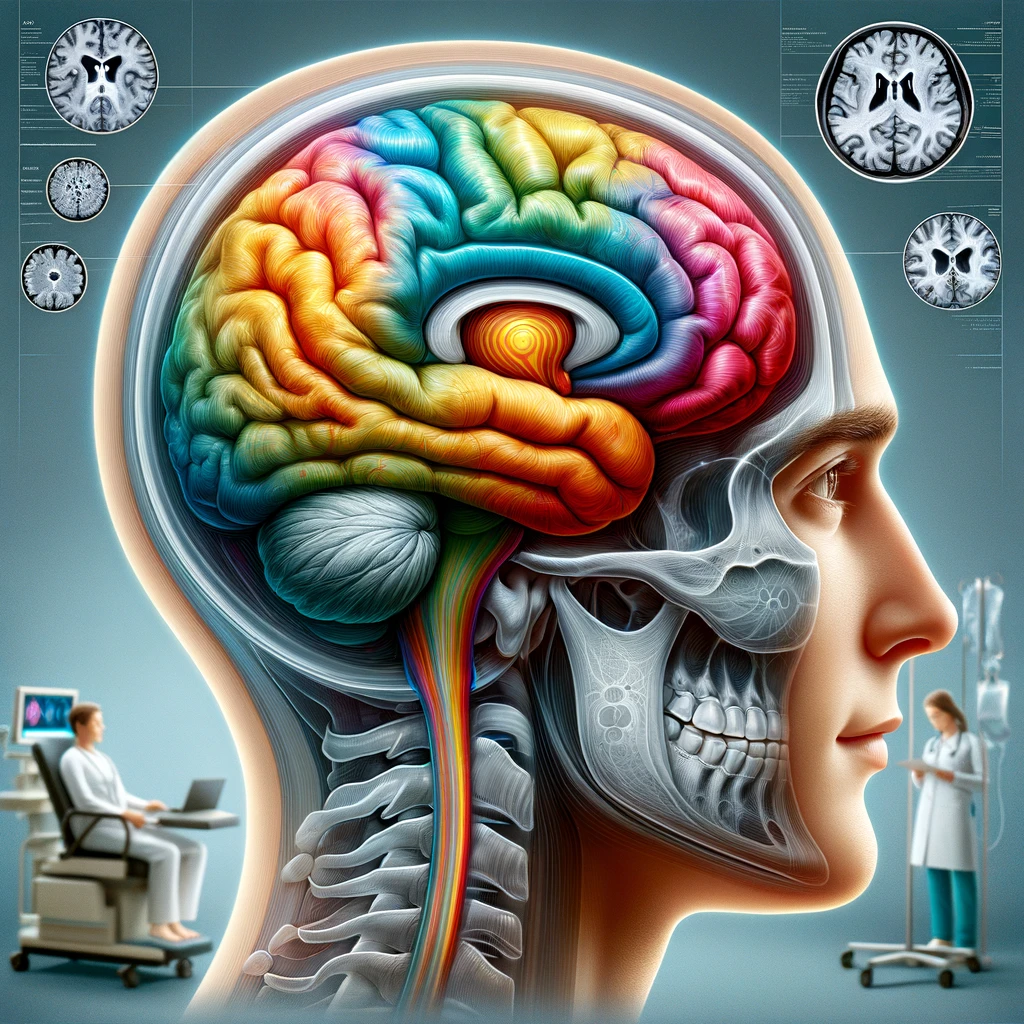

- Understanding functional neurological disorder
- Psychological factors and emotional stressors
- Social influences on symptom development
- Impacts on daily life and relationships
- Approaches to holistic treatment and support
Functional neurological disorder (FND) is a condition characterised by neurological symptoms that affect movement, sensation, or cognitive functioning, but are not explained by structural damage to the brain, such as that caused by stroke or multiple sclerosis. These symptoms are very real and can be as disabling as those found in other neurological conditions, yet the underlying mechanisms involve a complex interplay between brain function and psychological processes. Importantly, FND symptoms are not consciously produced, and the person experiencing them is not in control of their onset or progression.
The diagnosis of FND has gained increased recognition in both clinical practice and academic research in recent years, helping to bridge the gap between neurology and psychiatry. Despite this, public understanding of the disorder remains limited, often leading to stigma or misconceptions. Many individuals with FND face suspicion or misunderstanding from others, including healthcare professionals, which can significantly impact their access to appropriate care and support.
Symptoms of FND vary widely and may include limb weakness, tremors, seizures that are not caused by epilepsy (non-epileptic attacks), speech difficulties, and problems with balance or coordination. These symptoms can fluctuate over time and are often exacerbated by stress, fatigue, or emotional distress. Because the symptoms are functional rather than structural, standard neurological investigations like MRIs or EEGs typically appear normal or inconclusive.
Understanding FND requires moving beyond the false dichotomy between physical and mental health. It reflects disturbances in how the brain processes information, particularly in relation to attention, expectations, and emotions. Neuroimaging studies have shown abnormal patterns of brain activity in individuals with FND, particularly in regions involved in emotion regulation and motor control. This supports the view that FND is a disorder of brain function, not of structure, challenging outdated notions that such symptoms are “all in the mind.”
Accurate diagnosis is key to helping individuals with FND begin a path to recovery. Clinicians use detailed history taking and positive clinical signs to distinguish FND from other neurological conditions. Significantly, a diagnosis of FND is not solely one of exclusion but often based on specific signs, such as variability in symptoms and inconsistency with recognised neurological patterns. Recognising the legitimacy of FND as a diagnosis is crucial in validating patients’ experiences and directing them towards effective, multidisciplinary treatment strategies.
Psychological factors and emotional stressors
Psychological factors and emotional stressors play a significant role in the onset and perpetuation of symptoms in individuals with FND. While the condition is not the result of conscious control or malingering, research has shown that overwhelming emotional experiences, unresolved psychological conflicts, and chronic stress can contribute to the development of functional symptoms. These emotional stressors may act as triggers that alter normal patterns of brain activity, leading to disruptions in motor or sensory function.
In many cases, individuals with FND have a history of trauma, such as childhood abuse, neglect, or significant emotional loss. However, it is important to note that not all individuals with the disorder report past trauma, and symptoms can emerge in the absence of any identifiable psychological event. Rather than relying solely on a trauma-focused narrative, modern understanding appreciates that a wide range of mental health factors—including anxiety, depression, dissociation, and maladaptive coping styles—can play a role in shaping neurological manifestations.
There is growing evidence that emotional dysregulation and the inability to integrate or express intense emotions effectively may underlie some of the symptomatology in FND. Difficulty recognising and managing emotions, sometimes referred to as alexithymia, has been observed in a substantial proportion of those diagnosed with the condition. In such cases, physical symptoms may inadvertently become a mode of expressing psychological distress that cannot be articulated in other ways.
The brain’s mechanisms for processing stress and emotion are closely linked with those that regulate voluntary movement and sensation. Neuroimaging studies have revealed functional disturbances in brain regions such as the amygdala, insula, and prefrontal cortex—areas involved in emotional processing and regulation—in people with FND. These findings strengthen the understanding that psychological states can influence physical function at a neurological level, further challenging outdated perspectives that dismiss symptoms as unreal or fabricated.
Public understanding of the psychological underpinnings of FND remains limited, which can contribute to stigma and affect how symptoms are perceived, both by others and by those experiencing them. Misconceptions about the role of emotions and mental health in neurological symptoms often lead to feelings of shame, invalidation, or reluctance to seek treatment. Addressing these misunderstandings through education, awareness, and compassionate clinical communication is essential for improving outcomes and supporting recovery.
Social influences on symptom development
Social context significantly shapes the manifestation and progression of functional neurological disorder (FND) symptoms, influencing both their expression and the experiences of those who live with them. Individuals with FND exist within a fabric of social relationships, roles, and expectations, and these dynamics can deeply affect how symptoms develop and are maintained. For example, interpersonal relationships, familial roles, and workplace environments can all interact with internal psychological and neurological processes, potentially reinforcing symptoms or complicating recovery.
Negative social experiences, such as bullying, interpersonal violence, or emotionally invalidating environments, may contribute to underlying vulnerabilities in individuals predisposed to FND. A lack of emotional support or inconsistent caregiving during formative years may impair the development of effective emotion regulation skills, which are crucial in managing stressors that could otherwise trigger or exacerbate functional symptoms. In contrast, stable, affirming relationships may provide protective effects that help buffer the impact of adverse experiences or psychological distress linked to the disorder.
Social roles and expectations also play a subtle but profound role in how FND presents. Societal norms related to gender, ethnicity, and socioeconomic status can influence how symptoms are expressed and how individuals seek or receive care. For instance, expectations for emotional stoicism or self-reliance may discourage people from acknowledging emotional struggles, pushing internal conflict to manifest physically. Similarly, rigid cultural beliefs about illness or mental health can shape how symptoms are interpreted—both by the person affected and by those around them—potentially delaying diagnosis or appropriate interventions.
Misperceptions and societal stigma surrounding FND and mental health continue to contribute to the challenges individuals face. Public understanding often falls short, with some perceiving the symptoms as exaggerated or fabricated, particularly given the inconclusive results from standard diagnostic tests. This lack of awareness can lead to marginalisation in social settings and scepticism from employers, educators, or even family members, further compounding feelings of isolation or helplessness. In some cases, symptoms may unintentionally become a means of securing validation, attention, or care that the individual perceives as inaccessible otherwise—a dynamic that is not manipulative but reflects complex interpersonal and psychological needs.
The healthcare system, as a component of the broader social environment, can also influence a patient’s experience. Interactions with healthcare professionals—whether validating or dismissive—can shape a patient’s beliefs about their illness and impact the trajectory of their symptoms. A compassionate, informed approach fosters help-seeking and trust, whereas invalidating encounters may contribute to symptom persistence or regression.
Social media and digital communication platforms introduce a modern dimension to social influence, offering both positive communities of peer support and opportunities for misinformation. While online spaces can empower individuals by connecting them with others facing similar challenges, they can also perpetuate myths about FND and reinforce unhelpful illness beliefs. Balancing these influences with evidence-based guidance and social support is critical in promoting healthy coping and engagement with appropriate treatment pathways.
Impacts on daily life and relationships
Living with FND can lead to profound disruptions in many aspects of daily life, often affecting a person’s independence, routines, and social connectivity. Fluctuating symptoms such as motor disturbances, fatigue, speech or cognitive impairments, and non-epileptic seizures can make even routine tasks unpredictable and exhausting. In turn, this unpredictability may cause individuals to withdraw from activities they once enjoyed, further reinforcing a cycle of inactivity and social isolation. This reduced participation in daily life can significantly impact an individual’s identity and sense of purpose.
Employment is one domain where the challenges of FND are particularly evident. Many individuals experience job loss or are unable to maintain consistent work due to the variability and severity of their symptoms. This not only influences financial stability but can also affect self-esteem and social interaction. Attempts to return to work are often complicated by misunderstandings around the condition, as public understanding of FND remains limited. Employers may struggle to provide appropriate accommodations, and workplace stigma around both mental health and invisible disabilities can lead to a lack of support or even discrimination.
Personal relationships, both within families and among friends, are also commonly affected by FND. Carers and loved ones may find it difficult to understand the condition, especially when symptoms are inconsistent in nature or lack clinical clarity through standard tests. This can lead to frustrations, strain, and breakdowns in communication. In some cases, the emotional burden on family members and partners can result in caregiver stress or emotional burnout. Conversely, positive and supportive relationships have been shown to enhance resilience, improve symptom management, and foster more adaptive coping mechanisms.
Romantic relationships may be especially vulnerable, as physical limitations and emotional strain can affect intimacy, communication, and long-term planning. Navigating the changing dynamics of dependency—particularly when one partner becomes a primary carer—can require significant emotional adjustment from both individuals, often without external guidance or mental health support. Social withdrawal may further limit opportunities to form new relationships or sustain existing friendships, particularly if individuals are embarrassed by their symptoms or face scepticism from their peers.
The mental health aspect of living with FND cannot be overstated. The daily uncertainty, combined with the societal disbelief and the emotional toll of living in a misunderstood condition, can lead to increased levels of anxiety, depression, and feelings of hopelessness. Many patients report feeling invalidated not only by friends and family, but also by healthcare professionals, adding to their emotional distress. Access to psychological support, counselling, or peer support groups can be a vital lifeline in navigating the emotional consequences of altered life circumstances.
Education and broader public understanding play a crucial role in reducing stigma and improving the lived experience of those with FND. Increasing awareness about the reality of the condition and promoting accurate information can help reshape societal expectations and reduce the isolation that many people with FND endure. When individuals receive understanding and validation from others, they are more likely to engage with treatment and regain a sense of agency in their daily lives.
Approaches to holistic treatment and support
A truly holistic approach to treating functional neurological disorder (FND) involves addressing the biological, psychological, and social components of the condition simultaneously. Instead of focusing solely on symptom management or isolated interventions, holistic treatment seeks to engage patients in a personalised and multidimensional care plan that includes physical rehabilitation, psychological support, and social reintegration. This approach acknowledges that FND arises from complex interactions between brain function, emotions, mental health, and environmental factors.
One of the foundations of a successful holistic treatment plan is the collaborative engagement of a multidisciplinary team. This team may include neurologists, physiotherapists, occupational therapists, psychologists, psychiatrists, and social workers. Each professional brings a unique perspective, ensuring that all aspects of the patient’s condition are explored and managed. For example, physiotherapists focus on retraining movement and addressing functional motor symptoms through evidence-based techniques that encourage normal movement patterns and reduce maladaptive behaviours. Similarly, occupational therapists help individuals re-engage in daily activities and develop tailored strategies to navigate tasks that have become challenging or distressing.
Psychological therapy is often a central component of holistic care, particularly when emotional stressors or unresolved trauma are implicated in the development or maintenance of FND symptoms. Cognitive behavioural therapy (CBT), mindfulness-based interventions, and approaches focused on emotional awareness and expression can be effective in helping patients understand and regulate their emotions, develop adaptive coping strategies, and challenge unhelpful illness beliefs. These interventions can also address co-occurring mental health conditions such as anxiety, depression, or post-traumatic stress, which frequently intersect with FND and exacerbate functional symptoms.
Effective communication between patient and clinician is critical throughout the treatment process. Establishing a therapeutic alliance built on empathy, transparency, and validation helps foster trust and encourages active participation in care. It is essential that patients feel their symptoms are taken seriously and understood within the context of FND, rather than dismissed as imagined or solely psychological. Providing clear explanations about the condition, including how emotions and brain function interact to produce symptoms, enhances public understanding and supports patient confidence in the recommended treatment plan.
Social support also plays a pivotal role in recovery. Facilitating family involvement, educating carers, and connecting patients with peer communities can create a network of empathy and shared experience, which helps to combat loneliness and stigma. Carer support programmes and group therapy sessions offer safe environments for exploring the challenges of living with FND and developing new ways of coping. Moreover, support with employment, education, or social services through case management can help patients rebuild meaningful routines and regain autonomy.
The use of psychoeducation—offering patients and their families accessible, accurate information about FND—is instrumental in shaping realistic expectations and promoting adherence to treatment. Psychoeducational efforts should not only clarify the nature of the disorder but also empower patients to take an active role in their recovery, fostering a sense of agency. By improving public understanding and reducing misconceptions about FND and mental health, such initiatives can also promote a more compassionate and inclusive societal response to people living with the condition.
Technological innovations are increasingly being integrated into holistic care for FND. Telehealth services, mobile apps for symptom tracking, and online psychotherapy platforms allow for consistent, flexible access to treatment, particularly for individuals in remote or underserved areas. These tools also help maintain continuity of care, reduce feelings of disconnection, and support long-term engagement with therapeutic goals.
A holistic approach to treating FND acknowledges that recovery is rarely linear and requires ongoing adaptation and support. Success is often measured not just by symptom reduction, but by improved quality of life, emotional wellbeing, and social participation. Embedding the principles of compassion, multidisciplinary collaboration, and psychological understanding into all levels of care ensures that those with FND receive not only appropriate clinical treatment but also the validation and support necessary for sustainable recovery.