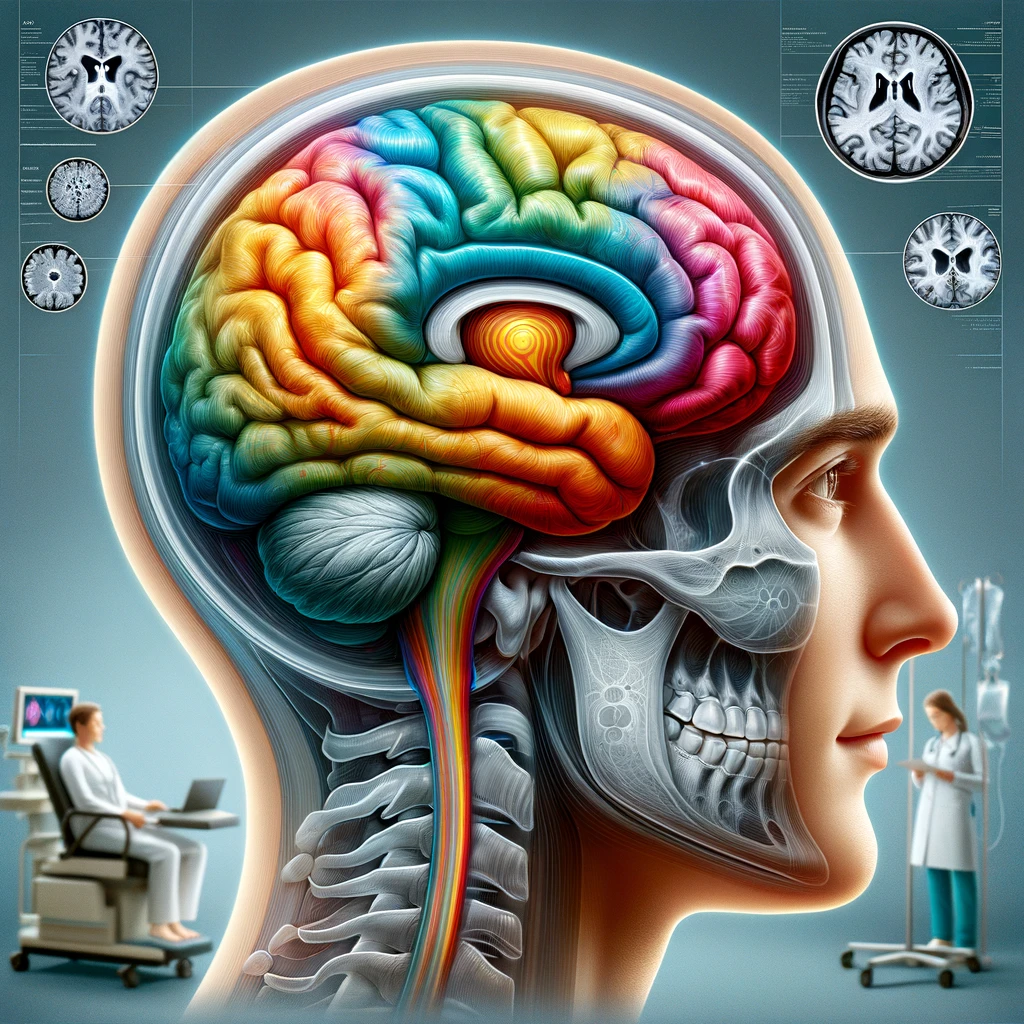

- Understanding functional neurological disorder (FND)
- Current challenges in FND recognition
- Strategic public health interventions
- Educational programmes and resources
- Evaluating the impact of awareness initiatives
Functional neurological disorder (FND) is characterised by neurological symptoms that cannot be explained by traditional medical conditions and are thought to arise from problems in how the brain and body communicate. These symptoms can mimic other neurological conditions like epilepsy or stroke, making diagnosis particularly challenging. Common manifestations include seizures, weakness, paralysis, and movement disorders, leading to significant distress and impairment in daily life for those affected. Although the exact cause remains elusive, stress, trauma, and psychological factors are believed to contribute to the onset and persistence of FND symptoms. Within the scope of public health, recognising and understanding FND is crucial for timely intervention and care. Community education and advocacy are vital to raise awareness and reduce the stigma often associated with this disorder. Increased awareness among healthcare providers and the general public can lead to earlier diagnosis, more effective treatment outcomes, and improved quality of life for individuals with FND. By integrating FND education into broader health initiatives, the public health community can play a pivotal role in addressing these challenges at both individual and systemic levels.
Current challenges in FND recognition
Functional neurological disorder (FND) poses significant recognition challenges due to its complex and varied presentations. One primary obstacle is the widespread lack of awareness and understanding among healthcare professionals, which often leads to misdiagnosis or delayed diagnosis. Many healthcare providers may not receive adequate training in recognising FND, contributing to the perpetuation of misconceptions and stigma surrounding the disorder. As symptoms can closely resemble those of other neurological conditions, there is a risk of extensive testing being undertaken without conclusive results, causing frustration for both patients and clinicians.
The stigma associated with FND also hinders recognition. Patients frequently encounter scepticism and disbelief regarding the legitimacy of their symptoms, which can discourage them from seeking further medical assistance. This scepticism is not only present in healthcare settings but can also be pervasive in broader social contexts, impacting patients’ mental and emotional well-being. Public health initiatives that focus on community education and advocacy are essential to addressing these issues. Empowering communities with accurate information can help dismantle these prevalent myths and support meaningful conversations around FND.
Moreover, the diverse range of symptoms that characterise FND requires a multi-disciplinary approach, which can be hard to coordinate without proper systems in place. Integrated care pathways and specialised FND clinics are needed to provide comprehensive management; however, these resources remain scarce in many regions. Public health measures should aim not only to enhance awareness but also to promote the development and accessibility of specialised services, facilitating a more holistic care model.
Strategic public health interventions
Addressing functional neurological disorder (FND) through strategic public health interventions involves a comprehensive, multi-faceted approach. These initiatives should focus on fostering enhanced recognition and understanding of FND across all levels of healthcare and within communities. A key element in this strategy is to advocate for the inclusion of FND in the medical curriculum and continuous professional development for healthcare providers. This ensures that practitioners possess the requisite knowledge and skills to accurately diagnose and manage FND, thereby reducing the potential for misdiagnosis and inappropriate treatment.
Moreover, public health campaigns can be instrumental in reshaping public perceptions of FND. By actively promoting awareness through media and community-based outreach programmes, these campaigns can help demystify the disorder and dismantle the pervasive stigma often associated with it. Such efforts are crucial not only for patients’ acceptance but also for their effective integration into community support networks, which play a vital role in their overall well-being and recovery.
Implementing policy changes is another critical intervention. Collaborating with government bodies and policymakers to introduce and enforce regulations that support the establishment of specialised FND clinics is essential. Public health policies can also focus on enhancing funding for research into FND, which will pave the way for innovative treatments and improve the evidence base for the disorder. By creating a framework that prioritises FND within the broader health agenda, public health authorities can ensure that patients have access to the resources and services they need.
Additionally, fostering partnerships between healthcare providers, mental health professionals, and social service organisations can lead to the development of integrated care models. These collaborative efforts ensure that patients receive holistic care that addresses both the neurological and psychological aspects of FND, thereby improving quality of life and treatment outcomes. Finally, public health education initiatives tailored to specific communities, taking into account cultural and linguistic differences, can facilitate better engagement and understanding, ensuring that efforts to raise awareness and improve care reach all demographics effectively.
Educational programmes and resources
Educational programmes and resources are fundamental to enhancing awareness and understanding of Functional Neurological Disorder (FND) across both healthcare professionals and the general public. These initiatives aim to equip individuals with the knowledge necessary to recognise and appropriately respond to FND symptoms, which is crucial in reducing misdiagnosis and improving patient outcomes. One effective method of achieving this is through the integration of FND-specific training modules into medical and allied health educational curricula. This can ensure that future professionals enter the workforce with a solid foundation in identifying and managing FND, fostering a more informed and empathetic approach to patient care.
In addition to formal education, targeted workshops and seminars can serve as valuable platforms for continuing professional development. These sessions can be tailored to address FND’s nuanced presentations and management strategies, providing healthcare workers with opportunities to engage with experts in the field and update their clinical acumen. By promoting an environment of ongoing learning, public health systems can maintain a workforce that remains adept at handling the complexities associated with FND.
Resource development is another key component of effective educational strategies. Creating accessible, evidence-based materials such as brochures, online modules, and informational videos can enhance understanding and awareness among patients and their families. These resources empower individuals by demystifying FND and offering practical advice on symptom management, thus playing a crucial role in patient advocacy. Furthermore, community education initiatives that utilise these materials can reach diverse populations, ensuring a broader impact by accommodating various literacy levels and language needs.
Collaboration with professional bodies and FND advocacy groups can significantly amplify the reach and effectiveness of educational programmes. By working together, these organisations can create a unified front that promotes accurate information and dispels harmful myths surrounding FND. Such partnerships can also facilitate the establishment of support networks where patients can receive peer support and share experiences, contributing to a sense of community and resilience.
Leveraging digital technology is essential in today’s interconnected world. Developing interactive online platforms or mobile applications that provide virtual support and up-to-date research findings can enhance accessibility and convenience for all users. These tools can extend the reach of educational efforts beyond traditional settings and foster a global community of informed individuals and professionals dedicated to advancing FND awareness and care.
Evaluating the impact of awareness initiatives
Assessing the efficacy of awareness initiatives for Functional Neurological Disorder (FND) necessitates a multipronged approach. Measuring the reach and impact of these initiatives involves both quantitative and qualitative analyses to ensure they are effective in enhancing public understanding and decreasing stigma. An essential aspect of this evaluation is the collection of data on public and professional knowledge regarding FND before and after the implementation of awareness campaigns. Surveys and feedback forms distributed through healthcare settings, community events, and online platforms can provide critical insights into the level of knowledge and awareness among target populations.
The evaluation process should also focus on tracking changes in diagnosis rates and healthcare utilisation patterns. A rise in accurate FND diagnoses and earlier interventions following awareness initiatives would indicate a positive impact. This data can be gathered through close collaboration with healthcare providers and institutions that specialise in FND treatment. Looking at patient outcomes, such as improvements in quality of life and reduction in symptom severity, can further verify the success of these public health efforts.
Qualitative assessments, through interviews and focus groups with patients, healthcare professionals, and community educators, provide deeper insights into the perceived benefits and shortcomings of current initiatives. These discussions allow stakeholders to gather anecdotal evidence of awareness efforts influencing real-world experiences and perceptions. Incorporating the voices of FND patients is crucial to understanding the broader social and emotional impact these initiatives have on their lives.
Another vital metric is the engagement and participation levels in educational programmes and advocacy events. High attendance and involvement in these activities suggest increased interest and commitment to spreading awareness about FND. Additionally, monitoring social media and online platform interactions can offer a modern gauge of public engagement, providing analytics on reach and impact that complement traditional evaluation methods.
Ultimately, for public health strategies targeting FND awareness to be deemed successful, they must demonstrate tangible improvements in knowledge dissemination, community engagement, and healthcare practices. Continuous adaptation and refinement of these initiatives, based on evaluation findings, are necessary for them to remain effective and relevant. As part of an ongoing effort, the development of a robust framework for long-term monitoring and assessment will ensure that FND awareness initiatives contribute to meaningful change in public health discourse and practice.