
- Understanding FND: A brief overview
- The power of personal storytelling
- Challenges faced by FND patients
- Building empathy through shared experiences
- Encouraging dialogue and awareness
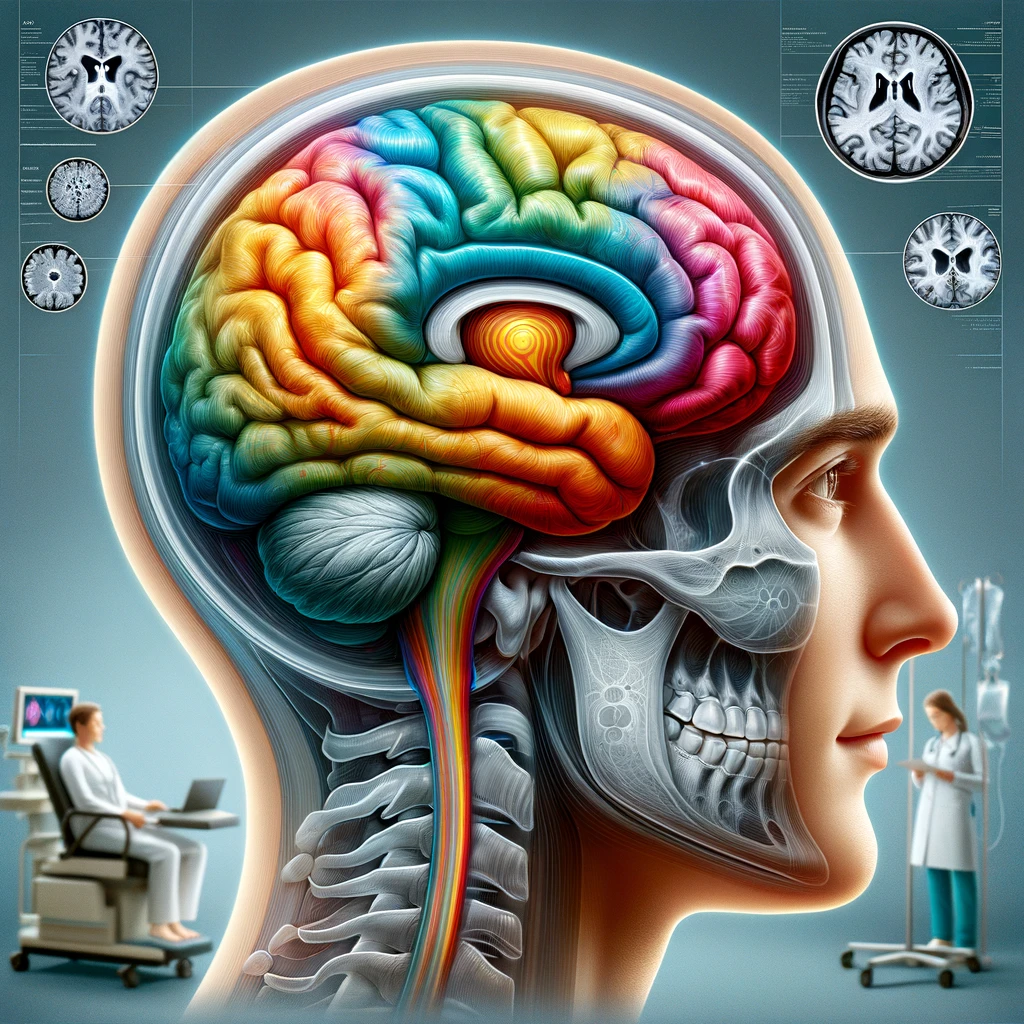
Functional Neurological Disorder, commonly abbreviated as FND, is a complex condition characterised by neurological symptoms that cannot be explained by traditional neurological diseases. These symptoms can mirror signs of other neurological issues, such as epilepsy or a stroke, but unlike those conditions, FND is believed to be rooted in a dysfunction of the way the brain processes information rather than in structural brain damage. This can result in a wide range of physical, sensory, and cognitive disturbances that can significantly impact daily life.
FND is often misunderstood and misdiagnosed due to its overlapping symptoms with other disorders, as well as the fluctuating nature of these symptoms. Patients may experience muscle weakness, tremors, seizures, or paralysis, among other manifestations. Despite being one of the most common conditions encountered in neurology clinics, FND is frequently burdened with stigma, partly because of the historical misconceptions that suggest psychological components are to blame. This viewpoint can lead to patients feeling dismissed or invalidated when seeking medical help.
The complexity of FND not only derives from its symptoms but also from its causes, which are likely multifactorial, incorporating elements of biology, psychological well-being, and environment. Ongoing research aims to dissect these varied factors to develop more effective treatments and strategies for management. By promoting a better understanding and increasing awareness through personal stories and professional insights, there is potential for improving the lives of those affected by FND.
The power of personal storytelling
Personal storytelling possesses an immense power to illuminate the often invisible and misunderstood experiences of those living with Functional Neurological Disorder (FND). By sharing personal stories, individuals can convey the complexities of their condition in a way that medical jargon and clinical descriptions cannot. These narratives provide a window into the lived reality of FND, depicting not just the symptoms, but the emotional and social ramifications as well. When individuals recount their experiences, they humanise the condition, making it more relatable and understandable to those without firsthand knowledge.
Moreover, personal essays and narratives serve as a bridge between those living with FND and the broader public. They dismantle misconceptions by offering raw, unfiltered accounts of daily battles, resilience, and moments of vulnerability. Furthermore, storytelling can play a pivotal role in advocating for better understanding and awareness. Written expressions allow individuals to articulate their frustrations, victories, and the relentless unpredictability of FND, thereby forging a sense of connection among readers. Writing offers not only a form of personal catharsis and empowerment but also acts as a catalyst for social change by fostering empathy and compassion in its audiences.
Through the act of storytelling, those with FND can also reclaim their narratives from the societal stigmas that often overshadow their realities. Personal stories can create a chorus of voices that highlight the diversity and commonality of experiences, ultimately contributing to a more informed dialogue around the condition. By reading these testimonials, society is prompted to reconsider preconceived notions and acknowledge the need for increased support and advocacy for FND patients.
Challenges faced by FND patients
Individuals living with Functional Neurological Disorder (FND) often encounter a multitude of challenges that extend beyond the physical and neurological symptoms themselves. One of the primary hurdles is the pervasive misunderstanding and lack of awareness surrounding FND, which frequently leads to misdiagnosis or delays in receiving an accurate diagnosis. This stems from the complex nature of the disorder, whose symptoms can mimic other neurological conditions, making it difficult for healthcare professionals to identify it correctly without thorough evaluation and understanding.
The emotional burden of dealing with an invisible illness is another significant challenge. The legitimacy of their symptoms is often questioned by others, including medical professionals, family, and friends, leaving patients feeling isolated and invalidated. This invalidation is compounded by historical misconceptions that mistakenly attribute the disorder solely to psychological factors. Such misconceptions not only affect the care and support patients receive but also impact their mental health and self-esteem.
Living with FND also involves navigating unpredictable and often debilitating symptoms, which can severely disrupt daily life and routine activities. Episodes of paralysis, seizures, or tremors occur without warning, imposing limitations on work, social interactions, and personal relationships. This unpredictability often leads FND patients to experience anxiety and uncertainty about their future, as they may struggle to plan even routine activities.
Another layer of struggle involves the search for adequate medical care and treatment. There is a general lack of consensus amongst healthcare providers regarding the best treatment approaches for FND owing to its complex nature. This can be frustrating for patients seeking relief, as they may have to undergo multiple visits to different specialists and try various treatment plans before finding one that offers some improvement in their quality of life.
Despite these challenges, many FND patients find empowerment through personal stories, advocacy, and community support. Sharing their experiences through writing can help bring greater awareness to the condition, challenging the misconceptions and fostering a more supportive environment. Armed with personal narratives, FND patients can help educate both medical professionals and the wider public, advocating for improved resources, treatments, and understanding, thereby building a stronger community of support.
Building empathy through shared experiences
Personal stories hold significant power when it comes to building empathy for individuals with Functional Neurological Disorder (FND). By opening up about their experiences, those affected by FND highlight their shared struggles, hopes, and triumphs, allowing others to step into their shoes, if only for a moment. This sharing can bridge the gap between lived experience and perception, inviting those who may never encounter FND directly to understand the profound impact it has on daily lives.
Writing about FND experiences serves as a catalyst for emotional connections, engaging readers on both intellectual and emotional levels. It draws attention to the nuances of living with FND, painting a vivid picture of what it feels like to navigate a world that often overlooks or misjudges these challenges. By reading these personal accounts, individuals outside the FND community can gain insight into the intricate dance of resilience and vulnerability performed by those living with the disorder.
Moreover, shared stories foster a sense of community among those affected by FND, offering reassurance that they are not alone in their journey. Discovering that their experiences resonate with others can reduce feelings of isolation and foster solidarity. This collective of voices becomes a powerful tool, championing increased awareness and understanding both within and outside the medical community.
From a social standpoint, personal essays on FND knock down barriers, encouraging readers to confront their prejudices and re-evaluate misconceptions. When stories of living with FND are shared widely, they challenge the stereotypes and judgments often faced by this community. This active engagement aids in cultivating a culture of empathy, helping both the public and healthcare practitioners to appreciate the deeply personal impact of FND.
Ultimately, these narratives play a crucial role in fostering empathetic connections across diverse audiences, driving a more compassionate response to FND that underscores the importance of understanding and support in tackling the challenges of this disorder. By amplifying the voices of those living with FND, society is compelled to recognise and respect their experiences, paving the way for more informed dialogue and advocacy.
Encouraging dialogue and awareness
Increasing awareness and encouraging open dialogue about Functional Neurological Disorder (FND) is crucial in reshaping perceptions and improving support systems for those affected. Personal stories and writing can be instrumental in driving these conversations forward, as they not only inform but also inspire real change. These narratives, shared with authenticity and vulnerability, invite the broader public and medical professionals alike to engage more deeply with the realities of FND, fostering an environment where honest discussions about diagnosis, treatment, and living with the disorder can flourish.
One of the significant barriers to understanding FND is the persistent lack of knowledge and awareness among the general population and healthcare providers. By leveraging personal stories, individuals can shed light on their lived experiences, providing a firsthand account that textbooks and medical papers might overlook. Writing about FND experiences can dismantle existing stigmas, encouraging empathy and understanding from those who might otherwise remain uninformed or sceptical about the disorder’s legitimacy.
Engaging in dialogue around FND through various platforms such as articles, blogs, podcasts, and social media can expand the reach of these personal stories, broadening the audience and facilitating a more inclusive conversation. This exchange of narratives not only benefits those within the FND community but also extends to educators, policymakers, and researchers, who can harness these insights to advocate for better resources, policies, and funding directed towards FND research and care.
Furthermore, awareness campaigns and educational initiatives centred on personal essays can spark curiosity and a desire for deeper understanding among those unfamiliar with FND. Such initiatives break down barriers of miscommunication, creating a ripple effect that touches every level of society, from individual interactions to institutional practices. By promoting candid conversations about FND, we cultivate a culture that prioritises knowledge, acceptance, and support, ultimately enhancing the quality of life for those navigating the disorder.
Encouraging dialogue and raising awareness about FND through writing and personal stories is a powerful strategy to challenge misconceptions, foster empathy, and initiate meaningful change. This holistic approach, rooted in real experiences, empowers individuals affected by FND, bridging gaps in understanding and paving the way for a future where their voices are not only heard but are pivotal in shaping the narrative around this complex disorder.