
- Understanding invisible disabilities
- What is functional neurological disorder (FND)?
- Challenges in recognising FND
- Effective workshop strategies
- Creating inclusive environments
Invisible disabilities refer to a range of conditions that are not immediately apparent to others. These can include chronic illnesses, mental health disorders, and neurological conditions like Functional Neurological Disorder (FND). As such, individuals with invisible disabilities might face unique challenges, as their needs are not as easily recognised or understood by the general public. Disability awareness plays a crucial role in ensuring that these individuals are not sidelined, fostering societal inclusion by dismantling prejudices and misconceptions. Public education initiatives and workshops can contribute significantly to this effort, enabling people to grasp the diverse realities of living with such conditions. A foundational understanding of invisible disabilities requires recognising that these conditions, while not outwardly visible, can significantly impact a person’s daily life. They encompass a myriad of experiences, each unique, and often involve managing symptoms that can vary greatly in intensity and visibility. Those with FND, for example, encounter symptoms that might be mistaken for other, more visible disorders, leading to confusion and misinterpretation from those around them. By advocating for increased disability awareness and the importance of creating supportive environments, we make strides toward a more inclusive society that respects and accommodates the needs of all its members.
What is functional neurological disorder (FND)?
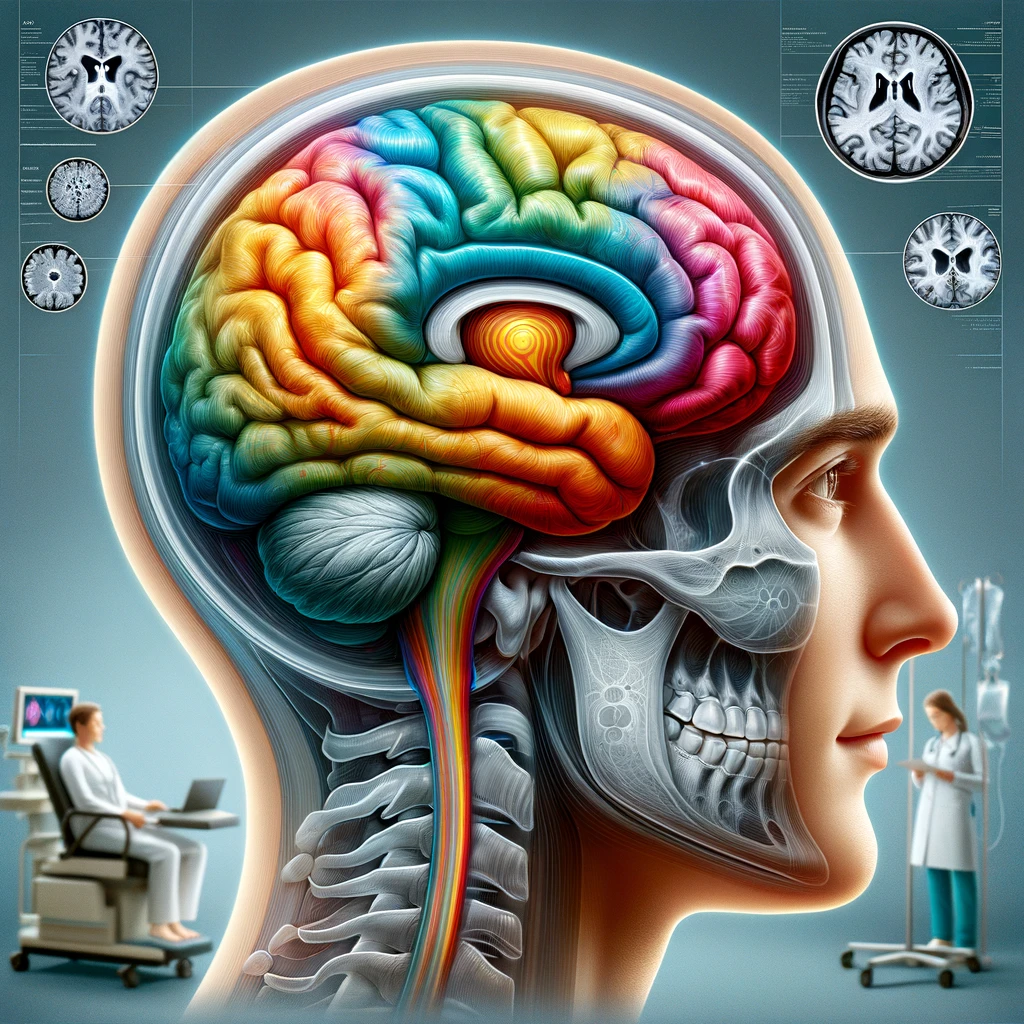
Functional Neurological Disorder (FND) is a condition that sits at the intersection of neurology and psychiatry. Unlike many other neurological disorders that result from identifiable structural or biochemical changes in the brain, FND is characterised by neurological symptoms that are not better explained by traditional medical tests. These can include seizures, movement disorders, sensory symptoms, and problems with consciousness, often mimicking other neurological conditions such as epilepsy or multiple sclerosis. However, despite the apparent neurological symptoms, standard tests like MRIs and EEGs often fail to reveal the abnormalities typically associated with these conditions, which can lead to a significant delay in diagnosis.
The nature of FND makes it particularly complex to understand and manage. It is crucial to recognise it as a genuine disorder with a basis in the functional workings of the brain rather than a structural one. This distinction is vital in shifting perceptions, as there is often a stigma attached to FND due to an outdated understanding that sees the condition as purely psychological or even imaginary. Disability awareness in the context of FND involves educating not just the public but also healthcare professionals to bridge gaps in knowledge and understanding which can affect patient care and treatment outcomes.
Public education campaigns and workshops focusing on FND are essential in raising awareness and fostering acceptance. They provide a platform to dispel myths and misconceptions, offering insights into the lived experiences of individuals with FND. Such initiatives contribute to a broader inclusion, creating a society that understands and supports the challenges faced by those with FND. Through increased dialogue and education, we can create a compassionate community that values the well-being of all its members, recognising that invisible disabilities like FND are no less real or impactful than those that are more readily observable.
Challenges in recognising FND
Recognising Functional Neurological Disorder (FND) poses distinct challenges for both individuals and healthcare practitioners. One of the primary obstacles arises from the nature of the symptoms, which often resemble other neurological or psychological disorders. This can lead to considerable delays in diagnosis, further compounded by the absence of definitive biomarkers. Standard diagnostic tests typically used for other neurological conditions may return normal results, leaving patients in a state of uncertainty and distress. As a result, individuals with FND may feel misunderstood or dismissed, both by medical professionals who might hastily attribute symptoms to psychological factors and by society, where awareness of the disorder remains limited.
The stigma surrounding FND is another significant barrier, often rooted in a historical view that has incorrectly categorised these symptoms as either malingering or purely psychological. This misconception can affect the level of empathy and support that individuals receive, not only from medical providers but also within their personal and professional environments. Disability awareness is crucial in addressing these preconceived notions and facilitating a more informed understanding of FND as a legitimate condition requiring appropriate care and consideration. Through public education and proactive initiatives, healthcare systems can improve diagnostic accuracy and reduce the stigma attached to FND, aiding in timely and effective treatment.
Moreover, the complexity and variability of FND symptoms necessitate an interdisciplinary approach to diagnosis and treatment, which itself can complicate the recognition process. Coordinating care among neurologists, psychologists, physiotherapists, and other specialists requires extensive communication and collaboration. Without comprehensive training and consistent dialogue among healthcare providers, opportunities for accurate diagnosis and effective management may be missed, impacting patient outcomes and quality of life. Thus, enhancing inclusion through systemic changes in the healthcare architecture and integrating disability awareness within professional training programmes can lead to better recognition and support for those living with FND, fostering a more compassionate and effective approach to care.
Effective workshop strategies
When conducting workshops on invisible disabilities such as Functional Neurological Disorder (FND), it is essential to employ effective strategies that enhance understanding and promote inclusivity. A multifaceted approach can significantly impact participants’ awareness and empathy, encouraging a shift in perspectives on invisible disabilities.
To begin with, integrating lived experiences is a powerful way to convey the realities of FND. Inviting individuals with FND to share their stories can provide personal insights that go beyond theoretical knowledge. This humanises the condition, allowing participants to connect emotionally and intellectually through real-world contexts. Such narratives can dismantle stereotypes and enhance the broader disability awareness crucial for fostering inclusion.
Incorporating interactive elements within the workshop structure facilitates engagement and deepens understanding. Role-playing scenarios or empathy-building exercises can immerse participants in the challenges individuals with FND face. These activities encourage participants to empathise and reflect on their preconceived notions, which can lead to more supportive and inclusive attitudes.
Providing comprehensive educational materials is another crucial strategy. Well-curated resources, such as pamphlets, articles, or short videos, can reinforce workshop content and serve as ongoing references. Ensuring these materials are accessible and available in multiple formats can cater to diverse learning needs, promoting greater public education on FND.
Engaging expert facilitators who understand the interdisciplinary nature of FND is also beneficial. These professionals can offer in-depth knowledge and lead discussions effectively, ensuring that participants grasp the complex interplay between neurological and psychological aspects of FND. They can also address potential misconceptions, contributing to a more nuanced understanding of the disorder.
Ultimately, creating an open and respectful environment is paramount. Encouraging active participation, questions, and dialogue fosters a collaborative learning atmosphere where all contributions are valued. This approach not only educates participants but also empowers them to become advocates for change, translating workshop insights into broader societal inclusion for individuals with FND.
Creating inclusive environments
Developing inclusive environments for individuals with invisible disabilities, such as Functional Neurological Disorder (FND), requires a thoughtful approach that addresses both physical and attitudinal barriers. A key element in achieving this inclusivity is fostering disability awareness within communities, organisations, and institutions. This involves recognising that while these disabilities are not immediately visible, they are genuine and can profoundly impact daily life.
One critical aspect of creating an inclusive environment is ensuring that accessibility is not solely defined by physical accommodations. While ramps and lifts are essential for those with visible mobility challenges, individuals with FND may require different forms of support, such as flexible scheduling, quiet spaces to manage sensory overload, and clear communication guidelines to aid comprehension and reduce anxiety.
An effective strategy to promote inclusion is the implementation of comprehensive training programmes aimed at raising awareness about invisible disabilities like FND. These programmes should educate about the nature of FND, highlight the variability of symptoms, and emphasise the importance of empathy and patience. Public education campaigns can bridge knowledge gaps, dispelling myths and reducing stigma associated with invisible disabilities.
Encouraging open dialogue between individuals with FND and their peers, colleagues, or employers is crucial in building understanding. By creating supportive platforms for these conversations, misunderstandings can be addressed, fostering a community that values diverse experiences. Workshops and forums that focus on sharing personal stories and experiences can deepen this understanding, leading to more effective support mechanisms.
Policy development is another cornerstone of creating inclusive environments. Organisations should review and update policies to ensure they reflect a commitment to inclusion and accessibility for all members. This includes developing clear guidelines for reasonable adjustments, supporting flexible work arrangements, and ensuring that all spaces are equipped to accommodate diverse needs.
Lastly, empowering individuals with FND to voice their needs and participate in decision-making processes is fundamental. This empowerment can be facilitated through leadership roles, participation in community events, and involvement in the design of spaces and services. By including those with lived experience in shaping the environments they navigate, we take significant steps toward true inclusivity and equality.