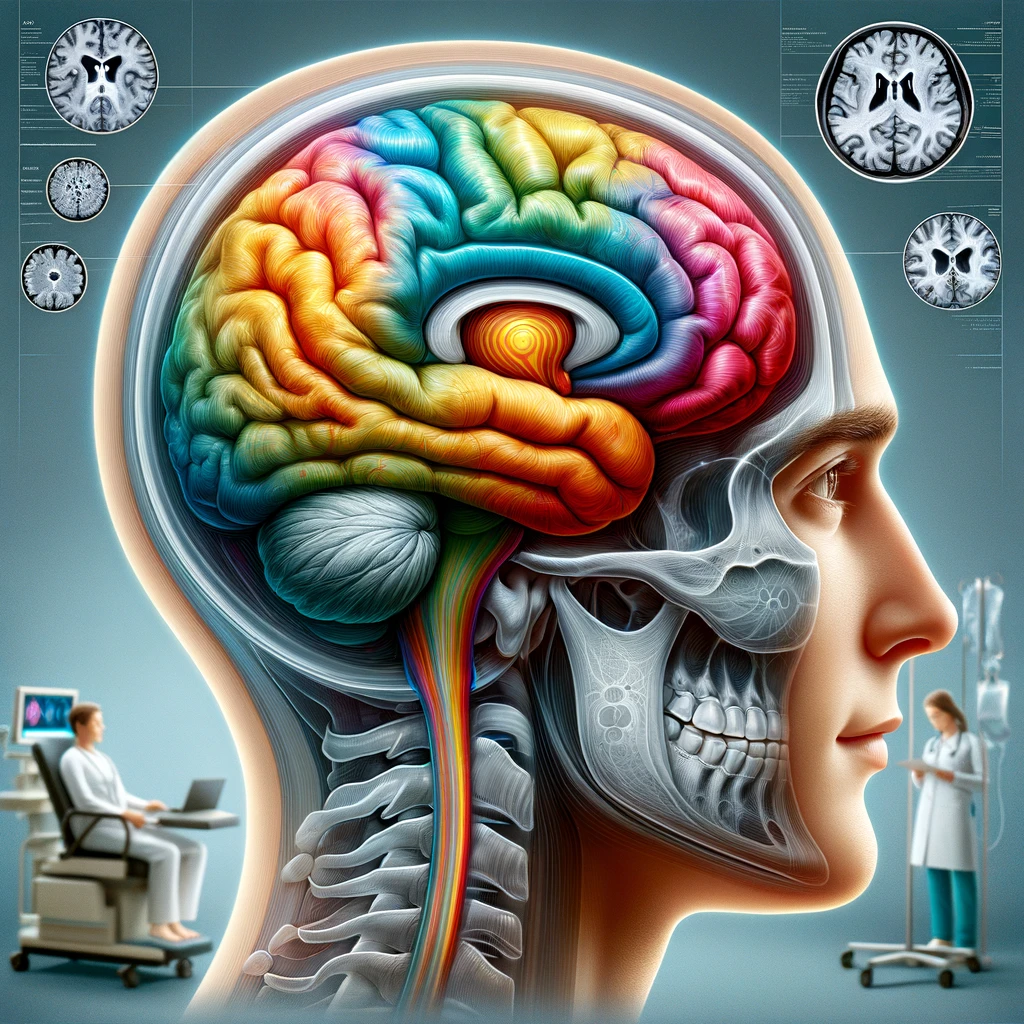

Functional neurological disorder is a condition in which a person experiences genuine neurological symptoms—such as weakness, tremors, seizures, sensory changes, or problems with movement and speech—that cannot be fully explained by structural damage or a conventional neurological disease. The nervous system is not “broken” in the way it is with a stroke or multiple sclerosis; instead, it is not functioning as it should. The brain, spinal cord, and nerves are still physically intact, but the way the brain sends, receives, or processes signals is disrupted, leading to real and often disabling symptoms.
Many people first encounter this diagnosis after extensive medical testing for symptoms that resemble other neurological conditions. Brain scans, blood tests, and nerve studies may look normal or show changes that do not match the severity or pattern of what the person is experiencing. Rather than meaning that “nothing is wrong,” these results indicate that the problem lies in how the nervous system is working at a functional level. This is similar to a software problem on a computer: the hardware may be undamaged, but the programs are not running correctly, causing serious performance issues.
Functional neurological disorder is classified within the realm of neuropsychiatric and neurological conditions. It sits at the intersection between neurology and mental health, not because the symptoms are imagined or voluntary, but because brain function is shaped by biological, psychological, and social factors. Changes in attention, beliefs about symptoms, prior experiences, and the body’s response to stress can all influence how the brain processes sensory signals and controls movement. These influences can alter normal brain networks so that symptoms are produced automatically, without conscious intention or control.
Symptoms can occur in almost any system the nervous system controls. Motor symptoms may include limb weakness or paralysis, abnormal gait, tremor, jerks, spasms, or sudden episodes where movement becomes impossible. Sensory symptoms can involve numbness, tingling, vision changes, or loss of sensation on one side of the body. People may develop functional seizures, also known as dissociative or nonepileptic attacks, that look like epileptic seizures but arise from different mechanisms. Others experience difficulties with speech, such as stuttering, whispering, or being unable to form words, even though the muscles and vocal cords are structurally normal.
Symptoms in this condition often fluctuate from day to day or even hour to hour. They may appear suddenly after a specific event—such as an injury, a medical illness, a psychological shock, or a period of intense stress—or they may build gradually over time. Some people notice that their symptoms worsen in certain situations, such as when they are observed or when they are particularly tired or overwhelmed, and then ease in other contexts. This variability can be confusing both for the person affected and for their family, and it sometimes fuels damaging stigma and myths that the symptoms must be exaggerated or under conscious control.
Diagnosis is based on positive clinical features rather than on the absence of disease alone. Skilled clinicians look for characteristic patterns on examination and during observation of symptoms, such as movements that change with distraction, weakness that varies in a particular way with testing, or seizures with features that differ from epileptic attacks. These positive signs help distinguish functional symptoms from other neurological conditions. Tests like MRI or EEG are used to rule out alternative explanations, but the key to diagnosis lies in recognizing these specific clinical markers of altered function.
Functional neurological disorder is common, even though public awareness remains low. It is one of the more frequent reasons people attend neurology clinics, comparable in prevalence to conditions like multiple sclerosis or Parkinson’s disease. People of all ages can be affected, including children, adolescents, and older adults. The condition may occur alone or alongside other neurological or psychiatric diagnoses, such as migraine, epilepsy, anxiety, depression, or chronic pain. The presence of additional conditions does not invalidate the diagnosis; it simply reflects that the brain and body can be affected in multiple ways at once.
Understanding this disorder requires separating it from outdated assumptions rooted in misinformation. Historically, similar symptoms were labeled with terms like “hysteria,” which wrongly implied that they were purely emotional, feigned, or limited to women. Those ideas contributed to deep stigma and long-lasting myths that still influence how people are treated today. Modern research using brain imaging and other tools shows altered patterns of brain activation and connectivity during symptoms, supporting the view that this is a disorder of functioning within brain networks, not a choice or a character flaw.
Stressful life events, trauma, or psychological distress can be relevant for some individuals, but they are not present in everyone and are not the sole cause. Some people develop symptoms after a physical injury, surgery, infection, or another medical event, even when there is no clear psychological trigger. Others have long-standing tendencies toward heightened body awareness, perfectionism, or health-related fears that interact with biological vulnerabilities to shape how symptoms develop. The picture is complex, and understanding it involves considering medical, psychological, and social factors together rather than searching for a single cause.
Receiving a diagnosis can be emotionally challenging. People may feel relief that there is a name for what they are experiencing, but they may also feel disbelief, confusion, shame, or anger, especially if they have previously been told that nothing is wrong or that their symptoms are “just stress.” Clear communication is essential: this diagnosis does not mean the symptoms are imaginary, faked, or “all in the head.” It means that the nervous system’s functioning has gone off track in a way that is potentially reversible, and that specific forms of treatment and rehabilitation can help.
A useful way to conceptualize the condition is as a disruption in automatic processes. Many bodily actions, such as walking, balancing, or speaking, usually happen with little conscious effort. In this disorder, these automatic processes can become unstable or misdirected. Attention may become overly focused on bodily sensations and movements, which can paradoxically interfere with tasks that are normally automatic. This mismatch between intention and movement—or between expected sensation and actual sensation—can result in symptoms that feel alien and uncontrollable to the person experiencing them.
The distinction between this condition and deliberately produced symptoms is crucial. In factitious disorders or malingering, a person consciously fabricates or exaggerates symptoms, usually for psychological or external gain. In functional neurological disorder, symptoms arise without conscious intent, and people typically seek help, undergo numerous tests, and experience significant distress and disability. Confusing these different situations harms patients and undermines trust in healthcare, which is why careful assessment and respectful communication are so important.
Clarifying what this disorder is—and what it is not—forms a foundation for effective care. When people understand that their symptoms have a recognized, research-supported explanation rooted in brain function, they are often better able to engage in treatment and rehabilitation. Education and advocacy play a major role in reducing stigma and in replacing myths with facts, both within the medical community and among the public. As understanding improves, individuals affected by this condition are more likely to receive timely diagnosis, compassionate support, and appropriate, targeted interventions aimed at restoring function and improving quality of life.
Common myths about diagnosis and prognosis
Many people encounter the diagnosis only after years of uncertainty, which can allow myths and misinformation to take root. One of the most persistent beliefs is that this diagnosis is made only when “nothing else fits” or as a last resort. In reality, clinicians trained in this area rely on specific, positive examination findings to identify the condition. The presence of these positive signs means the diagnosis can be made confidently, not tentatively. When people are told that their test results are normal and therefore “it must be functional,” without a clear explanation of these positive features, it can reinforce the incorrect notion that the diagnosis is vague, second-rate, or simply a way to close the case.
Another common myth is that the diagnosis is “all in your head” in the sense of being imaginary, feigned, or purely psychological. This misunderstanding is often fueled by stigma around mental health and by outdated language. The symptoms in this condition are generated by real changes in brain function, are not consciously produced, and can be as disabling as those caused by structural neurological disease. When people are dismissed, doubted, or accused of exaggeration, it can worsen distress, increase symptom focus, and make recovery harder. Accurate education that frames the disorder as a problem of brain functioning rather than of character or willpower is essential for reducing harm.
Some individuals worry that accepting this diagnosis means that important diseases are being missed or that doctors will stop looking for other causes. This fear can lead to repeated testing, consultations, and emergency visits, which may not provide new information and can contribute to frustration and fatigue. The presence of one diagnosis does not make someone immune to other conditions, but once a careful assessment has been done and the functional diagnosis established with clear reasoning, additional repeated testing is rarely helpful. The focus then shifts from searching for a different label to understanding how best to manage symptoms and support recovery.
It is also widely believed that this diagnosis is permanent and that people never get better. This myth often stems from encountering only the most severe or long-standing cases, or from hearing about negative experiences in which treatment and support were limited. Long-term studies and clinical experience show a more varied picture: some people experience substantial or even complete improvement, especially when the diagnosis is explained clearly and treatment starts early. Others have a fluctuating or chronic course but still make meaningful gains in function and quality of life. While not everyone recovers fully, the condition is not uniformly progressive or hopeless.
Linked to this is the misconception that prognosis can be predicted solely by the severity of symptoms at the outset. In fact, several other factors appear to play a larger role, such as how clearly the diagnosis is communicated, whether the person feels believed, and how soon appropriate treatment begins. A supportive, nonjudgmental response from clinicians and family, combined with a coherent explanation of what is happening in the brain and body, can significantly affect outcomes. When people understand that symptoms are reversible changes in function, not irreversible damage, they are more likely to engage actively in rehabilitation.
An additional myth is that a history of trauma or mental health difficulties automatically predicts a poor outcome. While such factors may influence how symptoms develop and how someone copes, they do not determine the future with certainty. Some people with extensive trauma histories do very well with targeted treatment; others with no obvious psychological background factors may struggle more. Prognosis is typically shaped by a combination of biological vulnerability, psychological coping styles, social support, and access to appropriate care, rather than by any single element of history.
There is also a belief among some health professionals and the public that once this diagnosis is given, specialized neurological care is no longer needed and the person should be managed solely in mental health services. This either-or thinking overlooks the fact that this condition sits at the intersection of neurology and psychiatry. Effective care often involves collaboration between neurologists, psychiatrists, psychologists, physiotherapists, occupational therapists, and other rehabilitation professionals. When people are handed off abruptly or told that “neurology has nothing more to offer,” it can feel invalidating and may undermine trust in the entire healthcare system.
A related myth is that if symptoms respond to psychological therapy, they must have been “just psychological” or not real in the first place. Many well-accepted medical conditions, such as chronic pain, irritable bowel syndrome, and even some cardiac problems, are improved by psychological and behavioral interventions. This does not make them any less real or physical. In this disorder, treatments that target attention, beliefs, movement patterns, and emotional regulation are ways of working directly with brain function. They are no more dismissive than prescribing medication for epilepsy or recommending cardiac rehabilitation after a heart attack.
Some people fear that accepting the diagnosis will limit access to benefits, accommodations, or care because the condition is seen as less legitimate than other neurological diseases. This concern is not unfounded, as stigma and lack of awareness can influence decisions by employers, insurers, and institutions. However, the diagnosis is recognized in major medical classification systems and is associated with significant disability in many cases. Advocacy and awareness efforts, supported by growing research evidence, are gradually improving recognition of the condition as a genuine and serious health issue.
Another misunderstanding is that the presence of normal test results means there is nothing wrong and that recovery should be quick and simple once the diagnosis is explained. In fact, the changes in brain function involved can be deeply ingrained and may have developed over months or years. Relearning automatic movements, reducing symptom-focused attention, and rebuilding confidence in the body’s abilities can take time and consistent effort. Some people do experience rapid improvement once they receive a clear explanation; others need ongoing rehabilitation and support. Slow or partial progress does not mean the diagnosis was incorrect or that the person is not trying hard enough.
There is also a myth that young people with this diagnosis will inevitably “grow out of it” without treatment, simply because they are young and the nervous system is adaptable. Although younger age can be associated with better outcomes, this is not guaranteed. Children and adolescents can develop significant and persistent disability if symptoms are not recognized and addressed early. Prompt diagnosis, clear communication with both the young person and their caregivers, and coordinated school and healthcare support can all influence prognosis. Assuming that time alone will solve the problem can delay effective intervention.
Some believe that once the diagnosis is recorded in a person’s medical file, it will overshadow any future health concerns and cause new symptoms to be dismissed. While this risk exists, especially in systems with limited time and resources, it reflects shortcomings in healthcare practice rather than a problem with the diagnosis itself. Clear documentation that explains the basis for the diagnosis and acknowledges the possibility of other conditions can help. People are also entitled to respectful reassessment if their symptoms change in ways that do not fit their established pattern, without having to fight against prejudgments.
There is a pervasive myth that nothing the person or their support network does will make any difference, and that only doctors or therapists can influence the course of the condition. This belief can foster passivity and hopelessness. In reality, while professional guidance is important, everyday strategies—such as pacing activity, practicing movement retraining exercises, managing stress, and building supportive routines—can meaningfully affect prognosis. When individuals and families understand that they have an active role in shaping outcomes, the diagnosis can shift from feeling like a life sentence to being a starting point for targeted, collaborative change.
Evidence-based facts about symptoms and causes
Research over the past two decades has provided clearer facts about how this condition affects the body and brain. Symptom patterns are now well described in large clinical series and diagnostic criteria, showing that the condition follows recognizable rules rather than appearing randomly. For example, functional limb weakness often presents with a sudden onset, a feeling that the limb does not “belong,” and specific findings on examination such as collapsing weakness or a discrepancy between walking ability and strength on the bed. Functional tremor frequently shows variability in rhythm and amplitude, and it may change when a person focuses on another movement task. These features are not guesses or impressions; they are reproducible signs that have been studied systematically.
Functional seizures have also been characterized in detail. Video-EEG studies comparing functional seizures with epileptic seizures show different patterns both in behavior and in brain electrical activity. Functional seizures commonly last longer, may have side-to-side head movements, closed eyes, or asynchronous limb movements, and do not show the electrical discharges typical of epilepsy. During attacks, people may retain some level of awareness or have recall of events afterward, even if they appear unresponsive at the time. These features help clinicians distinguish functional seizures from epileptic ones, making the diagnosis based on positive criteria rather than simply on normal EEG results.
Imaging studies have moved beyond the myth that “nothing is wrong in the brain.” Functional MRI and other advanced techniques show consistent differences in how brain networks communicate during symptoms. Areas involved in attention, emotion, movement planning, and body awareness often show altered connectivity. For instance, in some movement symptoms, regions responsible for planning voluntary movement may activate without the usual sense of agency, while networks involved in monitoring bodily states may be overactive. These changes do not mean the brain is permanently damaged; instead, they indicate that the brain is using pathways in a dysfunctional way, similar to a habit that has become maladaptive and automated.
Sensory symptoms, such as numbness, tingling, or visual disturbances, also have recognizable functional patterns. Numbness may follow a clear “cutoff” line or involve an entire side of the body in a way that does not match nerve or spinal cord anatomy. Visual symptoms can include episodes of blurred vision, double vision, or loss of vision with normal eye structure and normal visual pathways on testing. Brain imaging during these episodes sometimes reveals changes in regions that process visual information and in areas that shape attention and expectation. These findings support the idea that symptoms arise from how incoming signals are filtered and interpreted, not from the absence of those signals altogether.
Another important fact is that symptoms often cluster rather than occurring in isolation. Many people experience a combination of movement difficulties, pain, fatigue, cognitive problems, and autonomic symptoms such as dizziness, palpitations, or temperature sensitivity. Studies show that coexisting conditions like migraine, irritable bowel syndrome, fibromyalgia, and chronic fatigue are more common in this population. This pattern suggests shared mechanisms related to heightened bodily awareness, altered pain processing, and dysregulated stress responses. It does not mean that all symptoms are the same or that one diagnosis explains everything, but it highlights the need to look at the nervous system in a more integrated way.
Causes are best understood in terms of risk factors and triggers rather than a single underlying culprit. Research consistently identifies multiple contributors: genetic predisposition, early life experiences, personality traits such as high conscientiousness or sensitivity to bodily sensations, prior physical illness or injury, and periods of acute or chronic stress. Not everyone with these factors will develop the disorder, and some people develop symptoms without obvious psychological or social stressors. The evidence suggests a “perfect storm” model in which biological vulnerability, life events, and learned patterns of attention and movement interact to produce symptoms.
One well-supported mechanism involves the brain’s predictive processing system. The brain constantly makes predictions about what it expects to feel and how the body should move, then compares those predictions with incoming sensory information. In this condition, those predictions may become overly strong or biased by previous experiences, anxiety, or beliefs about health. When prediction outweighs the actual sensory input, the brain can generate experiences—such as weakness, tremor, or numbness—that feel entirely real to the person. Studies have shown that expectations and attention can significantly shape symptom intensity, and that modifying expectations through education and therapy can reduce symptoms.
Attention plays a central role. Experiments demonstrate that when people with functional movement symptoms focus intensely on the affected limb, their movements tend to become more abnormal and effortful. When they are distracted or guided to shift attention outward—such as focusing on a task in the environment—movement may become more fluid or normal. This does not mean the symptoms are voluntary; it shows that automatic control systems are disrupted by heightened self-monitoring. Similar effects are observed in functional seizures, where anticipatory anxiety and hypervigilance to bodily sensations can make attacks more likely, while techniques that reduce hyperfocus can lower their frequency.
Emotional processing and threat responses are also implicated, but not in the simplistic way often portrayed by myths and stigma. Brain imaging has shown that some individuals with this condition display increased activity in regions that process threat and emotion, such as the amygdala and insula, even in the absence of conscious distress. This suggests that the body may be “on alert” at a physiological level, with heightened arousal and rapid triggering of protective responses like freezing, collapsing, or dissociation. These automatic survival responses can manifest as weakness, falls, functional seizures, or episodes of unresponsiveness, without the person choosing or even fully understanding what is happening.
Notably, trauma and adverse experiences are risk factors but not universal causes. Large-scale studies show that rates of childhood adversity, bullying, emotional neglect, or interpersonal trauma are higher on average in people with this condition compared with some other medical populations. However, a significant proportion report no such history. The presence or absence of trauma does not confirm or rule out the diagnosis; it simply helps explain vulnerabilities in some cases. When trauma is present, it may influence how the brain encodes threat, safety, and bodily sensations, making it easier for symptoms to become entrenched during later life stressors or illnesses.
Physical triggers are common and well documented. Symptoms frequently begin after events such as minor head injury, whiplash, surgery, infections, or other acute medical problems. In these situations, the original physical problem may resolve, but symptoms continue or change in character. Research suggests that after an injury or illness, the brain may remain in a protective mode, overestimating danger and maintaining altered movement or sensory patterns even when they are no longer needed. For example, someone who initially limps because of pain can develop a persistent functional gait problem long after the injury has healed, as the maladaptive pattern becomes automatic and reinforced by fear of re-injury.
Another evidence-based observation is that symptoms are influenced by context. Many people notice that their symptoms vary depending on where they are, who is present, and what they are doing. Clinicians see this during examination: a tremor may lessen when a person is distracted by a complex task, or weakness may change when tested in different positions. These context effects are characteristic of functional symptoms and differ from what is typically seen in structural neurological diseases, where deficits are more consistent across situations. Recognizing these patterns allows clinicians to demonstrate to patients, in real time, that their nervous system retains capacity, which can be a powerful starting point for rehabilitation.
While psychological factors such as anxiety, depression, or health-related worry are common, they are neither necessary nor sufficient to explain the condition. Epidemiological studies show that a substantial subset of individuals do not meet criteria for any major psychiatric disorder at the time of diagnosis. Conversely, many people with anxiety or depression never develop functional neurological symptoms. This distinction is important because misinformation often portrays the condition as simply a manifestation of mental illness. Current evidence supports a model in which psychological states interact with biological and social factors to influence brain functioning, rather than being the sole cause.
Family and social environment can shape how symptoms emerge and persist. Research in adolescents and young adults, in particular, reveals that inconsistent responses to symptoms—such as alternating between disbelief and overprotection—may inadvertently reinforce disability. When families are given clear education about the condition and about how to support graded activity and independence, outcomes tend to improve. Similarly, interactions with healthcare providers can serve as either risk or protective factors: invalidation and repeated contradictory messages can entrench symptoms, whereas coherent explanations and coordinated care can help reorganize brain networks toward recovery.
Biological research into genetics and immune function is still in its early stages, but initial findings suggest that some individuals may have inherited differences in stress reactivity, pain modulation, or emotional processing. These differences are subtle and not specific enough for diagnostic testing, but they support the idea that some people are more biologically predisposed to develop functional symptoms under pressure. Studies of autonomic nervous system function also show patterns of altered heart rate variability, sweating responses, or blood pressure regulation in some patients, pointing toward a broader dysregulation of body–brain feedback systems rather than a purely “psychological” explanation.
Long-term follow-up studies contribute important facts about the natural course of the condition. They show that outcomes are highly variable but strongly influenced by early recognition, clear communication, and appropriate intervention. People who receive a confident, respectful diagnosis and timely access to specialized treatment often do better than those who experience prolonged uncertainty, repeated unnecessary tests, or dismissive attitudes. These findings highlight how education, advocacy, and awareness within healthcare systems are not just ethical imperatives but also practical tools for improving brain function and daily life for those affected.
Approaches to treatment and self-management
Approaches to treatment focus on retraining the nervous system rather than repairing damaged tissue. Because the problem lies in how the brain is functioning, not in structures that are destroyed, many interventions aim to change patterns of movement, attention, and expectation. Understanding this basic principle can make it easier to engage with care that may look different from treatments for other neurological diseases. It also helps counter myths and stigma that arise from the misconception that if there is no visible damage on a scan, there is nothing to treat.
One of the first and most important steps is a clear, respectful explanation of the diagnosis. When clinicians take the time to show the positive signs that support the diagnosis and explain how symptoms arise from altered brain function, this “diagnostic conversation” becomes a therapeutic intervention in itself. People often report that understanding what is happening reduces fear, lowers the sense of unpredictability, and makes symptoms feel more manageable. This form of education is not about blaming or minimizing symptoms; it is about providing a coherent framework that makes treatment strategies logically understandable.
Specialized physiotherapy is a key component of treatment for movement symptoms such as weakness, tremor, gait problems, or abnormal postures. Unlike standard physiotherapy for stroke or orthopedic injuries, the focus here is on restoring automatic, effortless movement rather than strengthening damaged muscles. Therapists may use distraction techniques, rhythm, or functional tasks to help movements emerge without excessive self-monitoring. For example, someone who struggles to move a leg when thinking about it may be able to step more naturally when walking to music or when concentrating on catching a ball. These successes demonstrate that the nervous system still has capacity, which can be gradually expanded through graded practice.
Occupational therapy often works alongside physiotherapy to translate improvements into daily activities. Therapists help people relearn how to perform tasks such as dressing, cooking, using a computer, or returning to hobbies, while pacing activity to avoid overwhelming the nervous system. They may break tasks into smaller steps, adjust the environment to reduce triggers, and build structured routines that balance rest and action. By focusing on meaningful goals, occupational therapy can increase motivation and confidence, which are crucial for maintaining progress outside the clinic.
For functional seizures, specific psychological and behavioral treatments are especially important. Seizure education provides detailed information about how attacks arise, how they differ from epilepsy, and what friends, family, and colleagues can do during an episode. Many people benefit from learning to recognize early warning signs—such as changes in breathing, tightness in the chest, or a sense of detachment—and using strategies to interrupt the escalation. These strategies can include breathing exercises, grounding techniques, or movement-based tasks that shift attention outward. Over time, this can reduce seizure frequency and severity, even if attacks do not disappear completely.
Psychological therapies, particularly those that focus on the connection between thoughts, emotions, bodily sensations, and behavior, play a central role for many individuals. Cognitive behavioral therapy (CBT) is one of the most studied approaches. In this context, CBT does not seek to prove that symptoms are “just in the mind.” Instead, it helps identify patterns such as catastrophic beliefs about symptoms (“If my leg shakes, I will definitely fall and be paralyzed”), hypervigilance to bodily sensations, or avoidance behaviors that unintentionally reinforce disability. By gradually testing and modifying these patterns, people can reduce symptom-related anxiety and rebuild trust in their bodies.
Other psychological approaches, such as psychodynamic therapy, acceptance and commitment therapy (ACT), somatic therapies, or trauma-focused treatments, may be helpful depending on the person’s history and current needs. When past trauma, grief, or unresolved conflict is relevant, therapy can provide a space to process those experiences in a safe, structured way. Addressing emotional factors does not mean that symptoms were “caused” exclusively by those experiences, but it can reduce background stress and threat responses that keep the nervous system in a heightened state of arousal.
Because sleep, stress, and autonomic regulation strongly influence symptoms, interventions that target the body’s stress systems are often part of a comprehensive plan. Relaxation training, diaphragmatic breathing, progressive muscle relaxation, and mindfulness practices can help lower baseline arousal and improve the nervous system’s flexibility. Some people find that regular gentle activities such as yoga, tai chi, or qigong support better body awareness without triggering excessive self-monitoring. The goal is to create a calmer physiological environment in which retraining of movement and sensation can take place more effectively.
Medications do not directly “cure” the condition, but they can be useful for treating coexisting issues that contribute to overall burden. For example, antidepressants or anxiolytics may help if significant depression or anxiety is present; migraine medications can reduce headache frequency; and appropriate drugs can address sleep problems, pain, or autonomic symptoms. The aim is to reduce overall symptom load and improve capacity to engage in rehabilitation, not to medicate away the core functional symptoms. Careful prescribing is important to avoid excessive sedation, dependency, or side effects that could worsen fatigue or cognitive difficulties.
Multidisciplinary clinics provide the most integrated care by bringing together neurologists, psychiatrists, psychologists, physiotherapists, occupational therapists, and sometimes speech and language therapists or social workers. Within these teams, professionals coordinate explanations, goals, and treatment plans, reducing the conflicting messages that can arise when care is fragmented. Shared treatment plans can specify which symptoms each discipline will address, how progress will be measured, and how to handle setbacks. Where such services exist, studies suggest better outcomes and higher satisfaction, highlighting the importance of advocacy and awareness to support their development.
Self-management is a crucial element of living with this condition, whether or not multidisciplinary services are available. One core strategy is pacing: balancing activity and rest to avoid boom-and-bust patterns where periods of overexertion lead to crashes in symptoms. People often benefit from setting small, realistic goals for physical, cognitive, and social activities, then slowly increasing intensity or duration as tolerated. Using diaries or apps to track symptoms and activity can help identify patterns, triggers, and signs of overdoing it, allowing for more informed planning.
Another self-management tool involves deliberately shifting attention away from internal sensations toward external tasks and environments. Because hyperfocus on the body can amplify symptoms, choosing activities that gently absorb attention—such as creative arts, gardening, puzzles, or social interactions—can create moments when movement or sensation becomes more automatic. These experiences provide practical evidence that symptoms can change with context, supporting hope and motivation. Over time, this outward focus can be woven into daily routines, especially during activities that typically trigger symptoms.
Regular movement, within safe limits, is generally more helpful than prolonged rest. Completely avoiding movement out of fear of worsening symptoms can lead to deconditioning, increased stiffness, and greater fatigue. With guidance from professionals when possible, people are encouraged to find forms of movement they can tolerate—such as short walks, gentle stretching, water-based exercise, or chair-based routines—and to progress gradually. The emphasis is on quality of movement and confidence rather than on strength or endurance alone.
Managing sensory triggers can be part of self-care. Some individuals are sensitive to bright lights, loud noises, crowded spaces, or rapid visual stimulation, which can worsen symptoms like dizziness, headaches, or functional seizures. Strategies might include using sunglasses or noise-reducing headphones in challenging environments, planning quieter times for errands, or taking short breaks in calm spaces. The aim is not to withdraw from life but to adjust the environment enough to keep exposure at a manageable level while gradually building tolerance.
Addressing social and occupational issues is also part of treatment and self-management. Discussions with employers, schools, or training programs about accommodations—such as flexible hours, rest breaks, modified duties, or reduced sensory load—can make it possible to stay engaged in work or education. Vocational rehabilitation specialists can assist with planning a phased return to work or with exploring alternative roles that fit current abilities. Remaining connected to meaningful roles can support self-esteem and reduce isolation, both of which influence symptom experience.
Education for families and close friends is often as important as education for the person with the condition. When loved ones understand that symptoms are real but potentially reversible with the right approaches, they are more likely to respond in ways that support recovery. This might involve offering practical help without taking over all activities, encouraging participation in treatment, and avoiding inconsistent responses that swing between disbelief and excessive protection. Clear communication can reduce misunderstandings driven by misinformation and stigma, strengthening the support network that underpins long-term self-management.
For many people, online resources, peer support groups, and patient organizations provide additional tools and a sense of community. Hearing others describe similar experiences can reduce feelings of isolation and self-doubt, particularly in the face of ongoing myths. Reputable websites, educational videos, and written materials can reinforce what has been discussed with clinicians and offer practical tips for daily living. At the same time, it is helpful to approach online information critically, focusing on sources that align with evidence-based facts rather than those that promote fear or unrealistic promises.
Because progress can be uneven, planning for setbacks is a realistic part of self-management. Flare-ups of symptoms may occur during periods of illness, stress, or life change, even after long periods of improvement. Having a written plan that outlines what has helped in the past—such as temporary adjustments to activity, specific exercises, therapy techniques, or communication strategies with employers or schools—can make these episodes feel less overwhelming. Viewing setbacks as part of a longer learning process rather than as failures can help maintain engagement with treatment over time.
Central to all treatment and self-management strategies is the recognition that change is possible. While not everyone achieves complete resolution of symptoms, many people report meaningful gains in independence, function, and quality of life when they receive coherent explanations, appropriate therapies, and consistent support. Reframing the condition as a problem of brain function that can be influenced by behavior, environment, and targeted interventions provides a foundation for ongoing work, both in clinical settings and in everyday life.
Supporting someone with functional neurological disorder
Being present and believing the person’s experience is one of the most powerful forms of support. Symptoms can be unpredictable and may look confusing or inconsistent from the outside. Instead of focusing on whether a symptom “makes sense,” it helps to accept that what the person is feeling is real and often frightening or exhausting. Simple statements such as “I believe you,” “I can see this is hard,” or “How can I help right now?” can counteract the stigma and self-doubt that often build up after repeated invalidating encounters with others, including some healthcare providers.
Listening without jumping to explanations or advice can make it easier for the person to talk about what they are going through. Many people with this condition have had their symptoms dismissed as attention-seeking or exaggerated, which can lead them to minimize or hide their experience. Allowing them to describe symptoms, fears, and frustrations without interruption, judgment, or attempts to “fix” things on the spot helps rebuild trust. Reflecting back what you hear, such as “It sounds like you’re worried about losing control in public,” shows you are genuinely trying to understand.
Learning basic facts about the condition is another key part of effective support. Reading reliable information together, watching educational videos recommended by clinicians, or attending appointments when invited can help everyone share a common understanding. This reduces the risk that myths or misinformation will shape responses at home. For example, knowing that symptoms are not voluntary and that they can improve with retraining makes it easier to avoid accusations of “faking it” and to support daily rehabilitation exercises. When questions or doubts arise, writing them down and bringing them to the next appointment can be more helpful than searching random online sources that may not be accurate.
Jointly creating a plan for difficult situations can give both the person and their supporters more confidence. For someone who has functional seizures, this might include clear steps for what to do during an episode: making sure the environment is safe, timing the event, knowing when emergency services are and are not needed, and using grounding strategies once the episode starts to resolve. For movement symptoms, a plan might specify how to assist with transfers or walking without taking over completely, as well as when to pause and when to encourage continuation of an activity. Having this plan written down and easily visible can reduce panic when symptoms flare.
Balancing help and independence is often challenging but crucial. Doing everything for the person can unintentionally reinforce the idea that they are fragile and incapable, while refusing to help can lead to unnecessary distress and risk. A constructive approach is to assist just enough to keep tasks safe and achievable while still encouraging the person to do as much as they can. For example, you might stand nearby for reassurance while they walk, rather than pushing them in a wheelchair by default, or you might help with the most physically demanding parts of a chore while they handle the rest. Over time, the balance can shift as their confidence and abilities grow.
Encouraging a regular routine that includes activity, rest, and social contact can support the nervous system’s retraining. You can help by working with the person to plan a predictable daily structure that fits their treatment recommendations. This might involve setting consistent wake and sleep times, building in short, manageable activity blocks, and scheduling therapy exercises at times when energy is typically highest. Reminding them gently about the plan, and celebrating small steps forward, can make it easier to stick with these routines, especially on days when symptoms are more prominent.
When the person is learning specific strategies from therapists—such as breathing exercises, grounding techniques, or movement retraining—you can ask how to support those techniques at home. For instance, you might practice a distraction task with them when walking feels difficult, or quietly cue them to use a relaxation exercise if you notice early signs of escalation before a seizure. Respecting their preferences about when and how to prompt is important; some people find frequent reminders helpful, while others may feel pressured or criticized if they are constantly encouraged to use techniques.
Being attentive to language can also make a significant difference. Avoiding phrases like “snap out of it,” “it’s just stress,” or “you were fine yesterday” helps prevent shame and defensiveness. Instead, language that emphasizes function and possibility can be more constructive: “What might make this step a little easier?” or “Let’s try the strategy your therapist showed you and then reassess.” Referring to symptoms as part of how the nervous system is misfiring, rather than as personality flaws or character weaknesses, aligns with modern understanding and lowers the emotional burden associated with stigma.
Supporting emotional wellbeing is just as important as helping with physical symptoms. People with this condition often feel guilty about the impact on family finances, household tasks, or social plans. Acknowledging these feelings and reassuring them that you see their efforts can reduce shame. Encouraging, but not forcing, conversations about mood, anxiety, or fears about the future may help them feel less alone. If you notice significant changes—such as persistent sadness, withdrawal, or talk about hopelessness—gently suggesting a discussion with a clinician or therapist may be appropriate, and you can offer to attend appointments for moral support if they wish.
Maintaining your own wellbeing as a supporter is essential, both for you and for the person you care about. Caregiver burnout is common when symptoms are severe or long-lasting. Setting boundaries around what you can realistically provide, and seeking your own support through friends, counseling, or caregiver groups, can prevent resentment and exhaustion. Taking breaks, continuing with some of your own hobbies and social activities, and sharing care responsibilities with others when possible are not signs of neglect; they are protective measures that help you sustain support over the long term.
Communicating with schools, employers, or community organizations can be another avenue of practical help. With the person’s consent, you may be able to assist in explaining the condition, sharing clinician letters, and discussing reasonable adjustments. Examples include flexible schedules, reduced physical demands, access to quiet spaces, or the option to work or study part-time during periods of intensive rehabilitation. Helping the person prepare for these conversations—such as by listing key points they want to cover—can build their confidence and ensure that accommodations align with their goals rather than encouraging overprotection.
When interacting with healthcare providers, you can play a useful advocacy role while still centering the person’s autonomy. This might involve helping them remember questions, keeping a record of symptoms and treatments tried, or calmly restating important aspects of their history if they feel overwhelmed. If you notice that conflicting messages from different professionals are causing confusion, you can suggest joint appointments, written care plans, or clarification letters so that everyone shares the same understanding. Respecting the person’s wishes about how much you speak in appointments is critical; your role is to support, not to take over.
Supporting someone also means recognizing and challenging unhelpful myths and attitudes in your shared social environment. Friends, relatives, or coworkers may make dismissive comments because they misunderstand the condition. Depending on the person’s comfort level, you can help by calmly correcting misinformation: for example, explaining that normal scans do not mean nothing is wrong, or that symptoms are not under voluntary control. Short, clear explanations grounded in education and awareness are often more effective than lengthy arguments. If the person prefers privacy, you can still help protect their dignity by steering conversations away from speculation or judgment.
Celebrating progress, no matter how small, can keep hope alive during a process that often involves slow, uneven change. Noticing and naming concrete gains—such as walking a little farther, having fewer or shorter seizures, completing a task more independently, or coping better with a crowded environment—reinforces the idea that the nervous system can adapt. You might keep a shared list of achievements or take occasional notes or photos (with consent) to look back on when motivation dips. This perspective shift from “all-or-nothing recovery” to “accumulating small wins” can reduce frustration for both of you.
At times, disagreements about pacing, activity, or treatment choices are likely to arise. It is common for supporters to want faster progress or to worry that rest is reinforcing symptoms, while the person may feel overwhelmed or misunderstood. Approaching these conflicts with curiosity rather than accusation can prevent escalation. Asking questions such as “What feels realistic to you this week?” or “How can we adjust the plan so it’s challenging but not overwhelming?” invites collaboration. Involving therapists in these discussions can provide neutral guidance and prevent the relationship itself from becoming a source of added stress.
Recognizing that both the person and their supporters are adjusting to a significant life change can foster patience and compassion on all sides. Roles and responsibilities within families, friendships, and workplaces may shift, sometimes in ways that feel uncomfortable or unfair. Naming these changes openly, negotiating new roles where possible, and revisiting those agreements periodically can reduce unspoken tension. With time, many people and their support networks discover new routines, strengths, and ways of connecting that acknowledge the reality of symptoms while still making room for growth, enjoyment, and shared meaning.