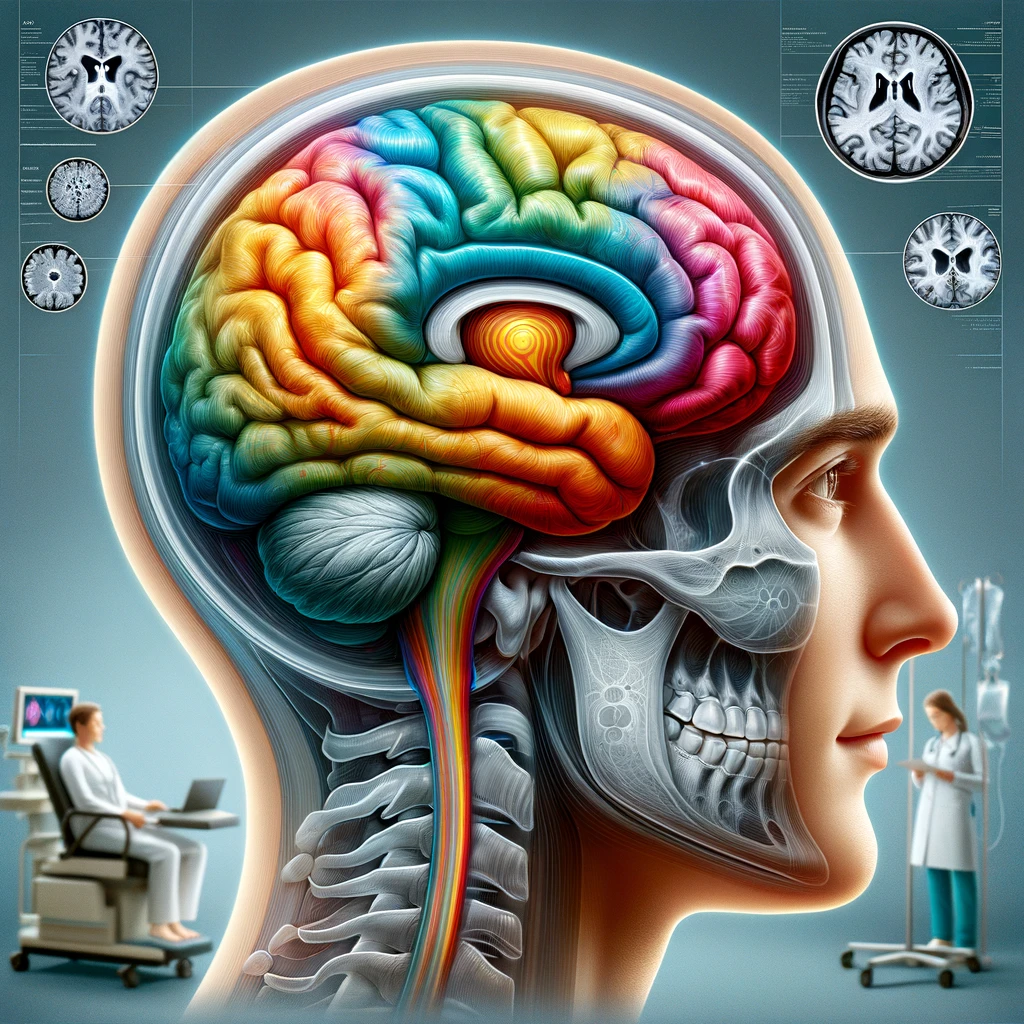

Receiving a new diagnosis of Functional Neurological Disorder (FND) can feel confusing, frightening, or even invalidating, especially if you have waited a long time for answers. FND is a genuine disorder of how the nervous system functions, not of your imagination, character, or willpower. In FND, the structure of the brain, spinal cord, and nerves is typically normal on scans and tests, but the way the brain sends, receives, or interprets signals is disrupted. This disruption can lead to real, sometimes disabling symptoms such as weakness, tremor, seizures, sensory changes, gait problems, speech difficulties, or issues with vision and concentration.
It can help to think of FND as a “software” problem rather than a “hardware” problem. The physical brain (hardware) looks intact, but the patterns of communication within the brain and between the brain and body (software) are not working properly. This is why your MRI, CT, or EEG might come back “normal” while you still have significant symptoms. Those test results do not mean symptoms are fake or exaggerated; they simply mean the tests are not designed to detect functional problems in the way the nervous system is working.
FND often sits at the intersection of neurology and mental health, which can create misunderstandings. It is not “all psychological,” and it is not “all physical” either. Stress, trauma, mood, and anxiety can act as risk factors or triggers, but they are not the sole cause, and having FND does not mean you are to blame for your symptoms. In many people with FND, there is no single clear cause, but a combination of biological vulnerability, life experiences, and current stressors that together influence how the brain processes signals and controls the body.
Diagnosis of FND is usually made by a neurologist or another clinician familiar with the condition, using positive clinical signs rather than by exclusion alone. This means your provider looks for specific patterns during the examination that are typical of FND. For example, symptoms that improve with distraction, movements that change with suggestion, or differences between how you move or walk when you are being tested and when you are not, can all be positive signs. In functional seizures, certain features on video-EEG and behavior during events help distinguish them from epileptic seizures. Understanding that FND is diagnosed based on these positive findings—not just on “normal tests”—can make the diagnosis feel more solid and credible.
Clear, honest education about FND is one of the most important first steps after diagnosis. Learning what is known about the condition, what treatments can help, and what recovery can look like gives you a roadmap for moving forward. Good education should address common myths, such as the idea that FND is rare, untreatable, or inevitably progressive. In reality, it is increasingly recognized, there are evidence-based treatments, and many people improve significantly—some to the point where symptoms are minimal or even absent for long periods. Improvement is often gradual, with ups and downs, rather than instantaneous.
Many people with FND struggle with feeling dismissed or misunderstood, especially if they have previously been told that “nothing is wrong” or that their symptoms are purely psychological. Understanding the current science behind FND can help rebuild trust in your own experience. Brain imaging research shows differences in certain networks involved in movement, attention, and emotion in people with FND. These findings support the idea that your symptoms arise from changes in brain functioning, even when routine clinical scans appear normal. Knowing this can sometimes reduce guilt or shame and replace it with a more compassionate view of yourself.
Understanding your diagnosis also means knowing that FND is highly individual. Two people may both have FND but with very different symptom patterns, triggers, and responses to treatment. Some have primarily motor symptoms such as weakness or tremor; others have non-epileptic seizures; others notice more cognitive or sensory disturbances. Your personal history, medical conditions, and life circumstances will shape how FND shows up for you. As you learn more about your specific pattern, you become better able to notice early warning signs, pacing needs, and situations that worsen or ease your symptoms.
From the start, it can be useful to know that self management plays a central role in treatment. This does not mean you are on your own, but that your active involvement is crucial. Over time, you will likely work with your care team to build skills in areas like pacing activity, regulating stress, and retraining movements or responses linked to your symptoms. Understanding that the brain remains changeable (neuroplastic) throughout life can be motivating; the same plasticity that allowed FND symptoms to develop also allows pathways to be reshaped through targeted therapies and consistent practice.
Understanding FND also involves recognizing the difference between symptoms and damage. In most cases, FND symptoms do not indicate ongoing damage to nerves, muscles, or the brain. They are signs of disordered functioning. This distinction matters, because it means that doing certain movements or activities, even if they temporarily increase symptoms, is usually not harmful in the way it might be in conditions with fragile tissues or active inflammation. As you work with therapists and doctors, this knowledge can reduce fear of movement and help you gradually expand what you feel safe attempting.
Because FND is often poorly understood outside specialist settings, you may encounter people—including some healthcare providers—who are unfamiliar with it or hold outdated ideas. Having a solid grasp of your own diagnosis prepares you to explain it briefly when you need to, to request appropriate referrals, and to recognize when information you are given does not fit current knowledge. Some people find it helpful to keep key points written down: that FND is a real, common, brain-based disorder of function; that it has recognizable clinical signs; and that targeted rehabilitation and psychological approaches can support recovery.
For many, understanding the diagnosis also means making sense of the time before the label “FND” was used. You might look back on previous symptoms, tests, or life events with new perspective. This process can stir up many emotions—relief at having a name, anger about delays or missteps, grief for what you have lost, or worry about the future. All of these reactions are valid. Recognizing them as part of adjusting to a new diagnosis can help you treat them as understandable responses rather than as personal failures or additional problems to fix.
Understanding FND is not a one-time event, but an ongoing process. Over weeks and months, you may discover connections between stress, fatigue, posture, thoughts, or environments and the intensity of your symptoms. You might notice patterns that were not obvious at first, such as symptoms flaring with sleep disruption or improving when you feel safe and supported. Continually updating your understanding—through reliable information, conversations with your care team, and your own observations—provides a foundation for later steps like goal setting, selecting therapies, and planning follow up care that truly matches your needs and priorities.
Communicating with your healthcare team
How you talk with your healthcare providers after a new diagnosis of FND can strongly influence your care and your confidence moving forward. Many people arrive at the diagnosis after months or years of unexplained symptoms and difficult appointments, so it is understandable if you feel cautious, frustrated, or unsure about trusting yet another professional. At the same time, building a working partnership with your neurologist, primary care clinician, and any therapists involved can make it easier to access treatments, adjust plans as life changes, and feel heard rather than dismissed.
One useful step is to prepare for appointments in advance. Because FND symptoms can be unpredictable or overwhelming, it can be hard to remember everything you want to say once you are in the exam room. Writing down your main concerns, questions, and recent changes in symptoms beforehand can help focus the conversation. You might jot down a few bullet points such as “recent increase in leg weakness,” “concerns about driving,” or “questions about physical therapy and medications.” Bringing this list to the visit and keeping it visible can prevent the discussion from drifting away from what matters most to you.
It can also help to think about specific goals for each visit. Instead of aiming for a vague outcome like “get help,” you might focus on “clarify what type of therapy is recommended,” “discuss options for managing fatigue,” or “plan follow up in three months.” Sharing these priorities at the start of the appointment lets your provider know what you hope to accomplish and signals that you want to be an active partner in your care. Over time, this kind of goal setting supports more coordinated treatment and gives you a way to track progress.
Because FND is still unfamiliar to many clinicians, it can be helpful to bring reliable written information to appointments, especially when you see a new provider. Some specialists offer handouts or websites that explain FND as a disorder of nervous system functioning, not a sign that symptoms are imagined or faked. Having these materials on hand can make discussions smoother and reduce the chance that you will have to defend your diagnosis repeatedly. If a provider seems uncertain, you can say something like, “My neurologist diagnosed FND based on positive clinical signs and normal imaging. This leaflet explains it the way they described it to me.”
Describing your symptoms clearly and concretely can make it easier for clinicians to understand your experience. Instead of simply stating “I feel bad all the time,” you might give examples: “I have episodes where my legs suddenly give out and I cannot stand,” or “My speech becomes slurred or stops for several minutes when I am stressed.” Mention how often symptoms occur, how long they last, what seems to trigger or relieve them, and how they affect your daily tasks. This kind of detail helps your care team distinguish FND features from other conditions and tailor recommendations for self management and rehabilitation.
At the same time, it is okay not to have all the answers. If you are unsure whether something triggers your symptoms or cannot remember the exact timing of events, saying “I am not sure” is perfectly acceptable. FND can affect memory, attention, and awareness, especially around events like functional seizures. Clinicians familiar with the condition expect this and will use a combination of your report, observations from others, and clinical examination to piece together the picture. Being honest about uncertainty is more helpful than trying to give a definite answer when you do not feel confident.
Because FND touches on both bodily and emotional experiences, discussions can sometimes feel vulnerable. You may worry that mentioning stress, trauma, anxiety, or low mood will lead people to dismiss your physical symptoms. It can help to frame these topics in a way that reflects current understanding: “I know FND is linked to how the brain processes stress and emotions as well as movement and sensation. I am open to talking about those aspects too, as long as my physical symptoms are also taken seriously.” This acknowledges the mind–body connection without agreeing that symptoms are “all in your head.”
If you have had negative experiences with healthcare in the past, you might choose to name that directly in a calm, factual way. For example: “Before this diagnosis, I was told several times that my symptoms were just anxiety. That left me feeling dismissed and made it harder for me to seek help. I want to work with you, but I may need some extra explanation and reassurance as we go.” Many clinicians respond positively to this kind of openness and become more mindful about validating your experience.
Asking for clarification during appointments is not a sign of disrespect; it is a practical way to make sure you understand your care plan. Medical language can be confusing, and FND terminology is still evolving. If a provider says something you do not follow, you might ask, “Can you explain what that means in everyday terms?” or “How does that relate specifically to FND?” When tests, referrals, or treatments are discussed, it is reasonable to ask about their purpose: “What are we hoping to learn from this test?” or “How might this therapy help retrain my nervous system?”
Because appointments are often short, you may not have time to process everything while you are in the room. Taking brief notes or asking for written instructions can help. Some people use their phone to jot key points or ask the clinician to write down the main steps of the plan. You might say, “Could you list the next three things I should focus on between now and our next visit?” Having a simple written summary makes it easier to follow through later, especially if fatigue or cognitive symptoms make memory less reliable.
Involving a trusted family member or friend in appointments can be helpful, particularly if you experience episodes of altered awareness, communication difficulties, or memory issues. This person can take notes, remind you of questions, and describe what they see during your symptoms. You can prepare together beforehand by reviewing what you want to cover and deciding who will speak about which topics. If you feel comfortable, you might give your companion permission to gently remind the clinician of key points if the conversation drifts away from your primary concerns.
Coordinating care among multiple professionals is often necessary with FND, especially if you are working with neurologists, physiotherapists, occupational therapists, psychologists, or psychiatrists. You can support this process by keeping an up-to-date list of your providers, medications, and therapies, along with contact details. When you see a new clinician, you might offer: “I am happy to sign a release so you can speak with my neurologist or therapist. It would help me if everyone was on the same page about the FND diagnosis and treatment approach.” Encouraging direct communication between team members can reduce mixed messages and repeated assessments.
Over time, you may find that different clinicians play different roles in your journey. One person may focus on explaining the diagnosis and answering big-picture questions; another may guide day-to-day rehabilitation exercises; another may help you work with thoughts, emotions, or trauma that influence symptoms. Thinking of them as parts of a broader care team can shift the feeling from “I must find one doctor who does everything” to “I have several people, each contributing something important.” When this group works collaboratively, you are more likely to receive consistent, reinforcing messages about FND and recovery.
Because FND symptoms can fluctuate, it is useful to discuss in advance how and when to seek help outside of routine appointments. You might ask, “If my symptoms suddenly worsen, when should I go to the emergency department, and when should I contact your office instead?” or “What changes would you consider a medical emergency versus an expected flare?” Clear guidance can reduce unnecessary emergency visits while still keeping you safe. At the same time, if something feels very different or dangerous, you should seek urgent care, even if you later learn it was a severe FND episode.
It can also be helpful to ask about recommended frequency of review and follow up. Some people feel abandoned after being told “there is nothing more we can do,” when in fact ongoing support and adjustments are often needed. You might say, “Given where I am right now, how often should we check in?” and “What signs would mean it is time to change or intensify treatment?” Knowing that you have future appointments scheduled, or a clear process for requesting help between visits, can make the path ahead feel more structured and less uncertain.
Occasionally, you may encounter clinicians who are skeptical about FND or unfamiliar with current knowledge. If you feel dismissed or disrespected, you can respond in ways that protect your dignity while still prioritizing your health. You might state calmly, “I understand you may not see FND often, but this diagnosis was made by a neurologist who used positive clinical signs. I am looking for care that respects that diagnosis and focuses on symptom management and rehabilitation.” If the interaction continues to feel unhelpful, you have the right to seek another opinion or request a different provider, when possible.
Advocating for yourself does not mean you must be confrontational. Often, it is about being clear, persistent, and specific about what you need, while also listening to the professional’s perspective. Phrases such as “From my point of view…” or “What I am hoping for is…” can express your needs without turning the conversation into a conflict. Over time, as you gain more education about FND and more experience communicating about it, you may feel increasingly confident leading these discussions and shaping your own care.
Remember that your relationship with your healthcare team is a two-way process that can evolve. As you learn what kind of explanations, pacing, and treatment styles work best for you, you can share that information so others can support you more effectively. In turn, as clinicians see your commitment to understanding your condition, practicing self management strategies, and attending follow up appointments, they may become more engaged and invested in your progress. This ongoing communication lays the groundwork for the next steps in adjusting your daily life, building support, and planning for the future while living with FND.
Managing symptoms in daily life
Living with FND day to day often means learning a new rhythm for your body and mind. Symptoms can be unpredictable, but many people find that with time, practice, and support, they identify patterns and tools that make life more manageable. A helpful starting point is gentle, curious observation: noticing when symptoms tend to appear, what you were doing beforehand, how you were feeling emotionally, and what helped them ease. Keeping a brief daily log for a few weeks—just a few lines about sleep, activity, stress, and symptoms—can reveal patterns you might not notice in the moment. This is not about blaming yourself for flares; it is about gathering information so you and your care team can tailor self management strategies more effectively.
Pacing is one of the most important skills for day-to-day life. Many people with FND describe a “boom and bust” cycle: on a good day they push themselves hard to catch up on tasks, followed by a crash in which symptoms surge and functioning drops. Pacing means intentionally spreading activities out, taking planned breaks before you feel exhausted, and avoiding extremes of overdoing and complete rest. You might use a simple structure such as 20–30 minutes of activity followed by 5–10 minutes of rest, adjusting the times based on your tolerance. Rest does not always mean lying down; it can be a quiet, low-stimulation activity like listening to calming music, using a relaxation exercise, or simply sitting with your eyes closed.
Activity planning works best when you are realistic about your current limits rather than your pre-illness abilities. You might start by listing daily tasks—getting dressed, preparing meals, basic housework, work or school tasks, social time—and ranking them by importance. Focus first on essentials like personal care, medication, and one or two key responsibilities, and place optional tasks on days when you have more capacity. On days with more symptoms, you might move non-urgent items to later in the week without seeing it as a failure; instead, you are actively protecting your energy to prevent a larger setback. Over time, as stability improves, you can gradually increase activity in small, planned steps.
For many people, movement-based rehabilitation is a core part of managing symptoms. Under guidance from a physiotherapist or occupational therapist familiar with FND, you may learn specific exercises that target patterns like functional weakness, tremor, abnormal gait, or non-epileptic attacks. A common approach is to practice movements in ways that feel automatic or less threatening to the nervous system. For example, walking while focusing on a distant point rather than on each step, or moving a limb in rhythm with music rather than concentrating intensely on “trying harder.” These techniques aim to bypass unhelpful attention patterns and rebuild more automatic, smooth motion.
If you do not yet have access to specialist therapy, you can still apply some general movement principles safely, as long as your medical team has not advised against exercise for other reasons. Aim for regular, gentle activity most days, such as short walks, light stretching, or chair-based exercises. Start below what you think you can do—perhaps a 5–10 minute walk instead of 30—and increase by small amounts over weeks, not days. Expect some temporary symptom increase as your body adjusts; this does not usually mean harm is occurring, but you can use it as information to fine-tune intensity and duration. If symptoms spike drastically or you are unsure what is safe, discuss specifics at your next follow up appointment.
Many people with FND experience fatigue, brain fog, or difficulty concentrating, which can make everyday tasks harder. Structuring your day can help. Try scheduling mentally demanding tasks, like paperwork or planning, at the time you generally feel most alert, and reserve lower-demand tasks, like folding laundry or light tidying, for more fatigued periods. Break complex tasks into smaller steps and tackle one at a time. For example, instead of “clean the kitchen,” you might plan “clear the counter,” rest, then “wash dishes,” rest again. Using timers, checklists, or reminder apps can reduce the mental load of keeping track of everything in your head, which can free up cognitive energy.
Sleep is another pillar of symptom management. Both too little and very irregular sleep can heighten FND symptoms. Working toward a consistent sleep-wake schedule can gradually stabilize your system. Helpful habits include going to bed and getting up at roughly the same time every day, limiting naps to short periods earlier in the day, and creating a wind-down routine for the hour before bed. That routine might involve dimming lights, putting screens aside, using a relaxation recording, reading something non-stimulating, or taking a warm shower. If pain, muscle jerks, or seizures often disrupt your sleep, discuss this specifically with your care team so they can adjust your treatment plan.
Because stress, emotions, and attention can strongly influence FND symptoms, building daily tools for calming your nervous system is often beneficial. This does not mean that stress “caused” your condition, but that your brain’s threat and safety systems are closely tied to movement and sensation. Practices such as slow breathing, progressive muscle relaxation, grounding techniques, and mindfulness can gently shift your body out of a high-alert state. For instance, you might practice slow breathing—inhale through your nose for a count of four, pause for a count of two, exhale slowly for a count of six—for a few minutes, several times a day, not just when symptoms flare.
Grounding techniques can be especially helpful during or after functional seizures or episodes of dissociation. You might train yourself to notice five things you can see, four you can touch, three you can hear, two you can smell, and one you can taste, bringing your attention back to the present moment. Some people keep a small object with a distinct texture (like a smooth stone or fabric square) to hold as a cue to start grounding. Over time, these skills can become automatic responses that help shorten episodes or reduce their intensity.
Managing sensory input in your environment can make daily life more tolerable. Bright lights, loud noise, crowded spaces, or visual clutter can worsen symptoms for some people. You might experiment with small adjustments like wearing sunglasses or a hat in bright stores, using noise-reducing headphones in busy environments, or taking short “quiet breaks” in a calm space during social events. At home, lowering background noise from TVs or radios, reducing clutter in frequently used areas, and ensuring you have one or two “low-stimulation” spots to retreat to can be surprisingly helpful.
Pain, muscle tension, and headaches often accompany FND, even though they are not always the primary symptoms. Gentle stretching, heat or cold packs (if approved by your healthcare provider), pacing physical tasks, and regular low-impact movement can all support pain management. Some people find that integrating relaxation into movement—for example, stretching slowly while focusing on releasing breath and tension—helps the nervous system learn that movement is safe rather than threatening. Discuss any persistent or severe pain with your clinicians to rule out other causes and explore options such as physiotherapy, medications, or pain psychology approaches.
Adapting your home and routine can reduce the physical and cognitive effort required for everyday tasks. Simple changes might include placing frequently used items at waist height to avoid frequent bending or reaching, using stools or shower chairs to allow sitting during tasks, or keeping a small basket with essentials (medications, water, phone, notepad) within easy reach. In the kitchen, preparing larger batches of food on days when you have more energy and freezing portions for later can limit the need to cook from scratch every day. Occupational therapists can offer many practical suggestions tailored to your specific symptoms and living space.
Technology can be a useful ally. Many people use phone calendars, reminder apps, to-do list tools, or voice assistants to compensate for memory and concentration difficulties. You might set recurring alarms for medications, meals, short walks, or rest periods, and use notes or checklists to track what you have already done. When brain fog is strong, it is common to second-guess whether you took a medication, turned off the stove, or locked the door; simple systems like pill organizers, checklists by the door, or photos of completed tasks can provide reassurance and reduce anxiety.
Nutrition and hydration can also influence how you feel day to day. Extreme diets are rarely necessary or helpful for FND itself, unless you have other conditions that require them. Instead, focus on regular meals, balanced with protein, complex carbohydrates, healthy fats, and plenty of fluids. Skipping meals or relying mainly on sugary snacks and caffeine can lead to energy crashes, jitteriness, or worsened concentration, which may in turn affect symptoms. If nausea, swallowing difficulties, or other issues interfere with eating, or if you are considering major diet changes, consult a dietitian or your clinician.
Emotional reactions to symptoms are a normal part of living with a new diagnosis. Fear, frustration, sadness, and anger can all arise when symptoms flare or limit activities. While you cannot always control the emotion itself, you can experiment with how you respond to it. Some people find it helpful to name what they are feeling in simple terms (“I am scared right now,” “I am grieving the loss of my old routine”) and then choose a small supportive action—contacting a friend, using a grounding exercise, or scheduling a brief walk outside. Psychological therapies such as cognitive behavioral therapy (CBT), acceptance and commitment therapy (ACT), or trauma-focused approaches can offer additional tools for working with thoughts and emotions that interact with FND symptoms.
If you experience functional seizures, specific day-to-day strategies may improve safety and reduce the impact of episodes. Educating people you live or work with about what your episodes look like, what helps, and when to call emergency services can reduce fear and unnecessary interventions. You might carry a brief written plan that explains your diagnosis, typical episode length, and recommended responses (for example, protecting you from injury, not restraining your movements, avoiding putting anything in your mouth, and timing the event). Over time, working with therapists on “seizure interruption” or “pre-episode” techniques may help you recognize early warning signs and use grounding or movement strategies to shorten or prevent an episode, though this takes practice and does not work for everyone.
Because symptoms and needs change over time, it is helpful to treat daily management as a flexible process rather than a fixed set of rules. What works for you one month may need adjusting the next. Scheduling periodic check-ins with yourself—for instance, once a week—can help you review what is going well, what feels unsustainable, and where small adjustments might help. You might ask yourself: Are my pacing strategies still working? Am I honoring my need for rest without withdrawing from everything meaningful? Are there new triggers or supports I have noticed that I should discuss at my next medical or therapy visit?
Goal setting can give structure to this ongoing adaptation. Instead of broad, vague goals like “get better,” you might choose specific, realistic objectives that fit your current level of functioning, such as “walk for five minutes three times a week,” “practice relaxation exercises for five minutes once a day,” or “attend one social activity this month.” Breaking larger ambitions into smaller steps makes progress more visible and reduces the pressure to “fix everything” at once. Sharing these goals with your care team allows them to help you refine them and celebrate incremental gains, which can boost motivation on difficult days.
Importantly, managing symptoms in daily life also involves making room for pleasure, connection, and meaning—not just medical tasks and coping strategies. When living with chronic symptoms, it is easy for each day to revolve around what is difficult or painful. Intentionally scheduling small enjoyable activities, even in adapted form, can support mood and resilience. That might mean listening to favorite music while resting, engaging in a creative hobby for a few minutes, tending a plant, spending time with a pet, or connecting briefly with a friend online. These activities are not “extras” or rewards; they are part of keeping your nervous system anchored in experiences of interest, safety, and enjoyment, which can support your overall capacity to live alongside FND.
Building a personal support network
After a new diagnosis of FND, people around you can significantly shape how you cope and adapt. A personal support network is not only about having many contacts; it is about having the right mix of people who understand your condition, respect your limits, and support your self management goals. This network can include family, friends, partners, coworkers, peers with FND, healthcare professionals, and others in your community. Building it often takes time, and it is normal if your existing relationships need to adjust as you learn more about FND and what you need.
One of the first steps is to identify who is already in your life and what roles they might play. Some people are good listeners; others are practical helpers; others are better at offering distraction and humor. You do not need one person to do everything. You might think of your support network the way you think of a care team: different people contribute in different ways. For example, a close friend might be your go-to person when you are overwhelmed emotionally, while a sibling might be the person you ask to drive you to appointments or help with errands when symptoms flare.
Explaining FND to others can feel daunting, especially if you are still processing the diagnosis yourself. It can help to start with a simple, consistent explanation you feel comfortable saying out loud. You might adapt something like, “I have a neurological condition called Functional Neurological Disorder. My brain and nerves look normal on scans, but the way signals are processed is disrupted. That causes real symptoms like weakness and seizures, even though tests look okay.” This kind of framing emphasizes that the condition is real and brain-based, which can reduce misunderstandings about it being “made up” or “just stress.”
Because you may not want to repeat a long story every time, consider creating a short written summary you can share by email or message with relatives, close friends, or coworkers who need a bit more detail. You could include a brief description of your main symptoms, what tends to trigger or ease them, and what kind of support is most helpful. This written “FND snapshot” can be updated as your understanding and needs change. Some people find it useful to link to trusted FND education websites so others can read more on their own time if they wish.
Setting clear boundaries is an important part of protecting your energy and emotional well-being. After a new diagnosis, you may feel pressure to answer everyone’s questions, justify your symptoms, or reassure others that you will be “back to normal soon.” It is okay to decide in advance what you are willing to discuss and what feels too personal right now. You might say, “I appreciate your concern, but I am still processing this and do not want to talk in detail today,” or “I am happy to explain the basics, but I would rather not discuss my medical history.” Having a few prepared phrases can make it easier to respond in the moment without feeling rude.
At the same time, being specific about what you do want from people can make support more effective. Instead of hoping others will guess correctly, you might say, “When my speech goes funny, please give me time to write or gesture instead of finishing my sentences,” or “If I have a functional seizure, stay with me, keep me safe from injury, and remind me that it will pass.” Concrete requests give people a sense of purpose and reduce their own anxiety, which can make episodes less stressful for everyone involved.
Educating close family or housemates about your symptoms and safety needs can be especially important if you experience functional seizures, sudden weakness, falls, or dissociation. You might create a simple emergency plan together that covers what to do during an episode, when to call for medical help, and what is usually not necessary. For example, your plan might say, “Do not put anything in my mouth, do not restrain my movements, move sharp objects away, time the event, and call an ambulance if it lasts longer than X minutes, if I am injured, or if something seems very different from my usual episodes.” Practicing this plan when you are well can help everyone feel more prepared.
Sometimes, loved ones respond to your diagnosis with disbelief, minimization, or unhelpful advice. This can be painful, especially if you were hoping for immediate understanding. People may react out of fear, lack of information, or their own unresolved views about illness and mental health. When it feels safe to do so, you might gently correct misunderstandings by focusing on facts rather than arguments. For instance: “My neurologist explained that FND is a recognized neurological condition, not something I am choosing,” or “Stress can influence my symptoms, but it is not the same as me faking or imagining them.” If someone continues to dismiss or mock your condition, it is reasonable to limit how much you share with them about your health.
It is also okay to notice that some relationships may need to shift. You may choose to invest more energy in people who listen, learn, and adapt, and less in those who repeatedly invalidate your experience despite clear information. Protecting yourself from ongoing invalidation is a form of self care, not selfishness. Over time, some people who were skeptical at first may come to understand as they see more consistent information and observe your symptoms and efforts at self management. Others may not change; you can still maintain contact while keeping firmer boundaries around health-related discussions.
Friends and family who are eager to help may not always know how to do so without overstepping or fostering dependence. You can guide them by distinguishing between support that helps you stay as independent as possible and support that unintentionally reinforces limitations. For example, you might appreciate someone walking beside you for safety, but you might prefer they do not automatically do tasks you can still manage with extra time or adaptive equipment. Explaining that gradual independence is part of your recovery plan—rather than a sign that you “no longer need help”—can align expectations and prevent friction.
Peer support from others with FND or similar conditions can be uniquely validating. Many people find relief in talking to someone who understands, without lengthy explanations, what it is like to have normal tests but disabling symptoms, to navigate skeptical clinicians, or to manage unpredictable episodes. Online forums, social media groups, local support groups, or patient organizations may offer spaces to share experiences, practical tips, and encouragement. When exploring these options, consider the tone of the group: do members respect different approaches, focus on constructive coping, and encourage working with a care team? Or is the space dominated by hopelessness, misinformation, or conflict?
It can be useful to set personal guidelines for participating in online groups. You might limit the amount of time you spend reading posts about severe symptoms if you notice they increase your anxiety or trigger your own symptoms. Choosing to engage with threads about strategies, adaptation, or small victories can feel more uplifting. Remember that people who are struggling the most are often the ones posting most frequently, which can make the overall picture look more negative than it actually is. Your experience may be different, and improvement is still possible even if many posts you read focus on difficulties.
Support does not have to come only from people who understand the medical details of FND. Sometimes, a neighbor who offers occasional rides, a coworker who swaps shifts when you have appointments, or a friend who checks in by text now and then can make a tangible difference. Community resources such as faith groups, hobby clubs, or volunteer organizations may provide connection, purpose, or practical help, even if members know little about your condition. You can decide on a case-by-case basis how much detail to share; often a simple statement like “I have a neurological condition that affects my energy and movement” is enough to explain why you may need flexibility.
If you are working, studying, or caring for others, building support in those settings can also be crucial. In workplaces or schools where you feel comfortable disclosing more, you might speak with a supervisor, human resources representative, disability office, or trusted teacher about your diagnosis and needs. Bringing a brief letter from your clinician that outlines functional limitations—such as difficulty standing for long periods, needing access to rest breaks, or needing flexibility for medical appointments—can help guide accommodations. In these conversations, it can be helpful to focus on what you can do with the right support, rather than solely on what you cannot do.
Informal allies in work or school environments can also make a big difference. A coworker who understands that you may occasionally need to sit, step away briefly, or communicate by email instead of in person can help normalize accommodations. A classmate who shares notes if you miss part of a lecture during a flare can reduce stress and keep you engaged. These kinds of relationships often grow over time as you show reliability within your limits and others see that simple adjustments allow you to contribute meaningfully.
Therapists, counselors, and social workers can be important parts of your support network, beyond their clinical roles. Working with a mental health professional who understands FND or is willing to learn can offer a space to process the emotional impact of the diagnosis, explore coping strategies, and improve communication with family or partners. You might use sessions to practice how to talk about FND with loved ones, rehearse setting boundaries, or plan for sensitive conversations about changes in roles, finances, or caregiving responsibilities. Over time, this can reduce conflict at home and strengthen your overall network.
When you rely on others more than you used to, feelings of guilt, shame, or fear of being a burden are common. These emotions can lead you to hide symptoms or refuse help you actually need, which may worsen stress and symptoms. Naming these feelings with trusted people—“I worry I am asking too much of you,” “I feel guilty needing this help”—can open the door to honest reassurance and problem-solving. Many loved ones would rather know what you genuinely need so they can support you sensibly, instead of guessing or feeling shut out.
At the same time, it is important to preserve as much autonomy as possible. Involving others in goal setting can strike a balance between receiving help and maintaining a sense of control. For example, you and a partner might agree that they will drive you to appointments for now, while your shared goal is for you to practice specific exercises that may eventually allow you to travel more independently. Revisiting these goals at intervals—similar to follow up visits with your clinicians—can help your support network adapt as your abilities change.
Building and maintaining a support network is an ongoing process, not a one-time task. Relationships evolve, people’s availability changes, and your own needs will likely shift as you move through different stages of living with FND. Periodically taking stock of who is in your corner, what roles they are playing, and where there might be gaps can help you make thoughtful adjustments. You might ask yourself: Do I have at least one person I can talk to honestly about how I am feeling? Do I have practical backup for emergencies or bad symptom days? Do I have some connection—online or in person—with others who understand FND? If the answer to any of these is no, that does not mean you have failed; it is simply a sign of where you might focus your energy next.
Planning for work, school, and future care
Thinking ahead about work, school, and long-term care needs after a new diagnosis of FND can feel overwhelming, but planning in small, concrete steps can give you more control. Instead of trying to predict exactly how your symptoms will unfold, it can be more useful to focus on your current abilities, your priorities, and the options available to support you. Planning is not about giving up on recovery; it is about creating flexibility so you can adapt as you learn more about how FND affects you over time.
Start by taking an honest inventory of your present strengths and limitations. Consider physical abilities (such as walking, standing, lifting, or fine motor tasks), cognitive skills (concentration, memory, processing speed), and emotional endurance (tolerance for stress, crowds, or time pressure). You might write these down and share them with your care team so that decisions about work or school are grounded in reality rather than fear or wishful thinking. This inventory can be updated regularly, especially after key changes in treatment, like starting physiotherapy or psychological therapy.
Alongside your abilities, clarify your priorities. For some people, staying in their current job or course of study, even with reduced hours or responsibilities, feels central to identity and wellbeing. Others may decide that health stabilization needs to come first, with a temporary or permanent shift away from demanding roles. There is no universally right answer; what matters is aligning your choices with what you value most, as far as your symptoms allow. It can be helpful to talk this through with trusted people or a counselor, especially if you feel pressure from others to “carry on as normal” despite significant difficulties.
If you are employed, a key question is whether and how to disclose your diagnosis. Disclosure can open the door to legal protections and reasonable accommodations in many regions, but it can also feel vulnerable. You do not have to share every detail of your medical history to request adjustments. Often, a brief statement—such as “I have a neurological condition that affects my movement and energy, and I am working with my doctors on treatment”—paired with a clinician’s note describing functional limitations is enough. You can then focus conversations on what accommodations will help you perform your role safely and effectively.
Common workplace accommodations for people with FND include flexible hours, part-time schedules, options for remote or hybrid work, extra rest breaks, reduced standing or lifting, access to a quiet space, modified duties, or assistive equipment like ergonomic chairs or voice-to-text software. When discussing these options with a supervisor or human resources representative, it can help to frame them as tools that allow you to keep contributing rather than special favors. For example, “If I can work from home two days a week, I am more likely to maintain consistent productivity,” or “Short, scheduled breaks reduce my risk of functional episodes at work.”
Sometimes, a gradual return-to-work plan is possible after time off for health reasons. This might involve starting with a few hours a day or a few days a week, then increasing slowly depending on how your symptoms respond. Planning these steps with your care team and employer can prevent the “all or nothing” pattern where people try to jump back to full-time work too quickly, then relapse. Clear goal setting around each stage—for instance, “work four-hour shifts three times a week for the next month, then reassess”—allows you and your employer to track progress and adjust without blame if symptoms flare.
In some cases, despite accommodations, your current job may no longer be sustainable or safe. This can be a painful realization, especially if you have invested years in a particular career. If you find yourself in this position, consider asking for a referral to vocational rehabilitation or occupational health services where available. These professionals can help you evaluate your skills, explore alternative roles, and identify training or retraining options that better fit your current capacity. For example, someone who can no longer tolerate physically demanding work might transition toward administrative, advisory, or remote roles that draw on their experience in new ways.
If you are in school or higher education, similar principles apply. Most schools, colleges, and universities have disability or accessibility offices that coordinate accommodations. You may be eligible for adjustments such as extended time on exams, note-taking assistance, recording lectures, reduced course loads, flexible attendance policies, or quiet rooms for breaks. Bringing documentation from your neurologist or another member of your care team that explains how FND affects your functioning—not just the diagnosis label—can help staff understand what you need.
Planning your academic path with FND might involve reconsidering timelines. Taking fewer classes per term or spreading a program over a longer period can reduce stress and give you space for medical appointments and self management activities. This is not a failure; it is a strategy to finish with more stability. Discussing options like leaves of absence, deferrals, or modified placements with academic advisors can prevent last-minute crises when symptoms flare during exams or practical rotations.
For students who experience functional seizures or sudden weakness, safety planning within the school environment is especially important. This might mean identifying safe places to go if you notice early warning signs, agreeing on how staff should respond during an episode, and ensuring key people (such as tutors, lab supervisors, or sports coaches) know basic safety guidelines and when to call for emergency help. You might carry a brief written plan similar to the one you use in other settings, tailored to the school context.
Financial and legal considerations often arise when planning for work, school, and future care. If symptoms significantly limit your ability to work or study, you may be eligible for disability benefits, income support, or insurance claims, depending on your location and coverage. Navigating these systems can be complex and time-consuming, especially when FND is not well understood by non-specialists. It can help to gather thorough documentation from your healthcare providers that describes your functional limitations, treatment efforts, and prognosis in practical terms, rather than relying solely on the diagnosis name.
When applying for benefits or accommodations, describing a “typical bad day” and giving specific examples of how symptoms interfere with tasks (such as walking to public transport, maintaining concentration for more than an hour, or managing self care during severe episodes) can be more effective than vague statements. Keeping a brief symptom and activity diary for several weeks may provide useful evidence. If possible, seek support from social workers, patient advocacy organizations, or legal aid services familiar with disability claims, as they may know how to frame information in ways that fit local regulations.
Longer-term care planning does not mean assuming you will decline; rather, it acknowledges that chronic conditions can have unpredictable courses and that having a plan can reduce anxiety. Think about who could support you if you experience a period of increased symptoms—perhaps after an illness, major life event, or treatment change. This might involve discussing backup plans with family or friends, such as who could help with transportation, childcare, or essential errands if you are temporarily less independent.
Some people choose to create advance directives or appoint healthcare proxies, especially if they experience episodes of altered awareness or communication during functional seizures or dissociation. These documents can outline your preferences for medical decisions, who you trust to speak for you if you cannot, and any particular concerns you have (for example, minimizing unnecessary sedating medications during episodes if they have caused problems in the past). Discussing these preferences with your care team and loved ones while you are well can ensure your wishes are better understood and respected.
Within the home, planning for future care might mean making gradual, low-cost changes that increase safety and independence. Examples include installing grab bars in bathrooms, using non-slip mats, ensuring good lighting in hallways, rearranging frequently used items to be within easy reach, or setting up a workspace that accommodates both sitting and standing. If you have frequent falls, episodes of sudden weakness, or seizures, an occupational therapist can help assess your environment and suggest modifications or assistive devices, such as shower chairs, handrails, or personal alert systems, that match your specific risks.
Transportation is another practical area to consider. If driving is affected by seizures, blackouts, or motor symptoms, you may need to follow legal requirements about driving restrictions and reporting to licensing authorities. Losing or limiting driving privileges can be emotionally and practically difficult, but it is vital for safety. Talk with your clinician about how regulations apply to your situation and revisit them as your condition changes. In the meantime, exploring public transport options, ride-sharing with friends or colleagues, community transport services, or remote work and study can reduce isolation and maintain access to essential activities.
Technology can support both current function and future planning. Tools such as digital calendars, reminder apps, medication organizers, and shared online documents can help you coordinate appointments, track symptoms, and communicate with employers or educators. Some people create a secure digital folder that contains key medical documents, emergency plans, and contact information for their care team, which can be quickly shared when needed. This kind of organization can be especially helpful if brain fog or fatigue makes paperwork feel overwhelming.
As you think about the future, it can be helpful to revisit your sense of identity and purpose beyond paid work or formal study. FND may change how you participate in certain roles, but it does not erase your skills, values, or contributions. Some people discover new interests, volunteer roles, creative projects, or mentoring opportunities that offer meaning and connection within their current capacities. Exploring these options might involve experimentation—trying small, low-pressure activities and seeing how your symptoms respond, then adjusting your plans accordingly.
Because circumstances, abilities, and priorities can shift, planning for work, school, and care is best approached as an ongoing process rather than a one-time decision. Scheduling periodic reviews—perhaps every three to six months—with yourself and, if possible, with your care team can help you assess what is working and what needs to change. During these reviews, you might ask: Are my current work or study arrangements still compatible with my health? Do I need to adjust hours, duties, or accommodations? Are there new supports (rehabilitation, counseling, assistive technology) that could expand my options?
Follow up appointments are good opportunities to bring these questions to your clinicians. You can prepare by making a brief list of specific concerns, such as “difficulty sustaining current work hours,” “questions about driving safety,” or “need documentation for school accommodations.” Collaboratively revising your plan with your care team can ensure that medical treatment, rehabilitation, and practical life decisions support each other rather than pulling in opposite directions.
Throughout this process, try to acknowledge both the losses and the possibilities that come with adjusting work, education, and future care. It is normal to grieve changes in career plans, income, or independence. Giving yourself permission to feel that grief while also exploring realistic ways to maintain purpose and security can reduce the sense of being stuck. Planning ahead does not close doors; it can create new pathways that respect your health, protect your safety, and leave room for improvement and growth over time.