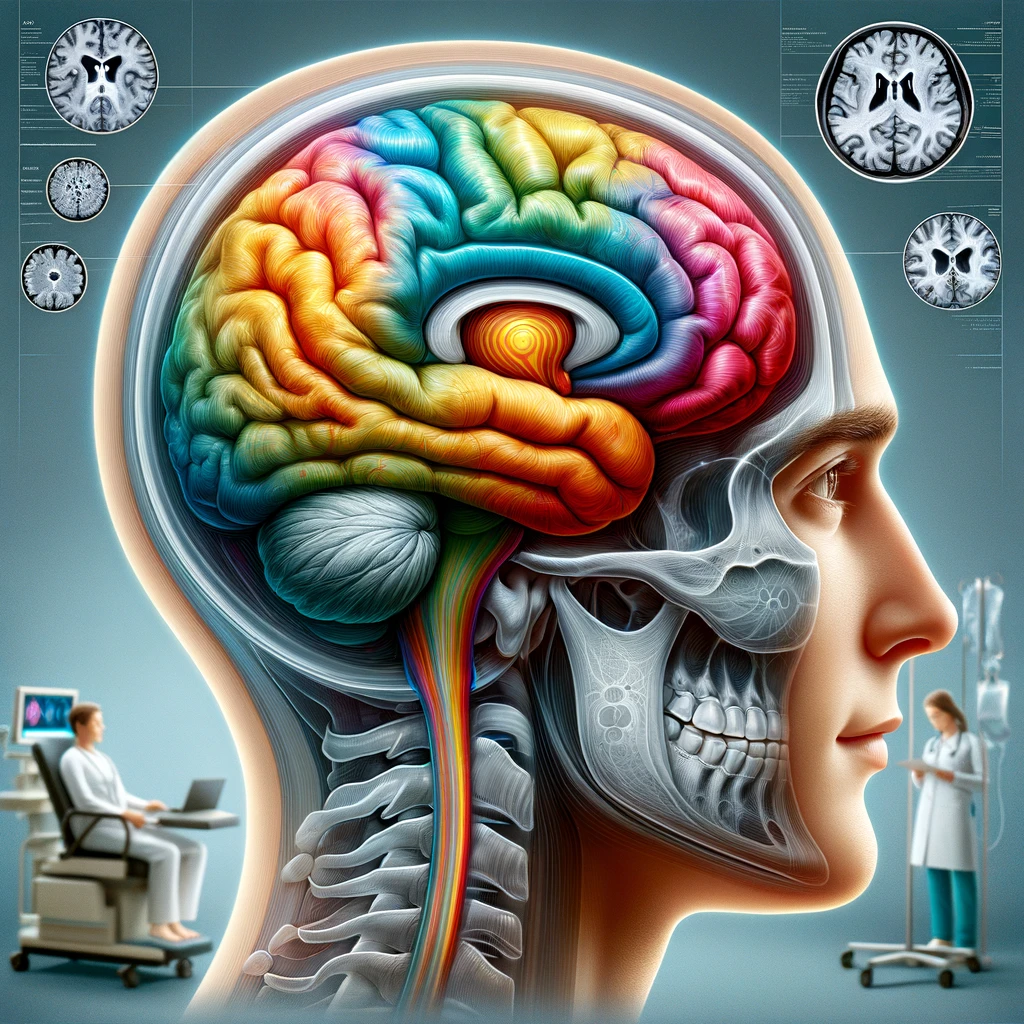

Receiving a diagnosis of functional neurological disorder (FND) can feel confusing, frightening, or even unreal, especially if you have spent a long time searching for answers. Understanding what this diagnosis actually means is a first step toward feeling more grounded and confident when you talk about it with others. FND describes a problem with how the brain and nervous system function, not with permanent structural damage such as a tumor, stroke, or multiple sclerosis lesion. In FND, the brain is having difficulty sending and receiving signals correctly, which leads to very real and often disabling symptoms like weakness, seizures, tremors, sensory changes, or difficulties with speech, movement, or walking.
Many people initially worry that FND means their symptoms are “all in their head” or that they are somehow imagining or faking them. This is not what the diagnosis means. Your symptoms are genuine, involuntary, and can be just as severe and life-altering as symptoms caused by structural neurological conditions. The word “functional” refers to how the nervous system is working, not to whether you are trying hard enough or whether you are “functioning” well in daily life. Understanding this difference can reduce internalized stigma and make it easier to explain the condition to others without feeling ashamed or defensive.
Another important part of understanding FND is recognizing that it is a positive diagnosis, not a diagnosis of exclusion. In the past, people were sometimes told they had FND only after every other possibility had been ruled out. Now, specialists use specific clinical signs and patterns on examination that point directly to FND as the most accurate explanation for the symptoms. This shift matters because it reinforces that FND is a legitimate, evidence-based medical diagnosis rather than a last resort label. Knowing that there are identifiable features your clinicians used to reach the diagnosis can give you more confidence when you describe it to family, friends, or other health professionals.
Causes of FND are complex and often involve a mix of biological, psychological, and social factors, which can vary from person to person. Some people develop symptoms after an injury, infection, or other physical event; others notice symptoms emerging during or after periods of stress, trauma, or major life changes. In many cases, no single trigger can be identified. This does not make the condition any less real. Instead, it reflects how sensitive and interconnected the brain and body are. An education-focused approach that explores these factors without blame can help you create a narrative about your diagnosis that feels honest and respectful to your experience.
Because there is still a lot of misunderstanding about FND, you may have encountered dismissive comments or felt that professionals doubted your symptoms before you received this diagnosis. This history can make it hard to trust the new information you are being given. Seeking validation from clinicians who understand FND is an important part of making sense of the diagnosis. A provider who listens carefully, explains their reasoning, and invites your questions can help you feel that your experience is being taken seriously. This type of patient centered communication lays the groundwork for how you will describe your condition to others and how confident you will feel while doing so.
Understanding FND also includes knowing what the diagnosis does not say about you. It does not mean you are weak, attention-seeking, or to blame for your symptoms. It does not mean you can “just snap out of it” if you try hard enough, even though some symptoms can improve with rehabilitation, psychological support, and self-management strategies. It does not mean your future is fixed or hopeless. Many people with FND experience partial or even full improvement over time, especially when they have access to informed care and support. Holding onto this more accurate picture can help you correct misconceptions when you talk with others.
Learning about recommended treatments and management strategies is another key part of understanding your diagnosis. Treatment for FND often involves a combination of approaches, such as physiotherapy aimed at retraining movement, occupational therapy to support daily functioning, psychological therapies to help with coping and symptom management, and sometimes medications for coexisting issues like pain, anxiety, or depression. Knowing that there are practical, structured ways to work with your symptoms can make the diagnosis feel more manageable and less overwhelming, which in turn can make conversations about it feel less daunting.
It can also be helpful to recognize that FND exists along a spectrum. Some people have relatively mild, intermittent symptoms, while others experience severe and persistent difficulties that affect every area of life. Your own experience may change over time, with periods of improvement and periods where symptoms flare. Understanding this variability can prevent you from feeling like you have to fit one fixed picture when you explain your condition. Instead, you can describe FND as a recognized disorder that shows up uniquely in each person, including you.
Because FND is still unfamiliar to many, you might find it useful to gather reliable resources that explain the diagnosis in clear terms. Reputable websites, patient organizations, and educational materials from specialists can give you language you feel comfortable using, along with analogies or diagrams that make sense to you. Having this foundation allows you to choose what information to share and how deeply to go when different people ask about your condition. Being well-informed yourself does not mean you have to educate everyone, but it can make you feel more secure and less thrown off when questions arise.
Understanding an FND diagnosis involves giving yourself time to process your emotional response. Shock, relief, anger, grief, or even skepticism are all common. You might feel relieved to finally have a name for what is happening and at the same time upset about the impact it has had on your life. Allowing room for these mixed emotions does not mean you doubt the diagnosis; it means you are adapting to a major change. As you become more familiar with what FND is and is not, you are likely to find it easier to put your experience into words in a way that feels both truthful and compassionate toward yourself.
Choosing who to tell and when to share
Deciding who to tell about your diagnosis and when to share it is a deeply personal choice, and there is no single “right” plan that fits everyone. It can help to start by thinking about your own needs and boundaries before focusing on other people’s expectations. Ask yourself what you hope to gain from telling someone: Do you want emotional support, practical help, understanding at work or school, or simply to feel less alone? Being clear about your reasons can guide you toward the people who are most likely to respond in a supportive, patient centered way and away from situations that may feel exposing or unsafe.
You do not owe an explanation of your health to everyone in your life. It is okay to keep your diagnosis private from acquaintances, distant relatives, or people who have shown they are not good with sensitive information. One helpful approach is to mentally group people into “circles” of trust. Your inner circle might include those closest to you, such as a partner, a best friend, or a primary family member. These are people you may choose to tell sooner and in more detail. A second circle might include coworkers, classmates, or neighbors, who may only need limited information focused on how to best interact with you or support you in practical ways.
Timing matters as much as who you tell. Many people find it useful to wait until they have had at least one or two follow-up appointments with clinicians and have had some time to process the diagnosis themselves. This allows you to share information with more clarity and confidence instead of in the rawest moment of shock or fear. If your symptoms are changing or you are still undergoing tests, you might decide to say, “I’ve been given a preliminary diagnosis called FND, and I’m still learning what it means,” rather than feeling pressured to have all the answers from the start.
When you are considering telling someone, think about the setting and your own energy level. Conversations that involve vulnerability often go better when both people have time and privacy. You might choose a quiet time at home rather than a rushed moment in public or a noisy family gathering. Fatigue, pain, or recent symptom flares can make any discussion feel harder, so it may be kinder to yourself to wait until you feel relatively stable. Planning ahead can support clearer communication and reduce the risk of feeling overwhelmed mid-conversation.
If you worry about how someone might react, you can do a small “test” before sharing the full story. Bring up a general topic, such as chronic illness, mental health, or neurological conditions, and notice their attitudes. Do they respond with empathy or with judgment and stigma? Their reaction can help you decide whether to open up further, how much detail to share, or whether it may be healthier to keep your information more limited. Protecting yourself from repeated invalidation is a form of self-care, not secrecy or dishonesty.
It can be useful to prepare different versions of what you want to say, depending on the listener and the level of detail you are comfortable offering. A “short version” might simply be, “I have a neurological condition that affects how my brain and body communicate, and it sometimes causes symptoms like weakness or shaking.” A “long version” can include the name functional neurological disorder, how it was diagnosed, and what kinds of treatment or rehabilitation you are pursuing. Having these different scripts in mind can make it easier to respond in the moment without feeling put on the spot.
For some people, work or school is a priority area for disclosure because symptoms can directly affect performance, attendance, or safety. You may decide to tell a supervisor, human resources representative, professor, or disability services office before telling coworkers or classmates. In these situations, it can help to focus on the accommodations or adjustments you need rather than every detail of your medical history. For example, you might say, “I have a documented neurological condition that sometimes impacts my mobility and concentration. I’d like to talk about options for flexible scheduling or quiet workspace.” Framing the conversation around problem-solving supports shared decision making about practical solutions.
Family dynamics can make choices about sharing more complicated. Some relatives may have been with you through years of symptoms and appointments, while others may have had little idea anything was wrong. With close family members who have seen your struggles, sharing the diagnosis can bring relief and validation, giving a name to what has been happening. With more distant or skeptical relatives, it may be more protective to share only basic information or to delay talking until you feel more prepared. Remember that you are allowed to prioritize your peace over someone else’s curiosity.
Romantic partners or close friends often play an important role in day-to-day life with FND, so many people choose to tell them relatively early. You might start with how the condition affects you in practical terms—your energy, your ability to drive, your need for rest or help with certain tasks—before going into detailed explanations. Inviting them into your process, such as by sharing an article or video about FND or attending an appointment together, can foster a sense of teamwork instead of putting you in the role of sole educator. This kind of collaborative approach supports ongoing communication and can reduce misunderstandings down the line.
Sometimes situations arise where you have to decide quickly whether to disclose your diagnosis—for example, during an unexpected symptom flare in public, at airport security, or in an emergency room. In these moments, it can be helpful to have a brief statement prepared in advance, something you can say even when you are frightened or not feeling well. An example might be, “I have a condition called functional neurological disorder. When I get stressed or tired, I can have sudden weakness or shaking. It looks like a seizure, but it’s FND, and I need a safe place to rest and calm down.” Practicing a short explanation beforehand can make these urgent interactions smoother.
Over time, your choices about who to tell and when may change. As you gain more knowledge and confidence, you might feel ready to share with a wider circle, or you may realize that some relationships are not safe places for vulnerable information. Both shifts are allowed. You can always revise your boundaries, offer more detail later, or pull back if a conversation does not feel respectful. Listening to your own emotional responses during and after you talk with someone can guide your future decisions and help you build a support network where your experience is met with genuine understanding and validation.
Explaining fnd in clear, simple language
When you are ready to describe your condition to others, it often helps to begin with a very simple sentence and then add details only if the person is interested or needs to know more. You might say something like, “I have a neurological condition called functional neurological disorder, or FND. It affects how my brain sends and receives signals, which causes symptoms like [your main symptoms].” This kind of clear, straightforward introduction tells people that your condition is medical, real, and related to the nervous system without overwhelming them with technical language.
Because many people have never heard of FND, short comparisons or analogies can make it easier to understand. One way to explain it is, “My brain is like a computer with a software problem, not a hardware problem. The structure of the brain looks okay, but the way it is functioning is disrupted.” Another option is, “It’s like the wiring between my brain and body sometimes misfires, so my movements, sensations, or speech do not always work the way they should.” These images help people grasp that your symptoms are genuine and involuntary, even though standard scans may not show damage.
You can also clarify what FND is not, which can be just as important as describing what it is. Some people assume FND means you are “making it up” or that it is “just stress.” You might say, “My symptoms are not under my conscious control. I am not choosing them or faking them. Stress can sometimes make them worse, just like it can make asthma or migraines worse, but the condition itself is a recognized neurological disorder.” This kind of explanation pushes back gently against stigma without becoming defensive, and it helps you protect your own sense of legitimacy and dignity.
If you feel comfortable, you can briefly describe how doctors diagnosed FND to reinforce that it is a valid, evidence-based condition. For example: “The neurologist diagnosed FND based on specific signs they saw during my exam, not just because other tests were normal. There are patterns in how my symptoms behave that fit this diagnosis.” Sharing that the diagnosis was made through clinical expertise, and not just by ruling everything else out, can provide reassurance and validation to both you and the person you are talking to.
When choosing your words, it helps to match the level of detail to the person and the situation. For a casual conversation where someone only needs a basic idea, you might say, “I have a condition that sometimes affects my movement and energy. It’s called FND, and I work with doctors and therapists to manage it.” For someone closer to you, or a person who wants to learn more, you can expand: “FND affects how my brain and body communicate. For me, that shows up as [for example: episodes of weakness, tremors, speech problems, or blackouts]. I might look fine one moment and then suddenly struggle the next.” Clear, consistent language supports better communication and reduces confusion over time.
It can be useful to create a personal “script” ahead of time so you do not have to find the right words in the middle of an emotional moment. You might write down a few sentences that feel accurate and respectful to your experience, then practice saying them out loud. For instance: “I live with FND, a functional neurological disorder. That means there is a problem with how my nervous system is functioning, not permanent brain damage. It causes [your symptoms], which are real and involuntary. I’m working with healthcare professionals on treatment and coping strategies.” Repeating this script until it feels natural can make you feel more confident when questions come up unexpectedly.
Another part of explaining FND is focusing on how it affects your daily life, not just on medical details. People often understand better when they hear concrete examples. You might say, “Some days I have trouble walking steadily,” or “I can suddenly lose my ability to speak for a short time,” or “I get episodes that look like seizures, but they are non-epileptic events related to FND.” Describing what others might see or what you might need—such as rest breaks, help with stairs, or understanding about changes in your plans—turns an abstract diagnosis into something more relatable and practical.
If you are comfortable addressing mental health openly, you can add nuance without blaming yourself. For example: “FND sits at the intersection of the brain, body, and life experiences. Stress, trauma, or past difficulties can sometimes play a role, but that does not mean the symptoms are ‘just psychological’ or that I can simply think my way out of them. Treatment is often a combination of physical rehabilitation, psychological support, and lifestyle adjustments.” This kind of explanation acknowledges complexity while firmly rejecting the idea that the condition is a choice or a character flaw.
Some people respond well when you share that FND is increasingly recognized in neurology and rehabilitation medicine. You might say, “FND is now more widely understood than it used to be. There are specialists, research studies, and specific treatment approaches designed for it.” Mentioning that there is growing medical education about FND can help others see it as a legitimate, evolving field of care, rather than a vague or outdated label. For certain listeners, you could offer a website or resource from a reputable organization if they want to learn more, so you are not solely responsible for explaining everything yourself.
When talking with children or teenagers, simple and concrete language is especially important. For younger children, you might say, “My brain sometimes sends mixed-up messages to my body, so my muscles or speech do not always work the way I want them to. The doctors know what it is, and I’m doing special exercises and treatments to help.” For older children or teens, you can add, “It’s called functional neurological disorder, which means it’s about how the brain works, not about permanent damage.” Answering questions honestly but briefly, and checking what they understood, helps reduce fear and confusion.
It is normal to feel emotional when explaining your diagnosis, especially if you have previously faced disbelief or hurtful comments. You can name this if it feels right: “It’s hard for me to talk about this because in the past I was not always believed. But I want you to understand what’s going on now.” Sharing this gently can invite a more patient centered response and encourage the other person to listen with care. It also gives you space to honor your own history without letting it silently shape the whole conversation.
In situations where you need to keep things very brief—like in a busy waiting room, at airport security, or during a quick work interaction—a single sentence can be enough: “I have a neurological condition that can cause sudden movement or speech problems, so I may need a moment or some assistance.” If someone presses for more information and you do not want to share, it is acceptable to say, “I’m not up for going into detail right now, but thank you for understanding.” Protecting your boundaries during these explanations is as important as getting the facts across.
Over time, you may find that your preferred language shifts as you gain more knowledge, confidence, and support. Early on, you might lean heavily on your doctor’s words: “My neurologist says I have FND, which is…” Later, you may develop your own way of describing the condition that feels more natural and authentic to you. Paying attention to which explanations lead to understanding, compassion, and validation—and which ones leave you feeling misunderstood or drained—can guide you in refining how you talk about FND going forward.
Handling difficult reactions and misconceptions
Encountering difficult reactions after sharing your diagnosis can be deeply painful, especially if you have already faced years of uncertainty or dismissal. When someone responds with doubt, confusion, or hurtful comments, it often reflects their lack of understanding, not the legitimacy of your condition. Reminding yourself of this distinction can help protect your sense of self. Your symptoms and experience do not become less real because someone else struggles to accept them. Seeking validation from informed professionals, peers with FND, or trusted friends can counterbalance the impact of less supportive reactions.
Many people with FND run into common misconceptions, such as “It’s all in your head,” “You must be exaggerating,” or “If tests are normal, you must be fine.” Preparing brief, calm responses in advance can make these moments easier to navigate. For example, you might say, “My condition affects how my brain and body communicate. The tests rule out structural damage, but they do not mean nothing is wrong,” or, “My symptoms are involuntary. I would not choose to experience this.” Having phrases ready means you do not have to improvise while feeling shocked or hurt.
Some reactions will be clumsy but well-intentioned. People may say things like, “At least it’s not something worse,” “You look so healthy,” or “Maybe if you just relaxed more, you would get better.” In these cases, you can gently redirect the conversation while acknowledging their attempt to help: “I know you’re trying to look on the bright side, but comments like that can feel dismissive. This condition really does affect my daily life,” or, “Stress can make my symptoms worse, but the underlying condition is more complex than that.” Clear communication about what is and is not helpful can guide those who genuinely want to support you.
Other reactions may be openly skeptical or stigmatizing, especially when people conflate FND with choice, weakness, or character flaws. If someone suggests you are faking, seeking attention, or “just anxious,” you are not obligated to convince them otherwise. You might state your boundary firmly but calmly: “My diagnosis was made by a neurologist using specific clinical signs. I’m not going to debate whether my symptoms are real,” or, “If you cannot respect that this is a genuine medical condition, we may need to avoid this topic.” Protecting yourself from repeated stigma is a form of self-care, not a failure to explain well enough.
It can be helpful to decide in advance which relationships are worth investing energy in when it comes to correcting misconceptions. With people who are important in your life—partners, close family, key friends—you may choose to put in more effort and patience. You might share reputable resources, invite them to a medical appointment, or say, “Understanding this condition is part of understanding me. It would mean a lot if you could read this information or come with me to hear the doctor explain it.” This kind of shared learning can turn confusion into collaboration and support a more patient centered approach within your relationships.
When someone reacts with fear or grief—perhaps a parent who worries about your future or a partner who is scared about what this means for your lives—it can lead to comments that feel negative but are rooted in anxiety. If you have the emotional space, you might name what you are hearing: “I can see this is really scary for you,” and then gently shift the focus: “I’m scared too, but we’re learning more about FND, and there are treatment options. What I need most right now is your patience and encouragement.” This acknowledges their feelings while still centering your needs.
In situations where a conversation becomes heated or dismissive, giving yourself permission to pause or leave can be crucial. You can say, “This conversation is becoming overwhelming for me. Let’s take a break and talk another time,” or, “I’m going to step away now because I need to take care of my health.” You do not have to stay in discussions that repeatedly undermine your reality or shame you for being ill. Walking away is not a sign of weakness; it is an act of protecting your mental and physical wellbeing.
Sometimes the hardest misconceptions to address are the ones you have internalized yourself, especially if you have faced years of invalidation before receiving an accurate diagnosis. You might catch yourself thinking, “Maybe I am making this up,” or, “If I can do this task sometimes, maybe I should always be able to.” Talking back to these thoughts with facts can help: “FND is a recognized neurological condition,” “Symptoms can fluctuate,” and “My experience is valid even when others do not see it.” Therapy, peer support groups, and education about FND can all help reduce this internalized stigma.
When you are dealing with repeated misunderstandings, it can help to separate education from emotional support. Some people will be good sources of comfort but not very informed; others may be curious and willing to learn but less emotionally attuned. You do not have to get everything from one person. You might lean on a trusted friend for empathy, a therapist for coping strategies, a specialist for medical information, and an FND community for shared experience. Spreading out your needs in this way can reduce disappointment when one particular person cannot provide the response you hoped for.
Using written materials can sometimes reduce the emotional intensity of difficult conversations. If talking in person feels too charged, you might write a letter or email explaining your diagnosis, include a short summary of FND, and describe what kind of response would feel supportive. For instance, “I’m sharing this because your understanding matters to me. What I need most is to be believed and not told it is ‘just in my head.’ If you have questions, I’m open to them, but please know that it can be tiring for me to explain everything in detail.” Written communication gives both you and the other person time to process and respond thoughtfully.
In group settings, such as family gatherings or social events, difficult reactions can feel especially intense because they happen in front of others. It can help to have a brief, neutral response ready if someone makes a minimizing or joking remark: “That comment is not okay; this is a serious condition for me,” or, “I’d rather not talk about my health in a group setting. If you have questions, we can talk privately another time.” If you have an ally in the group, you might also ask them ahead of time to help redirect the conversation if things become uncomfortable.
Not every misconception has to be corrected in the moment. When you are exhausted, in pain, or actively experiencing symptoms, your first priority is your own safety and comfort. You might say, “I can’t explain this properly right now, but I’m happy to share more another day,” or simply, “I’m not up for this discussion at the moment.” Giving yourself permission to postpone difficult conversations can prevent additional stress and symptom flares.
Over time, you may notice patterns in which explanations are more likely to lead to understanding and which tend to provoke argument or disbelief. Paying attention to these patterns allows you to adjust your approach. You might decide to keep explanations very simple with certain people, while sharing more complex information, such as the role of brain networks and functional changes, with those who show genuine curiosity and respect. This kind of flexible, experience-based communication strategy lets you conserve energy and invest it where it is most likely to lead to genuine validation and support.
Ultimately, handling difficult reactions involves balancing your desire to be understood with your right to emotional safety. You are allowed to correct misinformation, to say “I do not want to discuss this further,” to choose who earns more detailed explanations, and to seek out spaces where your diagnosis is met with empathy rather than suspicion. Each time you respond in a way that respects your limits, you reinforce the message—to yourself as much as to others—that your experience with FND is real, deserves respect, and does not have to be constantly defended to be true.
Advocating for yourself in medical settings
Navigating medical appointments with FND can feel intimidating, especially if you have previously been dismissed or misunderstood. Preparing ahead of time can strengthen your voice and create more patient centered care. Before an appointment, write down your main concerns: new or worsening symptoms, specific questions, and any changes in how FND affects your daily life. Prioritizing two or three key points helps you stay focused even if you feel anxious, rushed, or unwell in the moment. Bringing a written list also signals to clinicians that you are organized, engaged, and serious about your health.
Medical environments often move quickly, so thinking about what you want from each visit supports clearer communication. You might ask yourself, “Do I want more information about FND itself, help with symptom management, a referral to a specialist, or documentation for work or school?” Naming your goals early in the appointment—for example, “Today I’d like to focus on my mobility issues and options for physiotherapy”—can guide the conversation and reduce the chance that your most important needs get pushed aside by time pressure or routine questions.
Because FND is still unfamiliar to many healthcare professionals, you may sometimes find yourself in the role of educator. This can be tiring, but a small amount of strategic education can improve your care. Consider bringing a brief, reputable handout or a link from an FND organization or specialist clinic to share with clinicians who seem unsure. You might say, “This resource explains my diagnosis and current treatment guidelines. It has helped me understand things, and I hope it’s useful for you too.” Introducing information this way keeps the tone collaborative rather than confrontational.
Describing your symptoms in concrete, observable terms often leads to better understanding than general statements like “I feel bad.” Instead, try to explain what happens, how often, and what it stops you from doing. For example: “Several times a week, I suddenly lose strength in my legs and cannot walk safely for 10 to 20 minutes,” or, “I have non-epileptic seizures two or three times a week, and afterward I’m so exhausted I cannot work or drive.” Linking symptoms to specific impacts—such as falls, missed work, or difficulty caring for yourself—helps clinicians appreciate the seriousness of your situation.
It can be useful to track your symptoms between visits using a notebook, app, or calendar. Note the frequency, duration, and triggers of episodes, along with factors that seem to help or worsen them (such as sleep, stress, sensory overload, or physical activity). Bringing this record to appointments gives your clinicians concrete data, supports more accurate assessment, and can inform shared decision making about treatment options. Instead of relying on memory under pressure, you can say, “Here is my log for the last month; you can see that my episodes increased when I returned to work full-time.”
Asking clear questions is a key part of advocating for yourself. If you do not understand something, it is okay—and important—to say so. Phrases like, “Can you explain that in simpler language?” or, “I’m not sure I understand how this relates to my FND,” invite the clinician to slow down and clarify. You can also ask, “What are the realistic goals of this treatment?” “What are the potential side effects or downsides?” and “How will we know if it’s working?” These questions help you participate actively rather than feeling like things are just happening to you.
If you sense doubt or stigma from a clinician—for example, if they imply your symptoms are exaggerated or “just stress”—you are allowed to respond calmly but firmly. You might say, “I understand that FND can be complex, but my symptoms are real and significantly impact my life. I’m looking for support in managing them,” or, “This diagnosis was made by a neurologist based on specific clinical signs. I need my care here to be based on that understanding.” Naming your diagnosis and its legitimacy can gently redirect the conversation away from assumptions and back to evidence-based care.
Bringing an advocate with you, such as a trusted friend, partner, or family member, can make a major difference. They can help you remember what was said, take notes, and speak up if you get overwhelmed or your symptoms flare during the appointment. Before the visit, talk with them about what role you want them to play—quiet support, active note-taker, or someone who will ask questions on your behalf. You might say, “If I freeze or lose my words, please remind the doctor about my diagnosis and ask them to give me a moment.” Having someone in your corner can provide both emotional reassurance and practical backup.
When discussing treatment options, try to frame the conversation as a partnership. Shared decision making means you and your clinician work together to choose plans that match your values, goals, and circumstances. You can support this by saying, “Here’s what matters most to me right now—being able to walk safely and reduce my non-epileptic seizures. What options do we have, and what do you recommend?” If a suggestion does not feel realistic or safe, speak up: “That schedule feels too intense for my current energy. Is there a way to start more gradually?” Your lived experience is critical data that should shape the plan.
Sometimes you may need to ask directly for referrals or specific kinds of care, especially if your clinician is not yet familiar with FND pathways. You might say, “I’ve learned that physiotherapy with someone experienced in FND can help with movement and gait. Is there anyone you can refer me to?” or, “I’ve heard that psychological therapies can support symptom management and coping. Can we discuss a referral to someone who understands FND?” These requests are not demands; they are reasonable, informed steps in advocating for comprehensive care.
If you encounter a clinician who minimizes your symptoms, rushes you, or seems unwilling to learn, it is okay to seek a second opinion when possible. You might say, “I appreciate your time, but I feel my concerns aren’t being fully addressed. I’d like a referral for a second opinion with someone who has more experience with FND.” You are not being disloyal or “difficult” by doing this; you are exercising your right to appropriate care. Keeping a written record of these interactions can also help if you later need to file a complaint or explain gaps in your treatment history to a new provider.
Appointment time is limited, so having a simple summary of your FND story can be helpful. This might include when your symptoms began, how the diagnosis was made, your key symptoms now, and what treatments you have already tried. For example: “My symptoms started three years ago after a mild concussion. A neurologist diagnosed FND based on my exam and specific signs like Hoover’s sign. I currently have non-epileptic seizures and leg weakness. I’ve tried standard physiotherapy, which made things worse, but I haven’t yet had FND-informed rehab or psychological support.” A brief, structured overview can prevent repetition and keep the conversation moving forward.
It is also important to ask about what to do in crisis situations. For instance, if you experience FND-related seizures or sudden paralysis, ask, “What should I or my family do during an episode? When is it appropriate to go to the emergency room, and what information should I give them?” Having a clear plan reduces fear and overuse of emergency services while ensuring you still receive appropriate care when genuinely needed. You might carry a short written summary or medical alert card that explains your diagnosis and basic recommendations for emergency staff.
Advocating for yourself also includes checking that notes and letters about you are accurate. When possible, you can say, “Could I see the summary note from today’s visit?” or, “Please make sure my diagnosis of functional neurological disorder is clearly documented.” If you notice errors or language that feels stigmatizing—such as “symptoms likely psychological” without reference to FND—you can request corrections: “My diagnosis is FND, a functional neurological disorder. Could the note reflect that more accurately?” Clear, respectful documentation helps future clinicians understand your condition and reduces the risk of repeated misinterpretation.
Sometimes the most powerful advocacy is simply asking, “What are the next steps?” at the end of every appointment. Clarifying what will happen—referrals, follow-up appointments, tests, changes in medication, or new self-management strategies—helps you leave with a concrete plan instead of confusion. You can also ask, “If I have questions after I leave today, what’s the best way to reach you or the clinic?” Knowing how to get follow-up support can ease anxiety and improve continuity of care.
Throughout all these interactions, reminding yourself that you deserve respectful, evidence-based care is vital. FND does not make you less worthy of time, attention, or treatment than someone with a more familiar diagnosis. When you encounter validation—from a clinician who listens, from a therapist who recognizes the complexity of FND, or from a rehabilitation specialist who understands how to work with your symptoms—notice how that feels and look for ways to build on those relationships. Over time, a network of informed, patient centered professionals can make managing FND more sustainable and less isolating.