
- Clinical features suggestive of alternative diagnoses
- Inconsistencies in symptom presentation
- Role of psychiatric comorbidities
- Importance of detailed neurological examination
- Misdiagnosis and its implications
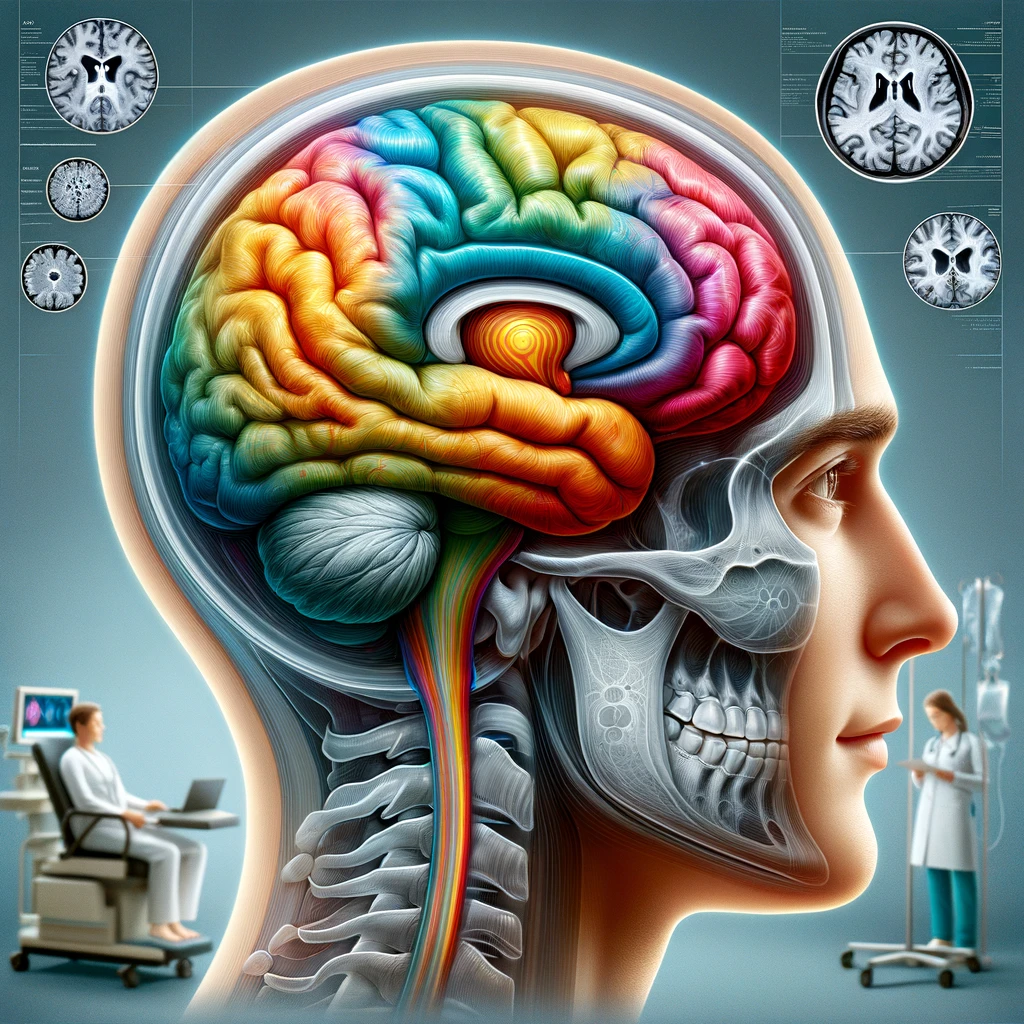
When evaluating a patient suspected of having Functional Neurological Disorder (FND), it is crucial to remain vigilant for clinical features that suggest an alternative neurological or systemic diagnosis. Recognising these red flags can help prevent misdiagnosis and allow for the correct management path. For instance, the presence of sudden-onset focal neurological deficits, such as hemiparesis accompanied by convulsions and altered consciousness, may suggest conditions like stroke or epileptic seizures rather than FND.
Further exclusion criteria to consider include abnormal findings on neuroimaging or electroencephalogram (EEG) that point to structural or electrical abnormalities. The detection of demyelinating lesions, infarcts, or epileptiform activity on relevant investigations should prompt reconsideration of the initial assumption of FND. Similarly, progressive symptoms over time are less characteristic of FND and may be indicative of neurodegenerative diseases such as multiple sclerosis or motor neurone disease, which require different therapeutic interventions.
The nature and progression of sensory symptoms can also provide clues. Sensory loss that conforms to a dermatomal or peripheral nerve distribution is more typical of organic pathology, whereas non-anatomical patterns of sensory loss may lean towards FND. However, these must be interpreted in the context of the full clinical picture, and not relied upon in isolation.
In addition, systemic features such as fever, weight loss, night sweats, or lymphadenopathy raise suspicion of systemic illnesses including infection, malignancy, or autoimmune disease. These features fall outside the expected presentation of FND and warrant thorough investigation to ensure an accurate diagnosis is made. Early identification of such signs can facilitate timely referral to other specialties where appropriate.
It is also important to remember that coexisting conditions can obscure the clinical picture. For example, a patient with a known diagnosis of epilepsy may also develop functional seizures. In such cases, discerning the boundaries between functional and organic symptoms necessitates comprehensive assessment and potentially multidisciplinary input.
Inconsistencies in symptom presentation
Clinicians must pay close attention to inconsistencies in symptom presentation when assessing patients suspected of having FND. A key indicator of functional symptoms is the variability of presentation across clinical contexts, especially when symptoms are observed to fluctuate significantly between voluntary and involuntary settings. For instance, a patient exhibiting pronounced limb weakness during examination may demonstrate normal strength when distracted or engaged in a different task—this inconsistency can be an important red flag for FND rather than an organic neurological condition.
Another notable characteristic is the presence of non-anatomical patterns of dysfunction. Weakness or sensory loss that does not conform to recognised neuroanatomical pathways—such as hemianesthesia stopping exactly at the midline or a pattern of give-way weakness with minimal resistance—should prompt careful evaluation. These findings often stand in contrast to the consistent and localised deficits seen in organic pathology, and their presence may support a functional diagnosis when considered within the broader clinical context.
Moreover, symptom variability over time or in different settings can be revealing. Patients may describe severe disabilities that are inconsistent with their observed functional abilities outside of the clinic—for example, someone using a wheelchair in the examination room yet seen walking unaided in another context. While such observations must be interpreted cautiously and empathetically, they play an essential role in differentiating FND from other neurological disorders. These mismatches between reported and observed function serve as important exclusion criteria for alternative diagnoses.
Fatigue and pain are also frequently reported features in those with FND, but their fluctuating intensity and diffuse nature—lacking a clearly localised pathology—can further complicate the diagnostic picture. In these cases, inconsistencies in how the patient describes or demonstrates symptoms may help distinguish between functional and organic causes.
It is vital to highlight that identifying inconsistencies is not about disbelieving the patient’s experience, but about recognising specific clinical signs that support an accurate diagnosis. These patterns, when interpreted as part of a thorough diagnostic assessment, add essential weight to the functional formulation. Careful documentation of such observations is crucial, particularly in situations where diagnostic clarity may later be called into question.
Inconsistencies in symptom presentation are not only diagnostic aids but also assist in excluding alternative medical explanations. When used judiciously and in conjunction with other red flags, they help clinicians arrive at a more confident and precise identification of FND, thus promoting appropriate management and preventing unnecessary investigations or treatments.
Role of psychiatric comorbidities
Psychiatric comorbidities are frequently observed in patients with Functional Neurological Disorder (FND) and must be considered carefully as part of a thorough diagnostic process. The presence of underlying psychological distress—whether current or historical—may influence symptom development and presentation, although its presence is not a prerequisite for an FND diagnosis. Nonetheless, identifying such comorbid factors can offer important insights into potential aetiological contributors and guide more effective management strategies.
Common psychiatric conditions occurring alongside FND include mood disorders such as depression, anxiety disorders, traumatic stress responses, and personality disorders. In particular, patients with a history of significant psychological trauma—especially when unresolved—are at increased risk of developing functional neurological symptoms. The link between adverse childhood experiences and somatic symptom presentations in adulthood is well-established and should be explored sensitively during patient interviews. These factors do not serve solely to explain symptoms but rather to help contextualise them within a broader biopsychosocial framework.
One of the key red flags pointing towards a functional presentation is the co-occurrence of symptoms that appear linked to periods of heightened emotional arousal or psychological stress. Episodes suggestive of dissociative seizures, for example, often co-occur with heightened anxiety or stress and lack the electrophysiological changes seen in epileptic seizures. It is important that clinicians distinguish such presentations from primary neurological disorders, using psychiatric indicators as part of the overall exclusion criteria to ensure an accurate diagnosis is made.
It is worth noting, however, that psychiatric comorbidities can also be present in patients with clear organic neurological conditions, and they should not be considered diagnostic of FND in isolation. The emphasis, therefore, is not on using psychiatric symptoms to label patients, but rather to gain an understanding of the entire person, including their psychological resilience, coping mechanisms, and interpersonal context. Integrated care involving both neurologists and mental health professionals is often essential in these cases to optimise outcomes.
Moreover, some psychiatric symptoms may mimic or mask neurological presentations, making it difficult to delineate the underlying cause of functional symptoms. For instance, severe anxiety may lead to hyperventilation-induced paraesthesia, which may initially appear neurological in nature. Similarly, dissociative phenomena can present with transient sensory or motor loss. These overlapping features make it all the more essential to assess for comorbid psychiatric conditions as part of diagnostic clarification.
Understanding and documenting these psychiatric dimensions do not detract from the validity of patients’ experiences, but rather strengthen the clinical rationale towards an accurate diagnosis of FND. When interpreted within the full diagnostic context—including signs of inconsistency and atypical clinical features—psychiatric comorbidities serve as important corroborative evidence in distinguishing functional symptoms from other neurological illnesses. Early recognition of these factors also facilitates appropriate referrals for psychological support, which form a cornerstone of effective treatment for FND.
Importance of detailed neurological examination
A meticulous neurological examination is essential when evaluating patients for Functional Neurological Disorder (FND), as it provides a structured framework to detect both positive signs of functional symptoms and red flags that may suggest alternative diagnoses. Performing a comprehensive and standardised examination not only helps in identifying inconsistencies but also ensures exclusion criteria are judiciously applied, thereby supporting an accurate diagnosis.
One of the key components of the neurological examination in suspected FND is the identification of positive functional signs—specific findings that are incompatible with recognised neurological disease. For example, Hoover’s sign, wherein involuntary hip extension improves when the contralateral hip is flexed against resistance, is a classic demonstration consistent with functional limb weakness. Similarly, gait abnormalities in FND often defy categorisation, such as a wildly unsteady but non-injurious walk, or gait freezing that resolves with distraction. These signs not only demonstrate that symptoms are real but also provide concrete evidence pointing away from structural neurological pathology.
Inconsistencies during examination are crucial diagnostic indicators. Weakness that varies with attention or test manoeuvre, non-dermatomal sensory loss, or facial involvement that does not follow the typical pattern of upper and lower motor neuron lesions are findings that require thorough scrutiny. A detailed cranial nerve assessment, reflex testing, coordination checks, and examination of tone and power in multiple body regions allow for fine-grained observation of such inconsistencies, revealing whether they align with organic neurological patterns.
Beyond identifying positive signs of FND, the neurological examination must also aim to detect features that mandate further investigation to rule out other conditions. For instance, evidence of spasticity, clonus, or a definite upper motor neurone pattern may suggest underlying structural central nervous system pathology. Likewise, cerebellar signs such as nystagmus or intention tremor should prompt consideration of alternative diagnoses. These findings serve as important exclusion criteria and highlight the significance of a methodical approach.
Particularly in the context of seizure-like episodes, differentiating between functional (dissociative) seizures and epileptic seizures relies heavily on the detailed observation of semiology during an event and follow-up examination. Features such as asynchronous limb movements, prolonged duration, gradual onset and cessation, and preserved awareness during apparent convulsions are more suggestive of FND. In contrast, tongue biting (especially lateral), post-ictal confusion, and incontinence are more typical in epileptic seizures and should be noted as red flags indicating alternative pathology.
Functional symptoms can often coexist with a neurological disorder, making the task more complex. Therefore, repeated neurological assessments may be necessary to capture evolving signs and clarify ambiguous cases. When examination findings remain equivocal, adjunct investigations such as imaging or neurophysiological studies may help confirm functional signs or exclude concurrent organic pathology. However, these should complement, not replace, a thorough bedside neurological evaluation.
Ultimately, the value of a detailed neurological examination lies in its ability to provide not just diagnostic clues, but a foundation for therapeutic rapport. Demonstrating physical signs that confirm the patient’s symptoms are real—though not caused by disease damage—can be hugely beneficial in conveying the legitimacy of an FND diagnosis. The examination becomes a tool for both accurate diagnosis and patient engagement, allowing clinicians to align clinical findings with empathetic communication and appropriate management pathways.
Misdiagnosis and its implications
Misdiagnosis in the context of Functional Neurological Disorder (FND) carries significant and wide-reaching consequences, both for patients and clinicians. Incorrectly diagnosing an individual with FND when an underlying organic neurological condition is present can lead to delays in appropriate treatment, worsening of symptoms, and loss of trust in the healthcare system. Alternatively, misattributing genuine functional symptoms to a structural disease may result in unnecessary investigations or harmful interventions, compounding the patient’s distress and undermining an accurate diagnosis.
One of the most critical implications of misdiagnosis is the psychological impact it has on patients. When symptoms are misinterpreted—whether dismissed as “not real” or inappropriately medicalised—it often leads to frustration, confusion, and erosion of therapeutic rapport. A key component of managing FND effectively is validating the patient’s experience while offering a clear and credible explanation of the disorder. A misdiagnosis therefore not only fails to provide clarity but also reinforces mistrust and negatively affects compliance with future management strategies.
Clinicians themselves are not immune to the ramifications of misdiagnosis. Diagnostic errors may expose them to medicolegal risk or reputational harm, particularly when red flags or exclusion criteria were not thoroughly assessed or documented. In medical settings where time pressures are considerable, the subtle signs that distinguish FND from alternative diagnoses may be overlooked, underscoring the importance of a structured and cautious diagnostic approach. Ensuring that inconsistencies, positive functional signs, and psychiatric comorbidities are carefully evaluated mitigates this risk and supports a more robust diagnostic framework.
Misdiagnosis can also burden the healthcare system through repeated referrals, unnecessary investigations, and inappropriate use of diagnostic resources. Patients who receive an incorrect diagnosis may undergo multiple imaging studies, invasive procedures, or even neurosurgical interventions that not only fail to bring relief but also introduce new health risks. Identifying FND early through recognition of characteristic hallmarks and strict application of exclusion criteria can reduce healthcare utilisation and enable more targeted and effective care.
Moreover, the experience of being misdiagnosed often delays access to appropriate services, such as neuropsychiatric input or psychological therapies, which are central to the evidence-based management of FND. Patients may spend months or even years without receiving treatment that aligns with the true nature of their symptoms, resulting in chronicity, social withdrawal, and occupational impairment. This prolonged disability highlights the need for timely and accurate diagnosis grounded in both clinical acumen and patient-centred communication.
One must also be aware that the reverse is equally problematic: attributing all unexplained neurological symptoms to FND without acknowledging the potential for concurrent organic pathology. Co-occurrence of functional and organic conditions is more common than often appreciated. A vigilant approach that encompasses regular reassessment and an openness to re-evaluating the diagnosis is essential, especially when new symptoms emerge or existing symptoms fail to respond to standard therapies.
Educating clinicians about the clinical features of FND and promoting familiarity with its positive diagnostic features can significantly reduce rates of misdiagnosis. Encouraging the identification of red flags, performing comprehensive neurological examinations, and interpreting findings within a biopsychosocial model promotes diagnostic accuracy and prevents erroneous labelling. Ultimately, a precise and confident diagnosis of FND, grounded in exclusion criteria and supported by a thoughtful clinical approach, is the cornerstone of appropriate treatment and patient recovery.