
- Recognising common FND presentations
- Differentiating FND from medical emergencies
- Effective communication with patients
- Appropriate on-scene response strategies
- Training resources and ongoing education
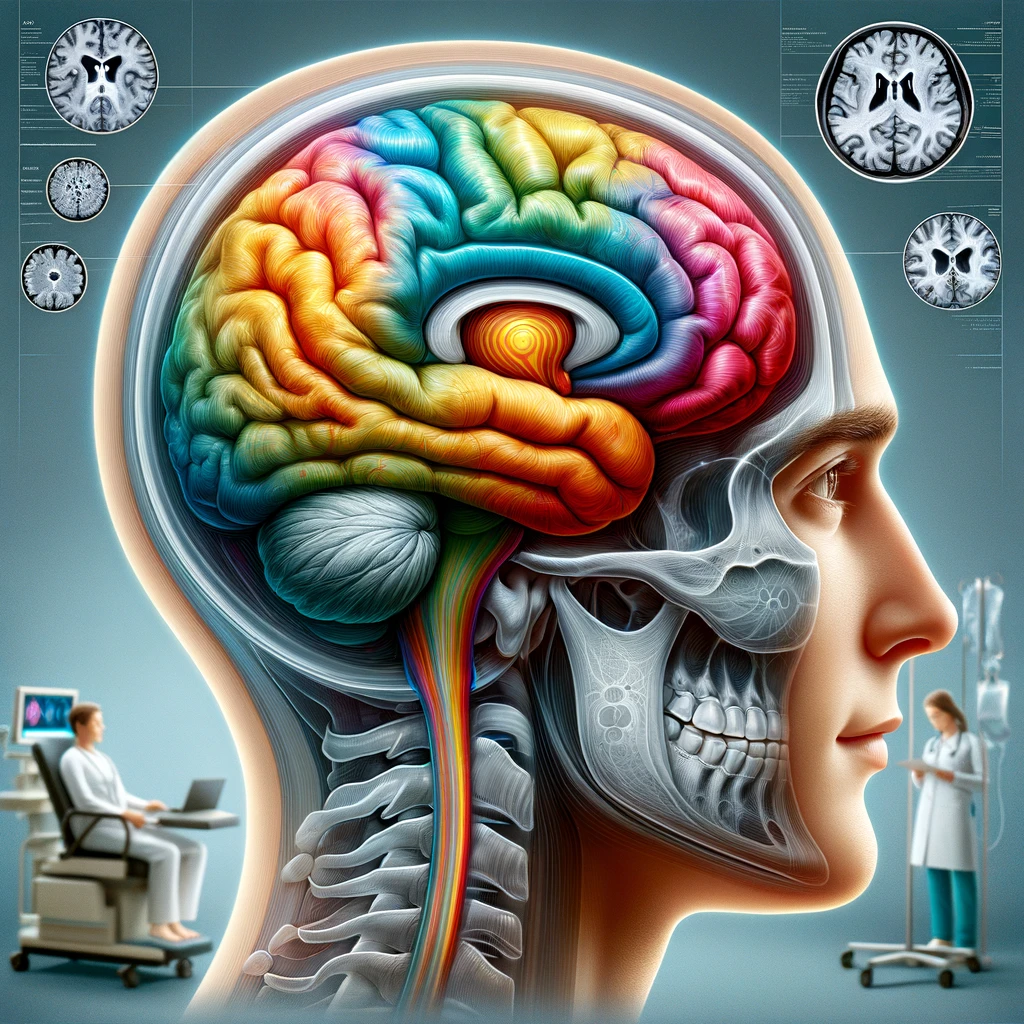
Functional Neurological Disorder (FND) can present in a wide variety of ways that often mimic other serious medical conditions, making prompt and accurate recognition particularly challenging for emergency services personnel. Unlike typical neurological disorders caused by structural damage or disease, FND symptoms are due to malfunction in the nervous system’s functioning, often without identifiable damage on standard scans or tests. For first responders, becoming familiar with these presentations is essential in order to avoid unnecessary interventions and provide appropriate care.
Common FND presentations include non-epileptic seizures (also known as dissociative seizures), limb weakness or paralysis that does not align with known nerve distributions, movement disorders such as tremors or abnormal gait, and speech disturbances like whispering or stuttering. These symptoms may fluctuate rapidly and appear inconsistent, which can be perplexing in an emergency setting. Importantly, such features do not necessarily mean patients are feigning illness; these symptoms are as distressing and real to individuals experiencing them as those arising from other neurological conditions.
In particular, non-epileptic seizures may outwardly resemble epileptic seizures but usually lack the stereotyped features of generalised tonic-clonic episodes. They can be prolonged, involve violent movements, and lack a postictal phase. First responders might observe closed eyes during the event, asynchronous limb movements, or a lack of physical exhaustion afterwards—features that should raise clinical consideration of FND, even while continuing to rule out other medical emergencies.
Awareness of FND also involves recognising triggers or patterns that typically do not affect organic conditions. For example, symptoms might emerge in a context of psychological stress, following a minor injury, or with no apparent cause at all. Recognising these circumstances can serve as important clues, particularly when paired with reported history of previous FND episodes or ongoing mental health concerns.
Raising patient awareness and fostering sensitivity to these presentations within emergency services and healthcare training environments ensures that responders are not only identifying FND signs more accurately but also developing an empathetic and non-judgemental approach to care. FND patients often report feeling misunderstood or dismissed, and this lack of validation can worsen symptoms or hinder recovery. Therefore, the ability to recognise common FND features is the first critical step in delivering effective, respectful, and competent care in urgent situations.
Differentiating FND from medical emergencies
Correctly distinguishing Functional Neurological Disorder (FND) from acute medical emergencies is a crucial skill for emergency services personnel, as misidentification can lead to unnecessary interventions or inappropriate treatment pathways. While FND can present with dramatic and alarming symptoms, including apparent seizures, paralysis, or loss of consciousness, these manifestations often occur without underlying structural or physiological abnormalities, marking a key distinction from organic medical emergencies.
One of the principal challenges in such situations is differentiating non-epileptic seizures from epileptic ones. Although visually similar, non-epileptic seizures associated with FND typically differ in onset and duration, lack a postictal phase, and tend to involve irregular, asynchronous movements. Moreover, patients may remain responsive or show resistance to eye-opening, a feature not commonly seen in epileptic seizures. First responders should also be vigilant for prolonged episodes without signs of physical exhaustion post-event, which may indicate a functional origin rather than a neurochemical crisis.
When encountering symptoms like acute limb weakness or aphasia, it is essential to consider the pattern and distribution of the impairment. In strokes, for example, deficits usually correspond to vascular territories. In contrast, FND-related weakness often fails to follow anatomical pathways, such as inconsistent motor function or rapid alternation between symptom presence and absence. The Hoover sign, for instance, can be used on scene to assess for functional leg weakness—it can indicate volitional strength when the patient is unaware of being assessed.
Emergency clinicians must also be alert to the possibility of FND in cases where diagnostic tools (such as electrocardiograms, blood glucose measurement, and neurological observations) yield unremarkable results despite the severity of the presentation. A thorough, rapid assessment is needed to rule out life-threatening conditions—such as stroke, myocardial infarction, hypoglycaemia, or infection—before considering a functional diagnosis. However, once critical conditions are excluded, awareness of FND allows for a shift toward a more appropriate and supportive care pathway.
It is essential that healthcare training includes modules on recognising and managing FND, so emergency responders are equipped with the knowledge and confidence to make these distinctions under pressure. Avoiding over-medicalisation and reducing unnecessary hospital admissions not only conserves valuable resources but also spares the patient the potential psychological harm of unduly invasive investigations.
Enhancing patient awareness is another important aspect of this process. When patients are informed about their symptoms and understand that FND is a legitimate neurological condition, anxiety may decrease, facilitating better engagement with future therapeutic interventions. The initial response delivered by emergency services can play a pivotal role in shaping a patient’s perception of their illness and the care they receive.
Effective communication with patients
Effective communication with individuals experiencing symptoms of Functional Neurological Disorder (FND) is essential to ensure a compassionate and effective emergency response. Emergency services personnel are often the first point of contact, and their approach can significantly influence patient outcomes and long-term engagement with the healthcare system. One of the most important elements in managing FND on scene is validating the patient’s experience. Despite the functional nature of the symptoms, patients are not in control of what is happening to them and often feel frightened or disbelieved.
Emergency responders should use clear, calm language and avoid terms or tones that may imply disbelief or judgement. Avoiding phrases like “it’s all in your head” is particularly important, as this can come across as dismissive. Instead, responders should acknowledge that the symptoms are real and distressing, while gently clarifying that there appears to be no immediate life-threatening medical cause. Explaining that the presentation may be consistent with a known neurological condition like FND can help ease the patient’s concerns and improve cooperation during the call-out.
Developing awareness of common emotional responses from patients—such as shame, frustration, or fear of not being taken seriously—prepares emergency services personnel to avoid inadvertently exacerbating distress. Active listening, maintaining eye contact, and offering reassurance can support a more constructive interaction. Phrases such as “I believe you’re going through something very real” or “Let’s figure this out together” are helpful in increasing patient trust.
Patient awareness is another critical component in improving outcomes. Many people experiencing FND are either unaware of the condition or have received limited information from previous healthcare encounters. Emergency services should be prepared to offer brief, factual explanations of FND if the situation allows, in line with any local guidelines or protocols. Mentioning that FND is recognised within neurology and is not a sign of malingering or psychiatric instability may help counter stigma and reduce the patient’s anxiety.
Training in effective communication should be incorporated into healthcare training programmes, particularly those focusing on emergency care. Scenario-based simulations can help responders practise real-time communication strategies that balance clinical assessment with empathy. Skills in de-escalation, adapting explanations to suit patient understanding, and addressing common concerns about the legitimacy of FND are invaluable tools for any emergency worker.
Ultimately, the manner in which emergency personnel speak with and respond to FND patients lays the foundation for subsequent care. Positive, respectful interactions contribute to a more coordinated care journey, potentially reducing repeated call-outs, ambulance use, and unnecessary hospital admissions. Building communication competencies through targeted healthcare training is therefore essential, ensuring that emergency services are equipped to manage both the physical and emotional needs associated with FND presentations.
Appropriate on-scene response strategies
Responding effectively to cases involving Functional Neurological Disorder (FND) requires that emergency services adopt specific on-scene strategies focused on safety, reassurance, and appropriate triage. Once life-threatening medical conditions have been ruled out, the care priorities shift towards managing symptoms in a way that avoids reinforcing functional behaviours while maintaining a compassionate and professional approach. Emergency personnel play a vital role not only in addressing the immediate situation but also in shaping the trajectory of care for the individual through their actions and demeanour.
Safety is paramount in any emergency response, and this remains true when dealing with FND. Situational awareness must guide all decisions, particularly in cases where patients are experiencing non-epileptic seizures or functional motor symptoms that might cause them to fall, injure themselves or others, or become immobilised. Restraints should be avoided unless absolutely necessary for patient safety, as they may exacerbate distress and reinforce a perception of threat, potentially intensifying symptoms. Instead, the focus should be on creating a calm and low-stimulus environment, ensuring the individual is as comfortable and secure as possible while minimising external stressors.
During an FND episode, it is important that responders maintain a neutral, supportive presence. Directing attention away from the symptoms—without ignoring the patient—can prevent reinforcement of dysfunctional motor patterns. Simple techniques, such as engaging the patient in conversation or encouraging eye contact, can help shift focus away from involuntary symptoms in a non-confrontational manner. These strategies require practice and confidence, which highlights the need for comprehensive healthcare training to ensure emergency personnel are equipped with practical behavioural tools.
If the presentation appears consistent with a previously diagnosed case of FND, and no acute physical illness is suspected, it may be appropriate to manage the patient on scene and refer them to their usual care providers rather than transporting them to hospital. This approach is in line with many local guidelines and is aimed at supporting long-term recovery goals. However, decisions should always be made in consultation with local protocols and, where necessary, with clinical advice from on-call medical teams.
Patient awareness during these moments is also critical. Where it is clinically appropriate and sufficient rapport has been developed, brief explanations may be provided to reassure the patient and reinforce that their symptoms, while concerning, are recognised as part of a functional neurological condition and not indicative of structural damage. Responses that validate the real distress patients feel, yet avoid over-medicalising the situation, can help reduce anxiety and potentially diminish the intensity or duration of the episode.
Effective on-scene strategies also rely heavily on inter-agency collaboration and pre-existing care plans. Emergency services should aim to familiarise themselves with any documented management plans, including those produced by a patient’s GP or neurologist, particularly where FND presentations are recurring. Knowledge of these plans and their implementation minimises unnecessary escalations and supports continuity of care, improving outcomes through consistency in response.
Achieving optimal on-scene care for FND presentations is dependent on both initial and ongoing education, preparation, and hands-on experience. Practical drills, training modules, and reflective review of previous call-outs can foster confidence in managing these complex scenarios. As part of routine healthcare training, modules specific to neurological symptom management, including functional disorders, are essential in building an informed and responsive workforce that can respond appropriately and empathetically, improving both service delivery and patient experiences.
Training resources and ongoing education
Healthcare training plays a critical role in improving the preparedness of emergency services to effectively manage Functional Neurological Disorder (FND). Given the complex and often misunderstood nature of FND, structured, evidence-based training programmes are necessary to ensure responders approach these cases with confidence, clarity and empathy. Comprehensive training should encompass the physiological understanding of FND, practical assessment skills, communication techniques, and ethical considerations, all tailored to the high-pressure environments in which these professionals operate.
Incorporating FND education into existing emergency response curricula provides early exposure to symptom recognition and management strategies. Training delivered through a combination of in-person workshops, case-based discussions, and simulation scenarios presents opportunities for participants to engage with realistic situations. These formats support experiential learning, helping responders better understand the unpredictability and variance in FND symptoms. Topics such as distinguishing non-epileptic seizures from epileptic ones, using functional signs like the Hoover sign, and de-escalating emotionally charged scenes are best retained when taught interactively.
Ongoing education is also vital to keep pace with evolving research and revised clinical guidelines. Online modules offer a flexible solution for personnel who need to access training remotely or in between shifts. Accredited e-learning platforms can provide up-to-date material from neurology, psychology, and emergency medicine experts. Incorporating quizzes and reflective feedback further reinforces learning, making it possible to embed best practices across entire emergency service organisations.
Training programmes should also promote patient awareness as part of the care process. Educating emergency responders to recognise how lack of information can heighten anxiety in individuals with FND encourages proactive communication strategies. Responders should feel confident providing brief, respectful explanations of the disorder, offering reassurance that the patient’s experiences are valid. This approach not only improves individual interactions but supports a wider public health aim of destigmatising FND within the community.
Collaboration between emergency services, NHS Trusts, and FND-specialist charities and clinics can facilitate access to expert-led training sessions and patient-informed educational materials. Inviting individuals with lived experience to participate in workshops or recorded interviews enriches understanding and helps to humanise the condition beyond textbook definitions. Such collaborations may also provide insights into cultural or language sensitivities that affect how FND is perceived by patients from diverse backgrounds.
Managerial support is essential in embedding ongoing education into organisational culture. Leadership within ambulance trusts and emergency departments must prioritise professional development around FND, incorporating it into yearly competencies or mandatory training portfolios. Recognising expertise in FND management as a desirable skill during recruitment and appraisal processes may further incentivise uptake and promote excellence in care delivery.
Ultimately, the availability of robust, accessible training resources empowers emergency service professionals to respond more appropriately to FND presentations, reducing reliance on default hospital admissions and supporting patient-centred care pathways. With sufficient investment in continuous healthcare training and up-to-date resources, responders can play a transformative role in improving experiences and outcomes for individuals affected by Functional Neurological Disorder.