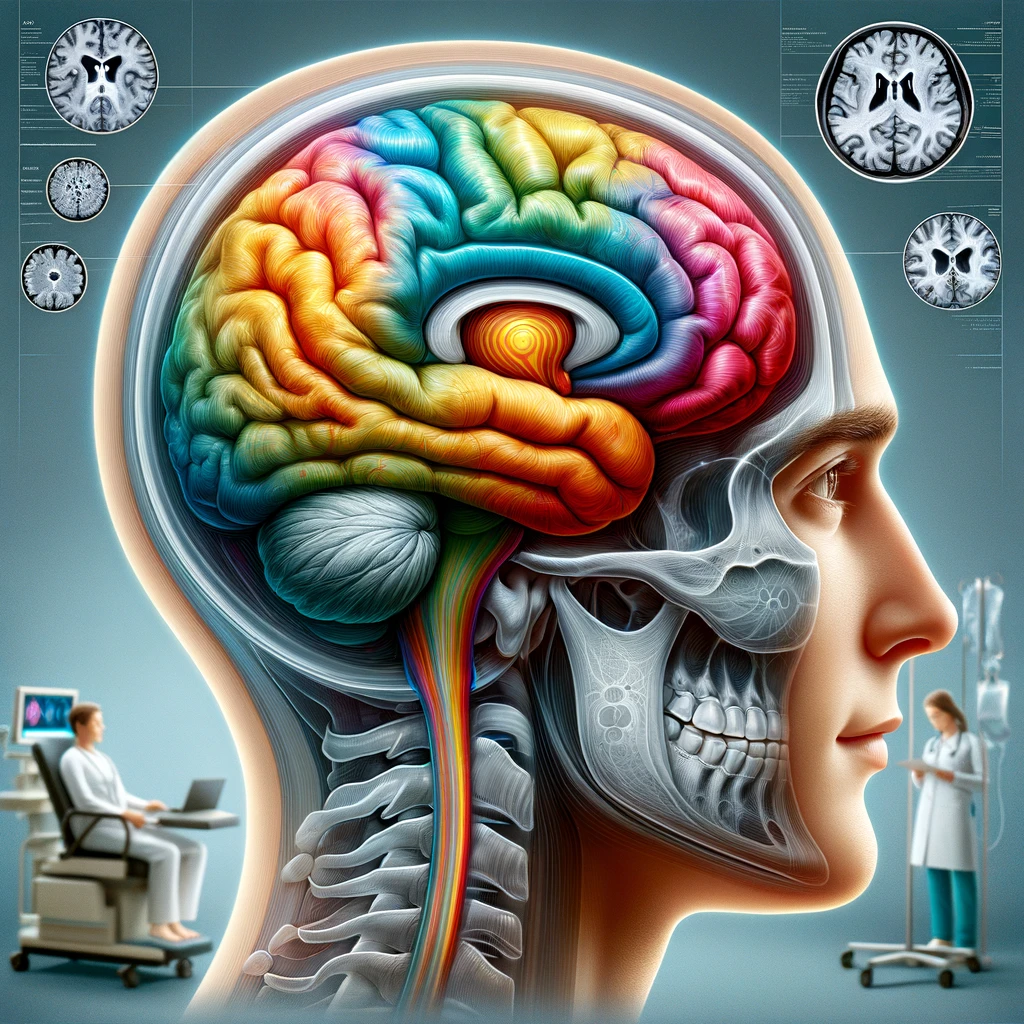

- Overview of functional neurological disorder
- Neuroimaging techniques used in FND research
- Key functional imaging findings in FND
- Clinical applications and diagnostic implications
- Future directions and research challenges
Functional neurological disorder (FND) is characterised by neurological symptoms that appear inconsistent with recognised neurological diseases, yet are genuinely experienced and can be highly disabling. Individuals with FND may present with a wide range of symptoms including motor dysfunction (such as tremors, weakness, or abnormal gait), sensory disturbances, and non-epileptic seizures. These symptoms are not feigned and are distinct from malingering or factitious disorder; rather, they are believed to arise from abnormalities in brain function rather than structural damage.
FND is traditionally diagnosed based on positive clinical signs—such as Hoover’s sign for functional leg weakness or entrainment tests for tremors—that suggest a functional rather than an organic aetiology. However, misconceptions still persist, both in the public and among healthcare professionals, often leaving patients stigmatised and without adequate support. The stigma is compounded by the fact that conventional neurological investigations often return normal results, leading some to incorrectly assume that no real problem exists.
Recent advances in imaging techniques, particularly functional magnetic resonance imaging (fMRI), have begun to clarify the complex mechanisms underlying FND. These developments are helping to reframe the disorder within the context of altered connectivity and processing within brain networks. Rather than indicating damage, the symptoms of FND appear to be associated with disrupted integration across motor, emotional, and attentional systems in the brain. This approach is reframing FND as a disorder of brain function, influenced by a variety of biopsychosocial factors.
Importantly, FND is now recognised as one of the most common conditions encountered in neurology clinics. Despite its prevalence, it remains under-researched, though interest is growing due to the promise of neuroimaging to enhance understanding and improve diagnostic accuracy. The integration of neuroscientific insights with patient-centred care is increasingly seen as vital for better outcomes, as it validates patients’ experiences while also supporting more effective interventions tailored to the specific mechanisms implicated in each case.
Neuroimaging techniques used in FND research
A variety of neuroimaging techniques have been employed in efforts to better understand the alterations in brain function that occur in FND. Among these, functional magnetic resonance imaging (fMRI) has emerged as a central tool due to its non-invasive nature and its capacity to reveal dynamic changes in neural activity in real time. Resting-state fMRI, in particular, has provided insights into the intrinsic connectivity of brain networks, even in the absence of specific task demands, highlighting alterations in connectivity between network hubs such as the default mode network, salience network, and sensorimotor regions in individuals with FND.
Task-based fMRI studies have also been instrumental in identifying atypical activations during motor, sensory, and cognitive tasks. For instance, in patients with functional weakness, reduced activation in primary motor areas is often accompanied by increased activity in medial prefrontal and limbic regions, suggesting an abnormal influence of emotional or attentional processes over motor control. These findings support the notion that symptoms in FND are not simply imagined but reflect genuine, albeit dysfunctionally regulated, patterns of brain activity.
In addition to fMRI, positron emission tomography (PET) and single-photon emission computed tomography (SPECT) have also been used to investigate metabolic and perfusion differences in FND. These techniques have demonstrated regional changes in cerebral blood flow, sometimes corresponding with clinically affected areas. PET studies, for example, have identified increased activity in limbic regions during dissociative seizures, implicating emotional regulation systems in the symptom expression.
Electroencephalography (EEG) and magnetoencephalography (MEG), while less frequently used, offer high temporal resolution and have been applied to explore the timing and phrasing of abnormal brain responses in FND. These modalities have, in some cases, revealed aberrant patterns of neural synchronisation during movement or sensory tasks, further supporting theories of disrupted brain network coordination rather than structural damage.
More recently, diffusion tensor imaging (DTI) has been used to assess white matter integrity in FND. Although traditional MRI scans typically appear normal in these patients, some DTI studies suggest subtle differences in the microstructure of white matter tracts connecting key areas involved in motor control, emotional processing, and attention. This adds another layer of evidence that FND may involve atypical connectivity at both functional and structural levels.
The convergence of findings across different imaging modalities is contributing to a more nuanced understanding of FND. By focusing on dysfunction in brain networks rather than discrete lesions, these techniques are helping to demonstrate the legitimacy of the disorder and support its reclassification as a genuine neuropsychiatric condition with identifiable neural correlates. This approach also holds promise for the development of more targeted and effective interventions grounded in the neurobiology of the disorder.
Key functional imaging findings in FND
Functional imaging studies have revealed a complex interplay of networks implicated in FND, highlighting that the disorder is best understood as a dysfunction of distributed brain systems rather than isolated cortical deficits. One of the most consistent findings from fMRI research is the altered activation and connectivity between the amygdala, prefrontal regions, and motor areas. For example, individuals with functional motor symptoms often demonstrate reduced activity in the supplementary motor area (SMA) during attempted voluntary movement, while simultaneously exhibiting increased activity in regions linked to emotion processing, such as the anterior cingulate cortex and the insula. This pattern suggests an abnormal modulation of motor circuitry by affective and attentional systems, supporting the theory that unintended emotional or psychological factors are influencing motor output through disrupted brain function.
Additional task-based imaging studies have provided further evidence for diminished engagement of the primary motor cortex and abnormal recruitment of regions involved in self-agency and motor intention. For instance, when instructed to initiate movement, patients with FND often show atypical engagement of the right temporoparietal junction—an area associated with discerning self-generated actions—indicating a potential dissociation between intention and movement execution. This disconnect may contribute to the experience of symptoms as involuntary, which is a hallmark of many forms of FND.
Resting-state fMRI investigations have underscored changes in the baseline connectivity patterns among networks that support consciousness, attention, and sensorimotor integration. Altered connectivity between the default mode network (DMN) and the salience network has been noted, with implications that the brain’s capacity to filter and integrate internal bodily signals may be compromised. The salience network—which plays a role in detecting and prioritising important stimuli—appears to be hyperactive or inappropriately engaged in FND, possibly contributing to the misattribution of benign body sensations as symptoms of illness.
Moreover, dissociative seizures (a subtype of FND) have been shown in imaging studies to involve heightened activity in limbic regions, particularly the amygdala and hippocampus, during and shortly before episodes. These areas are heavily involved in emotional memory and arousal, aligning with patient reports of stress, trauma, or adverse experiences being closely linked to symptom onset. The coupling of limbic overactivation with disruption in sensorimotor and executive networks may help explain how emotional stress becomes concretely embodied as a seizure-like manifestation without the presence of epileptic activity.
Within the structural domain, advanced techniques such as voxel-based morphometry (VBM) and DTI have hinted at microstructural changes, particularly in white matter tracts involved in affect regulation and motor coordination. While these differences are often subtle and not characteristic of overt neuropathology, they suggest that recurrent functional dysregulation may be associated with gradual structural adaptation, or that predisposing neurodevelopmental variants exist in individuals vulnerable to developing FND. Such findings further complicate the notion of FND as merely psychogenic, lending support to a more integrative biopsychosocial model grounded in altered brain function.
Imaging studies have also helped to elucidate the brain’s response to symptom provocation and recovery. In paradigms where patients are exposed to stimuli that typically trigger their symptoms, functional imaging has captured the failure of engagement in cognitive control regions such as the dorsolateral prefrontal cortex, combined with excessive activity in limbic and paralimbic regions. Conversely, in response to therapeutic interventions like physiotherapy or psychotherapy, early studies have shown normalisation of these abnormal activation patterns, suggesting that brain function in FND is not fixed and may be reversible with appropriate treatment. This neuroplastic potential offers hope for interventions targeted not only at symptom management but also at underlying neural dysfunction.
Taken together, the collective findings from diverse imaging approaches continue to build a compelling picture of FND as a condition marked by disrupted brain function across emotional, cognitive and sensorimotor domains. Rather than an absence of detectable neural changes, imaging reveals that FND symptoms correspond closely with specific alterations in brain network dynamics, supporting the view that these experiences arise from deeply ingrained and biologically plausible pathophysiological mechanisms.
Clinical applications and diagnostic implications
Advances in imaging techniques, particularly functional magnetic resonance imaging (fMRI), have increasingly influenced the clinical approach to functional neurological disorder (FND), allowing for a more objective validation of patients’ symptoms. Although diagnosis of FND remains primarily clinical, emerging imaging evidence provides important confirmation of the disorder’s neurobiological basis. This is particularly valuable in cases where symptoms may mimic organic neurological disease yet exhibit incongruent findings under clinical examination. By identifying consistent patterns of altered brain function, functional imaging helps reinforce clinical confidence in the diagnosis, reduce diagnostic delays, and counter unnecessary investigations that may reinforce illness behaviours or health anxiety.
In clinical practice, the use of fMRI has proved helpful in elucidating the mechanisms of diverse FND presentations, including functional tremor, weakness, gait disturbances, and dissociative seizures. Imaging findings reflecting aberrant connectivity between motor regions and limbic structures have been linked to symptom generation, suggesting underlying neural circuits that may be targeted through interventions. This supports a model of personalised care, where treatment is guided not solely by surface-level symptoms but also by an understanding of each individual’s unique pattern of brain network dysfunction. Early studies even suggest that fMRI might eventually play a role in treatment planning—for example, by identifying whether a patient’s symptomatology is more strongly influenced by emotional dysregulation or by disruptions in agency and motor planning.
Another significant implication of functional imaging in FND is its potential to demystify the condition for patients and clinicians alike. Given the long-standing stigma surrounding functional symptoms, the visualisation of disrupted brain function during symptom expression can be a powerful tool for psychoeducation. When patients are shown imaging evidence of their symptoms corresponding with real changes in neural activity, it may foster acceptance of the diagnosis and engagement with therapy. Similarly, clinicians who may otherwise harbour doubts about the veracity or neurobiological underpinnings of FND may gain greater insight into the disorder’s complexity, leading to more compassionate and evidence-based care.
However, it is crucial to evaluate the diagnostic utility of imaging with caution. At present, no imaging modality can definitively distinguish FND from other neurological conditions on an individual basis. While group studies consistently demonstrate differences in brain function between those with FND and healthy controls, variability between individuals limits the use of imaging as a standalone diagnostic tool. There is also a risk of misinterpretation or overreliance on imaging in situations where clinical judgement should remain paramount. Therefore, while functional imaging enriches our understanding of FND and supports diagnosis, it must be incorporated alongside established clinical assessments rather than replace them.
That said, imaging may be particularly informative in complex cases, where coexisting conditions such as epilepsy or structural brain disease muddy the diagnostic picture. In instances of diagnostic uncertainty, advanced imaging techniques can provide supplementary confirmation that supports functional diagnosis over other possibilities—particularly when the clinical presentation aligns with recognised functional signs. Moreover, longitudinal imaging studies offer a method to monitor change in brain function over the course of treatment or natural progression, potentially informing prognosis and therapeutic response.
In terms of therapeutic application, clinical trials are beginning to investigate neurofeedback and brain stimulation techniques informed by functional imaging findings. For example, targeted transcranial magnetic stimulation (TMS) aimed at dysregulated cortical areas identified through fMRI has shown promise in initial pilot studies. These efforts underscore a shift toward harnessing neuroimaging not only for diagnostic clarification but also for shaping neuromodulatory and rehabilitation strategies aimed at restoring normal brain function in FND.
Furthermore, by elucidating the patterns of brain dysfunction underpinning FND, imaging paves the way for improved classification systems and the development of biologically informed subtypes. This could be particularly useful given the heterogeneity of the condition, aiding in the stratification of patients for clinical trials and the design of targeted interventions. In the long term, these insights may foster a more precise approach to diagnosis and management across neuropsychiatric conditions where functional symptoms intersect with emotion, cognition and motor behaviour.
Future directions and research challenges
Ongoing research into FND continues to underscore the vital role functional imaging plays in illuminating the underlying brain function associated with this complex disorder. However, many questions remain unanswered, and future progress depends on addressing current limitations in methodology, conceptual frameworks, and translational application. One significant challenge is the heterogeneity of FND presentations, not only between individuals but also within the same patient over time. Variability in symptom expression complicates the design of imaging paradigms that accurately capture relevant neural processes. There is an urgent need for standardised imaging protocols across studies, which would facilitate meta-analyses, replication, and clearer interpretation of neural correlates specific to particular symptom clusters.
Another major issue lies in establishing causality rather than simply correlation. While altered connectivity between emotional and motor brain regions is consistently documented, it remains unclear whether these changes precede symptom onset or emerge as a consequence of prolonged dysfunction. Longitudinal studies, particularly those beginning at symptom onset or ideally in at-risk populations, are necessary to differentiate between predisposing neural traits and state-related changes. Additionally, longitudinal imaging could provide valuable insights into recovery trajectories and mechanisms underpinning therapeutic success, potentially identifying biomarkers of treatment responsiveness.
The integration of multi-modal imaging approaches represents another promising—but complex—avenue. Although individual techniques like fMRI and diffusion tensor imaging offer unique perspectives on brain function, combining them with EEG or MEG could yield more precise temporal and spatial resolution. Such integrated analyses would offer a more holistic view of brain dynamics, capturing neural processes that unfold over milliseconds as well as slower changes in blood flow or network connectivity. Realising this full potential requires investment in computational tools and analytic frameworks that can manage and interpret the massive datasets these techniques generate.
Besides technical considerations, conceptual refinement of FND itself must continue. The diagnosis is currently based on clinical signs and symptomatology, but the field would benefit from biologically informed subtyping grounded in imaging phenotypes. For instance, patients whose symptoms reflect a predominant disruption in sensorimotor integration may differ fundamentally from those whose difficulties derive more from affective dysregulation. Identifying such subtypes using brain imaging can guide more tailored therapy and inform the development of targeted interventions such as transcranial magnetic stimulation or neurofeedback. This precision-medicine approach demands large-scale, multi-centre collaborations to gather sufficient data from diverse patient populations.
Ethical and epistemological issues also warrant close scrutiny. Functional imaging findings can influence both clinicians’ and patients’ understanding of FND, but if not communicated appropriately, they risk reinforcing stigma or misinterpretation of a ‘psychological’ versus ‘neurological’ dichotomy. Ensuring that advances in imaging contribute to more compassionate care will require clear communication strategies, educational efforts for clinicians, and involvement of patients in interpreting and applying results. Furthermore, given the unfamiliar language and concepts involved in neuroimaging, collaboration with experts in medical humanities and patient representation may be critical to maintaining ethical integrity and patient-centredness in research and clinical translation.
Funding and resource allocation also pose persistent barriers. Because FND has historically been marginalised in neuroscience and psychiatry, it often receives less research funding than other neurological illnesses of comparable prevalence and burden. Improvements in imaging techniques must be accompanied by institutional recognition of FND as a major public health issue to ensure sustained investment. Securing financial support for large cohort studies, advanced analytic infrastructure, and translational trials will be essential to overcome current fragmentation in the field.
Cross-disciplinary collaboration remains key to advancing understanding of FND. The convergence of neurology, psychiatry, cognitive neuroscience, and bioengineering offers unparalleled opportunities to uncover the dynamics of brain function in health and disease. By collectively refining imaging paradigms, incorporating insights from behavioural science, and focusing on meaningful clinical outcomes, researchers can ensure that functional imaging not only deepens our theoretical grasp of FND but also leads to tangible improvements in diagnosis, treatment and, ultimately, quality of life for affected individuals.