
- Clinical characteristics of functional tremor
- Diagnostic criteria and assessment tools
- Patterns and presentation of gait disorders
- Neurophysiological findings and imaging studies
- Management strategies and treatment approaches
Functional tremor, a common manifestation within the spectrum of functional neurological disorder (FND), is characterised by variability in frequency and amplitude, distractibility during clinical examination, and sudden onset often associated with physical or emotional stressors. Unlike organic tremors, functional tremors typically show incongruence with known neurological disease patterns and can change in distribution over time. Clinical neurology emphasises the role of suggestibility; for instance, entrainment of the tremor to a rhythmic voluntary movement of another body part is a hallmark feature often elicited during examination.
Patients with functional tremor may present with abrupt onset, frequently following a triggering event such as injury or psychological trauma. The tremor may localise initially to one limb but can migrate or spread, and it is not uncommon for the affected limb to remain functional despite the presence of the tremor. Unlike tremors caused by structural brain abnormalities, functional tremors often diminish with distraction and can be temporarily suppressed, especially during tasks that require focused attention.
Another characteristic feature seen in the clinical assessment is the co-existence of other functional symptoms, such as gait disturbances, non-epileptic seizures, or cognitive complaints. The presence of multiple non-organic signs strengthens the diagnosis. Emotional comorbidity, including anxiety and depression, is also prevalent and may complicate disease course and management. The high degree of variability in clinical presentation demands a careful and empathetic history-taking and examination approach to differentiate functional tremor from organic causes.
Consistency and congruence with known movement disorder patterns are typically lacking in functional tremor. Instead, motor incongruities—such as changes in tremor rhythm when the patient is distracted, or the demonstration of atypical or inconsistent posturing—are considered diagnostic clues. In clinical neurology settings, such characteristics are crucial in guiding accurate diagnosis and avoiding unnecessary investigations or treatments aimed at misdiagnosed organic disorders.
Diagnostic criteria and assessment tools
Accurate diagnosis of functional neurological disorder (FND), including functional tremor and gait abnormalities, relies on positive diagnostic criteria grounded in observable inconsistencies and characteristic responses during clinical examination. Unlike exclusionary methods that depend on ruling out organic causes, modern approaches in clinical neurology emphasise identifying hallmark signs that confirm a functional aetiology. Key among these is the variability of symptoms in different contexts, their modulation with distraction, and the presence of incongruent movements that defy known neurological patterns.
Among the most validated diagnostic tools is the use of distractibility and entrainment testing in suspected functional tremor. During these tests, patients are asked to perform a rhythmic movement with an unaffected limb, leading to changes in the tremor at the same frequency—a finding not typically present in organic tremors. Similarly, functional gait disorders may present as bizarre or inconsistent walking patterns, sudden collapses without injury, or an apparent discrepancy between the patient’s level of disability and their observable strength and coordination during formal testing. The Hoover sign and the arm drop test are examples of provoking signs to demonstrate functional weakness and inconsistency.
Standardised assessment tools, such as the Psychogenic Movement Disorder Rating Scale and the Functional Movement Disorder Rating Scale, have been developed to assess symptom severity and monitor treatment outcomes. These tools can help clinicians structure their examination, evaluate symptom change over time, and communicate findings in multidisciplinary settings. Moreover, structured interviews and psychological screening tools such as the PHQ-9 and GAD-7 can be incorporated into clinical practice to identify coexisting mental health conditions, which are frequently present in FND.
Functional tremor diagnosis is strengthened when multiple positive findings co-occur. For example, a tremor that disappears with distraction, fails to maintain a consistent frequency, and is associated with other functional signs like give-way weakness or functional gait should prompt clinicians to consider a functional aetiology confidently. Clinical neurology experts stress that early recognition of these signs is essential to reduce patient distress and prevent unnecessary medical investigations or ineffective therapies aimed at suspected organic disease.
Video recording during neurological assessment may also prove valuable, particularly when the examination is reviewed by a multidisciplinary team. This can help capture transient or inconsistent symptoms and provide a visual record for patient education and treatment planning. In ambiguous cases, incorporating neurophysiological tests such as tremor analysis can help distinguish functional tremor from organic causes. However, these should complement—rather than replace—comprehensive clinical evaluation informed by specific diagnostic benchmarks for FND.
Patterns and presentation of gait disorders
Functional gait disorders, a prominent feature of functional neurological disorder (FND), are characterised by inconsistency, incongruity, and variability not aligned with recognised patterns of organic disorders. In clinical neurology, walking abnormalities seen in FND are often striking and may appear exaggerated, dramatic, or nonsensical when compared to gait disturbances stemming from structural neurological disease. This mismatch between the patient’s gait and underlying anatomical pathways is a critical diagnostic clue that clinicians rely upon during examination.
Common presentations of functional gait disturbances include an astasia-abasia pattern, marked by an unsteady, veering, or uncoordinated walk with an exaggerated fear of falling but without actual collapse. Despite perceived severe imbalance, patients rarely injure themselves, suggesting preserved motor strength and reaction capabilities. Additionally, some patients may exhibit excessive slowness, apparent leg paralysis that resolves during distraction, or unusual postures inconsistent with musculoskeletal limitations. These features raise suspicion for a functional origin and should prompt further assessment aligned with criteria for FND.
Another frequently encountered form of functional gait is the use of inconsistent aids or orthoses, such as unilateral dependence on a walking stick despite symmetrical leg strength and normal coordination on testing. The ability to maintain balance while multitasking or demonstrating complex voluntary movements contradicts the supposedly severe gait impairment. These discrepancies between observed disability and performance under assessment underscore the importance of a systematic and positive diagnostic approach in clinical neurology.
Distractibility is also a hallmark of functional gait disorders. Patients may demonstrate significant improvement – or a complete resolution of the abnormal gait – when their attention is diverted or when performing dual tasks, such as talking or counting backwards while walking. Conversely, close clinical observation may result in a noticeable worsening of symptoms, a feature not seen in organic gait pathology. This response can be elicited purposefully during examination to gather further evidence supporting a diagnosis of FND.
Functional tremor can co-occur with gait abnormalities, and their simultaneous presentation often highlights shared functional mechanisms. For instance, a limb may tremble when weight-bearing but calm when lifted, indicating a task-dependent and variable pattern. The fluctuating nature and selective emergence of these symptoms support a diagnosis within the spectrum of FND, particularly when coupled with suggestibility and absence of consistent neurological signs.
In clinical practice, awareness of these characteristic gait patterns aids in the early detection of FND, promotes appropriate referrals to therapy, and avoids misdiagnoses that lead to futile investigations or treatments. Importantly, clinicians must approach these findings with sensitivity and confidence, ensuring patients do not feel accused of fabrication while still receiving a clear explanation regarding the functional basis of their symptoms. An integrative, multidisciplinary evaluation rooted in clinical neurology remains essential for optimal patient care and recovery outcomes.
Neurophysiological findings and imaging studies
Neurophysiological investigations and imaging studies have played an instrumental role in advancing the understanding of functional neurological disorders (FND), particularly in distinguishing functional tremor and gait abnormalities from their organic counterparts. In clinical neurology, these tools serve primarily to support a diagnosis rather than define it, as the hallmark of FND lies in clinical observation and positive signs. Nevertheless, certain findings can corroborate clinical impressions and rule out pathology that might suggest an alternative neurological disorder.
Surface electromyography (EMG) and accelerometry are frequently used to investigate the characteristics of functional tremor. These tools allow for quantitative analysis of tremor frequency, amplitude, and synchrony across muscle groups. A typical neurophysiological feature of functional tremor is variable frequency and irregular bursts that fluctuate with distraction or voluntary movement. Unlike organic tremors, which show consistent rhythmicity and stable frequency bands, functional tremors often exhibit entrainment to external cues. EMG recordings may demonstrate changes or temporary cessation of tremor during tasks involving focused attention or contralateral limb movement, reinforcing the diagnosis of a non-organic origin.
Tremor generators localised by coherence and burst pattern analysis during EMG may further highlight discrepancies inconsistent with specific central or peripheral nervous system pathologies. In some clinical settings, postural tremor analysis under varying conditions—such as co-contraction tests or loading tasks—can provide insight into the functional nature of symptomatic presentation. Anomalies like emergence of tremor during light resistance but suppression under load are suggestive of a functional process.
Somatosensory evoked potentials (SSEPs), transcranial magnetic stimulation (TMS), and EEG-based approaches are less commonly employed but may offer additional evidence in complex cases. For example, TMS may be useful to assess inhibitory and excitatory networks within motor systems, with some studies demonstrating abnormal cortical excitability in patients with FND. These findings are frequently interpreted in the context of disturbed motor intention and voluntary control, supporting contemporary theories that implicate top-down dysfunction in FND symptom generation.
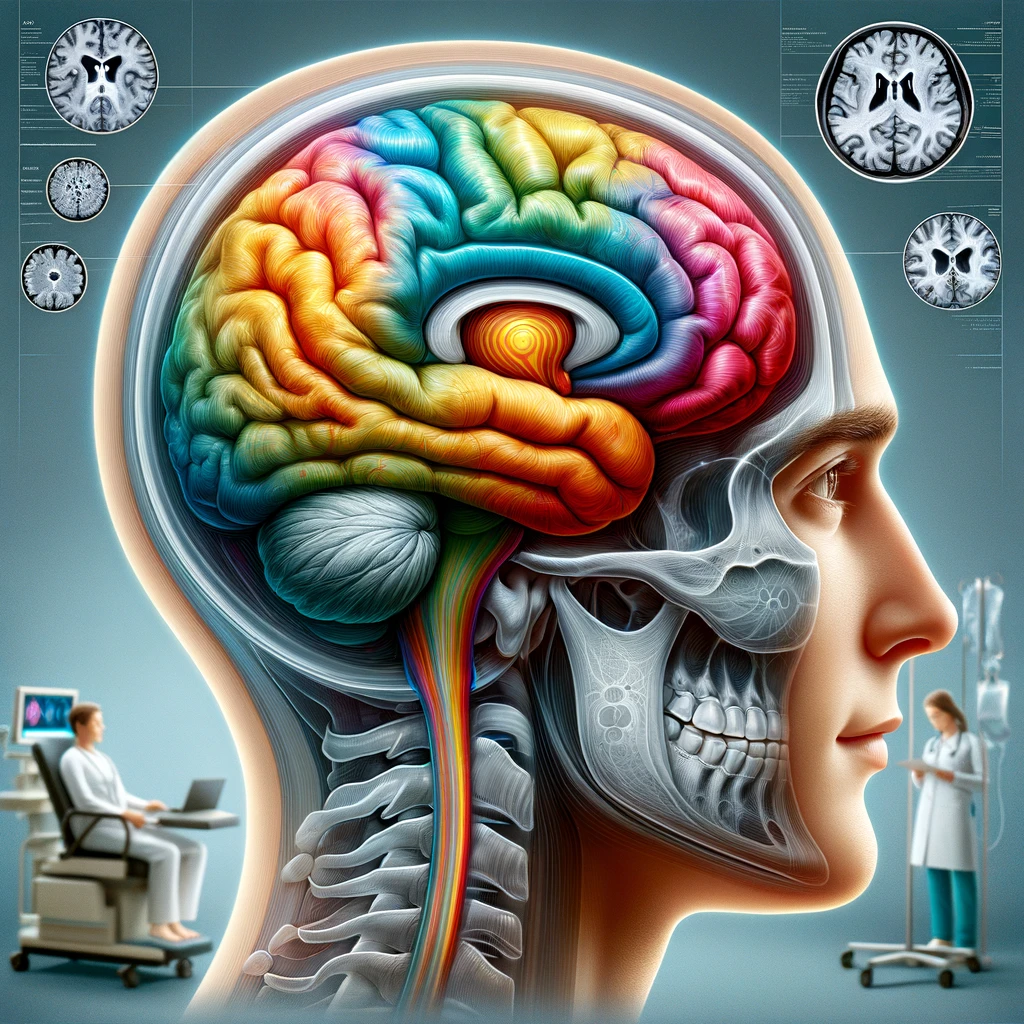
Neuroimaging studies, including magnetic resonance imaging (MRI) and functional MRI (fMRI), typically appear normal in patients with functional tremor or gait disorders. Structural imaging is essential in excluding other neurological pathologies, such as lesions or neurodegenerative conditions, that may mimic FND. However, functional imaging techniques have provided new insights into the possible neural mechanisms underlying FND. Functional MRI has revealed altered connectivity in brain networks related to emotion regulation, motor planning, and self-agency, particularly involving the supplementary motor area, anterior cingulate cortex, and limbic structures. These findings align with psychological models of symptom generation involving abnormal attention, heightened interoception, and maladaptive learning.
Diffusion tensor imaging (DTI) studies have also suggested white matter microstructural abnormalities in some patients, although these findings lack consistency and are not diagnostic. Nevertheless, imaging correlates may one day serve as biomarkers to help identify traits predisposing individuals to FND, though this remains speculative and ultimately subordinate to the clinical context. In clinical neurology, the emphasis persists on the congruence between neurological examination findings and the neurophysiological and imaging data available, with functional changes seen as supportive rather than definitive.
Despite advances in neurophysiology and functional imaging, the diagnosis of functional tremor and gait disorders continues to rest on clinical skills. The value of these investigative tools lies in enhancing diagnostic certainty, educating patients, and guiding multidisciplinary treatment. Importantly, clinicians must interpret study results within the broader framework of patient history, examination, and the diagnostic criteria of FND to ensure comprehensive and accurate clinical decision-making.
Management strategies and treatment approaches
Management of functional tremor and gait disorders requires a multidisciplinary approach that prioritises patient education, functional rehabilitation, and psychological support. In clinical neurology, the cornerstone of treatment begins with a clear, empathetic explanation of the diagnosis of functional neurological disorder (FND). This communication must reassure patients that their symptoms are genuine and reversible, while guiding them away from an understanding rooted in structural disease. Studies consistently show that patients who receive a confident, positive diagnosis, rather than one of exclusion, are more likely to engage with treatment and experience improvement.
Physiotherapy tailored to address the functional basis of symptoms is central to management. For gait disorders, this often involves task-specific training, attentional distraction techniques, and graded re-exposure to feared movements. These strategies aim to normalise automatic movement patterns and reduce avoidance behaviours associated with abnormal gait. Specialist neurophysiotherapists trained in FND are crucial, as they can foster motor relearning through techniques such as dual-task training, external cueing, and mirror therapy. In functional tremor, physiotherapists may use rhythmic entrainment and proprioceptive feedback to reinforce consistent voluntary control and diminish tremor amplitude through redirected attention and confidence-building exercises.
Occupational therapy complements physiotherapy by focusing on daily functional goals, encouraging independence, and addressing barriers to participation. Therapists can work with patients to modify daily routines, improve coordination, and manage fatigue. Assistive devices, when used appropriately, may support recovery by aiding mobility and confidence; however, unnecessary reliance on equipment should be avoided as it can reinforce disability behaviours inconsistent with FND recovery principles.
Psychological interventions, particularly cognitive behavioural therapy (CBT), form a critical component of treatment. CBT helps patients identify maladaptive thought patterns, address symptom-related anxiety, and improve coping strategies. It is especially effective when symptoms are linked to trauma, chronic stress, or emotional conflict. In cases where deeper psychological issues are present, such as unresolved trauma or personality disorders, referral to clinical psychology or psychotherapy services may be warranted. Integration of psychological support enhances the sustainability of motor recovery and reduces relapse risk in both tremor and gait disorders.
Pharmacological treatments are generally not first-line and should be used cautiously. While there is no medication to directly treat FND, comorbid conditions such as depression, anxiety, or chronic pain may respond well to pharmacotherapy, aiding overall recovery. Importantly, medications targeting misdiagnosed organic movement disorders—such as dopaminergic agents or anticonvulsants—should be withdrawn to avoid side effects and reinforce that the disorder is functional in nature.
Education sessions, whether one-on-one or in group formats, play a significant role in demystifying FND. These sessions help patients understand the mechanisms driving their symptoms and the rationale for recommended interventions. Written resources and websites developed specifically for FND can support this learning process and encourage sustained patient engagement. Involving family members in educational processes can also be beneficial, as their understanding and support are often vital to successful management of functional symptoms.
Clinicians within the field of clinical neurology are increasingly advocating the development of dedicated multidisciplinary services for FND, including neurologists, physiotherapists, psychologists, occupational therapists, and nurses. Such collaborative care models have been shown to improve function, reduce health care utilisation, and increase patient satisfaction. Moreover, early referral to these specialised services—particularly before chronic disability is established—can greatly enhance outcomes.
Long-term follow-up and relapse prevention strategies are also essential. Periodic reviews can reinforce progress, monitor comorbidities, and identify early signs of symptom recurrence. Self-management strategies, drawn from physiotherapy and CBT interventions, can be revisited and adapted during these sessions. Overall, a patient-centred, integrated approach rooted in the principles of clinical neurology and functional rehabilitation remains the most effective way to treat functional tremor and gait disturbances within the spectrum of FND.