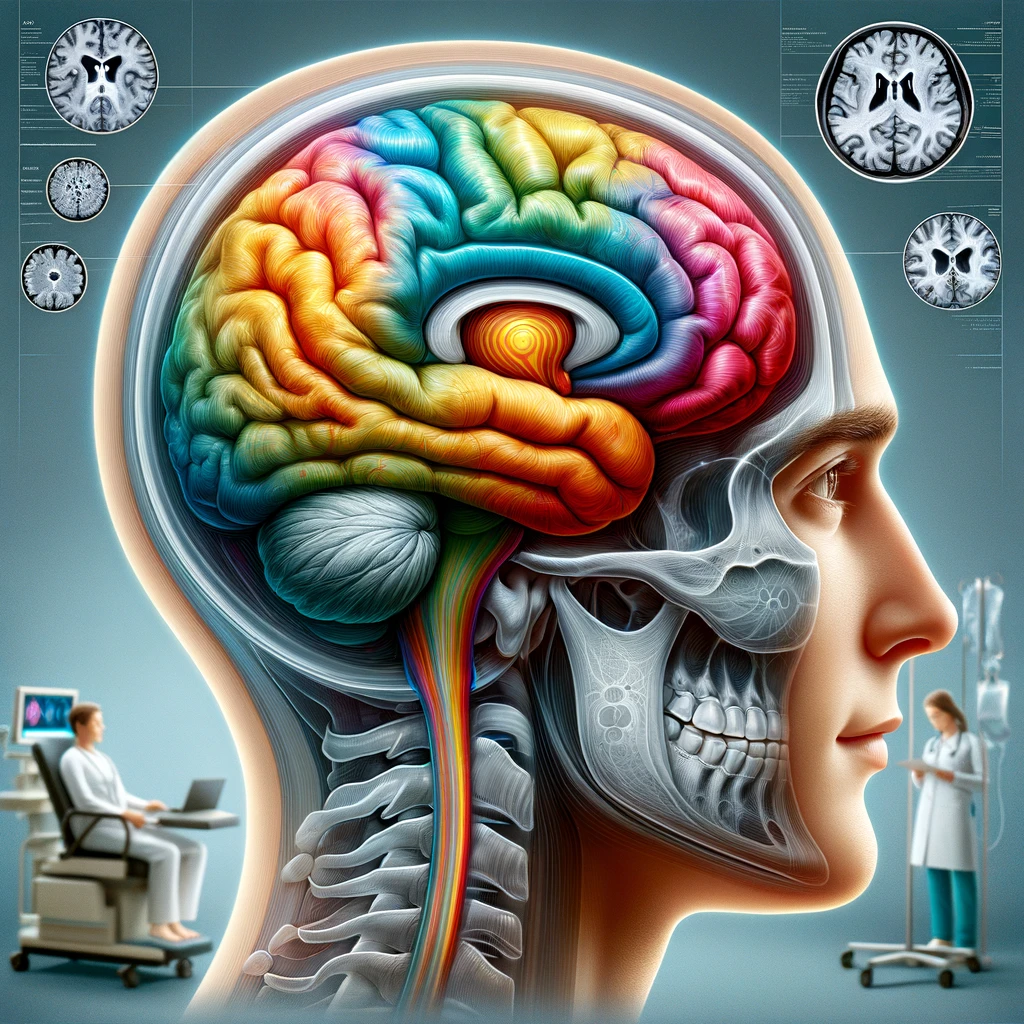

- Historical context of functional neurological disorder
- Current diagnostic frameworks in clinical practice
- Positive diagnostic features and neurological signs
- Role of psychological assessment and comorbidities
- Challenges and future directions in diagnosis
The understanding and classification of functional neurological disorder (FND) have undergone significant changes over the centuries, reflecting evolving knowledge in medicine and psychiatry. Historically, conditions now recognised as FND were often grouped under the umbrella of “hysteria” or “conversion disorder”, terminology that carried pejorative connotations and was deeply rooted in psychoanalytic theory. In the late 19th and early 20th centuries, influential figures such as Jean-Martin Charcot and Sigmund Freud contributed to early conceptualisations, focusing heavily on the idea of psychological conflicts being “converted” into physical symptoms. This perspective, while important in framing the mind-body interaction, often led to misdiagnosis and marginalisation of patients.
Throughout much of the 20th century, the diagnosis of FND remained primarily exclusionary—established only after ruling out all possible organic causes. This approach was predicated on the absence of identifiable structural pathology, leading many to view it as a diagnosis of last resort. These views were reinforced by early versions of psychiatric diagnostic manuals, where terms like conversion disorder persisted but were poorly defined and not strongly supported by empirical evidence. Misinterpretation and underappreciation of the condition within neurology created barriers to effective diagnosis and treatment.
In recent decades, however, there has been a pivotal shift towards developing more precise diagnostic criteria and a greater emphasis on positive clinical features rather than absence of disease. The introduction of FND as a distinct entity in the DSM-5 (Diagnostic and Statistical Manual of Mental Disorders, Fifth Edition) in 2013 marked a turning point. The DSM-5 criteria moved away from requiring psychological stressors for diagnosis and placed greater value on observable clinical signs that are internally inconsistent or incongruent with known neurological disease. This evolution signalled a growing recognition of FND as a disorder best addressed by both neurology and psychiatry, rather than fitting neatly into one domain.
Concurrently, neurology guidelines have increasingly acknowledged FND as a legitimate and diagnosable condition with characteristic features. This convergence of psychiatric and neurological frameworks has helped to reduce stigma, foster multidisciplinary approaches, and encourage the development of specialised services. Understanding the historical trajectory of FND highlights the importance of language, clinician education, and diagnostic accuracy in shaping patient care and medical perception of the disorder.
Current diagnostic frameworks in clinical practice
Clinical practice today draws from robust and evolving frameworks for diagnosing functional neurological disorder (FND), with efforts centred on supporting clinicians to recognise specific, positive features of the condition. One of the most influential developments is the integration of FND into key psychiatric and neurological diagnostic systems, including its inclusion in the DSM-5. This manual redefines the diagnostic approach by focusing on the presence of identifiable neurological signs that are inconsistent with other neurological diseases, rather than relying solely on the absence of organic pathology or the identification of psychological stressors. This reorientation encourages a more objective, observable method of diagnosis, firmly rooting FND within the scope of medical neurology.
According to the DSM-5, a diagnosis of functional neurological symptom disorder is based on one or more symptoms of altered voluntary motor or sensory function, accompanied by clinical findings that demonstrate internal inconsistency or incongruity with recognised medical conditions. The requirement for the symptoms to be incongruent with anatomical or physiological norms helps distinguish FND from other neurological diseases, making space for a diagnosis based on present signs rather than assumptions about underlying psychological mechanisms. For example, signs such as Hoover’s sign in functional leg weakness or entrainment in functional tremor serve as demonstrable, repeatable clinical features that support the diagnostic criteria.
Alongside psychiatric publications, neurology guidelines, particularly those issued by professional bodies such as the American Academy of Neurology and the Association of British Neurologists, have begun to explicitly endorse the diagnosis of FND. These guidelines advocate a systematic assessment incorporating the presence of positive neurological signs and encourage neurologists to take active responsibility in diagnosing and communicating the condition. The shift away from the outdated model of diagnosis by exclusion towards identification via positive symptoms has enabled neurologists to take a primary role, leading to better patient engagement and earlier interventions.
In parallel, multidisciplinary diagnostic frameworks are increasingly being implemented in clinical pathways. Collaboration between neurologists, psychiatrists, physiotherapists, and psychologists is now seen as essential for accurate diagnosis and long-term management. Specialised FND services and care protocols have emerged in many tertiary centres, where initial neurological assessment is followed by relevant functional investigations and onward referral, when appropriate, to interdisciplinary teams who specialise in the management of functional symptoms.
This shift towards clearer diagnostic criteria and the normalisation of FND within neurology guidelines has significantly reduced diagnostic uncertainty. It has also improved patient outcomes by allowing for a faster diagnosis, early introduction of treatment, and better communication about the nature of the condition. The establishment of consistent and evidence-based diagnostic frameworks continues to support the de-stigmatisation of FND and strengthens confidence among clinicians in both recognising and managing these complex presentations.
Positive diagnostic features and neurological signs
In modern clinical settings, the recognition of specific and reproducible signs plays a crucial role in the positive diagnosis of functional neurological disorder (FND). Unlike the historical model of exclusion, where the absence of disease led to a diagnosis, current approaches promote the identification of distinct clinical features that are actively demonstrable at the bedside. These positive signs are critical in establishing a diagnosis according to the DSM-5 and prevailing neurology guidelines, thereby fostering diagnostic accuracy and enhancing patient trust in the process.
One of the most notable positive signs in motor presentations of FND is Hoover’s sign, which is observed in cases of apparent leg weakness. This test reveals a lack of consistent effort during voluntary movement, contrasted with normal strength elicited through involuntary recruitment. Similarly, in upper limb presentations, the arm drop test can provide evidence of inconsistent paresis. For functional tremor, entrainment—where the tremor’s frequency synchronises with a rhythmic movement of another limb—offers a compelling sign by revealing features not compatible with structural neurological disorders.
Functional seizures, or dissociative seizures, likewise exhibit positive diagnostic features that differentiate them from epileptic seizures. These may include fluctuating levels of responsiveness, side-to-side head movements, prolonged duration, and resistance to eye-opening. Such features are often captured during video-EEG recordings and provide decisive evidence when structural or electrical abnormalities are absent. The presence of these signs is now embedded in diagnostic criteria and contributes to confident, early diagnosis.
Sensory abnormalities in FND can be identified through patterns that follow non-anatomical distributions, such as hemisensory loss that splits perfectly at the midline or involves both sides inconsistently. These inconsistencies often emerge during repeated neurological examination, and their reproducibility reinforces the functional nature of the symptom. Similarly, gait abnormalities in FND—like sudden freezing, ataxia with exaggerated movements yet minimal risk of falling, or highly variable stride length—can be distinctive and diagnostic.
Neurology guidelines increasingly emphasise the integration of these positive features into standard diagnostic practice. Clinicians are encouraged to frame the diagnosis around what they can observe, rather than what they fail to find, thereby shifting the conversation with patients away from uncertainty and towards targeted explanation and management. This approach aligns with the DSM-5’s reconceptualisation of FND as a condition identifiable via specific signs, independent of psychological stressors or histories of trauma, although such histories may still be relevant to holistic care planning.
Importantly, the observance of internal inconsistency or incongruence with known neurological disease should not lead to dismissal, but rather to structured diagnosis per modern criteria. Bedside examination remains central, and clinicians must be attentive to patient behaviour throughout, noting variations with distraction, suggestion, or context. These dynamic features, when interpreted appropriately, offer both diagnostic confirmation and the potential for enhanced patient involvement in their care pathway.
Positive diagnostic features provide clarity and structure to the identification of FND. Their incorporation into formal diagnostic criteria represents a clinical evolution that bridges neurology and psychiatry, affirming FND as a real and treatable disorder. This alignment between bedside assessments, DSM-5 definitions, and neurology guidelines ensures that the diagnosis rests on a firm foundation of observable and understandable phenomena, benefiting both clinicians and patients alike.
Role of psychological assessment and comorbidities
Psychological assessment maintains a nuanced yet essential position within the diagnostic pathway for functional neurological disorder (FND), complementing neurological evaluation without being a prerequisite for diagnosis under the DSM-5. While historical models centred psychological factors—often to the exclusion of observable neurological features—contemporary diagnostic criteria have repositioned psychological assessment as contributory rather than foundational. This development reflects an evolving understanding of FND as a disorder with identifiable positive neurological signs, supported by neurology guidelines, while also acknowledging the importance of psychological domains in patient care and management.
Although the presence of psychological stressors is no longer required for diagnosis, psychological factors remain clinically relevant. High rates of comorbid psychiatric conditions such as depression, anxiety, post-traumatic stress disorder (PTSD), and personality disorders are well-documented in individuals with FND. Psychological assessment can provide critical insights into the emotional and cognitive context surrounding symptom development and maintenance. These assessments typically explore coping styles, prior trauma, illness beliefs, and somatisation tendencies, which may contribute to the chronicity or complexity of functional symptoms.
The neurobiopsychosocial model increasingly adopted in FND management recognises that while positive neurological signs confirm the diagnosis, psychological and social factors often influence symptom expression, prognosis, and engagement with treatment. Psychological assessment, therefore, supports a broader understanding of individual functioning and helps tailor interventions accordingly. For instance, a patient with co-existing generalised anxiety disorder may respond particularly well to cognitive behavioural therapy (CBT), while those with a history of interpersonal trauma might benefit from approaches that include elements of trauma-focused therapy or dialectical behaviour therapy (DBT).
Psychological comorbidities may also impact the presentation of FND itself. Symptoms such as dissociative seizures are frequently associated with trauma histories, and alexithymia—difficulty identifying and describing emotions—has been observed in many patients with functional symptoms. Identifying these associations enhances the therapeutic alliance, informs treatment plans, and facilitates communication of the diagnosis in a way that is validating but does not perpetuate stigma. Emphasis is placed on transparency in distinguishing FND from malingering or factitious disorder, with psychological evaluation offering important clarification where intent is questioned or poorly understood.
Multidisciplinary assessment, including psychological input, also plays a crucial role in refining differential diagnosis. Functional symptoms may coexist with, exacerbate, or mask neurological conditions, and understanding how psychological states influence symptom perception and reporting is vital. Additionally, such assessments help in establishing motivational factors, readiness for psychological intervention, and barriers to treatment adherence. These aspects are particularly important when managing long-term presentations or when functional symptoms cause significant disability.
Specialist services for FND increasingly incorporate embedded clinical psychologists or liaison psychiatrists who work in concert with neurologists. Shared formulations developed through collaborative assessment help unify patient understanding and align clinician perspectives, ultimately fostering a coherent treatment strategy. These services reflect neurology guidelines advocating for integrated care and underscore the value of psychological expertise alongside neurological diagnosis.
While psychological assessment is not mandated under current diagnostic criteria like those outlined in the DSM-5, it remains a vital pillar in the holistic care of patients with FND. The contemporary approach balances the need for observable neurological signs with an appreciation of underlying and coexisting psychological factors, ensuring that patients receive nuanced, multifaceted care. This dual focus—grounded in both neurology and psychiatry—embodies the future trajectory of diagnostic and therapeutic pathways for functional neurological disorders.
Challenges and future directions in diagnosis
Despite significant advancements in the recognition and diagnosis of functional neurological disorder (FND), several challenges persist in both clinical and research domains. One major issue is the persistent stigma surrounding the diagnosis. Although the inclusion of FND in the DSM-5 and the adoption of positive diagnostic criteria have improved its legitimacy, some clinicians and patients continue to perceive the condition as psychological or less ‘real’ than other neurological disorders. This outdated perspective can undermine patient confidence, lead to delayed diagnosis, or result in inappropriate referrals and management strategies.
Another challenge lies in the variability of clinician expertise and confidence in applying the diagnostic criteria. While neurology guidelines now support a diagnostic approach based on positive signs, not all practitioners receive uniform training in how to assess these reliably. There remains a need for widespread clinician education, particularly at the level of primary and secondary care, to ensure that FND is recognised promptly and accurately. Without this, patients may undergo extensive, unnecessary investigations, or worse, experience invalidation and mistrust within the healthcare system.
Diagnostic consistency across clinical settings also remains problematic. Different interpretations of the DSM-5 criteria or inconsistent application of bedside tests can lead to variability in diagnoses. For example, while Hoover’s sign and tremor entrainment are well validated, use and interpretation differ significantly across practitioners. A standardised framework for assessing and documenting positive signs—potentially supported by digital tools or checklists—could enhance reliability. Additionally, many regions lack access to specialist services that offer multidisciplinary evaluation. Without these teams, opportunities for careful diagnosis and comprehensive care planning are often missed.
Patients with functional symptoms frequently present in emergency or acute care settings where diagnostic frameworks and time constraints may impede accurate diagnosis. The episodic nature of functional seizures or the fluctuating symptoms of motor FND can confound standard assessment protocols in these environments. Clear clinical pathways within urgent care settings, backed by neurology guidelines and educational initiatives, would facilitate earlier recognition and reduce over-investigation and hospital admissions.
From a research perspective, challenges include the need for high-quality studies that explore the neurobiological underpinnings of FND. While there is growing interest in functional imaging and neurophysiological studies, the field remains underfunded relative to other neurological conditions. This gap hampers the development and refinement of the diagnostic criteria, as well as the implementation of novel assessment tools that could aid clinical decision-making. Further elucidation of biomarkers or cognitive profiles associated with FND may support earlier and more objective diagnosis in the future.
There is also a continued demand for longitudinal studies that explore diagnostic trajectories—particularly how early diagnosis using valid positive signs affects prognosis, treatment outcomes, and long-term healthcare utilisation. Measuring the impact of early versus delayed diagnosis will be essential in framing future healthcare policy and resource allocation for FND. Additionally, there is a need to incorporate patient perspectives into diagnostic research, ensuring that criteria and frameworks are transparent, accessible, and sensitive to the lived experience of those with FND.
International consensus on diagnostic terminology and classification remains an area for development. Although the DSM-5 has made significant strides, discrepancies exist between it and other systems such as the ICD-10 and ICD-11. Harmonisation of terminology and diagnostic thresholds would facilitate global benchmarking, enhance clinical communication, and support broader research collaboration. As diagnostic frameworks evolve, alignment with neurology guidelines will be critical to maintaining clarity and improving implementation in varied clinical environments.
Looking forward, the integration of digital technologies, such as telemedicine and app-based symptom tracking, presents a promising avenue for improving diagnostic accuracy and consistency. These platforms may assist in documenting symptom variability, tracking functional signs, and delivering remote assessment in settings with limited specialist access. Moreover, artificial intelligence and machine learning could play a role in analysing clinical data to suggest high-probability diagnoses, although ethical considerations around autonomy and data security must be addressed concurrently.
The path ahead for improving FND diagnosis will rely on the continued refinement of diagnostic criteria, expansion of clinician education, development of multidisciplinary services, and stronger research into the condition’s mechanisms and best practices. These initiatives, rooted in both the DSM-5 framework and contemporary neurology guidelines, hold the potential to reduce delays, improve reliability, and ultimately enhance patient experience and care outcomes.