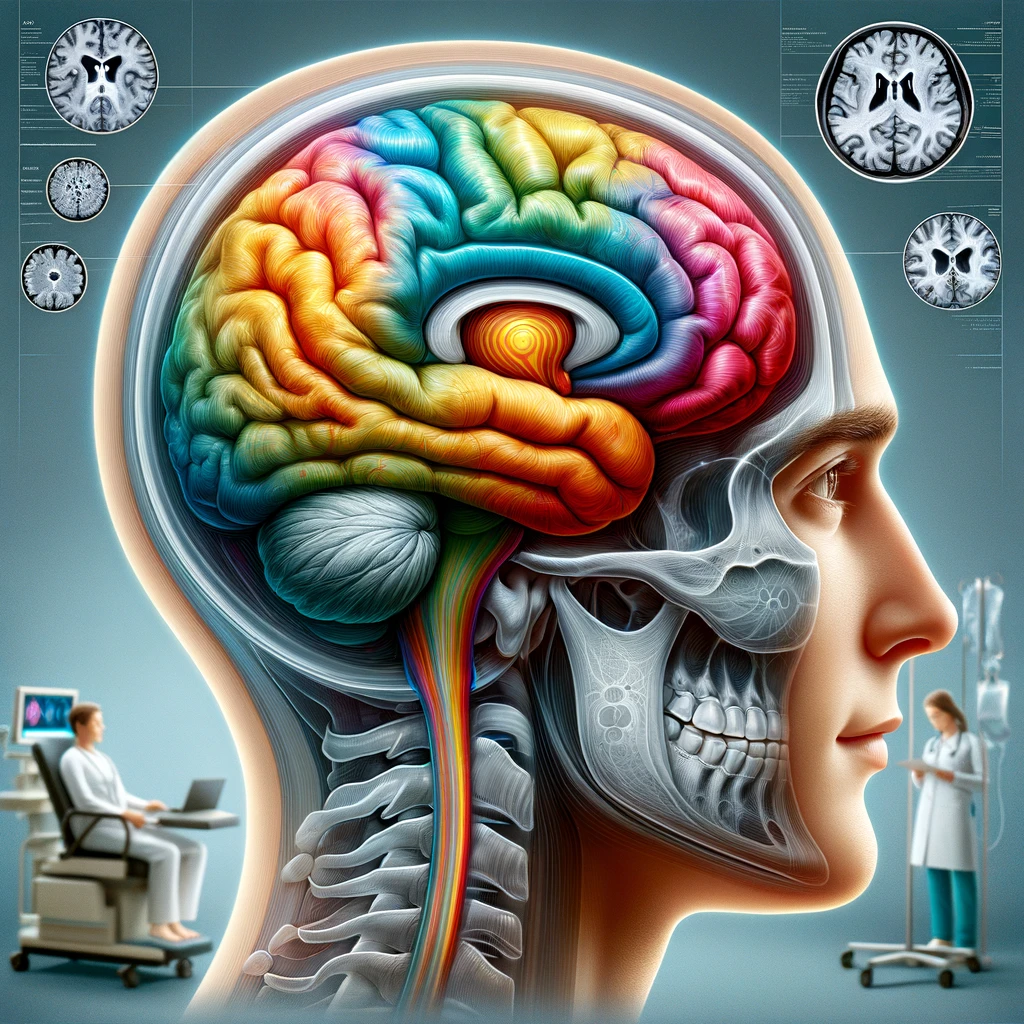

- FND is not a real medical condition
- FND patients are faking their symptoms
- FND only affects people with mental health issues
- FND symptoms are always temporary
- There is no effective treatment for FND
One of the most pervasive myths surrounding Functional Neurological Disorder (FND) is the belief that it is not a real medical condition. This misconception has led to significant stigma for those living with FND and has contributed to a lack of awareness and understanding, even among healthcare professionals. In reality, FND is a well-recognised neurological condition, acknowledged by leading medical institutions such as the World Health Organization and included in the International Classification of Diseases (ICD-11).
FND arises when there is a problem with the nervous system’s ability to send and receive signals properly, leading to a variety of symptoms like non-epileptic seizures, limb weakness, gait disturbances, and speech difficulties. Importantly, these symptoms are not consciously produced and cannot be explained by structural damage to the nervous system, yet they are very real and often disabling for the person affected. The problem lies in the functioning of the brain, rather than its structure, which is why traditional scans and tests may come back ‘normal’.
Another contributing factor to this myth is the historical misunderstanding of FND, once referred to as “conversion disorder” or “hysteria”, terms that wrongly implied emotional instability or psychological causes without evidence. Thanks to advances in neuroscience, there is growing recognition that FND can be diagnosed through positive clinical signs identified by trained neurologists. These findings require clinical expertise, underscoring the real and complex nature of the disorder.
Improving patient education and professional training is essential to dispelling misconceptions about FND. By increasing awareness of the functional changes in brain networks associated with the condition, we can move beyond outdated ideas and develop more effective pathways for diagnosis and support. FND is every bit a legitimate medical condition, and understanding this is crucial to ensuring that patients receive the compassion and care they deserve.
FND patients are faking their symptoms
A deeply rooted and harmful myth about Functional Neurological Disorder (FND) is the belief that patients are faking their symptoms. This misconception not only undermines the experiences of those living with FND but also contributes to delays in diagnosis, stigmatisation, and poor access to appropriate treatment. FND symptoms, which can include seizures, motor difficulties, and sensory disturbances, are not under the individual’s conscious control and are no less real than symptoms of other neurological disorders.
Such myths persist, in part, because FND does not typically show up on standard structural brain imaging like MRIs or CT scans. The absence of visible brain damage has historically been misinterpreted as evidence that the problem lies in the patient’s intent rather than in brain function. However, modern advances in neuroscience and neuroimaging have demonstrated that FND involves genuine changes in brain activity, particularly in how the brain processes movement, sensation, and emotion. These changes are not due to malingering or fabrication, but rather to dysfunction in specific brain networks.
Understanding that FND is a disorder of brain function, not structure, is essential in challenging the outdated narrative that patients are somehow feigning illness for attention or gain. Just like with conditions such as migraines or irritable bowel syndrome—both of which can also result in distressing symptoms without visible abnormalities on medical tests—FND requires clinical expertise for diagnosis and management.
Improving patient education and raising overall awareness is vital to dispelling these misconceptions. When clinicians convey to patients and families that symptoms are involuntary and arise from real functional brain changes, it can validate the person’s experience and foster a more compassionate environment for treatment. Moreover, this kind of clear, empathetic communication helps shift public perception and can reduce the stigma still attached to the condition.
Accusations of faking do not only cause emotional harm; they also act as barriers to care. Individuals may withdraw from seeking help, fearing they won’t be believed, while healthcare providers who accept such myths may neglect to refer patients to appropriate treatment pathways. Promoting informed understanding of FND among medical professionals and the wider public remains a crucial step towards ensuring that patients are treated with respect and given access to the multidisciplinary care they truly need.
FND only affects people with mental health issues
One of the common misconceptions about Functional Neurological Disorder (FND) is that it only affects people with pre-existing mental health issues. While it is true that some individuals with FND may have a history of anxiety, depression, or other psychological conditions, this is by no means universal. In fact, research shows that FND can occur in individuals regardless of their mental health background. It is a neurobiological condition, not a psychological diagnosis, although psychological factors may play a contributing role, as they often do in many other physical health conditions.
This myth likely stems from outdated classifications and language that linked FND, previously known as “conversion disorder,” almost exclusively to emotional distress. However, a more nuanced understanding has developed in recent years. Current models of FND recognise that it arises from a combination of biological, psychological, and social factors, with some people developing symptoms spontaneously, without any identifiable psychological trigger. This understanding is supported by studies showing abnormal patterns of brain activity in individuals with FND, particularly in areas associated with motor control, attention, and emotion processing.
Labelling FND as a disorder that only affects those with mental health conditions risks reinforcing harmful stigma and can have serious implications for diagnosis and treatment. Patients may be dismissed by healthcare professionals, or their symptoms may be incorrectly assumed to be entirely psychological, leading to incorrect or delayed management. This further underscores the need for improved awareness and better patient education, ensuring that both patients and practitioners understand the true nature of the condition.
It is important to recognise that psychological health has a role in many medical conditions – such as heart disease, chronic pain, or diabetes – yet those conditions are not viewed through a lens of blame or invalidation. The same standard must apply to FND. Mental health can influence the course or severity of symptoms, but it is not a necessary precondition for developing the disorder. Better integration of psychological support into treatment plans can be helpful not because FND is “all in the mind”, but because managing emotional wellbeing can improve quality of life and symptom control, as it does in many chronic illnesses.
Dispelling outdated beliefs and increasing awareness among patients, families, and healthcare professionals is essential to shifting perspectives. Emphasising the complex, multifactorial nature of FND can help untangle it from misleading assumptions and promote a more accurate and compassionate understanding of the condition. With continued research and patient-centred care, we can move beyond simplistic myths and provide more effective support for all those living with FND.
FND symptoms are always temporary
A prevailing myth about Functional Neurological Disorder (FND) is that symptoms are always temporary and will simply go away with time or minimal intervention. This misconception can significantly impact how patients perceive their condition and how healthcare professionals approach treatment. While some individuals may experience periods of symptom remission, for many, FND symptoms can be persistent, fluctuating, and even progressive over time if not appropriately addressed.
FND symptoms such as limb weakness, tremors, non-epileptic seizures, speech difficulties, and gait abnormalities may last for months or even years. Some patients experience chronic disability that affects their daily functioning, employment, and quality of life. The widely held belief that these symptoms are short-lived neglects the very real and enduring nature of FND for many people. This can lead to frustration among patients who struggle to be taken seriously by others, including family members, employers, and even clinicians.
This myth likely stems from early case reports and outdated views that considered FND symptoms to be emotional responses to stress and therefore transient. However, modern clinical experience and research have shown that FND is a genuine condition involving disrupted brain functioning—specifically in how signals are managed between intention, movement, and perception. These dysfunctions do not simply resolve on their own without targeted intervention, and assumptions of rapid recovery can hinder diagnosis, undermine treatment efforts, and delay proper care.
Understanding the potential for long-term impact reinforces the importance of early diagnosis, patient education, and comprehensive management. Raising awareness about the chronic nature of FND among both patients and healthcare providers is essential. Tailored treatment plans, incorporating physiotherapy, occupational therapy, psychological support, and neurology input, provide the best outcomes. However, these interventions require sustained effort and collaboration, not the expectation of spontaneous recovery.
Part of addressing this myth involves better communication between healthcare professionals and patients. Emphasising that FND is a treatable condition, yet one that can be chronic and requires active management, helps set more realistic expectations. This clarity can empower individuals to engage with their treatment plans more effectively and advocate for the care they need.
Dispelling misconceptions like these is crucial not only to improve clinical outcomes but also to counter the stigma that many FND patients experience. When friends, families, and clinicians view the condition as “temporary” or “just stress,” they may be less inclined to offer meaningful support. With accurate information and compassionate care, we can replace myths with constructive dialogue and enable better long-term management strategies for those living with FND.
There is no effective treatment for FND
One of the enduring misconceptions about Functional Neurological Disorder (FND) is that there are no effective treatments available, leaving patients feeling hopeless and unsupported. This myth is not only inaccurate but also harmful, as it can deter both healthcare professionals and patients from seeking and applying evidence-based interventions that can significantly improve quality of life. While FND remains a complex condition requiring tailored care, there are indeed effective approaches that have been shown to help manage symptoms and promote recovery.
The cornerstone of treatment for FND is a multidisciplinary approach involving physiotherapy, psychological therapy, occupational therapy, and specialist neurological care. Physiotherapists trained in FND can help patients regain movement and control by focusing on retraining motor function in a way that bypasses dysfunctional neurological patterns. This form of therapy is quite different from traditional physiotherapy used for structural injuries, and when delivered by specialists familiar with FND, it has shown promising results, even in cases with long-standing symptoms.
In addition to physiotherapy, psychological therapies—especially Cognitive Behavioural Therapy (CBT)—can be highly beneficial. These approaches do not imply that the condition is “all in the mind” but instead focus on addressing the complex interplay between brain function, emotional processing, and behaviour that underpins FND. They offer tools for managing stress, reducing symptom-related anxiety, and developing strategies for daily functioning. Importantly, these therapies are geared towards enhancing self-awareness and control, not attributing blame.
Patient education plays a critical role in the treatment of FND by helping individuals understand the nature of their symptoms, setting realistic expectations for recovery, and encouraging active participation in therapy. When patients are supported with clear, compassionate explanations of how their brain function has changed—and how treatment can help restore it—they are better able to engage with the necessary steps toward improvement. Raising awareness among patients and their support networks can also reduce the stress caused by stigma and misunderstanding, further supporting recovery.
Clinical guidelines from respected neurological societies, including the National Institute for Health and Care Excellence (NICE) in the UK, now recognise FND as a neurological condition with a distinct treatment pathway. Although there is no one-size-fits-all cure, early diagnosis and access to specialist care can lead to significant improvement. Moreover, there is active research ongoing into new and refined therapies, offering hope for even better outcomes in the near future.
Challenging the myth that there is no effective treatment for FND is essential for improving patient outcomes and shaping public and medical understanding of the condition. Increased awareness, comprehensive care, and patient-centred approaches can make a real difference, enabling those living with FND to manage their symptoms and reclaim a sense of control and stability in their lives.