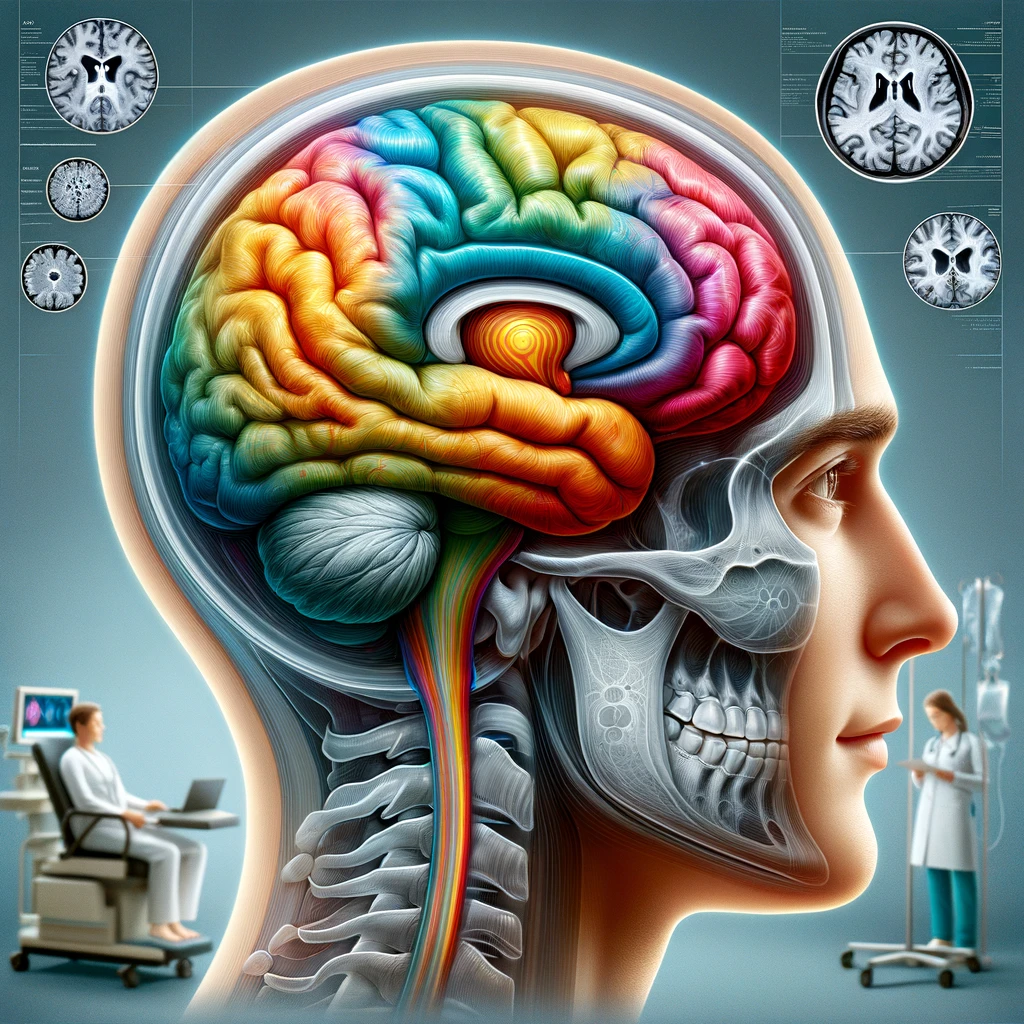


- Understanding functional neurological disorder
- Common misdiagnoses and their consequences
- Barriers to accurate diagnosis
- Improving clinical education and awareness
- Steps towards better patient outcomes
Functional neurological disorder (FND) is a condition characterised by neurological symptoms that appear to be caused by a problem with the functioning of the nervous system rather than structural damage or disease. Symptoms can include motor dysfunction such as tremors, weakness or paralysis; sensory symptoms like numbness or tingling; and episodes resembling seizures, often referred to as dissociative seizures. These manifestations are real and distressing for patients, yet they do not always follow the patterns of known neurological diseases, which can complicate diagnostic processes.
FND sits at the intersection between neurology and psychiatry, which has historically contributed to confusion over its definition and management. For many years, these symptoms were labelled as “psychogenic” or “hysterical”, terms that are now considered outdated and potentially stigmatising. The modern understanding of FND is more nuanced, recognising that the brain is not functioning correctly despite appearing structurally normal on scans. This functional disruption is thought to arise from a complex interplay of psychological, neurological, and social factors, although the exact mechanisms continue to be studied.
Diagnosis is typically made through positive clinical signs, rather than being a diagnosis of exclusion. Neurologists can identify specific inconsistencies in the physical examination or find that symptoms improve with distraction or certain manoeuvres, which supports an FND diagnosis. However, a lack of consistent training across healthcare professionals in recognising these signs often results in misdiagnosis. Improved healthcare training is key to addressing this gap, ensuring clinicians have the necessary skills to distinguish FND from other neurological disorders confidently.
One major challenge in recognising FND lies in its diverse symptom profiles, which may mimic those of epilepsy, stroke, multiple sclerosis, or other neurological diseases. Without familiarity with FND-specific indicators, clinicians may either over-investigate or prematurely attribute symptoms to psychological causes, missing opportunities for timely and appropriate intervention. Integrating FND education into medical curricula and continuing professional development is a crucial step towards improving clinical certainty and reducing rates of misdiagnosis.
Public education also plays a role in understanding FND. Misconceptions about the condition being “all in the mind” can delay help-seeking behaviour and increase the emotional burden on patients. A clear, informed dialogue between healthcare providers and patients, rooted in current scientific understanding, can empower people with FND and pave the way for more validated and effective care experiences.
Common misdiagnoses and their consequences
Misdiagnosis is a common and concerning issue for individuals with FND. Owing to the complex and varied nature of its symptoms, patients are frequently diagnosed with other neurological or psychiatric conditions before arriving at an accurate diagnosis. For instance, dissociative seizures, a subtype of FND, are often mistaken for epileptic seizures. This can lead to unnecessary use of anti-epileptic medications, repeated hospital visits, and ultimately, a lack of symptom control, which frustrates both patient and clinician. Similarly, motor symptoms such as limb weakness or gait disturbance may be misinterpreted as signs of stroke or multiple sclerosis, prompting expensive and invasive investigations that do not yield conclusive evidence.
The consequences of misdiagnosis extend well beyond inappropriate treatment. Patients often experience a prolonged period of uncertainty, during which their symptoms may worsen due to lack of proper management. Being told repeatedly that test results are “normal” can also contribute to a sense of invalidation, feeding into anxiety or depression and deepening the psychosocial impact of the condition. In some cases, the mistaken notion that symptoms are fabricated or attention-seeking leads to dismissive attitudes from healthcare professionals, further eroding trust in the medical system.
Moreover, once an incorrect diagnosis has been made, it can be very difficult to reverse. Clinicians may feel reluctant to question earlier assessments made by colleagues, especially in cases where diagnostic labels such as epilepsy or multiple sclerosis have already been formally recorded. This can create delays in recognising the true nature of the symptoms and implementing effective treatments geared specifically for FND. In children and adolescents, the challenges are even greater, as there may be heightened sensitivity around mental health labelling, and opportunities for targeted intervention can be missed during critical developmental periods.
The lack of standardised healthcare training in FND contributes significantly to misdiagnosis. As it stands, many medical professionals receive little to no formal instruction on how to identify functional symptoms or use positive diagnostic signs. Instead, the focus often remains on ruling out other disorders, reinforcing an outdated model where FND is seen only after everything else has been excluded. This approach delays diagnosis and risks entrenching the idea that FND is not a “real” condition. Improved training would help clinicians gain confidence in recognising FND early and positively, reducing reliance on unnecessary tests and ensuring swifter access to specialist care where needed.
In addition to clinical misdiagnosis, public education plays a role in shaping how symptoms are recognised and described by patients themselves. Without basic awareness of FND, individuals experiencing functional symptoms may struggle to describe them effectively during medical consultations, or may avoid seeking help altogether out of fear of not being taken seriously. In turn, healthcare providers not adequately trained in FND may fail to ask the right questions or consider functional diagnoses, resulting in a missed opportunity for early intervention. Ensuring both clinicians and the broader public understand that FND is a genuine and treatable condition can shorten the pathway to appropriate care and improve long-term health outcomes.
Barriers to accurate diagnosis
Several interconnected factors contribute to the difficulty in accurately diagnosing functional neurological disorder (FND). One of the most pervasive barriers is a widespread lack of awareness and understanding among healthcare professionals. Despite the high prevalence of FND relative to other neurological conditions, many clinicians receive minimal or no specific training in recognising its distinct clinical features. As a result, FND is frequently overlooked or misattributed to more familiar neurological or psychiatric conditions. This oversight is exacerbated by outdated models that consider FND only after all “organic” causes have been excluded, which delays timely intervention and erodes confidence in the diagnosis among both clinicians and patients.
Another obstacle is the enduring stigma surrounding conditions perceived to lie at the intersection of mind and body. Historical terms such as “hysteria” have deeply influenced medical culture, leading to ongoing scepticism about the legitimacy of FND. This stigma is not limited to healthcare settings; public misunderstanding often paints FND as a condition that is feigned or psychosomatic in the pejorative sense. Stigma can prevent patients from seeking help, or may influence how openly they describe their symptoms, affecting the quality of assessments and increasing the risk of misdiagnosis. For healthcare professionals, internalised biases may create hesitation in diagnosing FND, especially in complex cases that involve both neurological and psychiatric features.
Diagnostic challenges are further compounded by the variability of FND symptoms. Patients may present with a myriad of signs—ranging from tremors and seizures to speech difficulties and sensory disturbances—that mimic those of stroke, epilepsy, multiple sclerosis, or other conditions. Without confident recognition of the positive clinical signs specific to FND, such as entrainable tremors or Hoover’s sign for limb weakness, clinicians may be reluctant to settle on a functional diagnosis. This leads to over-investigation, unnecessary treatments, and enduring uncertainty for patients. The heterogeneity of symptom presentation also makes it difficult to create a one-size-fits-all diagnostic pathway, increasing reliance on individual clinical judgment which may vary widely depending on a clinician’s experience and training.
Time constraints in clinical settings present another critical barrier. Diagnosing FND accurately often requires a comprehensive and nuanced consultation that includes careful history-taking, physical examination, and explanation of findings to the patient. In busy clinics, there may be insufficient time for such detailed assessments, especially when patients present with complex and multi-system complaints. If clinicians are under pressure to make rapid decisions, they may default to more familiar diagnostic frameworks, unintentionally overlooking FND. Furthermore, the lack of immediate access to multidisciplinary teams, including physiotherapists, neuropsychiatrists and psychologists familiar with FND, limits the ability to confirm diagnoses and coordinate appropriate management strategies.
The limited availability of evidence-based care pathways adds another layer of difficulty. Many regions do not have dedicated FND clinics or services, and even when such resources exist, they may have long waiting lists. Without clear guidelines or referral routes, frontline healthcare providers may feel unsupported in managing FND cases, particularly when symptoms persist. This fragmentation in service availability cannot be addressed without targeted investment and system-wide reforms recognising FND as a legitimate and priority condition.
Health inequalities also play a role. Patients from socioeconomically disadvantaged backgrounds or marginalised communities often face additional hurdles in accessing appropriate care. Language barriers, cultural differences in expressing symptoms, and varying levels of health literacy can further complicate assessments, especially when public education about FND is minimal. In such cases, both the patient and clinician may struggle to reach mutual understanding, reinforcing misdiagnosis and frustration on both sides.
To overcome these systemic barriers, improvements in healthcare training are urgently needed. This includes integrating FND education into medical and allied health curricula, providing continuing professional development opportunities focused on functional disorders, and normalising discussions around FND in clinical environments. At the same time, public education campaigns could help demystify the condition, enabling individuals to seek care sooner and describe their symptoms more effectively. Bridging the gaps between public perception, clinical recognition, and service delivery is central to achieving earlier diagnosis and better outcomes for those living with FND.
Improving clinical education and awareness
Improving clinical education is a fundamental step in addressing the widespread misdiagnosis of functional neurological disorder (FND). At present, many medical and allied health training programmes include minimal instruction about the presentation and management of FND. As a result, clinicians often feel underprepared and uncertain when faced with patients exhibiting functional symptoms. Integrating comprehensive FND education into undergraduate and postgraduate medical curricula is essential in ensuring that future healthcare professionals are equipped with the skills and confidence to recognise, diagnose, and appropriately manage FND using evidence-based approaches.
Effective healthcare training must go beyond textbook definitions and focus on practical, real-world case recognition. Simulation exercises, clinical placements in neurology services, and dedicated workshops on functional symptoms can all contribute to a more nuanced understanding of this condition. For professionals already in practice, continuing professional development (CPD) opportunities should be readily accessible, offering updates on diagnostic techniques such as the use of positive signs like Hoover’s sign or tremor entrainment. Moreover, interprofessional training that brings together neurologists, psychiatrists, psychologists, physiotherapists and occupational therapists can foster collaboration and ensure consistent messaging across disciplines.
Raising awareness about FND within healthcare settings also relies on shifting the narrative around the condition. Historically, FND has been marginalised in medical education due to its perceived complexity and the conflation of its symptoms with psychiatric illness. Educators and clinical leaders must work to dispel outdated myths and emphasise the legitimacy of FND as a recognised disorder with clearly defined diagnostic criteria. This includes promoting a biopsychosocial model that acknowledges the role of brain function, psychological factors and social context, rather than framing the symptoms as malingering or purely emotional in nature.
Public education plays a complementary role in improving clinical awareness. Patients who have access to accurate and accessible information are more likely to seek medical attention earlier and to describe their experiences in ways that aid diagnosis. Campaigns that demystify FND and present it as a common, manageable condition can also reduce stigma, allowing for more open discussions between patients and professionals. Public materials—such as leaflets, websites, and community talks—should be developed and endorsed by medical bodies to ensure consistency with current clinical understanding.
Engaging with media and popular health platforms can further disseminate accurate information about FND to the wider community and challenge prevailing misconceptions. Stories shared by individuals with lived experience, when framed sensitively, can help validate the condition while highlighting the importance of accurate diagnosis and appropriate care. Encouraging this dialogue not only empowers patients but also reinforces to healthcare providers the real impact of their approach and the importance of ongoing education in the field.
Ultimately, transforming how FND is understood within healthcare training and public discourse requires institutional support. National health bodies, medical schools, and professional organisations must adopt clear standards for FND education and commit to regular review and revision of teaching materials. By investing in both clinical and public education, the medical community can improve diagnostic accuracy and pave the way for more empathetic, timely, and effective interventions for people living with functional neurological disorder.
Steps towards better patient outcomes
Achieving better patient outcomes for those diagnosed with functional neurological disorder (FND) involves a combination of early recognition, multidisciplinary care, and sustained support across the healthcare system. Central to this is prompt and confident diagnosis, guided by positive clinical signs. Speedy identification not only reduces the emotional strain caused by prolonged uncertainty but also opens the door to meaningful intervention and recovery. Studies show that individuals who receive early and empathetic explanations of their condition tend to have better prognoses, as this helps foster trust in the diagnosis and promotes engagement with treatment.
One of the most effective ways to enhance patient outcomes is through improved access to specialist, interdisciplinary teams. FND is inherently complex, often involving a blend of motor, sensory, and psychological symptoms that require input from neurologists, clinical psychologists, physiotherapists, occupational therapists, and sometimes speech and language therapists. Developing integrated care pathways that facilitate communication between these professionals ensures that interventions are aligned and holistic. For example, physiotherapy that focuses on functional movement retraining, rather than purely strength-building, is especially beneficial in tackling motor symptoms, while cognitive behavioural therapy and psychoeducation help patients understand and manage psychological stressors that may exacerbate symptoms.
Central to treatment success is patient education. Understanding why symptoms occur and how they can improve helps demystify the condition and reduce associated anxiety. Effective education involves clear, jargon-free explanations that validate patient experiences and emphasise that symptoms are genuine but reversible through the right approaches. This can be delivered both during consultations and via structured programmes such as group sessions or guided self-help resources. Public education campaigns also play an important role, dispelling stigma and encouraging earlier presentation to healthcare services, which may in turn reduce the lag between symptom onset and diagnosis.
In order to support better health outcomes, it’s equally important that healthcare services remain flexible and responsive to patient needs. FND symptoms often fluctuate, and patients may require ongoing adjustments to their care plans. Introducing follow-up support, regular reviews, and relapse-prevention strategies helps patients to stay on track and catches emerging issues before they escalate. Where possible, remote support methods—such as telephone check-ins or video consultations—can be incorporated to provide continuity without overburdening patients who may have mobility or fatigue challenges.
Equipping healthcare professionals with the tools to manage FND confidently is another pillar of improving outcomes. Beyond initial diagnosis, clinicians should be trained to monitor symptom progression, provide consistent messaging, and coordinate with other services. Strengthening healthcare training in this area ensures that patients do not fall through the cracks or receive contradictory advice. Investment in professional development, including through workshops, e-learning modules, and case study reviews, allows the healthcare workforce to stay abreast of best practices as new research emerges.
Patient advocacy and peer support networks should also be recognised as valuable contributors to long-term wellbeing. Connecting with others who understand the daily realities of living with FND can offer emotional support, practical advice, and a sense of community. Encouraging participation in support groups or volunteering opportunities not only enhances individual resilience but can feed into research and policy by amplifying patient voices and lived experiences. These insights are essential for shaping services that are truly patient-centred.
Healthcare policies must recognise FND as a legitimate and treatable condition deserving of targeted resources. Commissioning specialist services, embedding FND care into neurology and mental health frameworks, and fostering research into therapeutic innovations are vital steps. As public education grows, so too will demand for reliable, effective treatment—making it critical that the healthcare system is prepared to meet these needs with compassion and expertise.