
- Understanding functional neurological disorders
- Role of community health workers
- Effective training methods and strategies
- Communication skills and patient interaction
- Ongoing support and professional development
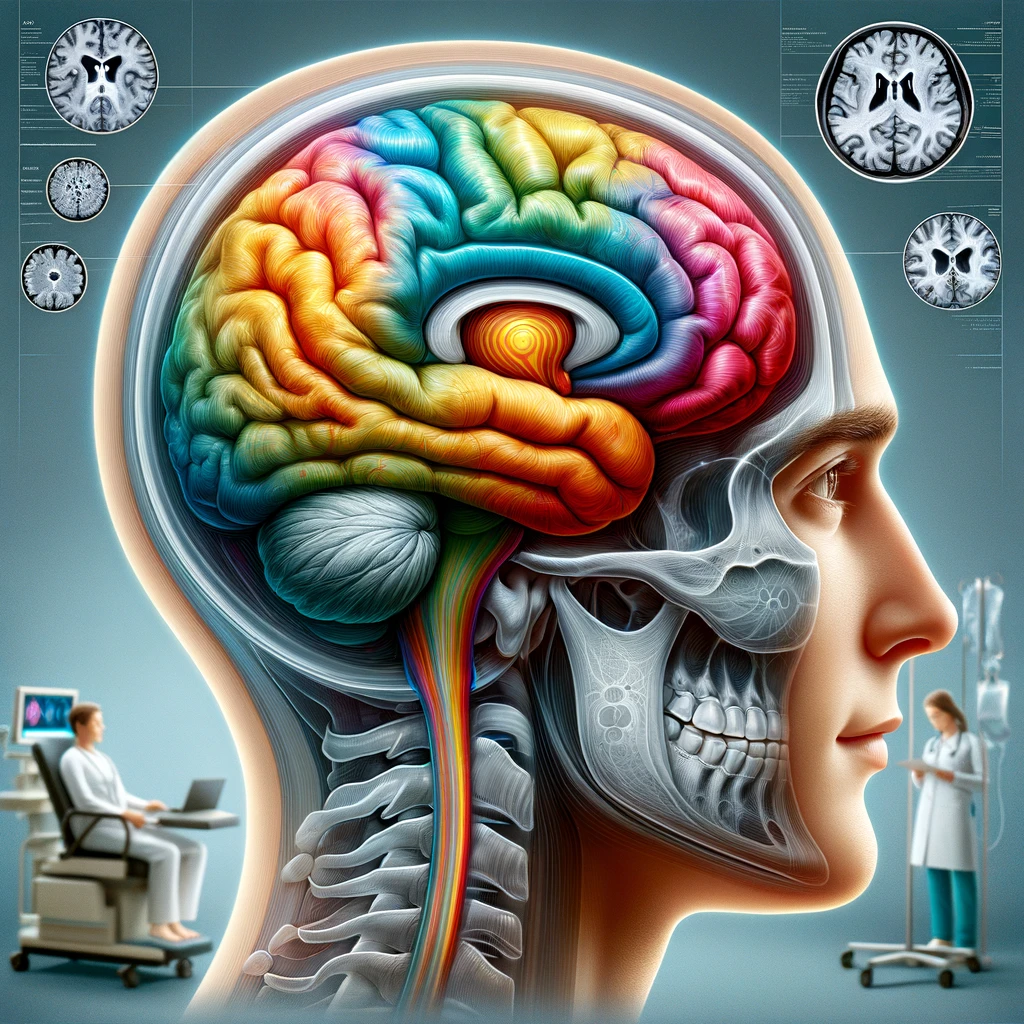
Functional Neurological Disorders (FND) represent a complex interplay between neurological symptoms and psychological factors. These disorders often manifest through symptoms such as seizures, paralysis, and sensory disturbances, which are not attributed to a neurological disease. Understanding FND requires a comprehensive grasp of its nature as a condition that exists at the intersection of neurology and psychiatry. The symptoms are real and not deliberately produced, even though they lack a clear organic cause. The education of health workers should focus on distinguishing FND from other neurological disorders, emphasising the importance of recognising the psychological underpinnings that contribute to these conditions.
One critical aspect of understanding FND involves recognising the biopsychosocial model, which illustrates how biological, psychological, and social factors contribute to the development and persistence of symptoms. Successful management and education around this concept are vital for tailoring supportive services and interventions that can alleviate distress and improve quality of life for individuals with FND. Such an understanding helps refine clinical approaches and guides the development of patient-centred strategies. It is furthermore important to convey that FND, though complex, is an area where effective treatment can be established through proper diagnosis and comprehensive care strategies.
Role of community health workers
Community health workers (CHWs) hold a pivotal position in the healthcare system, especially in managing Functional Neurological Disorders (FND). As they often serve as the first point of contact in underserved communities, their role is crucial in providing initial awareness and guiding individuals through the complexities of FND. By bridging the gap between clinical settings and community care, CHWs ensure that individuals with FND receive the necessary outreach and support services tailored to their unique needs. Their involvement is instrumental in offering health education and fostering an understanding of the condition not only among patients but also among their families and broader communities.
The effectiveness of CHWs in managing FND rests on their ability to recognise early signs and symptoms, facilitating timely referrals to specialists. This proactive approach helps in avoiding misdiagnosis, which is common with FND due to its resemblance to other neurological disorders. Furthermore, CHWs provide ongoing psychosocial support, which is essential for sustaining treatment regimens and enhancing patient adherence to therapeutic interventions. Their local presence and cultural competence enable them to customise health messages, making them more relatable and impactful for the community members they serve.
Through continuous interaction, CHWs empower patients with FND by reinforcing the importance of attending follow-up appointments and adhering to prescribed management plans. By advocating for these individuals, CHWs act as catalysts for change within healthcare systems that may otherwise overlook the nuances of FND. Their advocacy extends beyond the one-on-one patient interaction, as they work towards increasing overall community awareness, reducing stigma, and promoting an inclusive healthcare approach that acknowledges the multifaceted nature of FND.
Effective training methods and strategies
The development of effective training methods and strategies is essential to equip community health workers with the necessary skills and knowledge to manage Functional Neurological Disorders (FND). A combination of theoretical and practical learning experiences ensures that health workers are well-prepared to address the challenges presented by FND. Training programmes should include comprehensive modules on the pathology and symptomatology of FND, underpinned by the latest research and clinical guidelines. This approach ensures that community health workers can accurately recognise and differentiate FND symptoms from other neurological disorders, leading to better patient outcomes.
Interactive workshops and role-playing scenarios are invaluable in fostering a hands-on understanding of FND, allowing participants to practise communication techniques and patient interaction skills in a controlled environment. Furthermore, incorporating patient case studies and testimonies during training can provide a holistic view of living with FND, going beyond textbook definitions to highlight the real-world impact of the disorder. This method encourages empathy and enhances the ability of CHWs to offer compassionate care and effective support services.
Utilising digital platforms and e-learning modules offers additional flexibility and accessibility, enabling continuous education and skill development for community health workers, even in remote locations. These programmes can include webinars, video lectures, and discussion forums to facilitate ongoing engagement and professional growth. Importantly, regular assessments and feedback loops are critical to gauge the effectiveness of the training and to identify areas requiring improvement or further emphasis.
To ensure sustained impact, training strategies should be revisited and updated regularly, reflecting new insights and advancements in the understanding of FND. Collaboration with healthcare professionals, educators, and patients ensures the relevance and accuracy of the training content. By fostering a culture of learning and adaptability, these training methods can significantly enhance the capability of community health workers to conduct effective outreach and provide comprehensive care to individuals with FND.
Communication skills and patient interaction
Effective communication skills are vital for community health workers when interacting with individuals affected by Functional Neurological Disorders (FND). Given the complex nature of FND, these interactions require sensitivity and an understanding approach to facilitate trust and encourage open dialogue. It is crucial that community health workers establish a supportive environment where patients feel heard and understood. This foundation of trust can significantly enhance patient outcomes by ensuring that individuals remain engaged with their care plans and feel comfortable discussing their symptoms and concerns.
One of the key aspects of effective patient interaction involves active listening. Community health workers must be attentive to not only the verbal communication but also the non-verbal cues and underlying emotions expressed by patients. This comprehensive listening approach allows health workers to respond appropriately and provide reassurance to patients who may be struggling with the frustrations associated with FND. Furthermore, CHWs should be adept at explaining complex medical information in a concise and easily understandable manner. Simplifying medical jargon and using relatable language helps to demystify the condition and empowers patients by enhancing their understanding of FND and their role in managing it.
The ability to tailor communication strategies to meet the diverse needs of patients is essential. Community health workers should consider the individual’s cultural background, literacy level, and personal experiences with FND when conveying information. This personalisation ensures that communication is not only respectful and inclusive but also effective in promoting adherence to treatment and management plans. Additionally, it is important for CHWs to address misconceptions and reduce stigma associated with FND through their interactions, which can foster a more accepting community environment.
Incorporating digital communication tools and platforms can also enhance patient interaction, providing an avenue for ongoing support and engagement. By utilising text messages, emails, or app-based communication, health workers can offer timely advice and reminders, thereby ensuring continuity of care between appointments. This approach promotes a proactive engagement model, encouraging patients to take an active role in their health management. By integrating these communication strategies, community health workers can significantly impact the lives of those living with FND, helping to improve access to support services and educational resources.
Ongoing support and professional development
Ensuring ongoing support and professional development for community health workers is crucial in the effective management of Functional Neurological Disorders (FND). Given the evolving landscape of healthcare, it is imperative that these workers are not only initially trained but also receive continuous education to refine their skills and stay updated with the latest practices and understanding of FND. This continuous learning process is pivotal in nurturing their ability to deliver high-quality support services to individuals with FND, ensuring that care is consistent and evidence-based.
Regular workshops, seminars, and refresher courses can serve as platforms for community health workers to update their knowledge and enhance their competencies in managing FND. These sessions can be particularly beneficial in introducing new research findings or treatment protocols, thereby maintaining a high standard of care. Moreover, such educational initiatives can offer opportunities for health workers to share their experiences and strategies, fostering a community of practice that promotes collaborative learning and problem-solving.
Mentorship and peer support programmes are integral to the professional development of community health workers. By pairing less experienced workers with seasoned professionals, the exchange of practical insights and firsthand experiences can significantly enrich their understanding of handling complex cases. This mentorship can also provide emotional support, promoting resilience and job satisfaction among health workers. Furthermore, online forums and discussion groups can extend the reach of these mentorship programmes, facilitating global collaboration and the sharing of best practices.
Access to digital resources and e-learning platforms is another essential component of ongoing professional development. These tools can provide flexible learning options that accommodate the varied schedules of community health workers, particularly those operating in remote areas. Through online courses, webinars, and interactive modules, health workers can access a wealth of information at their convenience, ensuring that their training is both comprehensive and continuous.
Supportive administration and institutional backing are vital to the success of professional development initiatives. Healthcare organisations must prioritise the provision of resources and time for their health workers to engage in these programmes. By investing in the professional growth of their workforce, organisations can enhance overall service delivery and patient satisfaction. Furthermore, recognising and rewarding the achievements and contributions of community health workers can motivate them and reinforce their commitment to providing exceptional care to individuals with FND.
The provision of ongoing support and professional development for community health workers is essential in empowering them to deliver effective outreach and education to individuals with FND. By promoting continuous learning, mentorship, and access to digital resources, health workers can remain at the forefront of FND management, ensuring that patients receive the most informed and empathetic care possible.