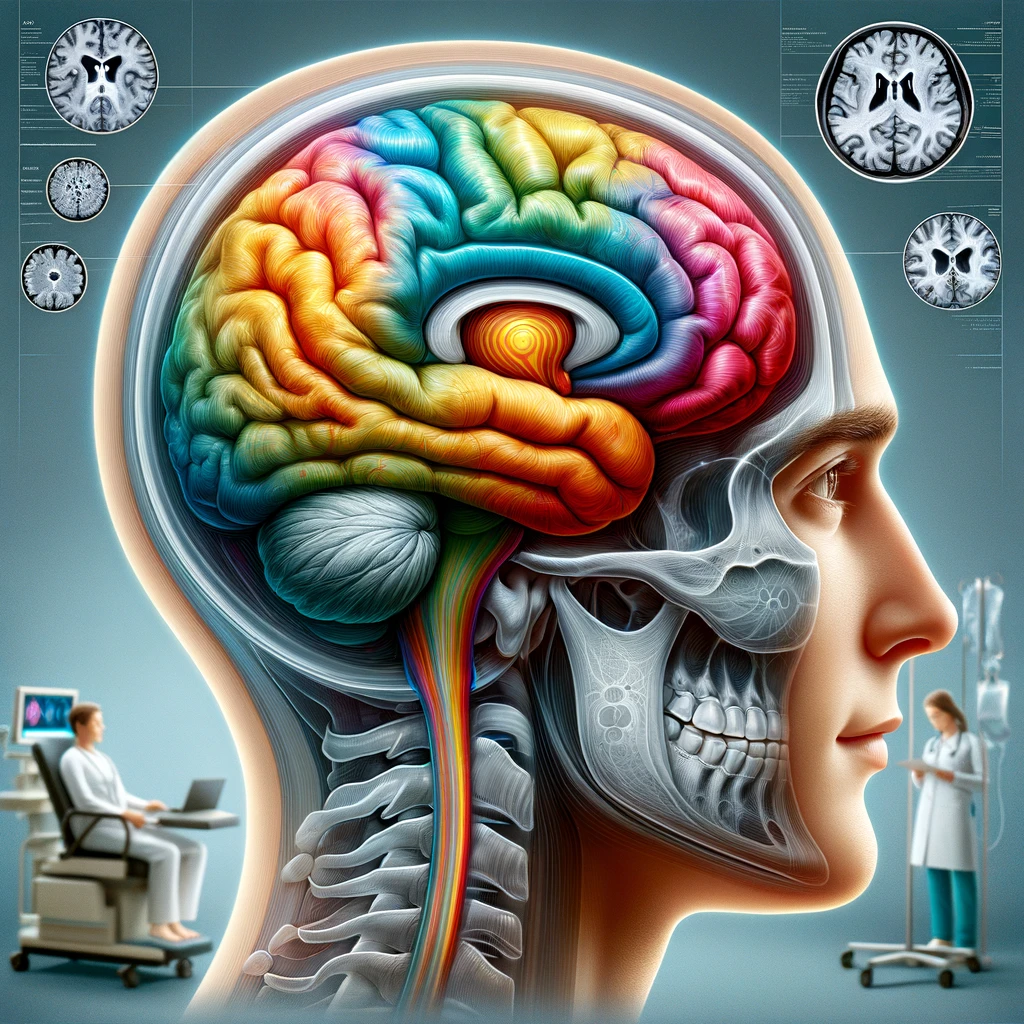

- understanding functional paralysis
- distinguishing structural causes
- diagnostic approaches
- treatment strategies
- case studies and analysis
Functional neurological disorder (FND) represents an intriguing and complex condition in which a patient exhibits neurological symptoms, such as paralysis, without underlying structural abnormalities to account for them. Unlike paralysis that results from an identifiable lesion in the nervous system, functional paralysis emerges without evident organic damage upon neurological examination or imaging diagnostics. This distinction is imperative, as it challenges conventional understandings of nervous system dysfunction and urges clinicians to recognise the interface of brain, mind, and environment influences.
Patients with functional paralysis can present with a variety of symptoms that mimic those of structural causes, but their source lies in the altered functioning of neural pathways rather than physical damage. The onset of this paralysis is typically acute, and the symptoms can be inconsistent, variable, and sometimes triggered by psychological stressors. Understanding these characteristics is crucial for differentiating functional paralysis from structural causes during a neurological examination.
FND demands a nuanced approach involving a multifaceted understanding of the patient’s psychological and social context, alongside their medical history. This approach ensures that the inherent complexities surrounding functional symptoms are acknowledged and appropriately addressed in the absence of overt structural abnormalities.
distinguishing structural causes
Distinguishing the structural causes of paralysis involves a comprehensive evaluation to identify any anatomical anomalies responsible for the symptoms. Structural paralysis is typically associated with identifiable lesions or abnormalities that can be observed through imaging diagnostics, such as MRI or CT scans. These scans help in revealing conditions like spinal cord injuries, tumours, or demyelinating diseases such as multiple sclerosis, which directly cause disruption in neural pathways.
One cornerstone in differentiating these causes is the neurological examination, which helps determine the presence of reflexes, sensory deficits, or muscle atrophy indicative of structural damage. This examination often unveils patterns consistent with specific pathological lesions, such as a hemiplegia resulting from a stroke. The detailed study of motor and sensory functions can also indicate the exact level within the nervous system where the impairment may have occurred.
Blood tests and other laboratory investigations further aid in identifying any metabolic or inflammatory conditions contributing to structural paralysis. In some instances, a lumbar puncture may be performed to analyse cerebrospinal fluid for signs of infections or autoimmune conditions. Moreover, electrophysiological studies like EMG and nerve conduction studies can pinpoint dysfunction at the level of muscles or peripheral nerves, offering additional clarity in the diagnosis of structural causes.
The rigorous process of distinguishing structural from functional causes is vital in ensuring that patients receive appropriate treatment. By carefully analysing all available data, clinicians can direct their therapeutic efforts effectively, ensuring they address the root cause of the paralysis, whether it be a treatable structural deformation or an underlying functional condition like FND that requires a different therapeutic approach.
diagnostic approaches
Accurate diagnosis of paralysis requires a meticulous approach, leveraging various methods to discern between functional and structural causes. The evaluation begins with a comprehensive clinical assessment that often includes a neurological examination. This examination serves as a foundation, helping clinicians to identify any functional deficits in motor and sensory pathways that may not correspond with typical patterns of organic damage.
A thorough history-taking process is crucial, where practitioners gather detailed information about the onset, progression, and potential triggers of symptoms. Understanding the patient’s psychological, social, and medical background enriches the context of the presenting symptoms, particularly in cases of functional neurological disorder (FND), where psychological factors may play a significant role.
Advanced imaging techniques, such as magnetic resonance imaging (MRI) or computed tomography (CT) scans, are integral to the diagnostic process, providing visual insights into the nervous system’s structure. These techniques can confirm the absence of structural lesions in cases of FND or reveal abnormalities indicative of structural causes, thereby guiding further diagnostics.
Electrophysiological tests, including electromyography (EMG) and nerve conduction studies, are instrumental in differentiating types of paralysis. These tests assess the electrical activity in muscles and nerves, often clarifying whether an electrical transmission issue underlies the observed symptoms or if a psychological factor is contributing to a functional disorder.
In some instances, further laboratory investigations may be necessary to exclude metabolic, infectious, or autoimmune conditions that could mimic functional symptoms. Clinicians may also employ behavioural and cognitive assessments to detect patterns typical of FND, such as inconsistencies in symptom presentation that do not align with structural dysfunction. Such patterns include sudden changes in muscle tone or unusual reflex reactions during the examination.
Collaboration with a multidisciplinary team can enhance the diagnostic process, bringing together insights from neurology, psychiatry, psychology, and physiotherapy. This holistic approach ensures that the overlapping complexities of functional and structural causes are rigorously evaluated, allowing for the formulation of a personalised and effective treatment plan tailored to the patient’s unique needs and circumstances.
treatment strategies
The management of paralysis, particularly when distinguishing between functional and structural causes, demands a personalised and multidisciplinary approach to treatment. Treatment strategies must be tailored according to the individual needs of the patient, contingent on whether the underlying cause is of a functional neurological disorder (FND) or due to structural anomalies. For cases identified as FND, psychological interventions form the cornerstone of treatment. Cognitive behavioural therapy (CBT) is frequently employed to assist patients in recognising and reframing distorted thought patterns that may exacerbate their symptoms. Such therapeutic interventions focus on providing patients with coping strategies to manage stressors that trigger or worsen functional symptoms, contributing to improved quality of life.
Additionally, physiotherapy plays a critical role in the rehabilitation of patients with functional paralysis. Structured physical therapy sessions aim to restore normal movement patterns through gradual exposure to physical activities, encouraging positive reinforcement of functional movements. The collaborative efforts of physiotherapists in tandem with mental health professionals promote a comprehensive rehabilitation approach, empowering patients to regain control over their motor functions.
In addressing structural causes of paralysis, treatment strategies may encompass medical, surgical, or rehabilitative approaches, depending on the precise diagnosis revealed through detailed diagnostics. For example, structural paralysis stemming from demyelinating diseases might be managed with disease-modifying therapies to control the progression and impact of the disease. Surgical intervention may be indicated in scenarios involving compressive lesions, such as tumours or herniated discs, to relieve pressure and restore normal neural function.
Medication management also forms a critical component of treating structural paralysis. Pharmacological agents may be prescribed to manage symptoms, reduce inflammation, or modify disease progression, thus contributing to enhanced patient outcomes. Moreover, occupational therapy can be incorporated to assist patients in adapting to daily activities and improving their quality of life, further illustrating the importance of a cohesive treatment plan that encompasses various therapeutic disciplines.
The interdisciplinary approach, integrating the expertise of neurologists, psychiatrists, physiotherapists, and occupational therapists, remains vital for effective treatment. This collaborative model not only facilitates a thorough understanding of the patient’s condition but also ensures that all aspects of their health and well-being are addressed, fostering an environment conducive to positive healing and functional recovery.
case studies and analysis
Analysing case studies provides key insights into the practical application of diagnostics and treatment strategies for both functional and structural paralysis. One illustrative example involves a 35-year-old male presenting with sudden onset paralysis, initially attributed to a work-related incident. A comprehensive neurological examination and subsequent imaging revealed no structural abnormalities, prompting the consideration of a functional diagnosis, specifically FND. Further psychological assessment suggested work-related stress as a significant contributing factor.
Intervention through cognitive behavioural therapy (CBT) was initiated alongside physiotherapy, focusing on gradual motor function restoration. The dual approach resulted in significant symptom improvement and enhanced coping mechanisms, highlighting the effectiveness of a multidisciplinary strategy tailored to functional paralysis.
Contrastingly, another case study involving a 50-year-old female with progressive right-side weakness demonstrated the necessity for structural assessment. MRI imaging in this instance revealed a benign tumour exerting pressure on the spinal cord, thereby confirming a structural cause of paralysis. Surgical intervention successfully alleviated the pressure, followed by rehabilitative exercises to restore mobility.
These case studies exemplify the importance of precise diagnostics, as accurate differentiation between functional and structural origins significantly influences treatment approaches. Through detailed analysis of patient history, in conjunction with neurological examinations and advanced imaging, clinicians are better equipped to formulate effective intervention plans. Consequently, individualised treatment strategies, addressing the unique presentations and needs of each patient, are pivotal to achieving optimal outcomes in both FND and structural paralysis cases.