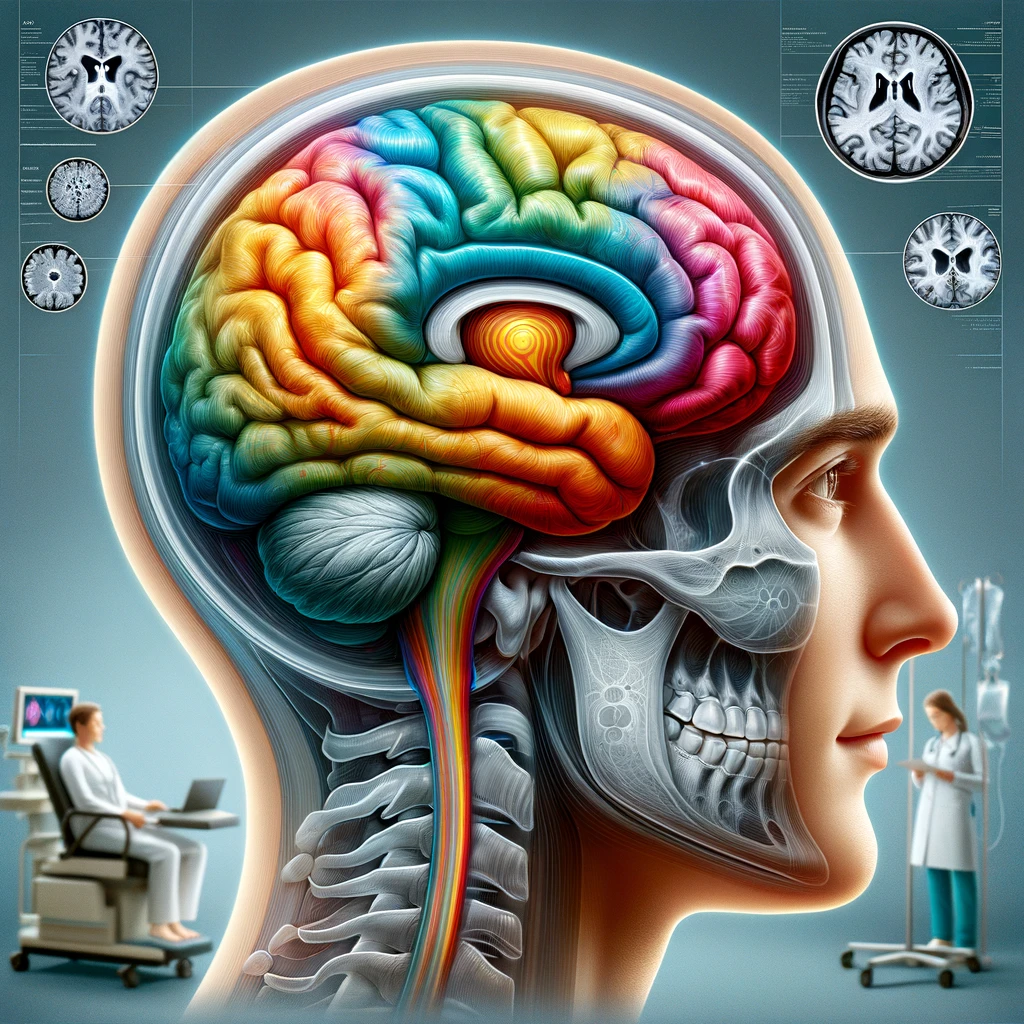

- Exploring the link between sleep dysfunction and FND
- Causes and symptoms of sleep dysfunction in FND
- Impact of sleep disorders on FND patients
- Diagnostic challenges and considerations
- Therapeutic approaches and management strategies
The connection between sleep dysfunction and Functional Neurological Disorder (FND) is increasingly becoming a focus of scientific investigation. FND comprises a range of motor and sensory symptoms that lack a consistent neurological basis. Within this context, sleep dysfunction has been observed to be prevalent among individuals with FND, raising important questions about the interaction between these conditions. Recent studies have highlighted that patients with FND often report disturbances in their sleep patterns, such as insomnia and fragmented sleep cycles. These issues further compound the difficulties patients face, as poor sleep quality can lead to symptom exacerbation. It is crucial to delve into this relationship comprehensively to better understand how sleep disorders may contribute to the severity and persistence of FND symptoms.
Researchers propose that the link between these conditions may be bidirectional. Sleep dysfunction often exacerbates FND symptoms, leading to increased fatigue, irritability, and reduced cognitive function. Conversely, the stress and psychological strain associated with navigating life with FND can contribute to ongoing sleep disturbances. This feedback loop may help explain why individuals with FND often find their symptoms worsening with poor sleep, establishing a cycle that can be challenging to break. Furthermore, both sleep disorders and FND share potential common aetiological factors, such as stress, emotional trauma, and abnormalities in brain function, suggesting a more intricate overlap in the underlying mechanisms driving both conditions.
By elucidating the interplay between sleep dysfunction and FND, clinicians are better equipped to develop targeted therapeutic strategies that address both the neurological and psychological components of these disorders. Improved sleep hygiene, cognitive behavioural therapy for insomnia, and tailored interventions aimed at reducing stress and anxiety are some of the approaches that may mitigate the impact of sleep disorders on FND, ultimately enhancing the quality of life for affected individuals.
Causes and symptoms of sleep dysfunction in FND
The causes of sleep dysfunction in individuals with Functional Neurological Disorder (FND) can be multifaceted, often resulting from a complex interplay of psychological, physiological, and neurological factors. Stress and psychological trauma are commonly implicated, as they may disrupt normal sleep patterns and lead to chronic sleep disorders, including insomnia. The psychological burden of living with FND can heighten anxiety and depressive symptoms, which in turn may precipitate or exacerbate sleep disturbances. Moreover, the brain’s altered function in those with FND might affect the regulation of sleep-wake cycles, contributing to the development of insomnia and other sleep irregularities.
Symptoms of sleep dysfunction in patients with FND can range from difficulty falling or staying asleep to experiencing unrefreshing and non-restorative sleep. Many individuals report persistent fatigue despite an adequate opportunity for rest, as well as daytime sleepiness that impairs their daily functioning. Fragmented sleep is another common issue, where patients frequently awaken during the night, leading to interrupted sleep stages and poor sleep quality. Such disruptions can contribute significantly to the symptom exacerbation of FND, as inadequate sleep may worsen cognitive impairments and emotional instability, further complicating the overall management of the disorder.
Impact of sleep disorders on FND patients
Sleep disorders can significantly affect patients with Functional Neurological Disorder (FND), exacerbating both physical and psychological symptoms associated with the condition. Insomnia, fragmented sleep, and other sleep disturbances can lead to heightened physical ailments such as increased muscle pain and fatigue, which are frequently reported by those suffering from FND. Consequently, the lack of restorative sleep results in diminished energy levels, posing challenges in managing daily activities and responsibilities.
The psychological impact is also profound, as inadequate sleep exacerbates emotional instability and cognitive dysfunction, common issues in individuals with FND. Sleep deprivation can intensify feelings of anxiety and depression, contributing to a vicious cycle of worsening mental health symptoms and further sleep disruption. Cognitive impairments such as reduced attention span, memory issues, and slower processing speeds are often more pronounced in FND patients experiencing sleep deprivation, potentially leading to decreased job performance and strained interpersonal relationships.
Moreover, the interconnection between sleep disorders and FND symptoms creates a feedback loop where symptom exacerbation due to poor sleep further disrupts sleep patterns. This cycle complicates the management of FND, as addressing either the neurological symptoms or sleep issues in isolation may not suffice. Therefore, a comprehensive therapeutic approach targeting both aspects is essential to break the cycle and improve the overall well-being of those affected by FND.
Diagnostic challenges and considerations
Accurately diagnosing sleep disorders in individuals with Functional Neurological Disorder (FND) presents several challenges due to the overlapping symptoms and complex presentations associated with both conditions. One primary difficulty is distinguishing whether sleep dysfunction arises as a consequence of FND or if it acts as a contributing factor. The multifaceted nature of FND symptoms often complicates this distinction, potentially leading to misdiagnosis or underdiagnosis of underlying sleep disorders such as insomnia or sleep apnoea.
Another challenge is the pervasive symptom overlap between FND and sleep disorders, which can blur the clinical picture. Patients with FND frequently report fatigue, irritability, and cognitive impairments, symptoms that also characterise various sleep disorders. Therefore, clinicians must exercise careful clinical judgment and utilise comprehensive diagnostic evaluations, including polysomnography and detailed patient histories, to unravel these complexities.
The subjective nature of measures such as self-reported sleep quality further complicates the diagnostic process. Patients with FND may have heightened awareness of bodily and psychological symptoms, possibly affecting their perception of sleep quality and leading to discrepancies between subjective reports and objective findings. This underscores the necessity for clinicians to consider both subjective and objective data in diagnosing and addressing sleep disorders in FND patients.
Furthermore, it is crucial for healthcare professionals to consider the potential for a bidirectional relationship between sleep dysfunction and FND when evaluating symptoms. Symptom exacerbation due to poor sleep may contribute to the persistence and severity of FND, necessitating a thorough assessment to determine the full extent of sleep disruptions. This dynamic further emphasises the importance of a multidisciplinary approach involving neurologists, sleep specialists, and psychologists to develop accurate diagnoses and tailor interventions that can address the full spectrum of a patient’s challenges.
Therapeutic approaches and management strategies
In managing the complex interplay between sleep dysfunction and Functional Neurological Disorder (FND), therapeutic strategies often require a multidisciplinary approach that addresses both physical and psychological facets of the condition. Tailored interventions aim to alleviate symptoms of sleep disorders, notably insomnia, which is prevalent among FND patients. Cognitive Behavioural Therapy for Insomnia (CBT-I) is frequently advocated as a first-line non-pharmacological treatment, helping patients alter detrimental sleep patterns and foster healthier sleep behaviours through structured cognitive and behavioural components. This approach emphasises understanding the psychological and emotional factors contributing to sleep disturbances, thereby facilitating symptom reduction.
In addition to CBT-I, improving sleep hygiene represents a foundational element in managing sleep dysfunction. Patients are encouraged to establish regular sleep-wake schedules, create a conducive sleep environment, and engage in relaxation techniques such as mindfulness or meditation to combat stress-induced sleep disruptions. Progressive relaxation exercises before bedtime can help reduce arousal levels, thereby improving sleep onset and maintenance.
From a pharmacological perspective, if psychological and lifestyle interventions prove insufficient, clinicians might consider the cautious use of sleep medications, ensuring they are tailored to individual patient profiles while carefully weighing potential benefits against risks such as dependency. Melatonin supplements or low-dose sedatives may be employed under strict medical supervision to assist in re-establishing normalised sleep patterns.
Furthermore, addressing the underlying factors contributing to FND can lead to improvements in sleep quality. Treatments targeting stress reduction, such as psychotherapy or stress management programmes, may indirectly ameliorate sleep issues by diminishing the overall psychological burden. Similarly, physiotherapy can alleviate physical symptoms, potentially reducing the physical discomfort that might interfere with sleep.
Importantly, continuous monitoring and adaptation of therapeutic strategies are crucial. Regular follow-ups allow healthcare providers to assess the efficacy of interventions and make necessary adjustments, ensuring that management strategies remain aligned with the patient’s evolving needs. Such vigilant oversight helps to break the cycle of symptom exacerbation, enhancing overall quality of life and contributing to sustained improvement in both FND symptoms and sleep-related challenges.