
- Understanding functional neurological disorder
- Current gaps in medical education
- Impact on patient care and outcomes
- Barriers to curriculum integration
- Strategies for effective FND education implementation
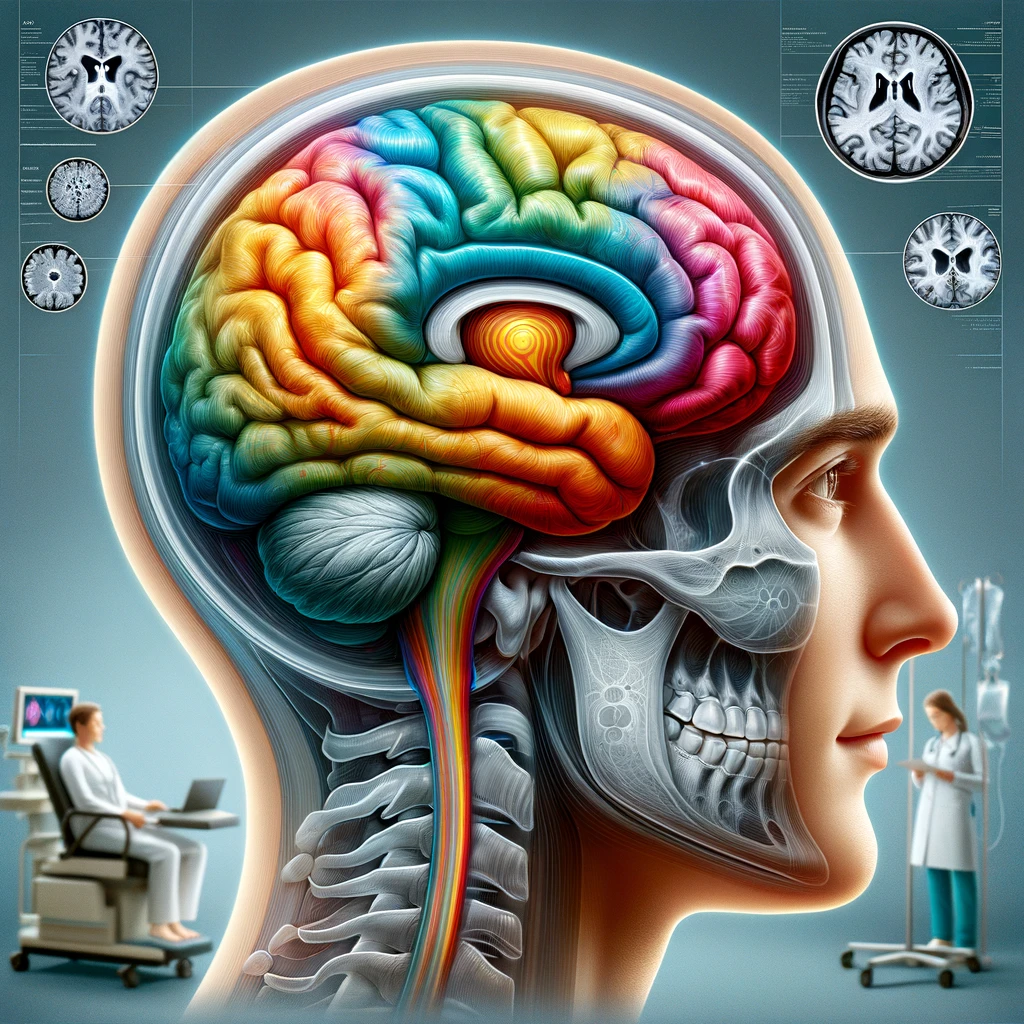
Functional neurological disorder (FND) is a complex and often misunderstood condition that lies at the intersection of neurology and psychiatry. It encompasses a range of neurological symptoms—such as motor dysfunction, seizures, sensory disturbances, and cognitive impairments—that are not attributable to structural disease but are nevertheless genuine and disabling for the patient. Despite mimicking other neurological illnesses, FND results from abnormal functioning of the nervous system rather than from organic damage, making it a diagnosis based on positive signs rather than exclusion.
FND is one of the most common diagnoses in neurology clinics, yet there remains a significant stigma associated with the disorder. Many patients face misunderstanding, disbelief, or dismissal from both the public and some sectors of the medical community. This reflects a broader gap in public knowledge and awareness, as well as inconsistencies in how FND is recognised and managed within healthcare systems. Increasing understanding of FND among healthcare professionals is critical because it directly impacts patient care, access to appropriate treatment, and clinical outcomes.
In medical school curricula, however, FND has not traditionally received the attention its prevalence warrants. This lack of exposure means that new doctors often feel unprepared to diagnose or manage FND, perpetuating misconceptions and potentially leading to misdiagnoses or unnecessary investigations. Incorporating FND education into healthcare training, including recognising its hallmark features and understanding the current evidence-based approaches to treatment, can improve diagnostic accuracy and foster a more empathetic, informed clinical approach.
Recent advances in neuroimaging and clinical research have helped demystify the biological mechanisms underpinning FND, highlighting that it involves genuine disturbances in brain function. This emerging evidence base provides a strong foundation for integrating FND more comprehensively into medical education. By acknowledging FND as a legitimate and treatable disorder, rooted in identifiable neurological processes, healthcare professionals can begin to dismantle outdated misconceptions and better serve this often-overlooked patient population.
Current gaps in medical education
Despite the high prevalence of FND in clinical settings, medical school curricula often neglect the condition, resulting in noticeable deficits in practitioner confidence and competence. Many students graduate with limited understanding of how to diagnose, communicate about, and manage functional neurological symptoms. This educational void contributes to continued reliance on outdated information, with clinicians frequently perceiving FND as either fabricated or exclusively psychological, which conflicts with current neurological research.
Most undergraduate medical programmes prioritise conditions with clear structural pathology, leaving little room for disorders with functional underpinnings such as FND. Without specific training or clinical exposure to FND cases, students are denied the opportunity to appreciate the complexity and legitimacy of the disorder. This lack of education fosters uncertainty during clinical encounters and increases the likelihood of inappropriate referrals, excessive testing, and fragmented patient experiences.
Moreover, conventional teaching methods often fail to engage with the biopsychosocial model central to FND, preventing students from adopting a holistic, patient-centred framework. Educational materials may not reflect up-to-date classifications or evidence-based treatment protocols, and assessments seldom evaluate the ability to identify functional neurological symptoms. As a result, healthcare training does not equip future clinicians with the practical skills or confidence to support this vulnerable patient population effectively.
The limited emphasis on FND is mirrored in the scarcity of role models or mentors with expertise in the area. Few teaching hospitals offer specialised FND clinics, and only a minority of educators actively promote accurate, compassionate understanding of the disorder. This contributes to a cycle of insufficient public knowledge and clinical stigma, where both medical professionals and patients struggle with the consequences of systemic under-education.
Impact on patient care and outcomes
The impact of limited FND education on patient care is far-reaching, often resulting in delayed diagnoses, inappropriate treatments, and weakened trust between patients and clinicians. When healthcare professionals lack sufficient training in FND during medical school, they are more likely to misinterpret or dismiss symptoms, leading to repeated misdiagnoses and unnecessary investigations that strain both the patient and the healthcare system. Patients may undergo numerous tests, referrals, and even invasive procedures, all without receiving a definitive explanation for their symptoms.
This uncertainty fosters feelings of frustration, isolation, and invalidation among patients, many of whom already struggle with the psychological distress associated with chronic illness. A lack of public knowledge further amplifies these experiences; when both clinicians and laypersons question the legitimacy of the diagnosis, patients are left feeling stigmatised or disbelieved. Such experiences can exacerbate symptoms and hinder engagement with treatment pathways that have shown to be effective, such as physiotherapy delivered with an understanding of FND’s unique presentation.
Conversely, when healthcare training includes comprehensive and evidence-based education on FND, it leads to earlier recognition, accurate diagnosis, and effective patient communication. Clinicians who approach FND with informed empathy can reassure patients, validate their experiences, and guide them towards multidisciplinary care tailored to their needs. This approach not only improves clinical outcomes but also strengthens the therapeutic relationship, which is essential in the management of functional symptoms.
Access to prompt, accurate FND diagnosis and treatment has been shown to significantly improve long-term outcomes. Patients who receive early intervention are more likely to make functional gains and less likely to require ongoing or emergency medical care. As healthcare systems face increasing pressure to deliver cost-effective treatments, timely FND management presents a compelling opportunity to reduce unnecessary resource use while improving patient quality of life. Bridging the gap in medical school education is thus not merely an academic concern but a critical component of patient-centred care and sustainable healthcare delivery.
Barriers to curriculum integration
Integrating functional neurological disorder (FND) into medical school curricula faces numerous systemic and structural challenges that hinder its widespread adoption. One of the primary barriers is the traditional compartmentalisation of neurology and psychiatry within medical education. This artificial divide often leaves FND falling between specialties, with each department assuming the other is responsible for its inclusion. As a result, medical students receive limited, if any, formal education on a condition that sits squarely at the intersection of both disciplines.
Another significant obstacle is the competition for curricular space within an already overcrowded medical school syllabus. Educators must prioritise content that prepares students for licensure exams and national assessments, which historically have not emphasised FND. This leads to the marginalisation of conditions like FND despite their prevalence in clinical settings. Without incentives or mandates from accrediting bodies, institutions often struggle to justify allocating valuable teaching time to conditions not explicitly assessed.
In addition to curricular pressures, there exists a pervasive lack of faculty expertise and confidence in teaching FND. Many medical educators were trained at a time when FND was poorly understood or mischaracterised, and their teaching may inadvertently reflect outdated or stigmatising views. The absence of clinician-educators with up-to-date knowledge of FND contributes to inconsistent messaging and reinforces student misconceptions. The limited number of specialised FND clinics or practitioners within teaching hospitals further compounds this issue, restricting opportunities for hands-on learning and positive role modelling.
Wider issues of public knowledge and healthcare culture also play a role. Negative attitudes towards FND in the medical community often mirror societal misconceptions, perpetuating notions that symptoms are exaggerated or fabricated. These attitudes can be internalised by students and educators alike, creating reluctance to engage with FND as a legitimate area of study. In environments where medical authority privileges structural pathology over functional symptoms, disorders like FND are at risk of being dismissed, further entrenching educational neglect.
Institutional hesitation to adopt innovative or interdisciplinary teaching methods can impede the delivery of FND education. Effective instruction on FND often requires a shift from didactic approaches to interactive, case-based learning that encourages critical reflection and biopsychosocial thinking. However, such methods demand resources, training, and curricular flexibility that many institutions find difficult to marshal without system-wide support or demonstrated demand. Addressing these multifaceted barriers is essential to ensure that future healthcare training equips clinicians to manage FND with confidence, empathy, and clinical accuracy.
Strategies for effective FND education implementation
Effective implementation of FND education within medical school curricula requires a strategic, multifaceted approach that addresses both structural and cultural challenges. Integrating FND into existing modules, particularly those covering neurology, psychiatry, and the biopsychosocial model, is a practical solution that avoids overloading the curriculum. By embedding core FND concepts within current teaching on neurological and psychological disorders, students can build familiarity and clinical reasoning skills without the need for extensive standalone courses.
Curriculum designers should prioritise case-based teaching, which uses real or simulated patient encounters to illustrate key features of FND, including positive diagnostic signs and the importance of empathetic communication. Such interactive methods foster a deeper understanding of the condition’s complexity and encourage students to move beyond outdated dualistic thinking. Involving multidisciplinary educators—from neurologists and psychiatrists to physiotherapists and clinical psychologists—ensures that training reflects the collaborative nature of effective FND management.
Enhancing public knowledge about FND can also support educational reform. Partnerships between medical schools and patient advocacy groups provide opportunities to include lived experience perspectives in teaching. Patient narratives can help reduce stigma and promote the legitimacy of FND, fostering greater student engagement. Incorporating these voices into lectures, workshops, or reflective writing assignments strengthens the human connection often missing in theoretical instruction.
Faculty development is crucial for sustainable change. Offering training sessions and access to up-to-date clinical guidelines helps educators feel confident delivering comprehensive FND education. Medical schools can encourage professional development by recognising faculty members who champion FND education and supporting their efforts through funding and scholarly opportunities. Establishing mentoring programmes where students can observe or participate in specialised FND clinics further reinforces course content and provides clinical context.
Assessment frameworks must evolve to reward FND knowledge and diagnostic acumen. Including content on functional symptoms in written examinations, objective structured clinical examinations (OSCEs), and case presentations sends a clear message that FND is a vital component of healthcare training. This also motivates students to approach the topic with the same seriousness afforded to other neurological conditions.
Lastly, policy-level advocacy can accelerate systemic change. Collaboration with accrediting bodies to incorporate FND into guidelines or competency standards ensures that institutions are held accountable for providing relevant training. By aligning educational reform with wider healthcare goals, such as improving care for underserved populations and reducing resource-intensive investigations, medical schools can position FND education as both clinically necessary and cost-effective. In doing so, future clinicians will be equipped to deliver informed, compassionate, and evidence-based care to patients with functional disorders.