
- Understanding functional neurological disorder
- Challenges in the workplace
- Communicating with employers effectively
- Resources for employers and colleagues
- Supporting long-term employment success
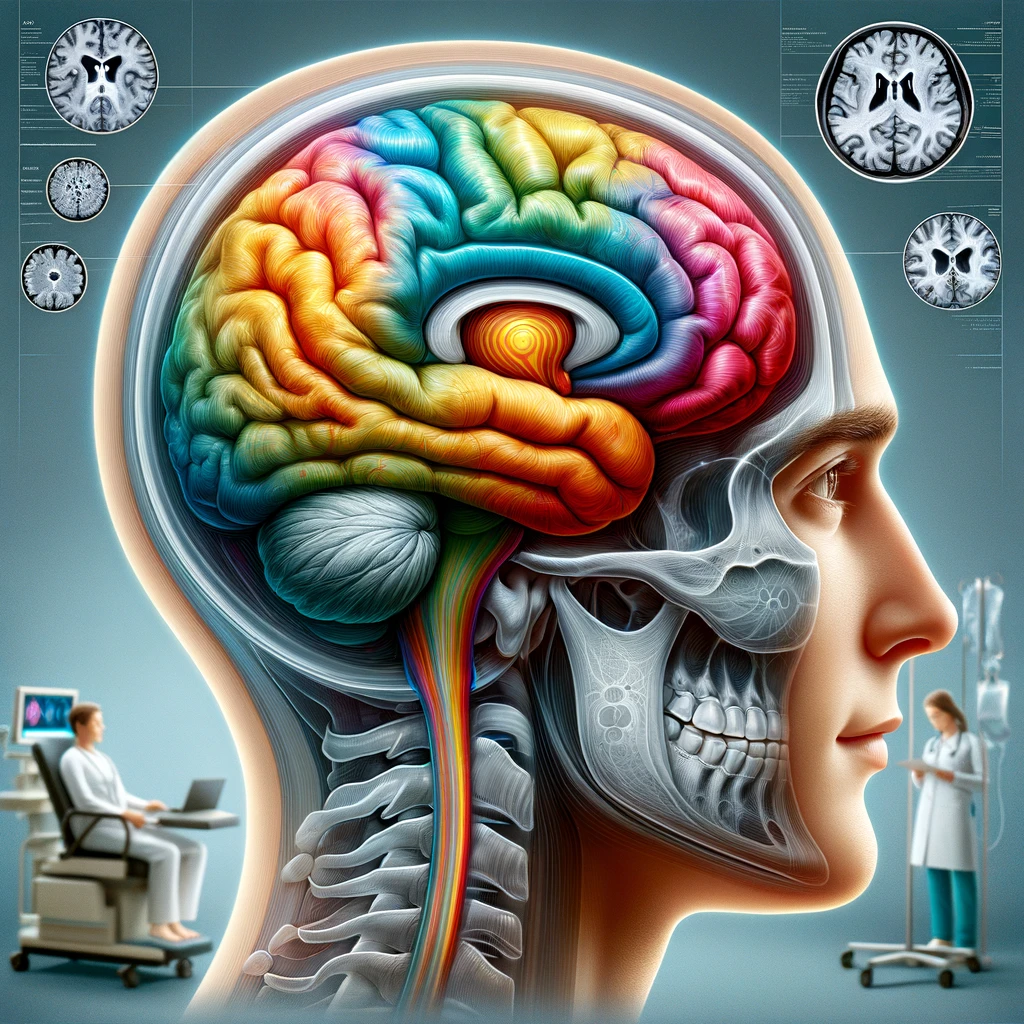
Functional Neurological Disorder (FND) is a condition where patients experience neurological symptoms such as seizures, weakness, or problems with movement and speech, which cannot be explained by traditional neurological diseases. These symptoms are real and often debilitating, resulting from a problem with the functioning of the nervous system rather than structural damage to the brain. Despite their genuine impact, the symptoms of FND can be misunderstood or dismissed, particularly within occupational settings where visibility of illness often affects perceptions of legitimacy.
Understanding FND is crucial not only for medical professionals but also for employers and colleagues, as increased awareness can make a significant difference in supporting affected individuals successfully in the workplace. The condition varies greatly between individuals, meaning that some may require flexible schedules or minor modifications, while others might need more substantial adjustments or support to continue in their roles. Employment can play a therapeutic role for people with FND, offering structure, social interaction, and a sense of identity, which can contribute positively to recovery and wellbeing.
Awareness and patient advocacy are essential components of improving the employment experience for those with FND. Education about the condition helps challenge stigma and ensures that employers understand that symptoms are not under voluntary control. With the right understanding and accommodations, many individuals with FND can remain productive and valuable members of the workforce. Employers who take the time to learn about the condition and respond with flexibility and empathy contribute to a more inclusive and supportive professional environment.
Challenges in the workplace
Individuals with FND often face significant challenges in workplace environments due to the fluctuating and sometimes invisible nature of their symptoms. These may include fatigue, speech difficulties, tremors, cognitive issues, or periods of reduced mobility, which can be unpredictable and vary in severity. When symptoms arise suddenly or without warning, it can be difficult for colleagues and employers to understand the seriousness of the condition, especially if there is limited awareness around FND. This lack of understanding may lead to misinterpretations, such as assuming the individual is unmotivated or not committed to their role.
One common workplace difficulty for people with FND is navigating expectations around consistency and reliability. Many jobs demand a fixed schedule or rapid task switching, which can be particularly demanding for someone managing neurological symptoms. Without appropriate accommodations, such expectations may place unnecessary stress on the employee, exacerbating their condition and potentially leading to frequent absences or even loss of employment. Patient advocacy becomes essential in such situations to ensure that necessary adjustments are discussed and implemented in collaboration with employers.
Additionally, many individuals hesitate to disclose their diagnosis due to concerns about stigma or being treated differently. This fear of discrimination can prevent open communication and hinder access to support that could otherwise help maintain successful employment. A culture of trust and openness within the workplace, where health challenges are acknowledged and respected, is vital to enable such conversations to take place. Increasing general awareness among managers and HR professionals about FND can facilitate a more supportive response when disclosure does occur.
Mental health is another area that intersects with workplace challenges for those with FND. The stress of concealing symptoms, fear of judgment, or attempts to work through episodes can contribute to anxiety and depression. Employers who recognise the holistic impact of FND and offer mental health support, such as counselling services or access to employee wellbeing programmes, take crucial steps towards fostering an inclusive and healthy work environment. Employment should be a source of stability and empowerment; with informed support, individuals with FND can continue to find purpose and productivity within their careers.
Communicating with employers effectively
When preparing to communicate with employers about FND, it is important for individuals to consider how much information they feel comfortable sharing, while ensuring that their needs and abilities are clearly conveyed. A tailored approach that focuses on the functional impact of the condition, rather than medical details, can help employers better understand how to offer support. Explaining that FND symptoms can fluctuate day to day, and that they result from a disorder of nervous system functioning rather than from structural brain damage, may help challenge misconceptions and build awareness among managers and colleagues.
Written explanations, perhaps supported by medical letters or resources from recognised health authorities, can be valuable tools. These can provide a factual basis for discussions and reduce the emotional burden on the individual trying to explain complex medical information. Including patient advocacy materials or directing employers towards reputable sources of information helps shift the conversation from personal explanation to broader understanding. It also signals a willingness to work collaboratively and proactively in maintaining a positive employment relationship.
Timing is also a key factor in effective communication. For some, disclosing their diagnosis at the point of hiring may be beneficial if reasonable adjustments are needed from the outset. For others, waiting until a trusting relationship has been established may feel safer. In either case, requesting a meeting in a private setting with HR or a line manager ensures that the conversation can take place sensitively and without interruption. It is often helpful to prepare in advance by listing specific challenges encountered at work and proposing realistic accommodations that would enable continued productivity.
Employers respond more positively when employees frame their condition in terms of work impact and demonstrate their continued commitment. For instance, discussing how flexible hours or remote work options during flare-ups can help maintain output and reduce absences can build confidence on both sides. Patient advocacy plays a role here too, empowering individuals with FND to express their needs and reinforce their value to the organisation. It is through such open and constructive dialogue that employment becomes a shared goal, supported by mutual respect and understanding.
Following up after the initial discussion is essential. This could involve checking in with the employer to review how adjustments are working, or asking for regular meetings to reassess support strategies. This ongoing communication maintains trust and ensures that both employee and employer are adapting effectively as the individual’s experience with FND evolves. Creating an environment where health conditions can be discussed openly not only supports the person with FND, but also contributes to a broader culture of inclusion, awareness and wellbeing within the workplace.
Resources for employers and colleagues
Employers and colleagues play a critical role in supporting individuals with Functional Neurological Disorder (FND) in the workplace. Access to reliable resources is essential in promoting understanding, improving communication, and implementing effective accommodations that support sustained employment. By engaging with evidence-based materials and support organisations, employers can gain a clearer picture of how FND affects individuals and how best to respond with empathy and practicality.
One of the most effective ways to improve awareness is through educational resources specifically tailored to the work environment. Charities such as FND Hope UK and the FND Action network offer downloadable guides, webinars, and training materials designed to help staff and employers comprehend the condition’s complexities. These resources outline how symptoms may present at work and recommend adjustments that can enhance employee wellbeing and productivity without compromising business goals.
In addition to educational content, occupational health services can provide personalised support for both the employer and employee. Occupational therapists and workplace assessors with experience in neurological conditions can advise on modifications to the physical environment, work routines, or communication methods. Employers may also consider collaborating with Access to Work, a government-funded programme that offers practical and financial support for individuals with health conditions. This includes cover for specialised equipment, travel to and from work, and personal support workers if needed.
Human Resources (HR) departments benefit greatly from guidance documents on how to manage long-term health conditions fairly and consistently. These might include equality and diversity training with a focus on hidden disabilities, legal responsibilities under the Equality Act 2010, and case studies illustrating successful employment outcomes for those with FND. Promoting awareness also involves encouraging an organisational culture where open discussion of health issues is normalised and stigma is actively challenged.
Colleagues, too, should be included in awareness efforts. While it is important to respect the privacy of the individual with FND, general training on invisible disabilities and inclusive behaviour helps foster empathy and reduces misinformation. Peer understanding improves team cohesion and helps avoid unintentional exclusion. Encouraging a compassionate and flexible workplace supports both wellbeing and performance, ensuring that individuals with FND can continue contributing meaningfully to their teams.
Patient advocacy groups are valuable allies in this process. They not only support individuals affected by FND but also engage businesses and policymakers in discussions about the realities of living and working with the condition. Employers who connect with these organisations can stay informed about best practice approaches and gain access to a community committed to improving quality of life and employment outcomes for those diagnosed with FND.
Supporting long-term employment success
Maintaining long-term employment success for individuals with FND hinges on a combination of sustained awareness, appropriate workplace adjustments, and proactive support strategies. Once initial accommodations are in place, ongoing dialogue between the employee and employer is vital to ensure that support measures remain relevant and effective. This includes scheduling regular check-ins to assess current needs, reviewing the effectiveness of adjustments, and being open to modifications as the person’s experience with FND evolves over time. Flexibility is key, as symptoms can fluctuate or shift, requiring a workplace culture that is responsive rather than rigid.
Clear, documented workplace policies regarding chronic health conditions such as FND contribute to a stable employment experience. These should outline procedures for requesting accommodations, managing health-related absences, and ensuring non-discriminatory treatment. Where possible, these policies should reflect input from individuals with lived experience, as well as from recognised patient advocacy organisations that specialise in neurological conditions. Embedding such structures within workplace practices demonstrates a commitment to inclusivity and helps reduce anxiety or uncertainty for employees affected by FND.
Employee training and peer support groups can enhance workplace awareness and foster a greater sense of community. For staff members with FND, knowing that colleagues have undertaken diversity and inclusion training—including modules on hidden disabilities—can reduce feelings of isolation and build confidence. Mentorship schemes or informal support networks within the organisation may also be helpful. These opportunities allow people to share experiences, coping strategies, and updates on patient advocacy initiatives that may benefit the workplace as a whole.
Professional development should continue to be encouraged for employees with FND. Employers can support this by offering remote training sessions, extended deadlines, or alternative formats for assessments and materials. Demonstrating faith in the employee’s capabilities through continued investment in their growth reinforces their value to the organisation. It also provides stability and motivation, which may have a positive impact on wellbeing. Collaborating with the employee to set realistic goals and explore career progression ensures that living with FND does not mean professional stagnation.
Technology can be a powerful tool in supporting long-term employment. Adaptive software, ergonomic equipment, and flexible working arrangements such as job sharing or hybrid roles, all contribute to creating a sustainable work environment. Employers should periodically review technological advances and signage improvements that could assist staff with FND. Consulting with occupational health professionals or accessing government programmes like Access to Work remains important in tailoring this support appropriately.
Ultimately, fostering a workplace where success is measured by output and adaptability, rather than by rigid attendance or traditional productivity metrics, benefits both individuals with FND and the organisation as a whole. By embracing patient advocacy perspectives, maintaining open lines of communication, and prioritising awareness and education, employers can help ensure that employment remains a source of empowerment and resilience for people with FND well into the future.