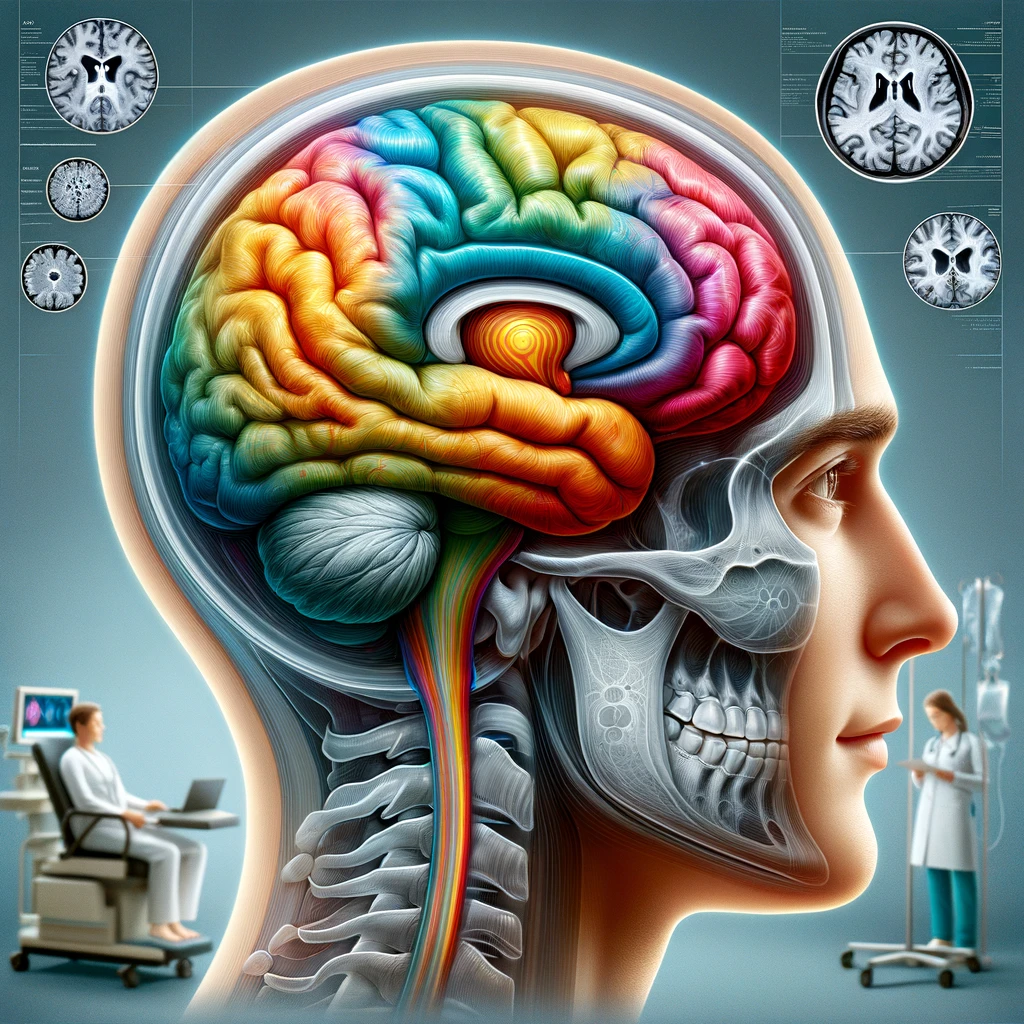

- Understanding functional neurological disorder
- Empathic communication strategies
- Choosing appropriate terminology
- Addressing patient concerns and misconceptions
- Promoting collaborative care and trust
Functional Neurological Disorder (FND) is a condition in which patients experience neurological symptoms—such as weakness, movement disorders, or sensory changes—that are not caused by structural damage in the nervous system but rather by a disruption in how the brain functions. Understanding FND requires a nuanced approach that recognises the legitimacy of the patient’s symptoms while also communicating that these symptoms are potentially reversible with the appropriate support and treatment strategies.
Patients with FND often face significant distress and confusion due to the variability and unpredictability of their symptoms. Therefore, providing a clear and compassionate explanation of the diagnosis is vital. It is essential to avoid suggesting the symptoms are ‘in the mind’ or exaggerations, which can contribute to feelings of dismissal and stigma. Instead, healthcare professionals should adopt a communication style that validates the patient’s experiences and maintains a focus on the functional nature of the disorder, rather than implying psychological causation alone.
Effective communication about FND should occur within a framework of patient-centred care. This means involving the patient in discussions, acknowledging their concerns, and offering information that is both accessible and respectful. When clinicians invest time in fostering understanding, they help to empower patients and promote engagement with treatment. For many individuals, gaining insight into the diagnosis can be the first step towards managing their symptoms and regaining control over their lives.
Compassion plays a central role in how clinicians convey information about FND. Considering the often prolonged and frustrating journey to diagnosis that many patients endure, a compassionate approach can help rebuild trust in the healthcare system. Recognising the impact of uncertainty, misdiagnosis, or previous negative encounters, clinicians can create a supportive environment where patients feel heard and valued. This foundation is crucial for successful ongoing management and collaboration in care.
Empathic communication strategies
Conveying a diagnosis of FND requires more than delivering information—it necessitates a communication style grounded in compassion and empathy. Patients may arrive at the consultation with feelings of fear, frustration, or even scepticism, often shaped by previous experiences in which they felt misunderstood or dismissed. An empathic approach helps to validate these emotions and establishes a therapeutic alliance from the outset. Using open-ended questions, reflective listening, and affirming language encourages patients to share their concerns and offers clinicians valuable insights into the personal context of the symptoms.
A key element of empathic communication is recognising the patient’s lived experience without judgement. Avoiding hurried explanations and allowing space for questions shows respect and interest in the patient’s narrative. When patients feel listened to, they are more likely to engage in discussions about management strategies and outcomes. Maintaining eye contact, a calm tone of voice, and attentive body language can reinforce trust and demonstrate genuine concern.
Introducing the concept of FND should be done with sensitivity, and clinicians should be prepared to repeat and clarify aspects of the explanation. Often, patients struggle to understand how tangible symptoms can arise without detectable structural damage. Presenting analogies that relate brain function to real-life examples—such as a computer with a software problem rather than hardware damage—can aid understanding and reduce anxiety. Most importantly, clinicians should avoid implying that symptoms are imagined, which risks undermining the patient’s experience.
Incorporating principles of patient-centred care into communication ensures that the discussion is tailored to the individual, rather than relying on a standardised explanation. This may mean adapting language depending on the patient’s background, offering written materials for further reading, or involving family members as appropriate. Supportive, ongoing communication builds a foundation for shared decision-making and enhances the patient’s confidence in their care plan.
Compassion must also extend to an awareness of how FND affects daily life. Acknowledging the impact on work, relationships, and emotional wellbeing helps patients feel seen in their entirety, not just as a set of symptoms. Simple affirmations such as “I understand this has been a difficult journey for you” can profoundly affect the therapeutic relationship. Through consistent, empathic communication, healthcare professionals play a vital role in helping patients navigate their diagnosis and move towards recovery.
Choosing appropriate terminology
Choosing terminology carefully when speaking with patients diagnosed with FND is critical in shaping their understanding and emotional response to the condition. Certain words carry unintended connotations that may lead to confusion, stigma, or feelings of invalidation. For instance, using terms such as “psychosomatic” or “imagined” can mistakenly suggest the symptoms are fabricated or solely psychological, even when that is not the intended meaning. Instead, language should reflect the legitimacy of the patient’s symptoms while reinforcing the functional nature of the disorder.
Terminology such as “functional neurological disorder” itself is valuable because it describes the condition in a neutral, medical framework that communicates the basis of the disorder without assigning blame. Referring to symptoms as “real but reversible” can be especially helpful, as it acknowledges the patient’s lived experience while instilling a sense of hope for improvement. Phrases like “a problem with how the brain is working, not how it is structured” facilitate understanding without implying that the symptoms are imagined or intentionally produced.
Compassion in communication extends to being mindful of metaphor and analogy. Comparing FND to well-understood phenomena like a computer software glitch—as opposed to a hardware breakdown—can be both scientifically accurate and relatable. Such analogies help demystify the diagnosis while encouraging a more patient-centred care approach. However, any analogy used should be tailored to the patient’s level of understanding and background to avoid oversimplification or misinterpretation.
Clinicians should avoid dichotomous terms that separate mind and body, as this can reinforce outdated notions of dualism and contribute to misunderstanding. Instead, integrative language that reflects modern neuroscientific understanding—such as referring to brain-body interactions or the role of neurobiology in symptom expression—can improve the patient’s comprehension and reduce self-blame. Terms like “stress-related” should be used with caution and always in a context that emphasises the multifactorial nature of the condition.
The use of compassionate, non-judgemental language is particularly important in initial consultations, where patients may already feel vulnerable or uncertain. Clinicians can ask patients how they have understood previous explanations and how they feel about the terms used. This allows for collaborative communication and demonstrates respect for the patient’s perspective. Empowering patients through clear, respectful terminology fosters a more positive attitude towards the diagnosis and enhances engagement with treatment strategies.
Ultimately, the vocabulary used in discussing FND must support an ongoing therapeutic relationship rooted in trust and mutual understanding. This carefully chosen language not only enhances communication but also reinforces the values of patient-centred care, promoting a more effective and compassionate clinical encounter.
Addressing patient concerns and misconceptions
Addressing concerns and misconceptions is a critical component of effective communication with patients diagnosed with FND. Many individuals come to the diagnosis with a range of preconceptions or incomplete information gleaned from online sources, previous medical encounters, or informal discussions. These misconceptions can include fears that symptoms are not real, beliefs that nothing can be done to help, or worries about being accused of faking or exaggerating. To overcome these barriers, clinicians must foster open dialogue that validates concerns while gently correcting misinformation with clarity and compassion.
Healthcare professionals should begin by encouraging patients to voice their doubts and questions. Demonstrating a willingness to listen without judgement reassures patients that their experiences and concerns are important. It is common for patients to express disbelief or shock upon hearing their diagnosis, especially if they have undergone numerous tests previously with no clear explanation. Responding to these feelings with empathy, rather than defensiveness, allows for a constructive conversation grounded in trust and mutual respect.
Clinicians can use patient-centred care principles to guide these discussions, ensuring that the messaging is both tailored and reassuring. Providing clear, consistent information about FND—its mechanisms, symptoms, and treatment possibilities—helps to dispel confusion. Explaining that the symptoms are a product of functional changes in the brain, rather than structural damage, and that they are both real and potentially reversible, often comes as a revelation to patients who have felt invalidated in the past. The use of visual aids or written explanations may further support understanding and retention of key information.
Another common misconception is that FND is entirely psychological or related only to stress. While psychosocial factors may contribute, it is essential to explain that FND arises from a disruption in brain function that can interact with various triggers—including physical, emotional, and environmental influences. By framing FND within a modern neuroscientific understanding, clinicians can help patients appreciate the complexity of the disorder and reduce feelings of shame or blame often associated with mental health explanations.
Recognising and normalising the emotional response to a diagnosis of FND is equally important. Patients may feel anxious, overwhelmed, or even sceptical at first. Acknowledging these emotions and reinforcing that such reactions are understandable can help patients feel more comfortable and less isolated. Using language that reflects compassion, such as, “I can see how confusing this must be for you,” creates a safe space for ongoing dialogue and emotional processing.
Family members and carers may also hold misconceptions that influence the patient’s perspective. Involving them in the communication process where appropriate can enable a shared understanding and foster a supportive environment. Educating both the patient and their support network reduces the risk of miscommunication and promotes a collaborative approach to managing the disorder.
Above all, addressing misconceptions requires time, patience, and an ongoing commitment to clear, empathic communication. This process is not limited to a single encounter but unfolds gradually as trust builds between clinician and patient. Continual affirmation that the patient’s symptoms are genuine, their condition is understood, and that support is available paves the way for more positive engagement with treatment and long-term outcomes.
Promoting collaborative care and trust
Building a collaborative relationship with patients diagnosed with FND hinges on the establishment of mutual trust, transparency, and shared decision-making. This relationship begins with a commitment to patient-centred care that values the individual’s experiences, preferences, and active involvement in their treatment journey. Effective collaboration requires clinicians to engage in regular, open communication—letting patients know they are partners in their care rather than passive recipients. Such an approach not only empowers individuals but also fosters a sense of agency, which is particularly vital in the context of a condition that can leave them feeling out of control.
Implementing structured but flexible care plans, tailored to the patient’s unique needs and goals, enhances collaborative efforts. This may involve working with multidisciplinary teams, including physiotherapists, occupational therapists, psychologists, and neurologists, to ensure comprehensive and cohesive management. Clear communication among all healthcare providers, mirroring the consistency shared with the patient, helps to prevent mixed messages and reinforces a unified understanding of FND. Inviting the patient to contribute to planning by asking what their priorities are, what they feel comfortable with, and how they have responded to previous interventions strengthens their confidence in the process.
Trust becomes a cornerstone of care when clinicians demonstrate reliability, respect, and compassion. Following through on commitments—such as delivering information, making timely referrals, or arranging follow-up—signals to the patient that their wellbeing is taken seriously. Equally, openly acknowledging uncertainties or challenges in treatment, rather than providing false assurances, reinforces honesty and integrity in the relationship. Trust is further deepened when clinicians remain available for ongoing conversations, check in on progress, and adapt plans in response to the patient’s evolving needs and experiences.
FND often involves complex interactions between cognitive, emotional, and physiological processes, which can make patients feel isolated or misunderstood. Collaborative care acts as a buffer against these feelings by creating a network of support around the patient. Encouraging the involvement of family members or trusted caregivers, with the patient’s consent, can also enable a broader sense of safety and continuity. Ensuring that all individuals involved feel heard and are provided with factual, compassionate explanations contributes to a cohesive support system.
Regularly revisiting the patient’s goals and checking in on how they are coping not only strengthens the therapeutic bond but also identifies any barriers to progress. Such conversations should always include compassionate listening, acknowledging setbacks without judgement, and celebrating small victories. Flexibility in approach—whether by adjusting treatment modalities, varying the pace of intervention, or integrating lifestyle and social support—demonstrates responsiveness and a shared commitment to recovery.
The culture of collaborative care thrives when patients feel accepted, valued, and believed. Using language that supports this—such as “we will work through this together”—underscores joint responsibility and shared hope. Communication that reflects compassion and fairness, rather than hierarchy or authority, transforms the clinical encounter into a partnership. In this context, patient-centred care moves beyond theoretical ideals to become a lived experience that supports recovery, fosters resilience, and acknowledges the full humanity of each individual navigating FND.