
- Understanding functional neurological disorder
- Key charitable organisations and their missions
- Educational campaigns and public outreach
- Support for patients and healthcare professionals
- Challenges and future directions in FND advocacy
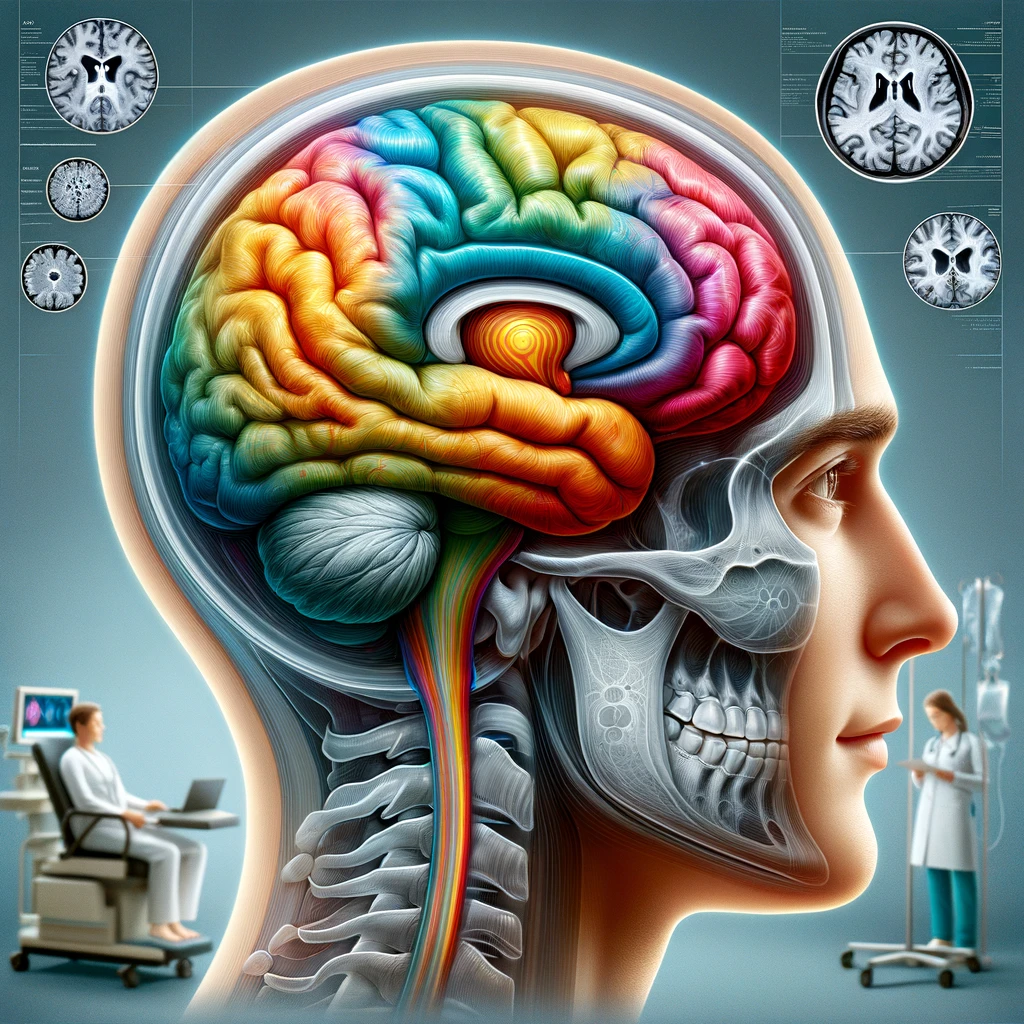
Functional Neurological Disorder (FND) is a condition characterised by neurological symptoms that appear to be caused by problems in the functioning of the nervous system, rather than damage or structural disease. Individuals with FND often present with symptoms such as non-epileptic seizures, limb weakness, tremors, gait disturbances, and difficulty speaking, which can resemble those of other neurological conditions like epilepsy or multiple sclerosis. However, medical investigations typically do not reveal structural abnormalities, making diagnosis and treatment challenging.
The underlying causes of FND remain complex and are believed to involve a combination of biological, psychological, and social factors. Stress, trauma, or underlying mental health conditions such as anxiety and depression are commonly associated, although they do not fully explain the onset of FND. Increasingly, research is focusing on understanding how the brain’s functional networks become disrupted in people with FND, leading to the miscommunication or misinterpretation of neurological signals.
Despite its prevalence—FND is one of the most common causes of neurological disability seen in outpatient neurology clinics—it remains poorly understood both by the general public and within the medical community. Many patients face stigma and disbelief, often waiting years before receiving a proper diagnosis. This gap in understanding underscores the importance of public education and awareness campaigns. Without awareness, patients are at risk of being misdiagnosed or dismissed, which can worsen their symptoms and delay effective treatment.
Charities focused on FND, such as FND Hope and FND Action, play a crucial role in addressing these issues through advocacy and education. They work towards not only educating the public and healthcare professionals about the legitimacy and complexity of the disorder but also lobbying for more research funding. By destigmatising FND and promoting early intervention strategies, these efforts help ensure that people living with FND receive the care and understanding they need.
Key charitable organisations and their missions
Several charitable organisations have emerged to take a leading role in raising awareness of Functional Neurological Disorder (FND) and supporting those affected by it. Among the most prominent are FND Hope and FND Action, two charities operating primarily in the United Kingdom but with global reach and partnerships. These groups are at the forefront of public education, patient advocacy, and collaborative efforts to enhance both understanding and treatment of FND within the medical community and broader society.
FND Hope focuses on opening dialogues around the legitimacy of FND as a recognised and serious condition. The charity advocates for improved diagnostic pathways and better access to multidisciplinary treatment. With an international presence, FND Hope’s mission is rooted in four main pillars: patient support, healthcare training, public awareness, and lobbying for change in health policy. Through active involvement with researchers, clinicians, and policymakers, FND Hope works diligently to bridge the gap between patient needs and clinical practice.
FND Action, meanwhile, centres its work in the UK and concentrates on amplifying the voices of those affected by FND. The organisation provides online resources and support groups that bring patients together, fostering a sense of community and shared understanding. FND Action also leads awareness campaigns during Functional Neurological Disorder Awareness Month, engaging the public through social media, educational webinars, and fundraising events. By supporting such initiatives, the charity not only raises visibility but also promotes empathy and reduces stigma.
Other community-based organisations, operating at regional or national levels, also play substantial roles in advocacy. Some focus on connecting patients with specialist services, while others prioritise the training of frontline healthcare workers to recognise and manage FND symptoms. These charities often collaborate with medical institutions to co-produce research, ensuring that voices of lived experience are included in clinical developments.
The collective efforts of these organisations exemplify how coordinated charitable action can challenge misconceptions about FND, foster public education, and build a supportive infrastructure for the FND community. Through targeted campaigns and policy engagement, these charities strive to ensure that FND patients receive timely diagnoses, effective treatments, and the respect they deserve.
Educational campaigns and public outreach
Awareness campaigns and public education efforts are essential tools used by FND charities to combat misinformation and promote understanding of Functional Neurological Disorder. These campaigns aim to dismantle the stigma that individuals with FND often encounter, especially due to the visible yet misunderstood nature of their symptoms. Through well-coordinated and accessible materials, these initiatives provide insights into the condition, correcting common misconceptions and reinforcing the medical legitimacy of FND.
Charities often use multimedia platforms, such as social media, videos, podcasts, and webinars, to deliver educational content that is both engaging and informative. Campaigns during FND Awareness Month each April create a dedicated time for intense educational outreach, with special events, interviews with healthcare professionals and patients, and promotional materials that are circulated widely online and in healthcare settings. These events not only highlight the challenges people with FND face, but also celebrate progress and share research developments, creating a greater sense of hope and community.
In schools, workplaces, and local communities, some charities conduct in-person outreach sessions designed to educate the public about what FND is, how it affects individuals, and which forms of support are most effective. By visiting community groups, hosting talks, and distributing printed materials, these charities broaden their reach and create points of connection that might otherwise be missed by digital campaigns alone. This community-based approach is crucial in reaching diverse populations and promoting inclusive understanding.
Equally important are the targeted educational programmes created for healthcare professionals. FND charities frequently collaborate with neurologists, psychiatrists, physiotherapists, and medical educators to develop training modules and resources that enhance the diagnostic and treatment competence of professionals. With many FND patients reporting negative experiences in clinical settings due to a lack of practitioner understanding, this aspect of public education is particularly impactful in changing attitudes within the medical community.
The participation of patients in awareness campaigns also lends authenticity and emotional resonance to the educational content. Charities often encourage individuals living with FND to share their personal stories via blog posts, video testimonies, and interviews. These narratives humanise the condition, foster empathy, and help others with similar experiences feel less isolated. Such initiatives play a powerful role in reshaping public perception and encouraging broader societal support for people with FND.
Through a blend of grassroots outreach and sophisticated digital strategies, charities working in the FND space continue to innovate in their public education efforts. Their dedication to raising awareness not only improves visibility of the condition but also facilitates earlier diagnoses, better access to care, and an overall more compassionate response to those affected.
Support for patients and healthcare professionals
Charities dedicated to supporting individuals with Functional Neurological Disorder (FND) play a pivotal role in filling the substantial gaps in healthcare provision and social understanding. Many patients living with FND report feeling isolated, misunderstood, and underserved by conventional health services. Charities respond by offering tailored support tools and resources, both for patients themselves and for the healthcare professionals who manage their care. This dual-pronged approach is critical in improving outcomes and fostering a more educated and empathetic response across the medical field.
For patients, support services offered by FND charities often begin with access to information. Having reliable, accessible resources that explain the condition, possible treatments, and coping strategies is essential. Whether it’s through downloadable guides, webinars led by medical experts, or virtual patient forums, these tools empower individuals by providing clarity and community. Peer support groups, many of which are run online, allow patients to connect with others facing similar experiences, reducing feelings of isolation and helping to build emotional resilience.
Charities also play an instrumental role in navigating the practical challenges that come with living with FND. These include guidance on applying for disability benefits, navigating employment rights, and accessing mental health support. By offering advocacy services and step-by-step advice, charities help ease the burden on patients and ensure they can live as independently and fully as possible. This level of practical assistance is often unavailable through standard healthcare channels and can be a lifeline for those newly diagnosed or facing other life disruptions caused by the condition.
Moreover, training and educational materials developed for healthcare professionals are a core component of the public education mission embraced by FND-focused charities. Recognising that a lack of clinical knowledge contributes to delayed diagnoses and mismanagement, charities have created specialist training modules for GPs, neurologists, physiotherapists, and mental health practitioners. These resources aim to improve early recognition of FND symptoms, consolidate multidisciplinary approaches to care, and dispel outdated or stigmatising views about the condition.
Some charities even work in direct collaboration with healthcare trusts and professional bodies to integrate this training into formal medical education curricula. The outcome is a broader, systemic shift in understanding, ensuring that future generations of healthcare providers are better equipped to support FND patients with sensitivity and expertise. Additionally, opportunities such as case study reviews, clinical webinars, and research dissemination events allow healthcare practitioners to stay abreast of the latest findings and best practices in FND treatment.
Ultimately, the work of charities in this area enhances the care ecosystem around FND, creating a network which combines emotional support, practical advice, and professional education. Their efforts foster more compassionate clinical environments and better-informed patient journeys, proving the indispensable role that charities play not just in raising awareness campaigns, but in transforming both experience and outcomes for those affected by FND.
Challenges and future directions in FND advocacy
Despite the progress made by charities in promoting public education and awareness campaigns around Functional Neurological Disorder (FND), several significant challenges continue to hinder advocacy efforts. One of the most persistent issues is the ongoing stigma and misunderstanding surrounding FND, even within the medical profession. Many patients still encounter scepticism about the legitimacy of their condition, frequently being told that their symptoms are psychogenic or “all in the mind.” This lack of understanding not only delays diagnosis but also hinders access to appropriate treatment pathways, reinforcing feelings of frustration and alienation among patients.
Another barrier is the scarcity of specialist services and professionals trained in FND care. In many regions, patients must contend with long waiting periods to see neurologists familiar with FND, and even fewer have access to multidisciplinary treatment teams comprising physiotherapists, psychologists, and occupational therapists experienced in managing the condition. This shortage places significant pressure on patients and primary care providers, many of whom are ill-equipped to manage the complexity of FND without support. Charities continue to advocate for better resourcing and training, but systemic change remains slow and uneven across the UK.
In terms of public education, one of the key difficulties lies in capturing the public’s attention in a crowded landscape of health advocacy. Conditions with clearer pathophysiology often receive more media and research attention, making it harder for FND-related campaigns to gain traction. Charities must therefore innovate continuously, finding new ways to communicate the impact of FND and the importance of increased understanding. Story-led awareness campaigns that use patient testimonials and digital storytelling have shown promise in this regard, but require ongoing investment and strategic planning to sustain visibility and impact.
Funding remains a persistent challenge for many charities working in the FND space. Unlike more well-known neurological conditions, FND does not benefit from widespread public recognition, which limits both donations and eligibility for larger funding grants. This financial constraint affects every aspect of advocacy—from the ability to produce quality educational materials to the capacity to organise national events or support cutting-edge research. Without sustained and targeted funding, many smaller charities struggle to maintain the momentum needed to achieve long-term change.
Looking to the future, one direction many FND advocacy groups are pursuing involves strengthening research collaborations to build an evidence base that reinforces the biomedical understanding of FND. By partnering with neuroscientists, psychologists, and data analysts, charities hope to drive forward insights that may ultimately reduce scepticism and support the development of more effective treatments. There is also an increased emphasis on the co-production of research, where patients’ lived experiences inform study design and dissemination—a model that aligns well with the person-centred values many charities uphold.
Digital engagement is another promising avenue for expanding awareness and educational reach. Charities are exploring platforms such as TikTok, YouTube, and virtual reality to explain the mechanisms and impacts of FND in relatable, accessible ways. In doing so, they aim to appeal to younger audiences and broaden the demographic engaged in advocacy. Similarly, medical education is beginning to embrace online formats, and FND charities are poised to integrate more interactive, multimedia content designed for professionals in both early training and continuous professional development stages.
A future ambition identified by many charities includes the creation of nationwide standards for FND care. By lobbying health bodies and government departments, advocacy organisations are working to secure a consensus on minimum care requirements, pathways for referral, and timelines for access. This could dramatically reduce the current geographical disparities in support and ensure that all FND patients receive timely, compassionate, and appropriate medical attention, regardless of where they live.
In navigating these ongoing challenges, the work of FND charities remains as vital as ever. Through sustained public education efforts, targeted awareness campaigns, and strategic advocacy, they continue to advance the cause of those living with FND and lay down pathways for future improvements in understanding, treatment, and respect.