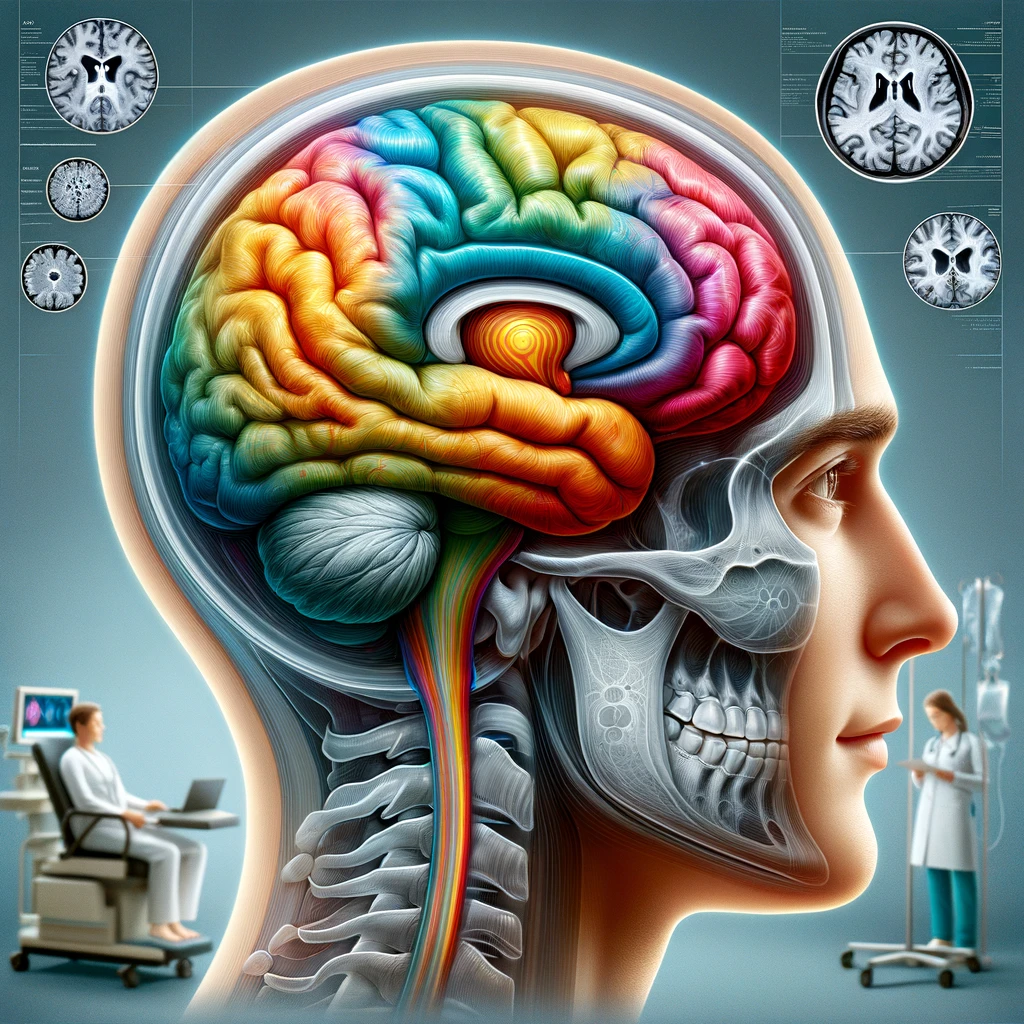

- Integrating FND awareness into existing mental health campaigns
- School-based education programmes on neurological conditions
- Community outreach and support for FND understanding
- Training healthcare professionals in FND recognition and management
- Media and digital initiatives promoting FND education
Integrating Functional Neurological Disorder (FND) awareness into existing mental health campaigns offers a strategic and cost-effective way to increase understanding of this often-misunderstood condition. Mental health campaigns already have established infrastructure, audiences, and messaging frameworks, enabling the seamless inclusion of FND content without necessitating entirely new initiatives. By positioning FND within the broader spectrum of brain health, stress-related disorders, and psychosomatic conditions, public health authorities can bridge gaps between physical and psychological health messaging.
Campaigns focused on anxiety, depression, and trauma can be natural avenues for incorporating FND awareness, as these psychological factors are often linked with the development and exacerbation of FND symptoms. Featuring patient stories or expert testimonials on how mental and neurological health intersect helps foster empathy and demystify this disorder. Collaboration with organisations such as the NHS, Mind, and other mental health advocacy groups ensures that FND is represented alongside more commonly recognised conditions, raising its profile among both professionals and the general public.
Public health literature and resources—such as brochures, billboards, public service announcements, and social media assets—can integrate mentions of FND with brief, impactful explanations of the condition and where to seek help. Particular emphasis can be placed on early recognition, reducing stigma, and validating the lived experiences of those affected. This also creates opportunities to update general mental health screening tools with questions that could prompt further evaluation for FND, leading to more timely and accurate diagnoses.
During large-scale awareness campaigns organised around Mental Health Awareness Week or World Mental Health Day, incorporating FND-related discussions, online panels, or informative blog posts helps broaden the public’s understanding of neurological symptoms that are not caused by structural disease. These efforts not only educate non-specialists but also reinforce that FND is a legitimate and treatable condition, deserving of the same attention as other mental and neurological health issues.
School-based education programmes on neurological conditions
Incorporating education about Functional Neurological Disorder (FND) within school-based programmes on neurological conditions offers a valuable opportunity to lay the foundation for improved long-term public health awareness. Schools play an essential role in shaping attitudes towards health, and early, accurate information about FND can help destigmatise symptoms and promote empathy among young learners. Including FND in Personal, Social, Health and Economic (PSHE) education or science curricula not only enhances understanding of neurological diversity but also encourages students to be more open-minded and supportive of peers who may be living with invisible health conditions.
Programs can be designed to present FND alongside other neurological conditions, such as epilepsy, Tourette syndrome, and migraine, thus situating the disorder within a broader framework of brain and nervous system health. Interactive workshops, age-appropriate videos, and storytelling can bring these conditions to life in a relatable and respectful way. When FND is presented through real-life case studies or via testimonies from young people with lived experience, students are more likely to absorb the information and engage empathetically. This storytelling element is a highly effective tool in promoting awareness through emotional and social learning mechanisms.
Additionally, teacher training materials and classroom resources can include guidance on recognising potential signs of FND. While educators are not expected to diagnose or manage health issues, raising their awareness can lead to earlier referrals to support services and avoid the mislabelling of symptoms as behavioural or disciplinary problems. Teachers and school counsellors can also be trained to provide emotional support to students experiencing functional symptoms, understanding them as manifestations of a genuine neurological condition rather than attention-seeking behaviour.
Collaborations between public health bodies, educational charities, and NHS outreach programmes can support the development of FND-inclusive materials tailored to different age groups. These partnerships also allow for the integration of FND education into anti-bullying campaigns and inclusive education initiatives, reinforcing the message that young people with functional symptoms deserve understanding and respect. Offering resources in multiple languages and formats ensures that messaging is accessible and inclusive for all school communities.
Schools may also host awareness events, such as health fairs or themed assemblies, where FND can be featured as part of broader mental and neurological health campaigns. Inviting guest speakers—neurologists, psychologists, or individuals with personal experience of FND—can further reinforce the visibility and legitimacy of the condition among students and staff. By normalising discussions around FND from an early age, schools can contribute significantly to a future in which the condition is more widely recognised, better understood, and less stigmatised within society.
Community outreach and support for FND understanding
Community outreach serves as a crucial dimension of public health when it comes to raising awareness and understanding of Functional Neurological Disorder (FND). In local settings, particularly where access to specialist neurological services may be limited, targeted outreach initiatives can bridge knowledge gaps by delivering reliable information directly to the people who need it the most. These efforts can take many forms, from local health events and community talks to support group networks and collaborations with trusted community organisations.
One effective strategy involves partnering with community centres, local charities, and civic organisations to host informational sessions or discussion groups about FND. These could include presentations by healthcare professionals, testimonials from individuals living with FND, and practical guidance on recognising symptoms and seeking appropriate care. Tailoring these events to the cultural and socio-economic context of each community ensures the messages resonate and are accessible to a diverse audience. Information should also be made available in different languages and formats, including audio, print, and digital options.
Voluntary groups and patient-led organisations play an important role in community-based outreach. These groups can share lived experiences, help develop educational materials, and provide peer-led support that is often more relatable than clinical interventions alone. Their participation lends authenticity and emotional resonance to public health messaging about FND, reducing stigma and promoting empathy. Facilitating safe spaces for discussion allows individuals affected by FND—and those supporting them—to feel heard, understood, and empowered.
Mobile health units and pop-up clinics can be effective in bringing FND education to rural or underserved urban areas, especially when integrated into broader wellness campaigns. These services not only offer exposure to the condition but can also provide initial screenings or referrals where needed. By embedding FND awareness within broader physical and mental health services, these outreach efforts highlight the interconnectedness of mind and body, reinforcing the legitimacy of functional symptoms as deserving of clinical attention.
Youth centres, religious institutions, and social clubs can also act as valuable platforms for informal education about FND. Through existing relationships of trust within these communities, messages about the nature of the condition, its impact, and the importance of early recognition can reach individuals who may not engage with traditional healthcare systems. In doing so, community outreach becomes a powerful tool for addressing health inequalities and ensuring no one is left behind in FND education efforts.
Public health campaigns can be enhanced by featuring community-driven stories and initiatives that spotlight how local action is making a difference. Highlighting successes from neighbourhood-level projects—such as a support group that led to improved diagnosis rates or reduced stigma—can inspire similar efforts elsewhere. Furthermore, involving community leaders and influencers in promoting FND awareness strengthens credibility and extends the reach of these important messages beyond conventional medical frameworks.
Training healthcare professionals in FND recognition and management
Improving the recognition and management of Functional Neurological Disorder (FND) among healthcare professionals is vital for enhancing patient outcomes and reducing misdiagnosis. Integrating comprehensive FND education into medical and allied health training ensures that practitioners are equipped with the necessary knowledge and confidence to engage with this complex condition. Currently, awareness of FND within the healthcare workforce remains inconsistent, leading to challenges in timely diagnosis and appropriate care. Public health frameworks aimed at professional development should therefore prioritise FND-specific training as part of continuing education and postgraduate curricula.
Medical schools and universities could include dedicated modules on FND as part of neurology, psychiatry, and general practice courses. These modules should encompass the latest diagnostic criteria, neurobiology, and best-practice management approaches, as well as address the psychosocial dimensions of the disorder. Case-based learning, patient interviews, and simulation exercises can help bridge the gap between theoretical knowledge and clinical empathy. Including testimonials from patients living with FND in educational settings fosters a person-centred perspective, encouraging practitioners to validate symptoms and communicate sensitively.
For healthcare professionals already in practice, public health campaigns can support awareness by offering accessible online training resources, webinars, and certified continuing professional development (CPD) programmes. These educational tools can be distributed through professional bodies such as the Royal College of General Practitioners, the British Psychological Society, and nursing and allied health associations. Emphasising multidisciplinary collaboration is essential, as effective FND care often involves neurologists, physiotherapists, occupational therapists, psychologists, and GPs working together in a coordinated care plan.
On-the-job training can also be enhanced through hospital-based workshops and departmental seminars focused on functional symptoms. Specialist FND clinicians can lead case discussions and provide mentorship in recognising subtle signs that differentiate FND from other neurological conditions. Introducing clinical decision pathways and management toolkits within hospital and primary care settings gives health workers practical frameworks to support patients more confidently. Public health bodies may also contribute by creating standardised FND protocols and referral guidelines, reducing regional variation in care quality.
Embedding FND understanding into mental health liaison services within A&E departments and inpatient units can prevent unnecessary tests and prolonged admissions. Mental health practitioners can play a role in early screening and psychosocial support, integrating their expertise into the diagnostic process for patients presenting with functional symptoms. This type of collaborative approach minimises stigma and ensures patients receive consistent, supportive responses across the healthcare journey. Training can include content on how to conduct a positive diagnosis of FND—highlighting physical signs that distinguish it from other conditions—thereby avoiding the misconception that FND is a “diagnosis of exclusion.”
Beyond clinical settings, public health initiatives can encourage system-wide engagement by incorporating FND into wider awareness campaigns targeted at healthcare professionals. These efforts might include newsletters, podcasts, and e-learning platforms, enhancing visibility and opening up dialogue within the medical community. National campaigns that align with events such as Brain Awareness Week provide a timely opportunity to focus attention on lesser-known neurological conditions like FND, encouraging both reflection and action among medical providers.
Ultimately, equipping healthcare workers with the tools and knowledge to identify and manage FND reinforces the legitimacy of the condition and leads to earlier interventions, improved patient trust, and reduced healthcare costs. As frontline professionals become more familiar with FND, they are better positioned to advocate for their patients and refer them into appropriate multi-disciplinary pathways, supporting the broader goals of public health and equitable access to care.
Media and digital initiatives promoting FND education
Media and digital platforms offer powerful avenues for promoting education about Functional Neurological Disorder (FND), enabling the dissemination of accurate information to vast and diverse audiences. These tools allow public health campaigns to reach individuals directly in their homes and communities, bypassing some of the traditional barriers associated with health education. By leveraging the popularity and accessibility of platforms such as social media, streaming services, podcasts, and health-focused websites, public health bodies can ensure that FND awareness becomes part of everyday discourse.
Social media campaigns are particularly effective in amplifying underrepresented health conditions like FND. Strategically designed content—including infographics, short videos, patient stories, and myth-busting posts—can foster understanding and empathy. By encouraging likes, shares, and user comments, these campaigns can go viral, significantly boosting the visibility of FND. Platforms like Instagram, X (formerly Twitter), Facebook, and TikTok are well suited to bite-sized educational content that can be absorbed quickly, especially by younger demographics. Using inclusive language and imagery can help ensure the messaging is relatable and stigma-reducing.
Creating digital communities and forums where individuals affected by FND can share their experiences and find peer support not only increases awareness but also promotes mental wellbeing. Online support groups and live webinars provide safe spaces for open dialogue and education, while also helping those who feel isolated by their diagnosis. These digital spaces often serve as first points of contact for people seeking information, making it essential that public health agencies collaborate with reputable organisations to moderate and contribute to the conversation with credible and compassionate insights.
Pioneering the inclusion of FND themes in popular media—such as documentaries, short films, and television dramas—can have a transformative impact. Accurate and respectful portrayals of individuals living with FND can challenge misconceptions, provoke thought, and build empathy on a mass scale. Public broadcasters and streaming services could be encouraged to feature content that integrates narratives around FND, especially as part of health or disability-focused programming. Partnering with artists, writers and filmmakers living with FND could also ensure authentic representation in creative media.
Podcasts focused on brain health, mental health, and hidden disabilities provide another valuable platform for engagement. In-depth interviews with clinicians, researchers, and people with lived experience create a nuanced understanding of FND, capable of reaching listeners at their own pace. These formats bypass time constraints found in traditional media and allow for detailed exploration of the medical, emotional, and social aspects of the condition. Endorsements from public health organisations can lend additional credibility to podcast content and encourage broader audience engagement.
Public health websites and NHS-affiliated online platforms can also play a key role in increasing FND literacy among both healthcare professionals and the general public. Offering dedicated sections or microsites on FND with practical advice, symptom checkers, downloadable guides, and signposting to relevant services ensures that individuals seeking information find accurate, up-to-date resources. Additionally, mobile apps developed with public health input can provide tools for symptom tracking, stress management, and access to support networks, aligning well with holistic approaches to FND treatment.
Digital advertising, too, offers opportunities for geographically targeted awareness campaigns. Banner ads, sponsored posts, and search engine advertisements can be directed to users based on demographic or behavioural data, ensuring that FND messaging reaches people most likely to benefit from it. These can be tailored to appear alongside related searches or content involving neurological symptoms, mental health, or undiagnosed disorders. Clear calls to action in these ads can guide users toward appropriate support and further education.
Influencer partnerships may also enhance engagement with FND-related content. Collaborating with respected figures in the health and wellness space—especially those with personal connections to FND or chronic illness—can help make the message resonate more deeply. Whether through YouTube series, Instagram live sessions, or blog posts, their endorsements can legitimise the topic and drive traffic to publicly funded resources, amplifying the reach of public health efforts.
Harnessing digital innovation in service of FND education not only improves awareness but also allows for real-time feedback and engagement, helping public health campaigns adapt and respond to the evolving needs of the community. Ultimately, prioritising digital channels ensures that FND is no longer a hidden condition, but rather one that is recognised, validated, and supported in the digital spaces where people increasingly seek help and connection.