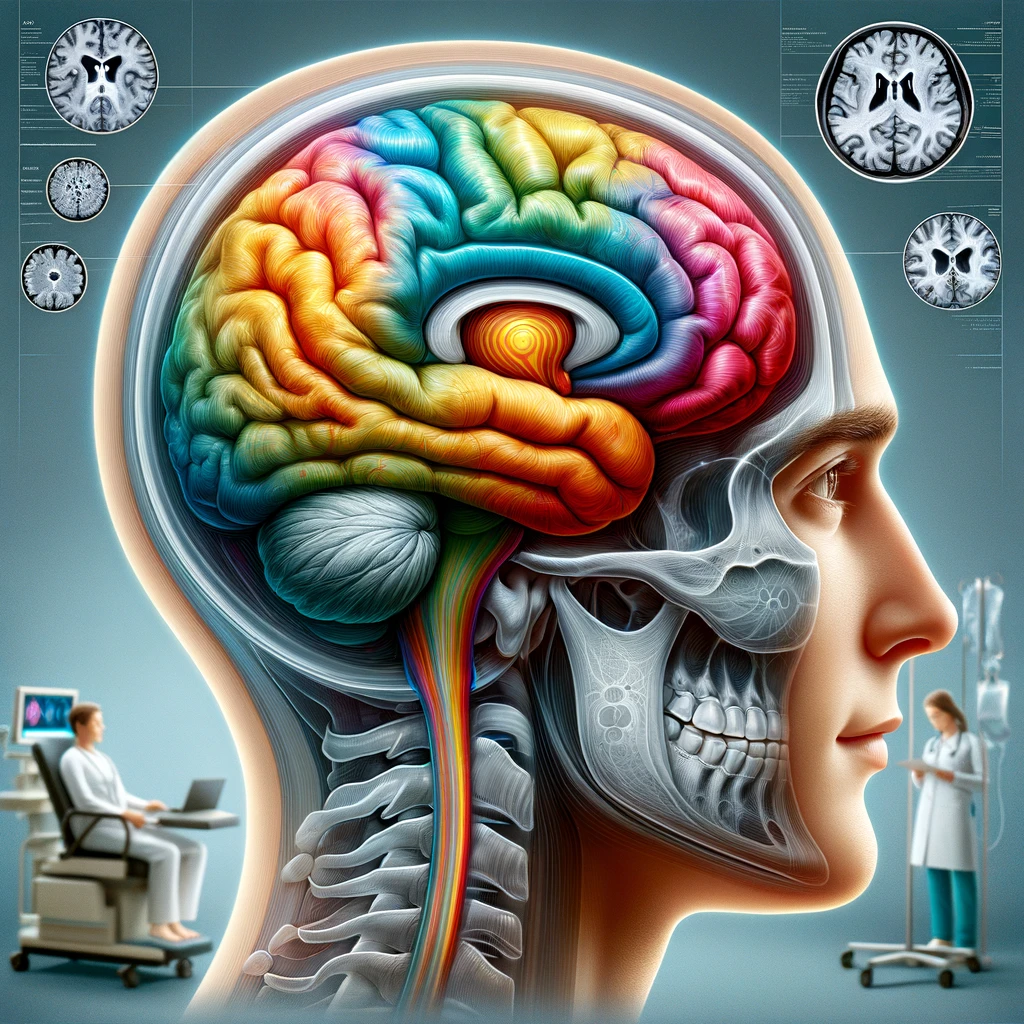

- Understanding functional neurological disorder
- The role of advocacy groups in raising awareness
- Strategies for effective collaboration
- Developing educational resources and programmes
- Measuring impact and sustaining engagement
Functional Neurological Disorder (FND) is a complex condition that affects the functioning of the nervous system without an underlying structural cause. Unlike neurological conditions such as multiple sclerosis or epilepsy, FND symptoms arise from a problem in how the brain and body send and receive signals, rather than from damage to the nervous system itself. This can lead to a range of symptoms, including seizures, muscle weakness, movement disorders, and sensory issues, which may appear very similar to those caused by other neurological conditions.
One of the major challenges in diagnosing and treating FND is the general lack of understanding among both healthcare professionals and the wider public. Many individuals affected by FND experience delayed diagnoses, misdiagnoses, or are even dismissed by medical professionals due to the stigma that still surrounds the condition. This uncertainty can exacerbate symptoms and compound psychological distress, creating a cycle that is difficult to break without appropriate patient education and support.
Due to the unique nature of FND, education and awareness are critical components in improving outcomes for those affected. Increased public awareness can help shift perceptions, reduce stigma, and foster a more compassionate and informed response from both the medical community and society at large. Advocacy plays a pivotal role in this by facilitating conversations, promoting accurate information, and showcasing the lived experiences of people with FND.
Furthermore, understanding FND requires a multidisciplinary approach, which includes recognising the interaction between psychological and neurological factors. While FND is not caused by feigned symptoms or imagined illness, psychological stress can sometimes precede or exacerbate the condition. Consequently, treatment often involves physiotherapy, psychotherapy, and occupational therapy, all aimed at helping individuals retrain the brain-body connection. Empowering patients with knowledge about the condition allows them to engage more actively in their treatment and recovery process, making effective patient education essential.
By promoting a clearer understanding of what FND is—and is not—both advocacy groups and healthcare professionals can foster a more supportive environment where individuals receive timely, respectful, and effective care. As awareness continues to grow, so too will the opportunities to develop tailored educational materials and collaborative initiatives that meet the diverse needs of patients across different contexts.
The role of advocacy groups in raising awareness
Advocacy groups play an indispensable role in improving public awareness and understanding of FND by acting as a bridge between patients, healthcare providers, and the broader community. Their efforts help to demystify the condition, challenge misconceptions, and ensure that accurate, evidence-based information reaches both the public and medical professionals. Because Functional Neurological Disorder has historically been misunderstood or mischaracterised, many people living with FND encounter scepticism not only from the public but also within healthcare settings. Advocacy organisations work tirelessly to confront stigma and replace outdated narratives with compassionate, informed perspectives that reflect current clinical evidence.
One of the most effective ways advocacy groups raise awareness is through storytelling—elevating the voices of those with lived experience. Personal testimonies have the power to humanise the condition, foster empathy, and highlight the multifaceted impact that FND can have on individuals’ lives. These stories can be disseminated through blogs, film projects, social media campaigns, webinars, and public events, all of which contribute to broader patient education and public understanding. Featuring a diversity of experiences also ensures more inclusive representation and fosters a sense of solidarity among those affected.
Collaborations between advocacy groups and healthcare professionals lend credibility and reach to awareness campaigns. By engaging clinicians, researchers, and allied health providers in events such as awareness weeks or informational forums, advocacy groups create opportunities to endorse key messages about FND grounded in clinical practice. These partnerships also help inform campaign content, ensuring it reflects the latest research findings and aligns with current treatment approaches.
In addition to awareness campaigns, advocacy organisations often offer direct support services that fulfill an educational function. These may include helplines, patient handbooks, support groups, and online communities that provide accurate information and guidance about managing symptoms and navigating healthcare systems. They may also develop toolkits aimed at general practitioners and specialists to enhance professional understanding and improve early identification and treatment of FND.
Through targeted outreach, policy advocacy, and educational initiatives, these organisations ensure that the voices of people living with FND are heard at every level—from grassroots community efforts to national healthcare policy discussions. Their persistent work in expanding public awareness and promoting patient education is instrumental in fostering a healthcare environment where individuals with FND are recognised, validated, and supported throughout their journey.
Strategies for effective collaboration
Building strong, purposeful collaborations with advocacy groups involves deliberate strategies that prioritise mutual respect, clear communication, and shared goals. The first step towards effective collaboration is recognising the unique strengths that advocacy organisations bring to the table. These groups have close ties with individuals living with FND, deep understanding of patient needs, and extensive experience in promoting public awareness. By valuing their lived expertise alongside clinical and academic knowledge, healthcare professionals and institutions can forge more productive partnerships.
Establishing open and consistent channels of communication is critical. This may involve regular meeting schedules, shared project planning documents, and dedicated points of contact within both the advocacy group and collaborating organisations. Early discussions should establish expectations regarding roles, responsibilities, and decision-making processes. Transparency in these conversations not only fosters trust but also ensures that all collaborators have a sense of ownership over project outcomes. Joint steering committees or working groups can offer useful platforms for coordinating initiatives and maintaining alignment throughout the collaboration.
Another key strategy is to involve advocacy partners in the entire project lifecycle—from conceptualisation to implementation and evaluation. Including patient representatives in strategic planning discussions and co-creating educational content ensures resources are relevant, accessible, and grounded in real-world experience. Such inclusivity strengthens patient education campaigns and demonstrates a genuine commitment to community involvement. Moreover, co-produced materials often resonate more with target audiences, particularly when they incorporate personal stories alongside clinical insights.
Flexibility and responsiveness are also essential in successful collaborations. As perceptions of FND evolve and new research emerges, advocacy groups and their partners must be willing to adapt their approaches. This may involve revisiting core messages within public awareness campaigns, updating educational materials, or refining delivery methods to better serve diverse communities. Being open to feedback from people with lived experience of FND is crucial in this process, and ongoing dialogue can inform adaptive changes that improve overall impact.
Furthermore, securing sustainable funding and resources helps to solidify partnerships and supports long-term initiatives. Joint applications for grants, sponsorships from aligned organisations, or contributions from local health authorities can help finance collaborative efforts. Ensuring financial transparency and shared budget responsibilities promotes equality in the partnership and acknowledges the vital role advocacy groups play beyond just outreach activities.
Celebrating joint successes reinforces partnership value and energises future initiatives. Highlighting collaborative achievements—such as increased patient education participation, successful awareness events, or improvements in service access—demonstrates the tangible benefits of working together. These success stories can be shared through newsletters, social media, and conferences to both inform and inspire other potential collaborators in the FND community and beyond.
Developing educational resources and programmes
Creating impactful educational resources and programmes for Functional Neurological Disorder (FND) necessitates a person-centred and evidence-driven approach. Advocacy groups, in collaboration with clinicians, educators, and researchers, can play a pivotal role in co-developing materials that address the specific challenges faced by individuals living with FND. These resources must be accessible, culturally sensitive, and adaptable to various age groups, literacy levels, and learning styles to maximise their reach and effectiveness.
One of the foundational elements in educational development is ensuring clarity about what FND is, how it manifests, and what treatment options are available. Resources that demystify the condition—using plain language and visual aids—can help dispel myths and reduce stigma. For instance, explainer videos, illustrated guides, and patient-friendly glossaries can assist in breaking down complex medical concepts into understandable formats. Advocacy groups are well-positioned to contribute insights into the language and formats that resonate most with service users and their families.
Workshops and interactive learning modules are powerful tools in advancing patient education and boosting professional competence. Programmes designed for general practitioners, physiotherapists, mental health workers, and emergency medicine staff can improve early recognition of FND, reduce diagnostic delays, and enhance referral practices. Simultaneously, community-based educational sessions for patients and caregivers can provide reassurance, practical coping strategies, and peer support, reinforcing a sense of empowerment and self-efficacy.
Digital platforms offer significant opportunities to expand the scope and scale of educational initiatives. Online learning hubs, downloadable factsheets, recorded webinars, and e-learning courses allow individuals to access information at their own pace and from remote locations. Moreover, integrating feedback mechanisms within digital resources enables continuous improvement while keeping content relevant. Advocacy groups play a critical role in maintaining these platforms, ensuring content is regularly updated in line with emerging clinical recommendations and public health priorities.
Another effective educational method involves embedding lived experience into programme design. Personal narratives, when incorporated thoughtfully, illuminate the real-world impact of FND and can shift perceptions among medical professionals and the public. Case studies and testimonial accounts not only enhance relatability but also humanise clinical content, increasing empathy and understanding. Advocacy organisations can curate these stories in collaboration with willing individuals, ensuring ethical consent and narrative authenticity.
Education tailored to specific contexts—such as schools, workplaces, or care homes—is also essential for increasing public awareness. Adapted resources can address the unique needs and dynamics of these environments, helping to promote inclusion and reduce discrimination. For example, school-based toolkits might include guidance for educators on supporting students with FND symptoms, while workplace guides might outline reasonable adjustments and communication strategies for employers and colleagues.
In order to support meaningful engagement with educational materials, it’s important to provide multilingual and neurodivergent-friendly formats, including audio content, closed captions, and easy-read documents. This ensures inclusivity and reaches often underrepresented segments of the FND community. Advocacy groups frequently lead the charge in advocating for such inclusive practices and can assist in translating these principles into practical outcomes.
Ultimately, successful educational programmes are those rooted in shared values and sustained through collaboration. By weaving together clinical accuracy, patient perspectives, and creative delivery methods, educational initiatives can foster deeper understanding of FND, support early diagnosis, and promote effective care. Advocacy organisations remain indispensable partners in ensuring that these efforts are not only strategic and sustainable but firmly anchored in the lived realities of those affected by the condition.
Measuring impact and sustaining engagement
To ensure the long-term success of FND education initiatives, it is essential to implement robust methods for measuring impact and sustaining engagement. Evaluation provides vital insights into the effectiveness of awareness campaigns, the relevance of patient education materials, and the strength of advocacy collaborations. By assessing what works—and what doesn’t—organisers can adapt strategies to better serve individuals affected by FND and the wider public.
One primary method for measuring impact is the collection of both quantitative and qualitative data. Surveys distributed before and after educational events or the release of new resources can track changes in knowledge, attitudes, and behaviour among participants. These may include self-assessed confidence levels in understanding FND, recognition of symptoms, or willingness to seek medical advice. For clinicians, evaluations can assess improvements in diagnostic confidence or referral-related decisions. Qualitative data gathered through interviews, focus groups, or open-ended feedback forms can provide further depth, capturing nuanced responses and allowing for meaningful testimonials about individuals’ experiences with advocacy-driven education.
In addition to direct feedback, digital analytics offer valuable metrics to evaluate reach and engagement. Tracking website traffic, social media interactions, webinar attendance rates, and resource downloads can help determine how far messages are spreading and which platforms generate the most engagement. These insights can guide future content creation, ensuring advocacy efforts remain responsive to evolving needs and preferences in the FND community.
Involving people with lived experience of FND in the evaluation process strengthens both credibility and relevance. Patient advisory panels or working groups can be invited to review educational materials, comment on public awareness campaign strategies, and suggest refinements. Their ongoing input ensures that patient education remains grounded in real-life concerns and is reflective of diverse perspectives. Furthermore, when referral numbers, treatment uptake, or patient satisfaction scores show improvement following educational efforts, it provides concrete evidence of the value of sustained collaboration between healthcare professionals and advocacy organisations.
To maintain momentum beyond single campaigns or resource launches, long-term engagement strategies are needed. Establishing regular touchpoints with target audiences—such as annual awareness events, ongoing newsletters, or themed webinars—encourages continued participation. Educational content should be revisited periodically and refreshed to reflect new research or emerging best practices for FND management. Advocacy groups are particularly adept at maintaining these channels of communication, helping to keep FND education present and relevant in the public and professional consciousness.
Partnerships play a key role in sustaining engagement. By building enduring networks with schools, healthcare trusts, universities, and other non-profit organisations, advocacy groups can integrate FND awareness into existing health curriculums and community programmes. Collaborative ventures may include train-the-trainer initiatives, regional workshops, and integration into disability awareness training, all of which ensure knowledge of FND continues to expand across sectors. Funding stability is equally important for continuity; where possible, seeking multi-year grants or institutional sponsorship can help reduce reliance on short-term fundraising and promote strategic growth.
Celebrating milestones and showcasing outcomes reinforces purpose and brings visibility to the ongoing work being done. Sharing success stories—such as improved care pathways, increased diagnosis rates, or testimonials from individuals whose lives have changed through patient education—reinvigorates community support and attracts new stakeholders. These stories can be highlighted in advocacy reports, media releases, or case studies presented at conferences to keep FND firmly on the agenda.
Ultimately, measuring and sustaining the impact of advocacy-driven education efforts requires a combination of careful evaluation, responsiveness to feedback, and a commitment to long-term investment. By embedding accountability and adaptability into every initiative, advocacy partners can ensure that patient-centred education about FND continues to grow in reach, relevance, and effectiveness.