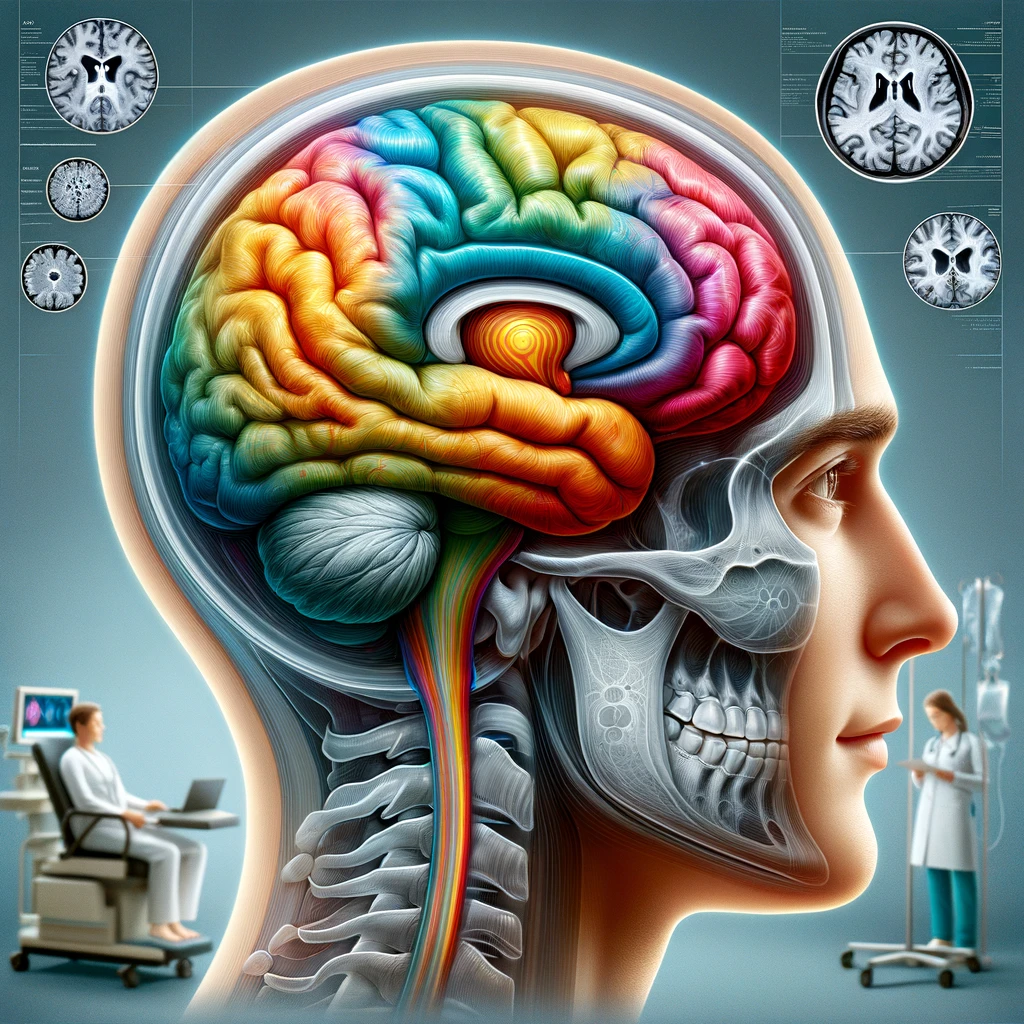

- Recognising common presentations of FND in primary care
- Effective communication and patient education
- Collaborative care and referral pathways
- Monitoring progress and adjusting management
- Addressing comorbidities and promoting long-term wellbeing
Functional Neurological Disorder (FND) often presents with symptoms that can closely mimic neurological diseases, which can complicate diagnosis for clinicians in primary care. Among the most common presentations encountered by the general practitioner are seizures that resemble epilepsy but lack the typical electroencephalogram (EEG) changes, commonly referred to as dissociative or non-epileptic attacks. Patients may also report limb weakness, tremors, abnormal gait, or sensory disturbances, often without a neurological pattern indicative of a structural lesion.
Recognising FND early involves identifying clinical features that are inconsistent with organic pathology or that show internal inconsistency. For example, a patient with a tremor that improves with distraction or weakness that varies from moment to moment may point towards a functional cause. One of the hallmark signs is Hoover’s sign, which can help distinguish functional leg weakness from true neurological weakness during physical examination.
In primary care, it is vital for general practitioners to maintain a high index of suspicion for FND when neurological investigations return normal despite persistent symptoms. This does not mean that symptoms are fabricated; rather, they are real and distressing for the patient, yet not caused by structural damage or disease of the nervous system. Prompt recognition and a positive, evidence-based diagnosis, rather than one of exclusion, helps to set the tone for effective management and improves patient trust and engagement.
Moreover, patients with FND may present with a history of multiple referrals and investigations, often spanning years, without a definitive diagnosis. These patterns of presentation can offer additional clues to the general practitioner. Identifying FND early in such trajectories not only reduces unnecessary investigations and healthcare costs but also allows earlier access to psychological and rehabilitative interventions that are known to support recovery.
Effective communication and patient education
Effective communication plays a central role in managing Functional Neurological Disorder (FND) in primary care. Once a positive diagnosis of FND is made, the way in which the diagnosis is delivered can significantly influence the patient’s understanding, emotional response, and future engagement with treatment. It is crucial for the general practitioner to approach the conversation with empathy, clarity, and confidence in the diagnosis, reinforcing that FND is a real and treatable condition.
Using straightforward, non-stigmatising language is essential when discussing FND. Patients often feel invalidated by previous medical encounters, particularly if their symptoms were dismissed or misunderstood. Rather than framing the condition as being “all in the head” or implying malingering, practitioners should explain that FND involves a problem with the functioning of the nervous system, not its structure. Drawing parallels to recognised conditions like migraines or irritable bowel syndrome — where symptoms are real and impactful despite the absence of structural damage — can help patients accept the diagnosis more readily.
It is helpful to provide a clear, positive name for the condition when offering the diagnosis. Terms such as “functional seizures” or “functional movement disorder” are increasingly accepted and help shift the focus away from what the condition is not towards what it is. Emphasising that the symptoms are common, recognised by neurological specialists, and often improve with appropriate treatment can foster optimism and reduce fears of being misunderstood or neglected.
Educational materials tailored to patients with FND, including printed leaflets, websites, and videos, can support the initial conversation. Resources such as neurosymptoms.org, developed by specialists in the field, are particularly valuable and can reinforce the information provided in the consultation. Encouraging patients to explore these materials before the next appointment allows them time to process the diagnosis and return with informed questions or concerns.
The general practitioner also plays a pivotal role in preparing patients for the broader management pathway. Explaining that treatment often involves physiotherapy, psychological therapies, and sometimes occupational therapy — rather than medication alone — underscores the importance of a multi-faceted approach. Patients should understand that these interventions target the functional nature of the symptoms and are integral to recovery.
Misunderstandings can arise if the diagnosis is not explained effectively or if patients perceive it as a dismissal. To counter this, GPs should consistently validate the patient’s experiences and explain the rationale behind the functional diagnosis. By combining medical expertise with thoughtful communication, the primary care clinician fosters a therapeutic alliance that lays the groundwork for collaboration and continued care.
Collaborative care and referral pathways
Collaborative care is fundamental in the management of Functional Neurological Disorder (FND), particularly given its multifaceted presentation and the interdisciplinary treatment approach it requires. The general practitioner (GP) plays a central role in coordinating this care, linking the patient to a network of specialists and support services while maintaining a continuous therapeutic relationship.
Once a positive diagnosis of FND has been established, timely and structured referral to appropriate services is essential. Early involvement of physiotherapy, particularly specialists familiar with functional symptoms, can significantly improve outcomes. Physiotherapists trained in FND management can employ techniques that facilitate motor relearning, movement retraining, and help patients develop confidence in their physical function. The GP’s role includes ensuring that referrals are made to professionals who recognise the functional aetiology of symptoms to avoid invalidating the diagnosis or inadvertently reinforcing maladaptive beliefs.
Equally important is access to psychological support. Cognitive behavioural therapy (CBT) and other psychotherapeutic approaches, such as acceptance and commitment therapy (ACT) or trauma-informed therapies, have shown benefit in FND when delivered by clinicians familiar with the disorder. The GP can assist in navigating local mental health services or liaise with community mental health teams to facilitate referrals. In regions where FND-specific services are limited, GPs may need to advocate for their patients, ensuring that psychological clinicians understand the condition and are equipped to offer relevant interventions.
Clear, well-documented communication across services helps maintain continuity of care. Sharing the diagnosis explanation and the patient’s understanding of it in referral letters is vital to ensure consistency in message and avoid confusion. It also helps avoid the risk of other clinicians misinterpreting functional symptoms as unexplained or feigning. By presenting a positive diagnosis with clinical reasoning, the GP helps support the patient’s care journey and ensures all professionals working with the patient are on the same page.
Where available, referral to specialist FND services that offer integrated care across neurology, physiotherapy, psychology, and occupational therapy is ideal. These multidisciplinary teams provide a unified approach that addresses both symptom management and psychosocial context. However, such services are not universally accessible, and in many areas, the GP must serve as the central coordinator, integrating input from available local resources and facilitating communication among them.
Besides referrals, collaboration with community health teams, rehabilitation providers, and social prescribing roles can be instrumental in supporting patients with FND. Social prescribers, where available, can assist with addressing wider determinants of health such as social isolation, employment difficulties, or housing concerns, which often impact symptom severity and recovery. Consistent case management, with the general practitioner as the lead clinician, ensures these elements of care remain aligned.
Regular multidisciplinary case reviews, even if informal, can prove valuable in complex cases. Liaison with neurologists or rehabilitation services—when initial treatment has not led to expected improvement—can help reassess the diagnosis, review progress, and adjust the care plan. Close working relationships among local clinicians promote shared learning and support the development of FND competencies across different sectors of primary and secondary care.
The general practitioner, by maintaining oversight across this network, ensures the patient receives coherent, compassionate, and evidence-based care. Their role is critical in guiding patients through a system that may otherwise feel fragmented, reinforcing the validity of the diagnosis and promoting active participation in their own recovery.
Monitoring progress and adjusting management
Monitoring the progress of individuals with Functional Neurological Disorder (FND) requires a structured, patient-centred approach within primary care, with the general practitioner playing a crucial role in tracking clinical changes and supporting ongoing management. Since FND symptoms often fluctuate, progress should not solely be judged by symptom eradication, but by engagement with therapy, improved function, and increased quality of life. Assessments should be regular and tailored to the individual’s presentation, incorporating both subjective experience and objective functional improvements.
Effective monitoring begins with establishing clear, collaboratively defined goals early in treatment. These may include improved mobility, return to work or education, reduction in seizure frequency, or enhanced coping strategies. Using tools such as symptom diaries or functional scales can empower the patient and provide the general practitioner with tangible measures of change. It is important to consistently revisit these goals in follow-up consultations, acknowledging progress—even if modest—and adjusting expectations based on the patient’s current status and life circumstances.
Primary care clinicians should remain alert to both progress and potential setbacks. An exacerbation of symptoms does not necessarily indicate treatment failure, but may reflect psychological stress, unmet social needs, or unrealistic pacing. Encouraging patients to see setbacks as part of the recovery trajectory can help reduce demoralisation. Reframing fluctuations as common in functional conditions helps sustain engagement and reduces the risk of treatment abandonment or unnecessary escalation of investigations. The general practitioner is well-placed to contextualise these patterns and reinforce the original diagnosis while maintaining confidence in the treatment plan.
Flexibility in the management plan is also key. This may involve adjusting frequency or type of therapy, transitioning to different therapeutic modalities, or incorporating additional support such as occupational therapy or vocational rehabilitation. If patients initially decline psychological therapy or physiotherapy, gentle re-offering of these interventions over time, supported by a strong therapeutic relationship, can help facilitate eventual acceptance. Similarly, patients who disengage from treatment can often be re-engaged when care is presented non-judgementally and with respectful persistence.
Clear documentation of symptom patterns, interventions trialled, and collaborative decisions made should form part of the patient’s primary care record. This continuity enables any colleague reviewing the patient to understand the rationale behind the treatment course and supports multidisciplinary collaboration if re-referral becomes necessary. It also reinforces a coherent narrative for the patient, enhancing their understanding of the diagnosis and strengthening the therapeutic alliance.
Few patients with FND achieve full and immediate resolution of symptoms, but many experience meaningful improvement in daily function and emotional wellbeing. Therefore, it is important for the general practitioner to celebrate small gains with the patient, reinforcing their agency in recovery. Monitoring should always include psychosocial elements, as improvement in mood, increased confidence, and reconnection with valued activities are as important as symptom metrics and often precede symptom remission.
In complex cases or where progress stalls, revisiting the original diagnosis may be appropriate, particularly if new features emerge. While unnecessary repeat testing should be avoided, collaboration with neurology or specialist services can help revalidate the FND diagnosis, refine management goals, or address any evolving needs. The general practitioner serves as the anchor throughout this process, navigating decisions with empathy and clinical clarity, and ensuring the management remains holistic and grounded in the patient’s narrative and needs.
Addressing comorbidities and promoting long-term wellbeing
Patients with Functional Neurological Disorder (FND) frequently present with comorbid mental health conditions, including anxiety, depression, post-traumatic stress disorder, and dissociative disorders. The presence of these comorbidities can significantly influence symptom expression, recovery trajectory, and engagement with treatment. In primary care, a proactive approach to identifying and addressing these overlapping conditions is essential for promoting long-term wellbeing.
The general practitioner is usually best placed to initiate screening for common psychiatric comorbidities using brief, validated tools such as the PHQ-9 for depression or GAD-7 for anxiety. These assessments should be framed sensitively, emphasising the holistic nature of care without implying that symptoms are fabricated or solely ‘psychological’. When identified, comorbid conditions should be treated actively, ideally in tandem with the FND management plan, as mental health improvements can significantly contribute to functional recovery.
Referral to psychological therapies should be considered not only in response to comorbid mental health disorders, but also as part of routine FND care. Therapists with an understanding of FND can integrate strategies to manage both the functional neurological symptoms and overlapping psychological distress. Where waiting lists are long or services overstretched, the general practitioner may need to explore local third sector organisations, community mental health teams, or digital therapy platforms to ensure timely support.
Promoting long-term wellbeing also involves addressing social and lifestyle factors that may impact recovery. Patients with FND often experience significant disruption to employment, education, and social roles, leading to isolation and financial stress, which can exacerbate symptoms. Primary care teams should consider holistic reviews that include social prescribing, linking patients to vocational support, benefits advice, or community-based activities that encourage reintegration and active coping.
Physical activity, sleep hygiene, nutrition, and substance use should be routinely reviewed as part of ongoing care. While these aspects may not directly cause FND symptoms, poor lifestyle behaviours can act as perpetuating factors. Encouraging manageable lifestyle modifications — such as gradual return to activity or improved night routines — can support physiological and psychological recovery. The general practitioner’s role in normalising and supporting these changes through motivational interviewing and regular follow-up is crucial.
Patients with FND are also at increased risk of feeling misunderstood and stigmatised, particularly when multiple specialists have failed to offer a clear diagnosis or effective treatment in the past. Affirming the reality of the diagnosis and the legitimacy of the patient’s experience at each stage of care helps counteract these negative experiences and strengthens the therapeutic relationship. A supportive and consistent message from the general practitioner can protect against feelings of hopelessness and disengagement.
Long-term wellbeing is often better maintained when care transitions from a purely medical model to one of comprehensive support that empower patients to self-manage. This may involve encouraging patients to develop personalised wellness plans that highlight early warning signs of relapse, coping strategies, and contact pathways for additional help. Patient support groups, whether online or face-to-face, can also offer reassurance, shared experience, and peer-led advice, which complement formal healthcare interventions.
Ultimately, managing comorbidities and fostering long-term wellbeing in patients with FND requires a compassionate, multi-dimensional approach rooted in the continuity and accessibility of primary care. By recognising the whole person beyond the neurological symptoms, the general practitioner has a pivotal role in helping patients reclaim agency over their health and navigate a fluctuating but ultimately hopeful recovery journey.