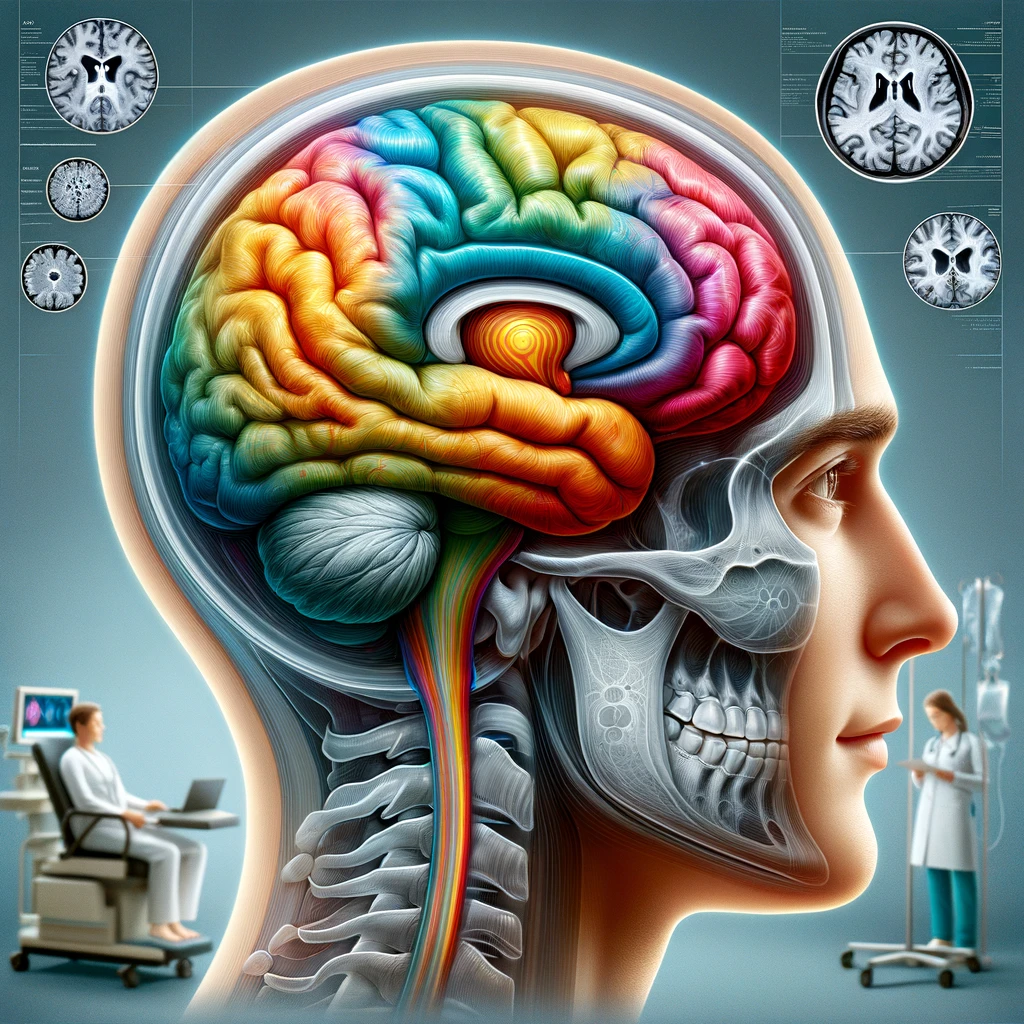

- Understanding functional neurological disorder
- Key components of a therapeutic alliance
- Effective communication strategies
- Building trust and empathy
- Collaborative care and long-term support
Functional Neurological Disorder (FND) encompasses a spectrum of neurological symptoms that are inconsistent with known neurological diseases, often presenting as limb weakness, non-epileptic seizures, movement disorders, or sensory changes. Unlike conditions with a clearly identifiable structural pathology, FND arises from a functional problem—how the brain sends and receives signals—rather than damaged neural tissue. This distinction can be misunderstood and potentially stigmatising for patients, making communication and trust building key elements in early interactions between clinicians and patients.
An effective patient relationship in FND care begins with a clear, empathetic explanation of the condition. Patients are often confused or anxious, having undergone extensive investigations without a definitive diagnosis. Being told they have FND may provoke fear or disbelief, especially if prior experiences with healthcare providers have suggested that the symptoms are “all in their head.” Clinicians must therefore communicate with precision and compassion, validating the patient’s symptoms as real and debilitating, while gently introducing the concept of functional miscommunication within the nervous system.
Understanding FND also involves acknowledging its biopsychosocial underpinnings. While psychological stress or trauma may contribute to the development or maintenance of symptoms in some individuals, this is not universally the case. Framing the explanation in a way that avoids blame and supports person-centred care can help preserve patient dignity and encourage collaboration. This approach can empower the patient, enabling them to move beyond a passive role in seeking a cure, towards engaging actively in therapeutic strategies aimed at symptom improvement and recovery.
The nature of FND challenges traditional models of diagnosis and treatment, demanding an interdisciplinary framework. Neurologists, physiotherapists, psychologists, psychiatrists, and occupational therapists may all play a role. For such a model to be effective, the patient’s understanding of their condition must be aligned with the team’s explanation and goals. This coordination begins with a clinician’s ability to thoughtfully communicate the nature of FND, which in turn lays the foundation for trust building and a stronger therapeutic alliance.
Key components of a therapeutic alliance
Developing a therapeutic alliance in FND care requires deliberate attention to certain core elements that support a respectful, collaborative patient relationship. Among the most important is mutual respect between clinician and patient. Individuals with FND may have endured years of invalidation or inconsistent care; thus, ensuring they are seen, heard, and understood is critical in rebuilding confidence in the healthcare system. Demonstrating that the clinician is genuinely invested in their wellbeing can help shape trust building from the very first interaction.
Another key component is shared understanding. In the context of FND, the complexity of symptoms and their functional nature often challenge a patient’s expectations of a clear-cut diagnosis and treatment route. The ability to co-create a shared narrative of the condition fosters better engagement. This includes offering a transparent and hopeful model of FND that acknowledges the legacies of uncertainty or stigma, while emphasising the genuine potential for recovery. Aligning on this outlook supports therapeutic momentum and empowers patients to view themselves as active participants in their care.
Consistency and continuity of care are also essential. Trust grows when patients encounter a dependable and coherent approach across consultations and disciplines. Clinicians need to ensure messaging is consistent—not only in language but in tone and intent—across all members of the care team. This reinforces a unified therapeutic message and avoids confusion, which is particularly important in conditions like FND, where ambiguity can trigger doubt or disengagement.
Collaborative goal setting further strengthens the patient relationship by reinforcing autonomy and personal agency. Taking time to identify what matters most to the patient—not just symptomatically, but also socially and personally—demonstrates a commitment to their lived experience. Co-producing attainable, meaningful goals, whether they relate to physical function, emotional wellbeing, or daily life participation, helps the patient to feel invested and understood. Moreover, celebrating progress, however small, validates the patient’s efforts and reinforces their motivation.
Emotional attunement and non-judgemental presence play a fundamental role in therapeutic alliance. Given the high prevalence of prior trauma or marginalisation among people with FND, clinicians must cultivate a safe space where vulnerability can be expressed without fear of dismissal. This requires clinicians to remain aware of their own biases, pace the consultation according to the patient’s readiness, and demonstrate empathy through both verbal and non-verbal communication. Over time, such an approach not only fosters trust building but also encourages psychological safety, which can be transformative in a patient’s treatment journey.
Effective communication strategies
Effective communication lies at the heart of a strong patient relationship in FND care. Given the complex and sometimes misunderstood nature of Functional Neurological Disorder, clinicians must be particularly adept at conveying information in a way that is both clear and compassionate. Initial conversations often shape the patient’s perception of their condition and their willingness to engage in proposed treatments. Therefore, communication must be delivered in a way that fosters trust building, acknowledges uncertainty with openness, and validates the patient’s lived experience.
One essential strategy is the use of consistent, non-stigmatising language. Terms like “functional disorder” can be unfamiliar or confusing for patients, especially if they carry implications of psychological causation without further explanation. Clinicians should aim to frame FND as a disorder of brain function, not brain damage, and use metaphors—such as software glitches rather than hardware failures—to explain the concept. These explanations should align across the healthcare team, reinforcing a shared understanding and avoiding contradictory messages that could undermine the therapeutic process.
Active listening plays a vital role in communication with individuals who have FND. These patients may have experienced previous encounters where their symptoms were minimised or disregarded. Demonstrating active listening—through eye contact, appropriate gestures, and reflective responses—not only affirms the person’s experience but also lays the groundwork for trust building. Repeating back key concerns or summarising a patient’s narrative can help clarify understanding and communicate empathy.
Clarifying expectations early in the process is invaluable. Patients with FND frequently arrive with a history of extensive investigations and may be seeking a definitive medical answer that traditional diagnostics cannot provide. It is important for clinicians to delicately shift the focus from identifying structural abnormalities to addressing functional changes that are real and reversible. Outlining realistic outcomes from the outset helps prevent disillusionment and promotes long-term engagement with therapy, which is often multi-modal and requires commitment over time.
Using teach-back techniques can ensure the patient has fully grasped the explanations given. Asking the individual to reflect or summarise what they’ve understood allows clinicians to identify gaps in knowledge and adjust accordingly. This approach not only empowers patients but reinforces their role as active participants in their care. When appropriate, written summaries or educational materials can supplement verbal discussions, enabling the patient to revisit the information at their own pace and share it with family or carers.
Handling emotional responses with sensitivity is another cornerstone of effective communication in FND care. Receiving a diagnosis of a functional disorder can evoke a mixture of relief, confusion, anger, or fear. These responses should be acknowledged openly, without defensiveness. Skilled clinicians make room for these emotions, normalising them as part of the adjustment process and offering appropriate support. In doing so, they help to diffuse potential mistrust and pave the way for a more honest and productive therapeutic alliance.
Effective communication extends into interactions with the wider care team. In multidisciplinary FND care, continuity in language, tone, and messaging across physio, psychology, and neurology services enhances coherence and builds patient confidence. A well-coordinated approach that is communicated clearly reassures the patient that they are at the centre of a unified effort, increasing their engagement and trust in the long-term management of their condition.
Building trust and empathy
Building trust and empathy in the care of individuals with Functional Neurological Disorder is a dynamic, ongoing process that requires clinicians to be attuned not only to patients’ symptoms, but also to their emotional landscapes and narratives. Many patients with FND have experienced years of invalidation, misdiagnosis, or dismissal by previous healthcare providers. This history contributes to a heightened vulnerability and scepticism, which can impede engagement unless explicitly and sensitively addressed. Clinicians must approach the therapeutic relationship as an opportunity to validate these experiences, without reinforcing a sense of helplessness, and to offer an authentic commitment to collaborative healing.
Establishing an empathic connection begins with a willingness to meet patients where they are. Instead of focusing immediately on symptoms or diagnostic clarification, clinicians can invite patients to share their story in their own words. This helps humanise the clinical encounter and shifts the emphasis from a problem to be solved to a person to be understood. Paying attention to cues such as hesitation, frustration, or emotional distress provides valuable insight into how the patient has experienced their journey through the healthcare system. Offering space for these emotions without rushing to analysis promotes psychological safety and lays the groundwork for trust building.
Genuine curiosity and non-judgement underpin this approach. By refraining from assumptions about the origin or meaning of symptoms, clinicians communicate respect for the individual’s unique perspective. In turn, patients are more likely to respond with openness and honesty, which enriches the therapeutic process. Small gestures—consistently remembering details about the patient’s life, following up on previously discussed concerns, or noticing shifts in mood or motivation—can have a significant impact. Cumulatively, these acts affirm the patient’s value and reinforce the strength of the patient relationship.
Empathic listening also plays a crucial role. Beyond tracking facts, clinicians should be attuned to what the patient is expressing implicitly, particularly in relation to fear, shame, or uncertainty. Reflective responses, gentle silence, and intentional pauses all allow the patient to process and articulate difficult emotions. The aim is to cultivate a narrative that supports meaning-making and bridges the gap between the patient’s subjective experience and the medical model of FND. In doing so, patients feel “heard” not just in a technical sense, but emotionally recognised and validated.
Trust emerges gradually from these cumulative experiences of consistent, relational care. This involves being reliable—not overpromising outcomes, adhering to scheduled follow-ups, and transparently discussing what is known and unknown about FND. Emphasising continuity, even when care is shared across disciplines, also supports a stable therapeutic environment. When a patient sees that their clinicians communicate with one another and uphold shared values, it reinforces the sense of being held within a supportive system rather than fragmented services.
Transparency is equally important. Being honest about the challenges of treating FND, while conveying realistic hope and agency, builds relational trust. When patients understand that recovery is possible—but may require time, persistence, and adaptation—they are more likely to invest in the therapeutic journey. Clinicians should acknowledge that setbacks may occur and are not indicative of personal failure, thereby normalising the non-linear nature of recovery for many with FND.
Showing empathy does not mean avoiding difficult conversations. It requires courage and skill to address issues like functional overlay, avoidance behaviours, or unhelpful health beliefs, especially when these topics risk being misinterpreted as blaming. Framing such discussions compassionately and in the context of the shared goal of symptom improvement is essential. This balance of honesty and care strengthens the therapeutic alliance and helps patients trust that their clinician is alongside them, not above them, in the recovery process.
Collaborative care and long-term support
Collaborative care and long-term support are essential pillars in the successful management of Functional Neurological Disorder. Due to the often chronic and fluctuating nature of FND symptoms, ongoing support tailored to the patient’s needs fosters stability and reinforces the therapeutic alliance. Patients frequently express feeling abandoned or adrift between services; establishing clear lines of care continuity helps alleviate such anxieties and contributes to building a resilient patient relationship.
Long-term management of FND should involve a collaborative and integrated multidisciplinary team, with each clinician contributing their expertise while maintaining a unified approach. This team typically includes neurologists, psychologists, physiotherapists, occupational therapists, and sometimes speech and language therapists or social workers. The success of this model depends heavily on coordinated communication between professionals and shared decision-making with the patient. When the team delivers coherent messages and aligns around common therapeutic goals, it fosters a sense of collective support that bolsters trust building and encourages the patient to remain engaged in their recovery.
Care coordination can be enhanced by designating a key worker or case manager who serves as the primary point of contact for the patient. This role is vital in preventing duplication of services or contradictory advice and provides consistency that fosters patient reassurance. Regular interdisciplinary meetings to review the patient’s progress and adjust interventions ensure that care remains responsive and tailored. Such structures do more than improve efficiency—they also subtly communicate to the patient that their wellbeing matters and that each aspect of their care is part of a thoughtful, coherent plan.
Ongoing management should also address the potential for relapses or periods of exacerbation. Educating the patient early in the process about the possibility of symptom fluctuation prepares them psychologically and reduces the likelihood of discouragement. Chronic conditions like FND require a framework that includes both flexibility and realism. Supporting patients to develop self-management strategies—such as pacing, grounding techniques, or mindfulness practices—promotes autonomy and confidence. Encouraging gradual, achievable gains can help sustain motivation and reinforce the sense that progress is possible, even when complete remission is not immediate.
Collaboration also extends beyond the clinical team to include the patient’s social network. Involving family, friends, or caregivers in the care model helps foster understanding and reinforces the strategies reinforced within therapy. People with FND often face disbelief or stigma outside the clinical setting, and bringing loved ones into the therapeutic space, when appropriate, can bolster communal support and further mitigate feelings of isolation. Clinicians should remain mindful of the patient’s preferences and cultural context, ensuring the approach is inclusive and attuned to their individual values and circumstances.
Follow-up and regular reassessment form another critical component of long-term support. Scheduled reviews provide opportunities to reflect on progress, revisit goals, and address any emerging challenges. These check-ins aren’t simply administrative touchpoints—they serve as reminders that the patient is not alone in managing their condition. They also reinforce the clinician’s ongoing investment in the patient relationship, which is central to trust building over time. Recognising the emotional aspects of living with a chronic condition, these reviews should also provide space for validating frustrations and celebrating even modest successes.
In some cases, collaboration may include referrals to community resources, vocational support, or mental health services beyond the specialist FND team. Facilitating these transitions with clear explanations and supportive handovers avoids fragmentation and continues the theme of coordinated care. Clinicians should be proactive in seeking feedback from the patient about how services are working for them, signalling that their voice remains central to the care process. Ultimately, it is this shared ownership between patient and clinical team that fosters deeper engagement and commitment to the recovery journey.
Embedding hope throughout long-term care is vital. This hope is not naïve optimism but grounded in evidence-based practice and the experience of many individuals with FND who improve substantially with the right support. Clinicians play a powerful role in maintaining this hope by consistently reinforcing the message that the patient is not defined by their symptoms and that meaningful improvement is attainable. Through sustained collaboration and compassionate care, clinicians help construct a therapeutic environment in which patients feel empowered, respected, and actively involved in their own healing process.