

- Understanding functional neurological disorder
- Common symptoms and how they present
- Communicating the diagnosis with clarity and compassion
- Addressing misconceptions and patient concerns
- Developing a collaborative management plan
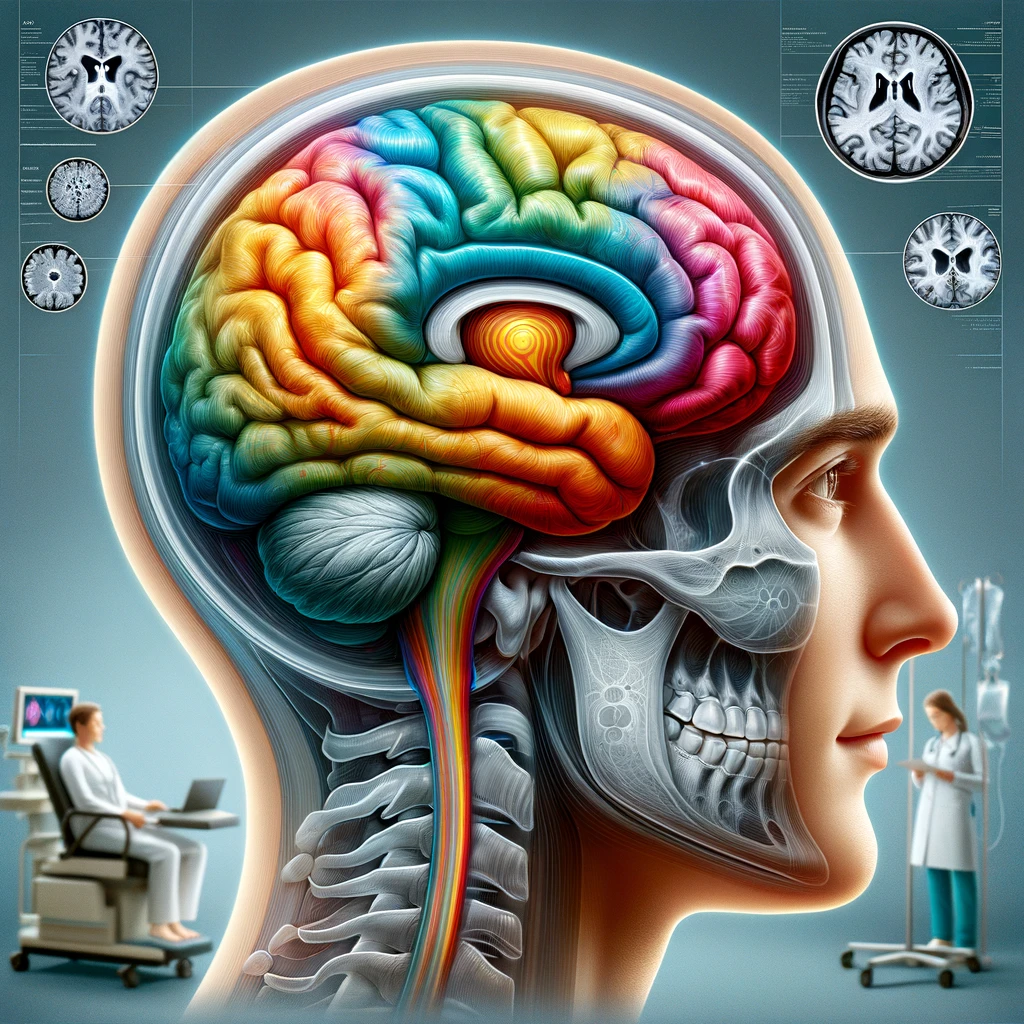
Functional Neurological Disorder (FND) refers to a condition where patients present with neurological symptoms—such as weakness, movement disorders, sensory disturbances, or non-epileptic seizures—that are not explained by traditional structural disease. Instead, the symptoms are considered to arise from a problem with the functioning of the nervous system rather than damage to the structure of the brain. Importantly, this does not mean that the symptoms are imagined or under voluntary control; they are real, distressing, and can significantly affect patients’ lives.
Understanding FND can be challenging for both clinicians and patients alike, as the condition sits at the interface of neurology and psychiatry. It is increasingly recognised as a disorder of “software” rather than “hardware,” which means that the brain is structurally normal, but something has gone wrong with the way that signals are processed and communicated within it. This process usually occurs without the patient’s conscious awareness, and it is this gap in understanding that can make effective patient communication challenging.
Health literacy plays a crucial role in promoting patient understanding. Many individuals diagnosed with FND may have never heard of the condition before, which can create anxiety and confusion. Using clear, non-judgemental language can help bridge this gap. For example, explaining that FND is a recognised condition, listed in medical classification systems such as the ICD-11 and DSM-5, can validate the patient’s experience and reassure them that this is a genuine and treatable disorder.
Transparency in patient communication around the mechanisms underlying FND is key. Using metaphors, such as describing brain function as a computer where the hardware is intact but the software has a bug, can help patients conceptualise the condition in relatable terms. Such explanations reinforce the notion that recovery is possible because the brain has the ability to “re-wire” and restore function through appropriate therapy and self-management strategies.
The clinician’s role is to foster an open dialogue where patients feel heard and reassured that their symptoms are acknowledged and taken seriously. Rather than focusing solely on what the diagnosis is not (i.e., “not epilepsy” or “not MS”), it is more helpful to focus on what the diagnosis is, and how it can be improved. This approach helps shift the narrative from one of exclusion and uncertainty to one of active management and recovery.
Ultimately, understanding FND hinges on validating the patient’s lived experience while offering clear and coherent explanations. This facilitates better health literacy, enhances patient trust, and lays the groundwork for collaborative treatment strategies in subsequent stages of care.
Common symptoms and how they present
People with FND can experience a wide range of symptoms, which may appear intermittently or persistently, and can vary in severity over time. The most commonly reported symptoms include limb weakness or paralysis, tremors, abnormal gait or walking patterns, non-epileptic attacks (also known as dissociative or functional seizures), sensory disturbances such as numbness or tingling, and speech difficulties, including slurred speech or the inability to speak. Each patient presents uniquely, which underlines the importance of a personalised approach to patient communication.
Limb weakness or paralysis in FND often resembles the presentation seen in other neurological conditions, but it may fluctuate or be inconsistent upon clinical examination. For instance, a patient might report profound weakness in a leg yet display normal strength during certain functional tasks, such as when distracted. Recognising such inconsistencies is not about questioning the patient’s experience, but rather helps inform a positive diagnosis of FND.
Functional seizures can look very similar to epileptic seizures, which can lead to misdiagnosis. However, they typically do not show the electrical activity changes in the brain that are characteristic of epilepsy on EEG testing. These episodes may involve shaking, loss of responsiveness, or collapse, and can be deeply distressing to patients. Carefully explaining these differences using accessible language supports better patient understanding and can help reduce the fear associated with such events.
Patients may also report symptoms related to their senses—such as feeling pins and needles, numbness, or visual disturbances—that do not follow expected anatomical patterns. Similarly, issues with balance or coordination might be evident, leading to perceived clumsiness or unsteadiness. However, neurological examination often reveals preserved reflexes and no structural reason for these symptoms, pointing again towards a functional origin.
Speech and cognitive difficulties, such as hesitation in speaking, stuttering, or a sense of ‘brain fog’, form part of the symptom constellation in some individuals. Although these are less visible than motor symptoms, they can be equally debilitating. Ensuring that patients understand these are recognised aspects of FND can be reassuring and validate their experiences.
The wide variability in how FND presents underscores the importance of enhancing health literacy through tailored explanations. Since clinicians may encounter patients with highly individual symptom patterns, taking the time to listen actively and explain the nature of FND within the context of each person’s symptom story forms the foundation of effective patient communication. Using examples and analogies—such as comparing disrupted brain signals to a misfiring software program—helps patients make sense of their symptoms and opens the door to active treatment engagement.
Functional symptoms are as real and impactful as those in structural neurological conditions. For patients, receiving a name for their experiences and having those experiences placed within a well-defined medical framework can make a significant difference. Therefore, clearly describing common presentations of FND is not only clinically important, but also vital for developing trust, improving patient understanding, and guiding the way toward recovery-oriented care.
Communicating the diagnosis with clarity and compassion
When delivering a diagnosis of FND, clinicians must walk a delicate line that balances clarity with kindness, and confidence with compassion. Simply naming the condition is not enough; how the diagnosis is conveyed greatly influences patient understanding, prognosis, and engagement with treatment. It is essential to frame the information in a way that affirms the reality of the symptoms and supports the patient emotionally, particularly because many individuals may have been told previously that test results are “normal,” leading to feelings of dismissal or doubt.
Early in the conversation, it is important for clinicians to acknowledge the legitimacy of the patient’s symptoms. Phrasing such as “These symptoms are real and are caused by a problem in the way your nervous system is functioning,” sets a constructive tone. Avoiding language that implies the symptoms are “all in the head” or psychosomatic without explanation prevents invalidation. This approach reassures the patient that the condition has a biological basis, increasing health literacy and encouraging trust in the diagnostic process.
Patient communication should be tailored to the individual’s level of understanding, using familiar language and avoiding jargon. Utilising analogies can be particularly effective. For instance, likening the brain to a mobile phone that has signal problems—not broken hardware, but a disruption in how it’s communicating—can provide an intuitive way for patients to grasp the concept of FND. These types of explanations help demystify the diagnosis and offer a sense of control, which is especially valuable for patients who may have felt powerless in their search for answers.
It is also beneficial to adopt a strengths-based perspective, highlighting that FND is a diagnosis that can improve with the right treatments. Phrases such as “The good news is this condition is treatable,” or “Your nervous system still has the potential to recover its normal function,” can provide hope and motivation. This reframing not only helps patient understanding, but also fosters optimism and engagement with rehabilitation strategies.
Empathy is central to delivering the diagnosis with compassion. Taking time to answer questions, validate past frustrations, and respond to emotional cues demonstrates that the clinician values the patient’s experience. Providing written material or directing patients to reliable online resources about FND can reinforce verbal communication and support continued processing of the diagnosis after the consultation. These resources contribute to health literacy and allow patients and their families to return to the information as needed, building confidence over time.
Clarity in explaining what FND is also involves being forthright about what it is not. However, rather than emphasising the absence of other conditions, it is more effective to communicate how the diagnosis was positively determined. Describing specific features observed during the assessment—such as symptoms that improve with distraction or vary with attention—helps convey that the diagnosis is based on identifiable clinical signs, not guesswork or exclusion. This approach reduces uncertainty and reinforces the clinical confidence underpinning the diagnosis.
Ultimately, effective patient communication about FND means providing an explanation that is medically grounded, emotionally sensitive, and oriented toward recovery. By combining transparent information with empathy and practical tools for understanding, clinicians equip patients to move forward with clarity and reassurance. The way in which the diagnosis is delivered can significantly influence how the person copes with their condition, engages with treatment and begins their journey toward improvement.
Addressing misconceptions and patient concerns
Patients often arrive at the diagnosis of FND carrying a range of misconceptions, many of which stem from popular misunderstandings, previous unsatisfactory consultations, or the stigma associated with neurological symptoms that lack a clear structural cause. A crucial aspect of patient communication at this stage is to directly and empathetically acknowledge these concerns, addressing them in a way that reinforces trust and encourages open, ongoing dialogue.
One of the most common misconceptions is that FND is “not real” or simply psychological in origin. Patients may have been told by others, or even by healthcare professionals, that they are imagining their symptoms or that “nothing is wrong.” These assumptions can lead to frustration, shame, and a feeling of not being believed. It is essential to explain that FND is a genuine diagnosis with a defined place in modern neurology. Emphasising that the symptoms are the result of a functional issue in the nervous system—not fabricated, voluntary, or imagined—is a pivotal part of improving patient understanding.
Another frequent concern relates to the fear that the condition is a sign of a deteriorating or progressive disease. Patients may worry that they will become permanently disabled or that something more serious has been overlooked. Offering reassurance, grounded in the evidence that FND does not cause structural damage to the nervous system and can often improve with appropriate treatment, is reassuring. Clinicians should highlight how the diagnosis is made based on ‘positive’ signs observed during examination and aligned with clinical expertise, which helps demystify the process and dispel the notion of diagnostic uncertainty.
Some patients may also associate FND with mental illness, which can create discomfort depending on personal beliefs, cultural context, or previous negative experiences with mental health services. It is important not to dismiss links between psychological stressors and symptom onset, but rather to frame them as one of several possible contributing factors. Using language that integrates this understanding—such as saying “FND sits at the intersection of how your brain and body handle stress, movement, and sensation”—can improve health literacy and avoid reinforcing a false mind-body divide.
In some cases, family members or carers may also struggle to understand the diagnosis, which can compound the patient’s distress. Encouraging shared discussions and providing reputable resources helps to promote broader understanding and support. Educating relatives about the nature of FND reinforces the patient’s legitimacy and can positively affect their daily environment, fostering a collective approach to recovery.
Addressing patient concerns also requires clarifying the role of treatment. Patients may fear that they have run out of options, especially if they have previously seen multiple specialists. Framing treatment not as a matter of curing a broken organ, but rather of retraining the nervous system, can be a transformative moment. This reframing allows the patient to reconnect with the idea of progress and invest in active strategies such as physiotherapy, occupational therapy, psychological support, or techniques to improve self-regulation.
Lastly, clinicians must remain attentive and responsive to emotions revealed during these conversations. Some patients may feel anger or sadness connected to feeling misunderstood or dismissed in the past. Acknowledging that these responses are valid and demonstrating a commitment to working collaboratively moving forward can foster a sense of safety and hope. Offering continuity, such as follow-up appointments or referrals within a multidisciplinary team, shows that their journey is being taken seriously and supports a more confident and empowered engagement with treatment.
In establishing trust, dispelling myths, and validating the patient’s experience, clinicians not only address immediate concerns but also lay the foundation for improved patient communication and long-term engagement. Bridging the gap between medical explanation and patient understanding requires both clarity and compassion, reinforcing that FND is a real, diagnosable, and manageable condition that deserves attentive and personalised care.
Developing a collaborative management plan
Creating a collaborative management plan for FND begins with recognising that the patient is an active partner in their recovery. A successful approach must be individualised, multidisciplinary, and co-developed with the patient, ideally beginning at the time of diagnosis. By involving patients in the planning process, clinicians help foster a sense of ownership and agency, which is integral to improving patient understanding and long-term outcomes.
Patient communication at this stage should emphasise that improvement is possible and that the path to recovery is often non-linear. It is helpful to frame the management plan as a toolkit of strategies rather than a rigid protocol, allowing flexibility to fit the patient’s unique needs and evolving circumstances. Encouraging patients to take small, achievable steps fosters early successes, reinforcing confidence without overwhelming them. Setting realistic, short-term goals—such as walking a few more steps each day or keeping a symptom journal—can help maintain momentum and increase engagement with treatment.
A central component of the plan typically involves physiotherapy delivered by clinicians experienced in functional symptoms. This form of rehabilitation focuses on retraining normal movement patterns through exercises that promote automatic, natural movements rather than compensatory techniques. Patients benefit from explanations that clarify the aim is not to build strength in a damaged muscle but to help the nervous system relearn habitual processes that may have become disrupted. Integrating these explanations into patient communication enhances health literacy and ensures individuals understand why specific interventions are being recommended.
Psychological support, particularly therapies such as cognitive behavioural therapy (CBT) or acceptance and commitment therapy (ACT), may be offered as part of the plan. Presenting this as one tool among many—rather than implying that psychological therapy is for all cases or is addressing a purely psychiatric issue—can help minimise stigma and encourage acceptance. Some individuals respond well to learning about how thoughts, behaviours, and physiological responses can interact to maintain symptoms, especially when discussed within the context of neurobiological understanding, rather than framed in terms of “secondary gain” or psychosomatic causation.
Involvement of occupational therapists and other allied health professionals can also be vital, helping patients build routines, manage fatigue, and return to meaningful activities such as work and social participation. These interventions should be framed positively, as part of the process of restoring independence and quality of life. Establishing an emphasis on function, rather than solely focusing on symptom resolution, helps balance expectations and motivates patients to stay engaged even when full recovery is not immediate.
Importantly, building a collaborative management plan requires time and trust. Clinicians should invite ongoing feedback from the patient, acknowledging and adjusting for challenges in adherence or evolving goals. Regular reviews provide an opportunity to celebrate progress, re-align expectations, and reinforce the message that symptoms can change and improve. This fosters a therapeutic alliance built on mutual respect, clear communication, and shared decision-making—key ingredients to sustaining engagement and enhancing patient understanding over time.
Educating patients and their families about FND throughout this process strengthens the effectiveness of the management plan and enhances health literacy across the support network. Encouraging the use of reliable resources, support groups, or patient-developed content—such as videos or written testimonials by others with lived experience—can amplify the patient’s sense of belonging and reduce isolation.
Ultimately, a collaborative plan for FND is not just about referring to services, but about weaving a practical, understandable, and hopeful narrative that empowers the patient. Through transparent patient communication and a focus on skill-building and recovery, the clinician can help bridge the gap between diagnosis and day-to-day improvement, laying a foundation for sustained progress in both physical and emotional wellbeing.