
- Understanding functional neurological disorder
- Challenges in FND diagnosis and patient communication
- Educational responsibilities of healthcare professionals
- Collaborative approaches to improving FND awareness
- Strategies for effective patient and public education
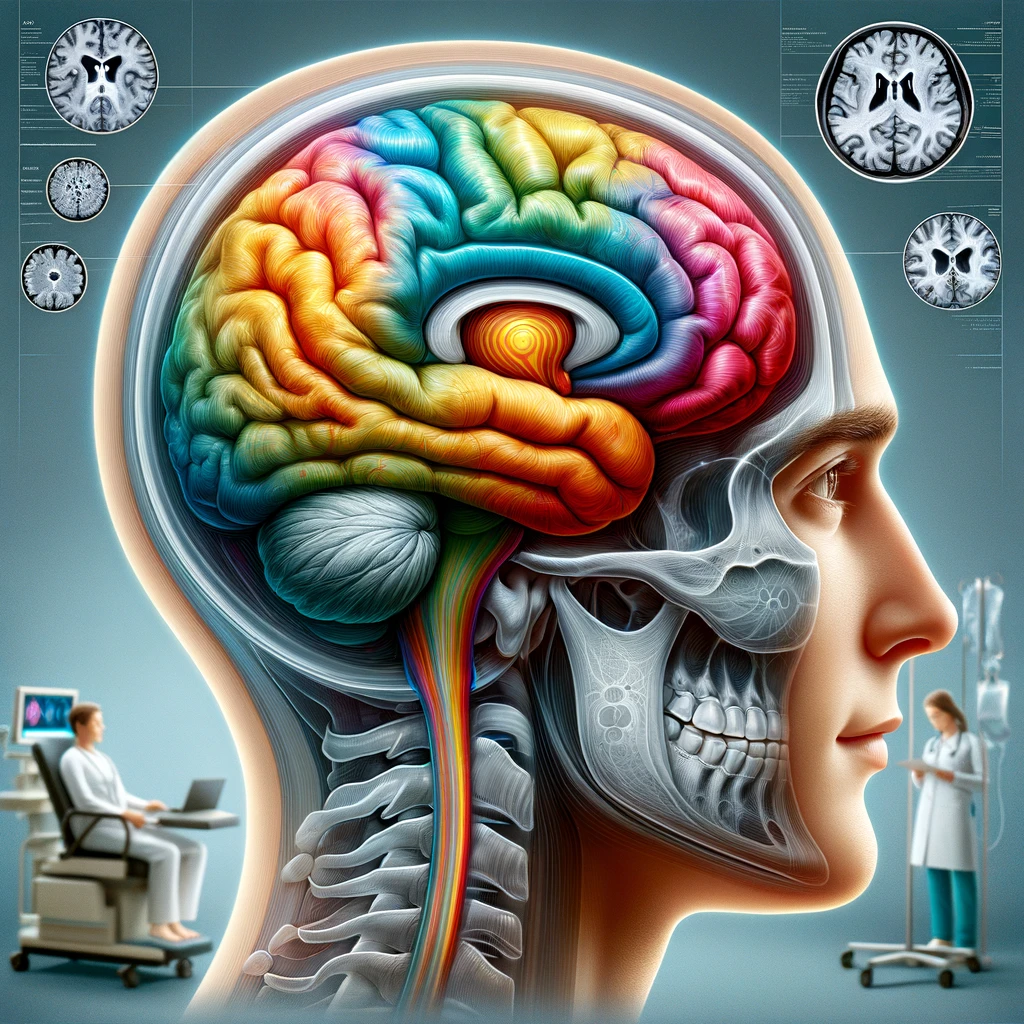
Functional neurological disorder (FND) is a complex condition that sits at the intersection of neurology and psychiatry, and it involves genuine changes in the functioning of the nervous system without a structurally identifiable cause. This can manifest in a wide range of symptoms that appear similar to neurological conditions such as epilepsy, multiple sclerosis, or stroke, including weakness, movement disorders, seizures, and sensory disturbances. What distinguishes FND is that these symptoms arise from a disruption in normal brain function rather than from anatomical damage or disease. Importantly, the condition is real and distressing for patients, requiring a compassionate and informed response from healthcare professionals.
Despite its prevalence, FND is still relatively misunderstood compared to other neurological disorders. Patients may encounter delays in diagnosis and sometimes experience invalidation of their symptoms. Part of the challenge lies in the variability of presentation, which can differ not only between patients but also vary over time in the same individual. Moreover, many symptoms of FND can co-occur with other physical or psychological health issues, further complicating diagnosis and management. Doctors must have a clear understanding of functional neurological symptoms to provide accurate and early identification. Advances in brain imaging and neurological research are helping to build a better understanding of the mechanisms underlying FND, such as altered connectivity in brain networks that regulate movement and emotion.
Effective communication about FND plays a key role in patient care. Ensuring that the patient feels heard and their symptoms validated is crucial in building trust and engagement in treatment. Healthcare providers need to be able to explain the diagnosis in clear, empathetic terms, emphasising that while the condition is not caused by structural brain damage, it is nonetheless a serious and legitimate medical issue. A strong therapeutic alliance supports better outcomes, as patients who understand their diagnosis are more likely to engage in appropriate therapies, such as physiotherapy, psychotherapy, or occupational therapy.
Given the common misconceptions surrounding FND, public education is essential. Misinformation and stigma can contribute to feelings of isolation and hopelessness among individuals with FND. Healthcare professionals are in a unique position to address these gaps, not only by supporting their patients with accurate and clear explanations but also by playing a broader role in raising awareness across society. Whether through public seminars, health campaigns, or medical education forums, sharing knowledge about FND contributes to a more informed and supportive environment for all those affected.
Challenges in FND diagnosis and patient communication
Diagnosing functional neurological disorder presents a number of unique challenges for healthcare professionals. Unlike structural neurological conditions, FND is defined by dysfunction in brain pathways rather than damage identifiable through standard imaging or laboratory tests. As a result, doctors must rely heavily on clinical judgement and pattern recognition, which can be undermined by the historically limited training on FND in medical school curricula. The diagnostic process is further complicated by the stigma that often surrounds the condition—both within healthcare settings and among the general public—which can result in clinicians mischaracterising symptoms as intentionally produced or psychological in origin, despite growing scientific evidence disproving those misconceptions.
One major barrier faced by clinicians is the difficulty in communicating the FND diagnosis to patients in a way that is both truthful and reassuring. Because many people associate medical legitimacy with findings on physical tests, some patients may struggle to accept a diagnosis that lacks a visible pathology. Doctors must balance the need to explain that there is a dysfunction in how the brain is working, without implying that symptoms are imagined or self-inflicted. Miscommunication at this stage can deeply affect patient trust, with individuals often feeling dismissed or accused of malingering, which in turn can hinder their willingness to engage with therapeutic interventions.
Moreover, symptom variability poses an additional diagnostic challenge. FND symptoms often fluctuate in severity and type, and may be inconsistent within the clinical examination—such as strength improving with distraction or involuntary movements that decrease with focused attention. This clinical variability, while a hallmark of FND, is not always recognised or understood by all healthcare providers. Such inconsistency can raise doubt or lead to inappropriate referrals, further delaying access to tailored care. Patients commonly undergo a series of inconclusive investigations, contributing to their frustration and anxiety, especially if the rationale behind the functional diagnosis is not clearly communicated.
Addressing these challenges requires improved public education alongside enhanced training for medical practitioners. Public misconceptions suggest that FND is “all in the mind,” a view that is not only scientifically inaccurate but also damaging to those living with the condition. Healthcare professionals must be equipped to challenge these ideas, providing patients and families with accurate information that frames FND as a real brain-based condition. Open, validating communication that respects the patient’s lived experience is essential in dismantling this stigma. In doing so, the role of doctors extends beyond the diagnostic process to include active education and advocacy, leveraging each patient interaction as an opportunity to reshape understanding, both within the consulting room and in the wider community.
Educational responsibilities of healthcare professionals
Healthcare professionals have an essential role in educating both patients and their peers about functional neurological disorder (FND). Given the complex and often misunderstood nature of FND, clear and consistent education is crucial for improving diagnosis, treatment outcomes, and societal perception. Doctors, nurses, therapists, and other clinical staff must first ensure they possess a thorough understanding of the condition, including its neurobiological underpinnings, symptom variability, and evidence-based treatment strategies. This foundational knowledge enables them to convey accurate information to patients and engage with them confidently and compassionately throughout the diagnostic and treatment journey.
One key responsibility lies in delivering a coherent and empathetic explanation of the FND diagnosis to the patient. The way in which a diagnosis is communicated can significantly influence the patient’s acceptance, engagement with treatment, and long-term recovery. Healthcare providers need to be adept at translating complex neurological concepts into accessible language, emphasising that FND symptoms are real and arise from functional changes in the brain, not structural damage or psychological fabrication. This requires training in both the scientific aspects of the disorder and in communication techniques that validate the patient’s experience and foster a positive therapeutic alliance.
Beyond one-on-one patient care, healthcare professionals are also responsible for contributing to the wider dissemination of up-to-date FND knowledge within the medical community. This includes mentoring junior colleagues, incorporating FND topics into teaching sessions, and participating in ongoing professional development activities. The inclusion of FND in neurological and general medical training is particularly important, as many clinicians still report feeling underprepared to manage the condition effectively. By championing FND education within healthcare institutions, experienced clinicians can help dispel persistent myths and encourage the adoption of standardised diagnostic and treatment approaches based on current expert consensus.
Healthcare workers also play a vital role in strengthening public education efforts around FND. Informing the public about the legitimacy of functional neurological disorders helps to reduce the stigma that many patients encounter in their personal and professional lives. For example, clinicians can engage with media outlets, contribute to awareness campaigns, or work with patient advocacy groups to share reliable information about FND causes, symptoms, and treatment options. In these efforts, the expertise and credibility of doctors and other clinical staff can be a powerful counterbalance to misinformation and cultural misconceptions.
As trusted sources of medical knowledge, healthcare professionals must also be alert to the way institutional attitudes towards FND impact patients. Some individuals with FND report feeling marginalised in healthcare settings due to implicit biases or diagnostic uncertainty. By actively promoting best practices in FND care and education, clinicians can challenge these systemic issues and work toward a more inclusive, patient-centred model. This entails not only keeping current with FND research and guidelines but also reflecting on how their own beliefs and language use shape the patient experience. In this way, education becomes an ongoing, reflective process—one that is deeply embedded in every patient interaction and within the broader healthcare culture.
Collaborative approaches to improving FND awareness
Collaborative efforts between healthcare professionals, patient advocacy groups, researchers, and policymakers are essential to advancing public education and awareness about functional neurological disorder (FND). This multisectoral approach not only improves understanding among medical professionals but also helps to foster a broader societal appreciation of the complexities of FND, reducing stigma and enhancing support for those affected. Collaboration provides the opportunity to integrate diverse perspectives, from the lived experiences of patients to the clinical insights of doctors and the academic rigour of researchers, resulting in more effective, nuanced educational initiatives.
One valuable method of collaboration involves establishing interdisciplinary networks that span neurology, psychiatry, psychology, physiotherapy, and occupational therapy. Such networks support the development of consistent clinical guidelines and communication strategies, allowing a more unified message about FND to reach both the public and professionals. Multi-professional conferences and workshops offer platforms for cross-specialty discussion and the sharing of best practices, enabling consistent messaging on diagnosis, treatment, and patient communication. These forums also foster mutual respect between disciplines, reinforcing the importance of teamwork in managing FND effectively.
In partnership with patient-led organisations, healthcare professionals can co-create educational materials that are clinically accurate and resonate with the experiences of those living with FND. Patient voices play a crucial role in shaping messages that are not only informative but also empathetic and empowering. Collaborations with charities and advocacy groups enable more targeted public education campaigns, which may include publishing patient stories, developing online resources, and hosting awareness events. These initiatives are particularly powerful when they feature doctors and patients speaking together, sending a strong message that FND is a legitimate, manageable condition requiring both medical and societal understanding.
Digital technologies offer new opportunities for collaborative outreach. Online platforms such as webinars, podcasts, and professional forums provide space for ongoing dialogue and training between healthcare providers and the wider community. These tools can be used to deliver professional development sessions to primary care doctors, mental health teams, and emergency department staff, all of whom are likely to encounter patients with symptoms of FND. By making continuing education more accessible, collaborative initiatives using digital tools help bridge knowledge gaps and ensure that patients receive informed, compassionate care at every point of contact within the healthcare system.
Collaborative research also plays a significant role in driving awareness and improving clinical practice. Multidisciplinary research teams investigating the mechanisms, outcomes, and therapeutic approaches of FND contribute to a growing evidence base that informs not only treatment protocols but also public discourse. When healthcare professionals engage with academic partners and include patient representatives in the research process, the findings are more relevant and more likely to influence both clinical guidelines and societal attitudes. Moreover, translating such research into accessible formats for public consumption helps demystify FND and enhances the credibility of public education campaigns.
On a policy level, healthcare professionals can work alongside public health authorities and government bodies to influence the inclusion of FND in national health strategies and service planning. Advocacy for better training, funding for services, and integration of FND into neurology pathways is strengthened by coordinated action between clinicians and patient advocacy organisations. Through such unified efforts, systemic changes can be achieved that embed FND awareness into the core of public health education and practice, paving the way for more equitable and effective care.
Strategies for effective patient and public education
Effective patient and public education about functional neurological disorder (FND) relies on a strategic blend of clarity, accessibility, and empathy. One of the foremost strategies in patient education is to deliver information tailored to each individual’s level of understanding. Clinicians should provide straightforward explanations using non-technical language, focusing on the dysfunction in brain networks responsible for symptoms rather than suggesting the issue is psychological or imagined. Metaphors and visual aids can be highly helpful—for example, comparing FND to a computer with working hardware but corrupted software, where the problem lies in function, not structure.
It is equally important that education is collaborative rather than prescriptive. Involving patients in discussions about their condition encourages ownership of the diagnosis and builds trust in the healthcare provider. Shared decision-making improves engagement and aligns treatment goals, reducing the sense of confusion or helplessness that can follow diagnosis. Educational materials—such as leaflets, online videos, and digital platforms—should be offered during and after consultations, reinforcing key concepts and allowing patients to revisit the information in their own time. Materials must be culturally sensitive and available in accessible formats to cater to those with different language, literacy, and cognitive needs.
For public education, the use of targeted awareness campaigns is essential. These campaigns can be delivered via social media, community health workshops, school health initiatives, and traditional media outlets. The focus should be on dismantling misconceptions, explaining that FND is a common, brain-based condition that benefits from early recognition and intervention. Including patient narratives in these campaigns adds authenticity and gives a voice to those affected, fostering empathy and reducing stigma. Healthcare professionals, particularly doctors and therapists, can take part in these initiatives as trusted figures whose endorsement reinforces the legitimacy of the message.
Public education efforts must also consider specific audiences, such as educators, employers, and social care professionals, who may interact with individuals living with FND. Targeted training and resources for these groups help to build supportive environments outside of healthcare settings. For example, school staff equipped with knowledge about FND are better able to accommodate young people experiencing functional symptoms, while employers who understand the condition can offer more appropriate adjustments or support at work. Such interventions broaden the reach of awareness beyond clinical spaces and embed understanding into everyday social contexts.
Digital technology has become an invaluable tool in extending the reach and impact of both patient and public education. Interactive learning modules, mobile apps, and patient-focused webinars allow individuals to navigate their FND journey with ongoing support. Online communities also offer a safe space for patients to share experiences and learn from others, with moderation or input from healthcare professionals helping to ensure the accuracy of information. Doctors and allied clinical staff can contribute to these platforms by offering live Q&A sessions or producing educational content, thus maintaining a professional presence in digital spheres where misinformation can easily take root.
Another effective strategy is the co-design of educational resources with patients. Involving individuals with lived experience in developing information leaflets, videos, and care pathways ensures that the language used is meaningful and relatable. This patient-centred approach also allows for identification of common barriers to understanding, enabling clinicians to address these more directly in future consultations. Feedback loops—where patients are invited to comment on the usefulness and clarity of materials—can drive continuous improvement in educational resources and promote more person-centred care.
Ultimately, strategic patient and public education about FND depends on consistent, evidence-based messaging delivered with compassion and credibility. Healthcare professionals play a central role in this effort, not only by informing their patients but also by shaping broader societal attitudes through proactive engagement. When education strategies are rooted in clear communication, interdisciplinary collaboration, and co-creation with patients, they have the greatest potential to dismantle stigma, empower individuals, and improve the overall management of FND across all levels of care and society.