
- Understanding functional neurological disorder
- Diagnostic responsibilities of neurologists
- Communicating the diagnosis effectively
- Collaborative care and multidisciplinary approaches
- Long-term management and patient support
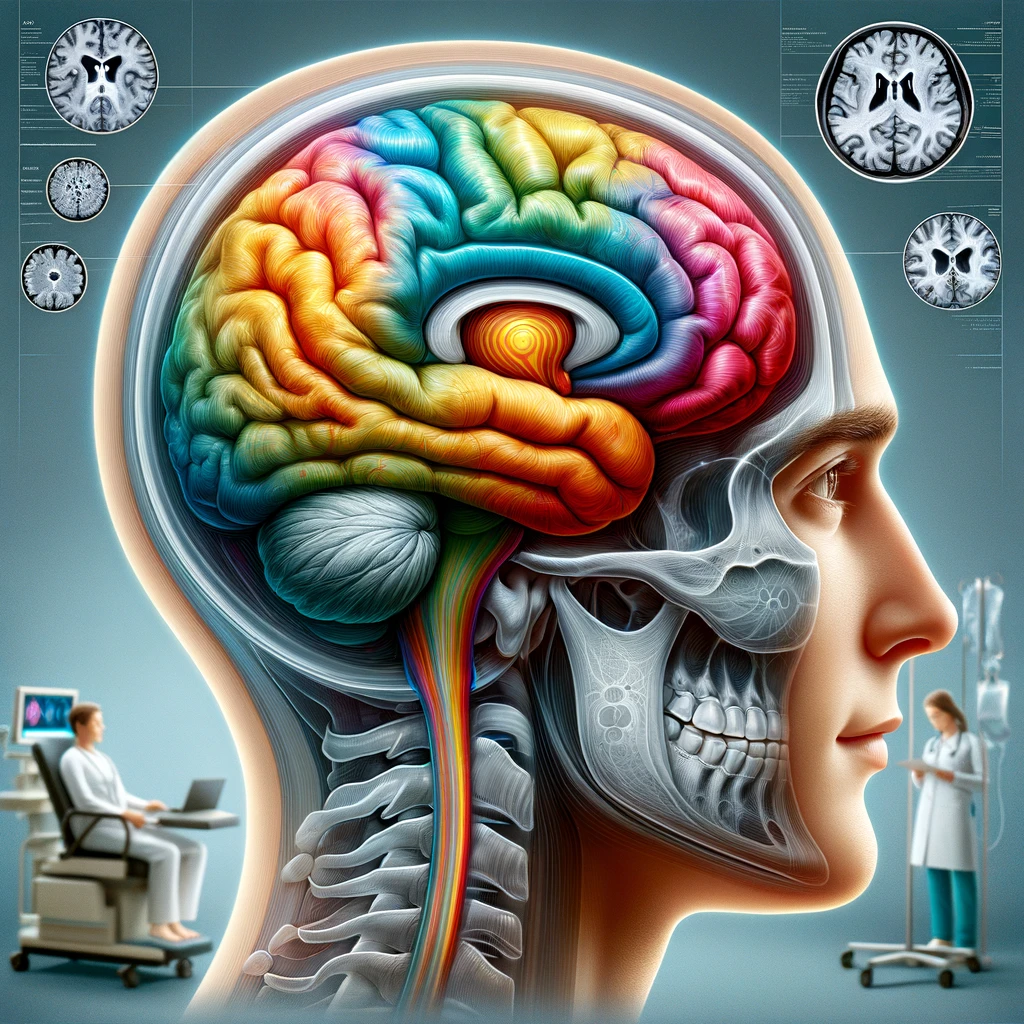
Functional neurological disorder (FND) refers to a group of neurological symptoms that appear to be caused by problems in the functioning of the nervous system, rather than a structural or degenerative neurological disease. These symptoms are real and can be disabling, commonly affecting motor and sensory functions, such as weakness, abnormal movements, seizures, or sensory disturbances. Although the underlying mechanisms are not fully understood, current theories suggest that FND arises from an interaction between psychological, physiological, and social factors, resulting in altered brain function without detectable physical abnormalities on standard neuroimaging.
FND poses diagnostic and therapeutic challenges, often lying at the intersection of neurology and psychiatry. Historically misunderstood and often misdiagnosed, FND is increasingly recognised as a common and genuine condition encountered in neurology clinics. Neurologists play a crucial role in identifying functional symptoms accurately and distinguishing them from neurological diseases with similar presentations, such as epilepsy, multiple sclerosis, or Parkinson’s disease. In contrast to traditional beliefs that FND is a diagnosis of exclusion, modern clinical practice supports a positive diagnosis based on specific physical signs and patterns observed during the neurological examination.
The importance of a valid and clear diagnosis is underscored by its impact on patient outcomes. Research indicates that early recognition and proper explanation of FND significantly improve engagement in treatment and prognosis. Patients often report prolonged periods of uncertainty and distress before reaching a diagnosis, which can exacerbate symptoms and reduce trust in medical services. When appropriately diagnosed and supported, many individuals with FND experience meaningful improvements in quality of life, particularly with access to timely, comprehensive, and tailored multidisciplinary care.
Treatment for FND typically involves a multidisciplinary approach, combining the expertise of neurologists, psychologists, physiotherapists, occupational therapists, and sometimes psychiatrists. This collaborative structure allows for individualised interventions targeting both symptom management and underlying contributing factors. For instance, physiotherapy tailored to functional motor symptoms emphasises retraining movement patterns, while psychological therapies such as cognitive behavioural therapy can address stress, trauma, or maladaptive thought patterns that may maintain symptoms. Neurologists remain key participants in this process, ensuring accurate diagnosis, coordinating care pathways, and supporting ongoing treatment plans in concert with other providers.
Diagnostic responsibilities of neurologists
Neurologists hold a primary and specialised responsibility in diagnosing functional neurological disorder (FND), an area that demands both clinical acumen and sensitivity. Unlike many neurological conditions identified through definitive structural findings on imaging, FND is distinguished by positive clinical signs obtained through careful examination and patient interaction. It is incumbent upon the neurologist to recognise these signs—the inconsistencies and incongruities in symptoms that characterise FND—rather than relying on normal investigations alone to rule out organic disease. This shift from diagnosis by exclusion to a positive diagnostic approach is fundamental to appropriate clinical care and contributes to legitimising the condition for patients.
A thorough and structured clinical assessment remains the cornerstone of diagnosis. Neurologists must be adept at identifying hallmark features such as Hoover’s sign or entrainment in functional tremor. These bedside signs, when properly elicited and interpreted, provide powerful diagnostic clarity. In addition, understanding the presentation and evolution of symptoms over time often helps distinguish FND from conditions such as multiple sclerosis or epilepsy. It is also essential for neurologists to integrate findings from ancillary tests not to confirm FND, but to exclude other underlying pathologies that might coexist or mimic functional symptoms.
Importantly, the neurologist’s role extends beyond technical diagnostic procedures; it includes building rapport with patients, validating their symptoms, and fostering trust. Many individuals with FND experience distress after lengthy diagnostic odysseys marked by uncertainty, stigma, or disbelief. A confident and clear diagnosis by a neurologist can not only provide relief but also set the stage for appropriate treatment and engagement with multidisciplinary care. It signals a turning point where patients begin to understand that their condition is treatable, even if it does not have a structural basis.
Moreover, neurologists must remain alert to the possibility of co-existing neurological or psychiatric conditions. It is not uncommon for individuals with FND to have concurrent disorders such as migraine, chronic pain syndromes, anxiety, or depression. Recognising and addressing these comorbidities require a nuanced clinical approach and enhances the overall management plan. The neurologist thus serves as both gatekeeper and guide in the diagnostic journey, ensuring that FND is accurately identified, appropriately communicated, and integrated coherently into a comprehensive care plan. This pivotal diagnostic function lays the groundwork for effective treatment and long-term neurological and psychological support.
Communicating the diagnosis effectively
Effective communication of the diagnosis of functional neurological disorder (FND) is a vital component of a neurologist’s role, often shaping the trajectory of a patient’s engagement with treatment and overall recovery. Because FND is frequently misunderstood by patients and professionals alike, the way in which neurologists present the diagnosis can significantly influence how it is received. A clear, confident, and compassionate explanation can validate the patient’s experience, reduce stigma, and enhance acceptance of the condition, which is often the first step towards constructive management.
Neurologists must convey the diagnosis in a manner that emphasises both the legitimacy of the symptoms and the potential for improvement. Many patients with FND worry that their symptoms are ‘in their head’ or that they are being accused of feigning illness. Therefore, it is essential to explicitly affirm that the symptoms are real, common, and arise from functional disruptions in the brain’s processing, not from damage to the nervous system. Using understandable language and avoiding overly technical jargon can prevent confusion and build a foundation of trust. Terms like “functional neurological disorder” should be explained thoroughly, alongside examples or analogies that help demystify the diagnosis, such as comparing FND to a computer that is not functioning correctly despite intact hardware.
It is equally important to highlight that FND is a recognised condition in neurology and not a diagnosis of exclusion. Providing concrete evidence from the clinical examination, such as specific signs that indicate functional symptoms, helps to legitimise the diagnosis and reinforces that it was reached after careful, expert assessment. Patients often respond positively when they can see that their symptoms have a known pattern that is familiar to specialists. This can reduce anxiety, improve satisfaction, and encourage a more informed attitude towards recovery.
The neurologist also plays a key role in introducing the concept of multidisciplinary care at the time of diagnosis. Since effective treatment often requires input from various disciplines, including physiotherapy, psychology, and occupational therapy, early conversations should frame the diagnosis as the gateway to an evidence-based, team-supported treatment pathway. Normalising the need for such support and emphasising that progress is possible with the right help can instil hope and motivate patients to actively engage with recommended interventions. Providing written resources, patient information leaflets, or signposting to reputable websites can reinforce verbal explanations and allow time for reflection.
Addressing patients’ questions and emotional responses during the diagnostic conversation is crucial. Some may express confusion, disbelief, or frustration—especially if they have undergone extensive medical investigations elsewhere. Engaging in open, non-judgemental dialogue and allowing time for patients to process the information helps to mitigate these reactions. A follow-up appointment or referral to a clinician skilled in functional disorders can be beneficial to revisit the diagnosis, explore personal meaning, and outline the next steps for treatment.
Ultimately, when neurologists communicate the diagnosis of FND effectively, they transform a potentially alienating experience into an opportunity for therapeutic alliance. This moment can reorient the patient’s journey towards recovery by shifting the focus from searching for elusive diagnoses to participating in active, rehabilitative, and multidisciplinary treatment. The sincerity and clarity with which the diagnosis is explained lays the groundwork for improved outcomes and sustained engagement in care.
Collaborative care and multidisciplinary approaches
Managing FND effectively requires a coordinated team approach that leverages the diverse expertise of healthcare professionals from multiple disciplines. At the heart of this effort is the neurologist, who not only delivers the diagnosis but also facilitates access to appropriate treatment providers. Once the diagnosis is established and communicated sensitively, collaborative care becomes essential to address the complex interplay of physical, psychological, and social factors contributing to the disorder.
Multidisciplinary care typically brings together neurologists, physiotherapists, occupational therapists, psychologists, and sometimes psychiatrists and speech and language therapists, depending on the patient’s presentation. Each team member addresses specific aspects of the condition, contributing towards a holistic and patient-centred treatment plan. For instance, a physiotherapist may create a structured programme to retrain motor symptoms, while a psychologist supports emotional processing and coping strategies, often using cognitive behavioural therapy or similar evidence-based approaches. Occupational therapy may assist patients in regaining confidence in daily activities and social participation, which can be disrupted by the impact of FND symptoms.
A key advantage of this model is the shared understanding among professionals of the functional nature of the condition. This alignment promotes consistent messaging to patients and reduces the risk of contradictory advice that can undermine trust in the treatment process. Regular case discussions and joint clinical reviews allow clinicians to adapt care as symptoms progress or resolve, adjust goals accordingly, and ensure coordinated efforts that maintain therapeutic momentum. Through these collaborative networks, neurologists can monitor progress and ensure that interventions remain aligned with the evolving needs of the patient.
Crucially, collaborative care also supports patients in feeling heard and validated, fostering a sense of safety and confidence in the system. Many have previously faced disbelief or confusion about their symptoms, and encountering a well-integrated team of professionals who take their condition seriously can be profoundly reassuring. This experience often plays a pivotal role in re-establishing hope and encouraging active participation in treatment.
Multidisciplinary care can be delivered in a variety of formats, ranging from outpatient clinics and therapy programmes to more intensive inpatient rehabilitation, depending on the severity and complexity of the disorder. Services such as specialist FND clinics are increasingly being developed across the UK, offering structured care models built around input from multiple disciplines. Where such services are not available, it falls to the neurologist to coordinate care locally, linking patients with available therapies and ensuring that treatment plans are followed through. This may involve working with general practitioners, mental health services, and local therapy providers, while advocating for the patient’s needs within resource-constrained settings.
Despite increasing awareness of FND, access to comprehensive multidisciplinary care remains uneven across regions, highlighting the need for ongoing development of pathways and clinician training. Neurologists play a central role in driving these improvements, not only as specialists in diagnosis but as advocates who can educate colleagues, shape service provision, and contribute to research that strengthens the evidence base. In doing so, they help ensure that patients with FND receive the structured, coordinated, and compassionate care that is key to meaningful recovery.
Long-term management and patient support
Long-term management of functional neurological disorder (FND) involves a dynamic and sustained approach that prioritises patient-centred care, symptom monitoring, and ongoing therapeutic engagement. Given the fluctuating and often persistent nature of FND symptoms, neurologists play a vital role in ensuring continuity of care and adjusting treatment pathways as patient needs evolve. Importantly, long-term management does not follow a prescriptive template, but rather adapts over time, responding to changes in function, patient goals, and the broader psychosocial context.
One of the primary responsibilities of the neurologist in the long-term phase is to maintain regular, collaborative oversight of the patient’s condition. Follow-up consultations provide an opportunity to review progress, reinforce previous gains, and identify any emerging concerns—whether related to symptom recurrence, functional decline, or new stressors. By fostering sustained therapeutic relationships, neurologists can intervene early when difficulties arise and help patients remain engaged in their recovery journey.
For many individuals with FND, symptoms may fluctuate or worsen during periods of psychological stress, illness, or changes in routine. In such instances, neurologists may need to reinitiate or intensify treatment in collaboration with a multidisciplinary team, including physiotherapists, psychologists, occupational therapists, and general practitioners. Ongoing access to multidisciplinary care is therefore essential, not only for acute rehabilitation, but also as a resource for maintenance and relapse prevention. Tailored interventions can be reintroduced in cycles or extended as needed, emphasising flexibility and responsiveness in care delivery.
Education continues to be a fundamental element of long-term management. Patients benefit from reinforcement of earlier messages about the nature of FND, particularly when encountering new health professionals or care settings that may not be familiar with the condition. Neurologists and other team members can support patients by offering explanatory models that empower them to understand and manage their symptoms more effectively. Encouraging a proactive stance—such as using physiotherapy techniques independently or integrating coping strategies learned in therapy—can promote autonomy and reduce hospital dependence.
Managing comorbidities is also a critical aspect of long-term care. Many patients with FND experience ongoing challenges related to anxiety, depression, chronic pain, or fatigue. Addressing these issues in a coordinated and timely manner can lessen their impact on functional symptoms and overall well-being. Integration between neurological and mental health services is often necessary, especially when symptoms are resistant to initial interventions or when social circumstances complicate progress. The neurologist’s capacity to facilitate referrals and liaise with other services is crucial in bridging these gaps.
Social support structures, including family involvement, workplace adjustments, and peer support, play a significant role in sustaining recovery. Neurologists and allied professionals can assist with letters and documentation to help patients access benefits, navigate employment challenges, or secure housing that accommodates their health needs. These practical interventions may seem peripheral, but they often make the difference between sustained functional improvement and relapse.
Another important consideration in long-term management is helping the patient develop realistic expectations. While some people achieve near-complete resolution of symptoms, others may continue to experience residual difficulties. In such cases, the focus shifts to maximising function, improving quality of life, and managing symptoms effectively. Treatment goals may evolve from symptom resolution to strategies that enhance day-to-day living and social participation. Active involvement in setting these goals ensures they are meaningful and achievable, increasing the likelihood of long-term adherence and satisfaction with care.
Although access to comprehensive long-term services varies considerably, the neurologist remains an essential anchor for patients navigating FND. Their ongoing input can help integrate different aspects of care, advocate for appropriate resources, and ensure that management plans are coherent and consistent over time. Ultimately, successful long-term management is built on sustained engagement, personalised goals, collaborative networks, and the affirmation that improvement is possible even in complex or enduring cases of FND.