
- Clinical characteristics of functional movement disorders
- Differentiating between functional and organic movement disorders
- Diagnostic criteria and positive clinical signs
- Role of ancillary investigations and imaging
- Communicating the diagnosis to patients
Functional movement disorders (FND) encompass a range of abnormal movements – including tremors, dystonia, myoclonus, gait disturbances, and jerks – that are incongruent with known patterns of organic neurological disease. These symptoms are typically involuntary and can significantly impair a patient’s quality of life. A critical aspect of recognising FND lies in meticulous clinical observation, often revealing features that distinguish these disorders from structural or degenerative conditions.
Patients commonly present with sudden onset of symptoms, which may fluctuate in severity and even resolve spontaneously. The variability of symptoms within and across clinical encounters is a key clue. For example, tremors associated with FND often vary in frequency and amplitude and may entrain or alter rhythm when patients are asked to tap with the contralateral hand – a phenomenon not usually seen in organic tremors. Similarly, functional dystonia may present with fixed postures and discomfort that do not conform to the distribution patterns expected in central or peripheral neurological disorders.
Another hallmark of functional movement disorders is the inconsistency of the findings on examination. Signs such as Hoover’s sign, where hip extension strength improves with contralateral leg flexion against resistance, are consistent with functional limb weakness. In patients presenting with gait disturbances, features such as ‘knee buckling’ without falling, or a bizarre gait pattern without evident weakness or coordination deficits, are suggestive of an underlying functional aetiology. These indicators are vital tools for the neurologist and depend heavily on well-developed clinical skills.
Psychological stressors may or may not be identified at the time of diagnosis. Although historically considered essential, the absence of a clear psychosocial trigger does not preclude the diagnosis. Instead, modern understanding within neurology emphasises positive signs and characteristic patterns on examination as the foundation for diagnosis. Fatigue, sensory symptoms, and dissociative episodes may co-exist, further contributing to the complexity of the clinical picture and underscoring the need for a comprehensive and nuanced approach.
Effective diagnosis of functional movement disorders, therefore, relies heavily on the clinician’s ability to identify positive diagnostic features during a careful neurological examination. Recognising these patterns not only aids in distinguishing FND from organic pathologies but also helps to initiate timely management strategies tailored to the individual patient.
Differentiating between functional and organic movement disorders
Differentiating functional movement disorders (FND) from organic movement disorders remains a nuanced aspect of clinical neurology that demands both experience and refined clinical skills. The distinction is often made at the bedside, relying less on the absence of structural pathology and more on identifying positive features that are inconsistent with known neurological diseases. Importantly, FND are not diagnoses of exclusion but are based on demonstrable clinical phenomena that point towards a functional aetiology.
Organic movement disorders, such as Parkinson’s disease, multiple system atrophy, or hereditary dystonias, typically follow well-recognised patterns of symptom progression and anatomical distribution. These conditions often present with consistent signs on repeated examination, including rigidity, bradykinesia, and tremor that align with structural lesions or neurodegenerative processes. In contrast, functional symptoms are more likely to exhibit variability over time, suggestibility, and incongruence with neuroanatomy.
One of the clearest distinctions between functional and organic disorders lies in the level of internal consistency within a neurological examination. Functional tremors, for instance, often show entrainment, where the tremor frequency synchronises with voluntary rhythmic movements of another limb. In contrast, organic tremors tend to remain independent of such influences. Likewise, functional myoclonus may have sudden onset and be distractible, often triggered by minimal movement or emotion, whereas organic myoclonus follows a distinctive anatomical and physiological pattern.
Another essential diagnostic cue is the presence of variability and inconsistency. A patient with a functional gait disorder may walk with marked difficulty in the clinic but be able to walk relatively normally when distracted or unaware of being observed. Conversely, organic gait impairments, such as those caused by cerebellar ataxia or spasticity, usually persist regardless of context. This inconsistency is not suggestive of malingering but rather a hallmark of a functional process with altered nervous system function rather than structural damage.
While psychogenic explanations were historically used to differentiate functional disorders, current practice places greater emphasis on observable, reproducible features that reliably distinguish these presentations. For example, Hoover’s sign or arm-drop tests provide robust evidence of a functional rather than an organic weakness. Moreover, the precipitating factors, such as psychological stress or trauma, though relevant, are not essential for diagnosis and should not distract from the primary task of establishing a positive clinical diagnosis.
The role of clinical skills cannot be overstated in making this distinction. A thorough history and examination are indispensable and often more informative than ancillary testing. The practitioner’s ability to detect subtle signs—such as symptom variability, distractibility, and inconsistency on repeated manoeuvres—underpins an accurate and timely diagnosis. This vigilance is especially crucial as prolonged uncertainty or mislabelling may lead to unnecessary investigations and delays in accessing appropriate treatment pathways for FND.
Diagnostic criteria and positive clinical signs
Accurate diagnosis of functional movement disorders (FND) is grounded in the identification of positive clinical signs rather than the exclusion of organic disease. This represents a significant shift within contemporary neurology, moving away from historical approaches that classified FND only after ruling out other conditions. Instead, clinicians are encouraged to look for specific, reproducible features during examination that confidently support a functional diagnosis.
Positive clinical signs are those that are internally inconsistent, incongruent with recognised neurological pathways, or demonstrably influenced by attention, suggestion, or distraction. Among the most well-known of these is Hoover’s sign, which is particularly reliable in assessing functional leg weakness. When a patient is asked to extend the affected leg against resistance, weakness is observed; however, strength improves when the contralateral leg is flexed against resistance. This change in muscular output, independent of volitional effort, is classical for functional weakness.
In cases where tremor is prominent, several features point towards a functional aetiology. Entrainment of the tremor, where rhythmic tapping with the unaffected limb leads the tremor to adopt the same frequency, is commonly seen in FND. Additionally, the use of distractive tasks – such as asking the patient to perform mental arithmetic – may cause the tremor to reduce in amplitude or disappear entirely. Variability in frequency and direction of the tremor during the examination further supports the diagnosis. These clinical signs differ significantly from organic tremors, which are usually consistent in rate and rhythm and unaffected by distraction.
Functional myoclonus also presents characteristic diagnostic signs. It may be stimulus-sensitive, for example triggered by light touch, despite no consistent anatomical basis. The onset is often abrupt and the movements may be large and jerky, but lack the electrophysiological patterns observed in organic myoclonus. Additionally, latency following a stimulus may be suggestible or variable on testing, a feature not typical of involuntary movements derived from structural neurological disease.
In functional dystonia, characteristics like fixed postures that resist passive movement but are inconsistent with known dystonic patterns can guide diagnosis. Unlike organic dystonias, which often affect multiple anatomical structures in a patterned and sustained fashion, functional dystonia frequently affects single limbs in non-physiological positions and may paradoxically improve momentarily with distraction or when the patient believes they are not being observed.
Another positive sign particularly relevant to gait disorders is the ‘astasia-abasia’ pattern, marked by dramatic lurching or ‘buckling’ of the knees without falling, despite preserved balance when sitting or lying. The gait abnormalities may appear erratic or bizarre, yet strength and coordination are found to be intact upon testing. Such incongruent patterns do not align with known neurological substrates, and their presence is a strong pointer towards a functional movement disorder.
The role of clinical skills is central in recognising and interpreting these signs. Neurology provides the framework, but the clinician’s ability to detect and assess suggestibility, inconsistency, and variability in movement patterns is critical to making a timely and secure diagnosis. Importantly, labelling the findings as ‘positive’—rather than ‘normal’ or ‘inexplicable’—helps in validating the diagnosis both to healthcare professionals and to patients, setting the foundation for effective communication and management in subsequent stages of care.
Role of ancillary investigations and imaging
In evaluating functional movement disorders (FND), ancillary investigations and imaging play a supportive rather than central role. The diagnosis of FND is fundamentally clinical, based on the presence of positive signs elicited during the neurological examination. However, appropriate investigations are often necessary to exclude serious alternative diagnoses, provide reassurance, and to corroborate the clinical impression—particularly when diagnostic uncertainty exists or when features atypical for a functional presentation are noted.
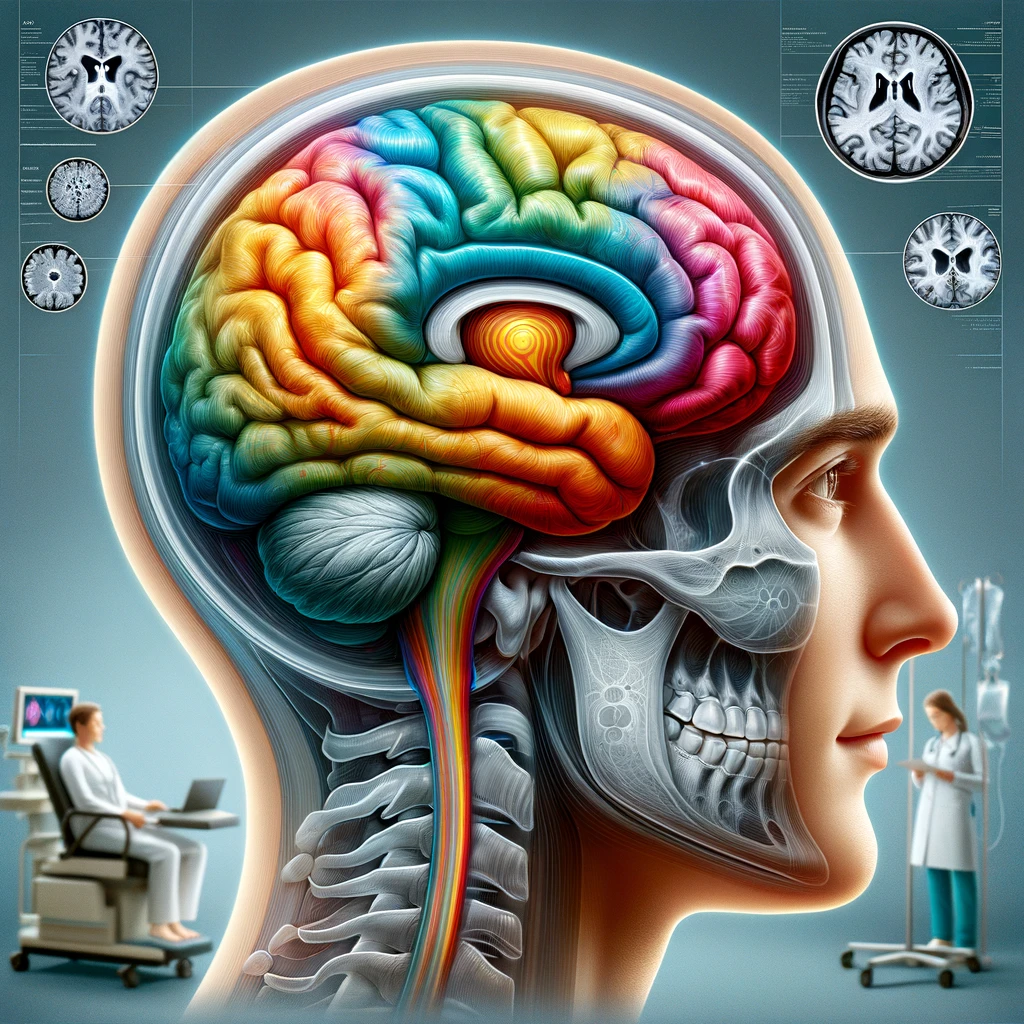
Neuroimaging, including MRI of the brain and spinal cord, is often performed, especially in initial presentations, to exclude structural, demyelinating, or neurodegenerative conditions. In most cases of FND, such imaging reveals no abnormality or only incidental findings. The absence of a lesion on imaging does not confirm the diagnosis, but when paired with positive clinical findings, it can help validate a functional aetiology and support the neurologist’s assessment. MRI is particularly useful in ruling out conditions such as multiple sclerosis, cerebrovascular disease, or compressive myelopathy that may clinically mimic functional syndromes.
Electrophysiological studies, including surface electromyography (EMG) and electroencephalography (EEG), can provide objective data in selected cases. For example, EMG can help characterise tremors and myoclonic jerks. Functional tremors often show variable frequency and an absence of co-contraction patterns typical of organic tremor. Entrainment of tremor can also be detected through EMG, offering further confirmation of functional features. In the assessment of non-epileptic seizures or functional jerks, long-term video EEG may be employed to identify episodes lacking correlating epileptiform activity, reinforcing the diagnosis of non-epileptic attack disorder (NEAD).
In some centres, functional imaging, such as PET or SPECT scanning, may be explored for research purposes, highlighting abnormal patterns of brain connectivity or regional activity. However, these modalities currently have limited availability and diagnostic utility in routine clinical practice. Their interpretation requires caution, and they are not relied upon for the formal diagnosis of FND. As neurology continues to explore the brain mechanisms behind functional symptoms, such advanced imaging may offer future contributions to understanding the pathophysiology, though presently they cannot substitute for bedside clinical skills.
Other ancillary investigations, such as blood tests and autoimmune markers, are often performed based on the clinical scenario to exclude metabolic, infectious, or inflammatory causes of symptoms. These can be useful to guide management and reassure both clinician and patient about the absence of underlying systemic disease. However, routine or overly extensive testing may inadvertently reinforce symptom-related anxiety in patients and should be avoided when the clinical picture strongly suggests a functional movement disorder.
The judicious use of investigations reinforces clinical findings when employed with clear intent. The goal is not to ‘prove’ FND by means of negative tests, but to exclude competing diagnoses where appropriate and to complement the clinician’s diagnosis that is fundamentally grounded in observation, pattern recognition, and sound clinical judgement. Importantly, investigations should not delay communication of the diagnosis to the patient once a clear clinical impression has been formed. Overreliance on testing may undermine the diagnostic confidence of the neurologist and confuse the patient, potentially delaying access to effective treatment such as physiotherapy or psychological intervention.
Ultimately, ancillary testing is most valuable when integrated thoughtfully into the diagnostic process, guided by clinical reasoning and shaped by the neurologist’s expertise. When balanced carefully, investigations can bolster the clinician’s assessment, alleviate diagnostic uncertainty, and contribute to a structured and transparent approach to managing FND, all while preserving the central role of clinical skills in the diagnostic pathway.
Communicating the diagnosis to patients
Conveying the diagnosis of a functional movement disorder (FND) to patients requires sensitivity, clarity, and a skilled communication approach that draws on both medical knowledge and advanced clinical skills. Owing to historical misconceptions and the stigma associated with functional neurological symptoms, patients may harbour concerns about the legitimacy of their condition or fear they are being dismissed. Therefore, the manner in which the diagnosis is presented has a profound effect on the patient’s engagement with treatment and long-term prognosis.
A crucial initial step is to ensure that the clinician conveys confidence in the diagnosis. Rather than characterise the diagnosis as an exclusion, it is essential to emphasise the presence of positive clinical signs observed during the examination. By doing so, the clinician affirms that the diagnosis is evidence-based and rooted in established principles of neurology. For instance, language such as, “We saw specific signs during your examination that are characteristic of a functional movement disorder,” helps patients understand that the disorder is recognised and real, and not speculative or dismissive.
Clear explanations that avoid outdated or ambiguous terminology are vital. Terms such as “psychosomatic” or “imagined” should be avoided, as they may inadvertently suggest that the patient’s symptoms are voluntary or fabricated. Instead, terms like “functional,” “altered nervous system functioning,” and “bodily distress linked to how the brain processes movement and control” reflect contemporary understanding and can reduce unnecessary distress or defensiveness.
Where appropriate, analogies may assist in explaining the condition in relatable terms. Comparing FND to a software issue in a computer—rather than a hardware fault—can help articulate that while there is no structural damage, the system is not functioning as it should, and this can cause very real and disabling symptoms. Such analogies can contextualise the disorder within a medical framework, underscoring that it is involuntary and deserving of treatment, without attributing blame to the patient.
Importantly, the conversation should always validate the patient’s experience. Acknowledging that the symptoms are genuine, impactful, and deserving of appropriate care is fundamental in maintaining trust. Offering hope and reinforcing that recovery is possible through targeted treatment, such as specialist physiotherapy or psychological support, further empowers the patient and highlights a pathway forward. Clinicians should also be prepared to reiterate that FND is a common and increasingly recognised condition, and that the treatment is designed to address the underlying processes that have affected the regulation of movement and bodily control.
Many patients will have had prior consultations where no clear diagnosis was provided or where results were “normal,” leading to confusion and sometimes scepticism. When revisiting previous investigations, it can be helpful to reframe these findings by explaining that the tests ruled out other neurological conditions, enabling a positive diagnosis to be made—a distinction that reinforces the legitimacy of FND and the clinician’s expertise in recognising it.
Time and patience are often needed, and the diagnosis may need to be discussed more than once. Some patients may initially struggle to accept the diagnosis, particularly if they arrive with expectations of a structural or degenerative cause. Clinicians should remain open to these concerns, offering follow-up opportunities to revisit the diagnosis and treatment options, supporting the patient through adjustment and acceptance. Providing written information or directing them to reputable resources, such as national FND charities or specialist websites, can offer further reassurance and learning opportunities outside the consultation room.
The clinician’s use of communication should be viewed as an extension of their clinical skills, crucial not only in identifying FND but also in enabling recovery. A well-delivered diagnosis can alleviate uncertainty and reshape the patient’s understanding of their condition, creating a collaborative foundation for subsequent management. As such, communication is not an adjunct to clinical excellence in neurology—it is integral to it, particularly in the nuanced and evolving field of functional movement disorders.