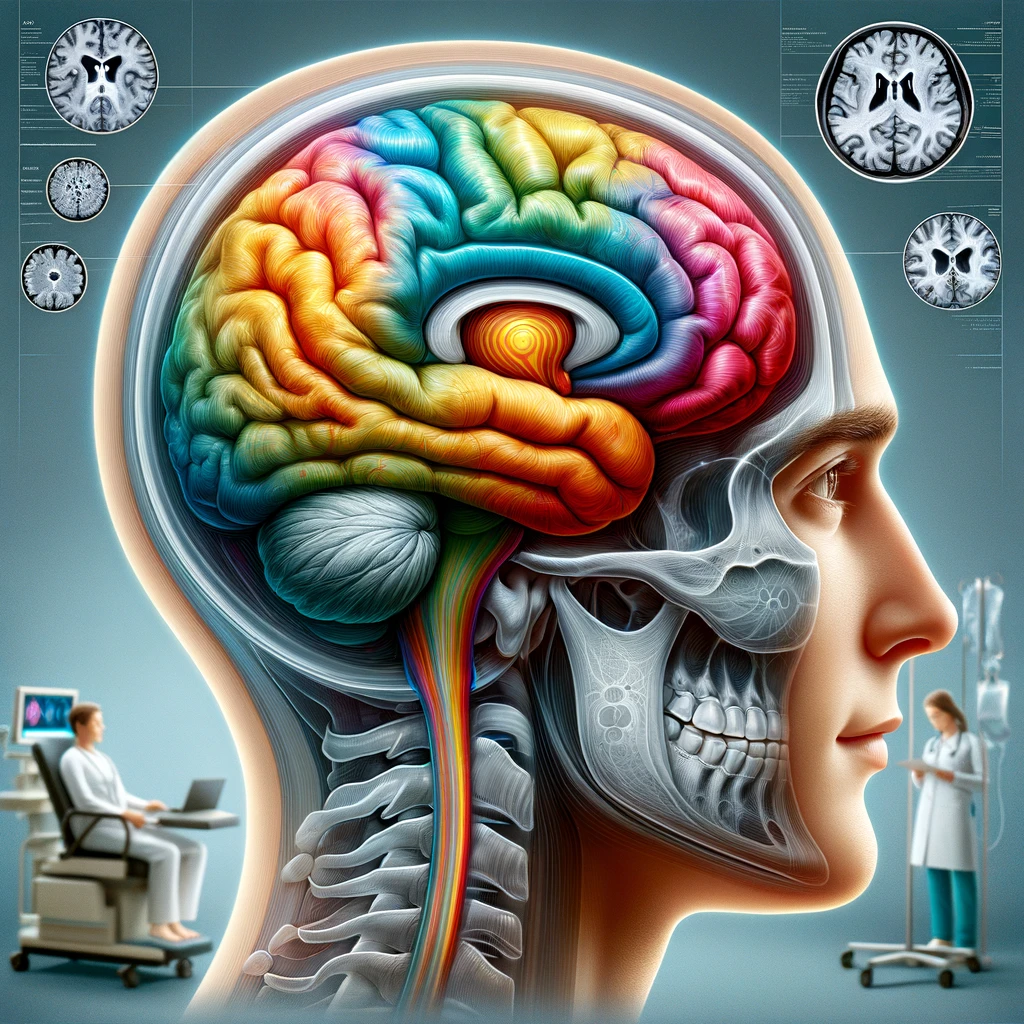

- Understanding functional neurological disorder
- The limitations of a purely psychological label
- The role of the brain in FND symptoms
- Integrating neurological and psychological approaches
- Improving treatment through a holistic perspective
Functional neurological disorder (FND) is a condition that presents with a wide array of neurological symptoms, such as limb weakness, seizures, sensory disturbances, and abnormal movement, which are not explained by traditional structural neurological disease. Although its manifestations can resemble those of other neurological conditions like epilepsy or multiple sclerosis, FND differs in that the symptoms stem from disrupted brain function rather than brain damage or disease.
Historically, FND has been shrouded in misconceptions and stigma, often misinterpreted as being “all in the mind.” These outdated views have contributed to a fragmented approach to care. In reality, FND is increasingly recognised as a legitimate and common condition, with recent research supporting the involvement of abnormal brain network patterns and impaired communication between different regions of the brain which affect movement, sensation, and perception.
Diagnosis is now based on positive signs identifiable during neurological examination, rather than being a diagnosis of exclusion. For example, in cases of functional limb weakness, the Hoover’s sign is a reliable clinical indicator of FND. Advancements in education among healthcare professionals have led to earlier recognition and appropriate referrals, although there is still significant room to improve both clinical practice and public understanding.
Public education remains critical in reshaping how people perceive FND. Misunderstandings about the condition can lead to isolation, frustration, and inadequate support for those affected. By improving awareness and embracing FND as a neuropsychiatric disorder that bridges brain function and behaviour, society can foster more empathy towards patients and encourage more informed healthcare responses.
The limitations of a purely psychological label
Labelling FND as purely psychological carries significant drawbacks that impact both diagnosis and treatment. When symptoms such as seizures, tremors, or cognitive disturbances are dismissed as rooted solely in emotional or mental health issues, patients often face scepticism from healthcare providers and stigmatisation from others. This mischaracterisation not only delays appropriate intervention but can also undermine the therapeutic relationship, leaving patients feeling invalidated and disbelieved.
One major limitation of a psychological-only label is that it oversimplifies a complex condition. FND symptoms arise from real neurological dysfunction, as evidenced through functional imaging studies that reveal changes in brain connectivity and activity. By ignoring these biological underpinnings, the psychological label perpetuates outdated misconceptions that symptoms are fabricated or voluntary. This can reinforce feelings of guilt or shame in individuals already struggling with debilitating health challenges.
Additionally, an exclusive psychological interpretation can restrict access to the multidisciplinary care that has proven most effective in managing FND. Patients may receive general mental health treatment rather than targeted interventions involving neurologists, physiotherapists, and psychologists working together. This fragmented approach limits recovery and contributes to inconsistent outcomes across healthcare systems.
Educational efforts within the medical community have gradually begun shifting perceptions, but gaps in public understanding still exist. Many patients report feeling confused or rejected by professionals who subscribe to a narrow, outdated model of diagnosis. A more integrated view that acknowledges the role of both psychological stress and neural dysfunction allows for a more compassionate and scientifically grounded approach to care.
The role of the brain in FND symptoms
Advances in neuroscience have highlighted the critical role the brain plays in the manifestation of functional neurological disorder (FND). Contrary to earlier misconceptions that symptoms arise solely from psychological factors, functional MRI and other neuroimaging techniques have revealed measurable alterations in brain activity among individuals with FND. These changes occur in regions involved in motor control, emotion regulation and the integration of bodily sensations, demonstrating that the brain is not passively reflecting stress or trauma, but actively generating symptoms in the absence of structural damage.
For example, studies have shown that the supplementary motor area, a region responsible for planning and initiating movements, exhibits abnormal activation patterns during motor symptoms in FND such as limb weakness or tremors. In addition, alterations in connectivity between the amygdala and motor cortex suggest that emotional processing may disrupt normal motor function, providing a neurological explanation for how stress or trauma could influence physical symptoms without the presence of a traditional neurological disease.
Furthermore, disruptions in attention and expectation are increasingly understood to play a central role in FND. The brain appears to misinterpret or misprioritise sensory signals, leading to symptoms such as numbness or non-epileptic seizures. These findings bolster the view of FND as a disorder of dysfunctional brain networks rather than a purely psychological issue, highlighting the need to shift both medical education and public understanding away from outdated models that view such individuals with suspicion or disbelief.
This growing body of research underscores the importance of recognising the brain-behaviour interface in FND. Labelling the disorder solely in psychological terms not only neglects the neuroscience behind it but also hampers efforts to develop effective and evidence-based treatments. By accepting that the brain is a key driver of symptoms, clinicians can adopt more nuanced assessments and better-targeted interventions that validate patients’ experiences and enhance therapeutic outcomes.
Integrating neurological and psychological approaches
Bridging the divide between neurology and psychology is crucial for the effective management of functional neurological disorder (FND). A unified approach recognises that neurological and psychological factors are often intertwined, rather than opposed. Rather than viewing FND as resulting from either brain dysfunction or psychological disturbance, an integrated model allows healthcare professionals to treat both domains without hierarchy, which opens the door for more comprehensive and compassionate care.
Multidisciplinary teams exemplify this integration, combining the expertise of neurologists, clinical psychologists, physiotherapists, occupational therapists, and psychiatrists. In such settings, patients receive coordinated care that addresses the full spectrum of their symptoms. For example, neuropsychological interventions can help individuals understand the connection between stressors and symptom activity, while physiotherapy re-teaches normal movement patterns, capitalising on the brain’s ability to retrain itself through neuroplasticity. This coordinated strategy reduces symptom burden more effectively than interventions delivered in isolation.
Education also plays a foundational role in promoting this integrative framework. When clinicians from both neurological and mental health backgrounds are trained to recognise and understand FND, patient outcomes improve. Joint training programmes help dismantle old misconceptions that paint FND as malingering or attention-seeking behaviour. Instead, practitioners begin to see patients as individuals experiencing genuine distress caused by dysfunction in the brain’s ability to interpret and act upon bodily signals. Enhanced education not only supports correct diagnosis and treatment but also reduces stigmatisation within healthcare systems.
Improving public understanding is equally essential. Integrated approaches must be communicated effectively to patients and the broader community, ensuring that FND is neither misunderstood as purely psychological nor erroneously dismissed as untreatable. When patients receive explanations that validate both the neurological and psychological components of their condition, they are more likely to engage with therapy and maintain trust in the healthcare system. Moreover, open discussions about brain-body interaction can reduce stigma and offer hope, particularly when individuals witness functional improvements over the course of balanced treatment plans.
The integration of neurological and psychological approaches offers a path forward that respects the complexity of FND. Abandoning siloed thinking benefits both patients and professionals, replacing outdated and restrictive classifications with evidence-based practices grounded in empathy, science, and interprofessional collaboration. As awareness grows, so too does the potential to transform treatment experiences and outcomes for those living with this often-misunderstood disorder.
Improving treatment through a holistic perspective
Treatment of functional neurological disorder (FND) can be significantly enhanced by adopting a holistic perspective that accounts for the full range of biological, psychological, and social contributors to the condition. This approach moves beyond isolated diagnoses and fragmented care to provide a more person-centred model that acknowledges the interplay of brain function, emotional wellbeing, and environmental stressors in the development and persistence of symptoms.
One essential aspect of holistic treatment is the development of individualised care plans that reflect the complexity of each patient’s experience. Because FND symptoms vary widely—from non-epileptic seizures to limb weakness or speech disturbances—therapies must be tailored accordingly. This often involves collaboration between neurologists, psychologists, physiotherapists, occupational therapists, and sometimes speech and language therapists. Each specialist plays a role in addressing specific dimensions of the individual’s symptoms, while ensuring patients are supported in understanding how these dimensions interconnect to impact their daily lives.
Education remains central to this model. Many patients with FND report confusion and distress upon first receiving their diagnosis, particularly if they are not provided with a clear and compassionate explanation of what the condition entails. Clinicians who take the time to educate patients using evidence-based explanations that clarify the role of brain function and stress in symptom generation help reduce fear and build therapeutic rapport. This, in turn, fosters engagement and compliance with tailored rehabilitation programmes. Additionally, education helps patients develop coping strategies and adjust expectations, which can be as crucial to recovery as the clinical interventions themselves.
Public understanding shapes the broader social environment in which FND patients live and seek care. Misconceptions remain widespread, including the belief that symptoms are feigned or purely psychological. These misunderstandings can lead to stigma, social isolation, and difficulty accessing appropriate services. A holistic treatment model includes raising community awareness through public education campaigns, advocacy, and the inclusion of FND in broader discussions about neurological and mental health conditions. Such efforts contribute to a more informed society where patients feel validated rather than dismissed.
Holistic care also places emphasis on patient empowerment. Encouraging individuals to take an active role in their recovery through self-management strategies—such as pacing activities, mindfulness techniques, and stress reduction—enhances outcomes and allows patients to regain a sense of control over their lives. This empowerment is facilitated when treatment settings promote open communication, respect for personal goals, and a collaborative approach to wellbeing.
Ultimately, improving treatment for FND through a holistic lens means acknowledging that no single discipline holds all the answers. By weaving together knowledge from neurology, psychiatry, physiotherapy, psychology, and social support systems, healthcare providers can deliver care that transcends outdated assumptions. This integrated perspective bridges gaps in understanding and promotes therapeutic interventions that are both scientifically grounded and deeply respectful of the lived experience of those with FND.