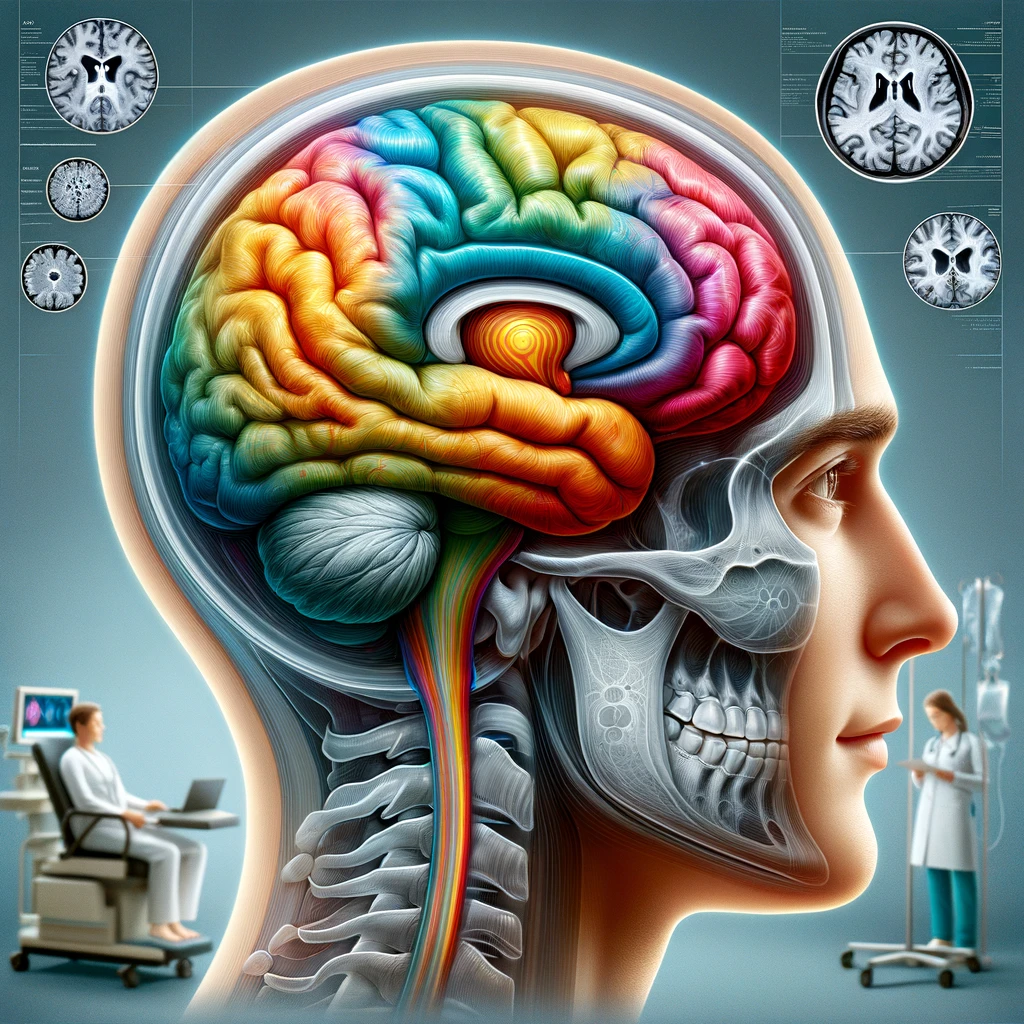

- Overview of functional speech and swallowing disorders
- Aetiology and risk factors
- Clinical assessment and diagnostic criteria
- Therapeutic approaches and rehabilitation
- Prognosis and long-term management
Functional speech and swallowing disorders are clinical entities in which individuals experience difficulties with verbal communication or safe and efficient eating and drinking, despite the absence of identifiable structural or neurological abnormalities. These conditions fall under the broader umbrella of functional neurological disorder (FND), where symptoms are genuine and distressing but are not explained by conventional organic pathology. Common examples include functional dysphonia, where voice quality is impaired without an anatomical or neurological cause, and functional dysphagia, characterised by problems swallowing that are not attributable to structural obstruction or a known neuromuscular disease.
Patients may report symptoms such as hoarseness, voice fatigue, or complete loss of voice in the case of functional dysphonia, while those with functional dysphagia may describe a sensation of food sticking, choking, or abnormal swallowing effort without corresponding findings on instrumental assessments such as videofluoroscopy or endoscopy. These symptoms often fluctuate and may be influenced by stress, fatigue or psychological factors.
The impact of these disorders can be profound, affecting communication, nutrition, and overall quality of life. Due to their functional nature, these disorders may be misunderstood or misdiagnosed, leading to frustration for both patients and clinicians. Speech therapy plays a central role in the diagnosis and management of these conditions. In the case of functional speech disorders, therapy may focus on voice hygiene, relaxation strategies, and tailored vocal exercises, while management of functional dysphagia often includes education, behavioural modification, and graduated reintroduction of food textures.
Awareness and understanding of these disorders have improved in recent years, supported by growing research within the field of FND. This has helped to reduce stigma and promote a more supportive and holistic approach to care, integrating medical, psychological, and therapeutic perspectives to optimise outcomes for affected individuals.
Aetiology and risk factors
The aetiology of functional speech and swallowing disturbances is multifactorial, often encompassing psychological, social, and physiological contributors. These disorders frequently arise in the context of emotional distress or psychological comorbidity, including anxiety, depression, or trauma history. Research indicates a strong association between these conditions and underlying functional neurological disorder (FND), where neurological symptoms are present in the absence of detectable structural pathology. Patients with FND may experience functional dysphonia or dysphagia as part of a broader symptom complex.
Risk factors for developing functional speech and swallowing disorders include a history of voice overuse or misuse, high levels of occupational or interpersonal stress, and adverse life events. Individuals in vocally demanding professions, such as teachers, singers, and call centre workers, are at increased risk for functional voice issues. Likewise, episodes of choking or significant emotional experiences during eating may serve as triggering events for functional dysphagia.
Personality traits, such as perfectionism and heightened self-monitoring, may also play a role in predisposing individuals to these disorders. Furthermore, previous physical illnesses—particularly ones involving temporary alterations to voice or swallowing—and inconsistent or insufficient recovery can prime the nervous system for maladaptive responses. In such cases, the original organic trigger is resolved, but the symptoms persist through altered functional pathways.
Social and cultural factors may influence symptom presentation and perceived severity. For instance, environments that place a high value on communication or physical appearance can amplify distress related to voice or swallowing dysfunction. Additionally, limited access to accurate information or effective treatment options can lead to symptom chronification due to persistent maladaptive behaviours or beliefs.
Understanding the interplay of biological vulnerability, psychological stressors, and environmental influences is crucial in identifying individuals at risk and guiding early intervention. Speech therapy practitioners are often key figures in recognising the functional nature of symptoms and coordinating care that addresses the full spectrum of contributory factors.
Clinical assessment and diagnostic criteria
Accurate clinical assessment of functional speech and swallowing disturbances is essential for appropriate diagnosis and treatment planning. As these conditions occur in the absence of identifiable structural or neurological abnormalities, diagnosis is based primarily on the pattern of symptoms, exclusion of organic pathology, and specific clinical features suggestive of functional disorders. The process typically begins with a detailed clinical history, focusing on the onset, variability, and triggers of symptoms, often highlighting inconsistencies that may not correlate with anatomical or physiological expectations.
Physical examination and instrumental evaluations are used not to confirm the diagnosis of a functional disorder, but to exclude structural or neurological causes. For functional dysphonia, laryngoscopic assessment may reveal features such as supraglottic compression, breath-holding, or hyperfunction in the absence of any organic lesion. Similarly, in functional dysphagia, videofluoroscopic or fibreoptic endoscopic evaluation of swallowing (FEES) may demonstrate a mismatch between reported symptoms and physiological findings, such as a normal swallow response despite severe subjective complaints.
Key diagnostic criteria include positive signs that actively support a diagnosis of a functional disorder. For instance, variability in symptom presentation across different contexts, improvement during non-volitional tasks, or paradoxical findings (such as preserved singing but impaired speaking in functional dysphonia) are particularly relevant. Clinicians may employ specific behavioural tests to elicit these features, and co-existing symptoms of FND, fatigue, or heightened bodily focus may offer additional diagnostic clues.
In the assessment of functional swallowing disorders, the diagnostic process often includes observation of eating and drinking behaviours in a safe environment. Discrepancies between objective swallowing function and reported discomfort or fear of choking may become evident. These assessments are coordinated closely with speech therapy professionals, whose expertise aids in identifying functional patterns and differentiation from organic dysphagia.
Interdisciplinary collaboration is frequently necessary due to the multifaceted nature of functional speech and swallowing disturbances. Involvement of neurologists, psychologists or psychiatrists, and speech therapy specialists ensures a thorough evaluation. Psychological screening tools may be used to assess comorbid conditions such as anxiety, somatisation, or past psychological trauma, all of which are common in individuals with FND and are integral to the diagnosis.
Establishing a diagnosis of a functional disorder should be handled sensitively, focusing on validation of the distressing symptoms and an explanatory model that promotes understanding without implying that the problem is imagined or voluntary. An accurate and confident diagnosis is crucial as it directly influences patient acceptance, adherence to therapy, and overall prognosis, forming the foundation for effective management and rehabilitation.
Therapeutic approaches and rehabilitation
Management of functional speech and swallowing disturbances necessitates a multimodal, individualised approach that acknowledges the underlying mechanisms of functional neurological disorder (FND) while responding to the specific needs and experiences of each patient. The cornerstone of therapy is speech therapy, delivered by clinicians trained in the recognition and treatment of functional disorders. Therapy aims not only to alleviate symptoms but also to promote self-efficacy, restore function, and prevent symptom recurrence.
In cases of functional dysphonia, speech therapists employ techniques such as vocal hygiene education, breathing exercises, and structured voice use tasks. These interventions reduce muscle tension, facilitate efficient vocal fold function, and promote coordination of respiration and phonation. Therapy often includes the use of biofeedback and auditory playback to enhance self-awareness and reinforce positive vocal behaviours. Psychosocial factors—including anxiety or performance pressure—are addressed through relaxation techniques, cognitive-behavioural strategies, and in some cases, referral to psychological therapy for more in-depth support.
Functional dysphagia management centres around retraining the swallow in a controlled, reassuring environment. Speech therapy in this context involves behavioural therapy to reduce avoidance patterns and mealtime anxiety, graded exposure to feared food textures, and compensatory techniques that support safe swallowing, such as postural adjustments or changes in bolus consistency. Education is a critical component, helping patients and families to understand the nature of the disorder and alleviating fears regarding choking or aspiration.
A key therapeutic element is the communication of a clear and confident diagnosis, which has been shown to positively influence prognosis in functional disorders. Empowering the patient with knowledge that their symptoms are real but reversible, and that recovery is possible with active engagement in therapy, encourages motivation and resilience.
Interdisciplinary collaboration enhances the effectiveness of treatment, particularly where comorbidities or complex presentations are involved. Psychologists may address maladaptive thought patterns or trauma, physiotherapists can assist with co-occurring functional motor symptoms, and neurologists provide oversight and integration of care. Consistency in messaging between professionals is vital, ensuring that the patient receives coherent, supportive guidance at each stage of recovery.
Given that many patients with FND exhibit symptom fluctuation, therapy pacing is tailored to the individual, with an emphasis on gradual reintegration of normal activities and promotion of internal locus of control. Goal-setting, progress tracking, and relapse prevention strategies form part of a broader rehabilitation framework, equipping patients to sustain improvements beyond the clinical setting.
Digital and community resources can supplement face-to-face therapy, especially for those with limited access to specialist services. Online speech therapy programmes, patient support networks, and education modules covering functional symptoms contribute to long-term engagement and support self-management. These resources also help combat stigma by reinforcing the legitimacy of functional disorders and promoting recovery narratives.
Prognosis and long-term management
The long-term outlook for individuals with functional speech and swallowing disturbances such as functional dysphonia and functional dysphagia varies depending on timely diagnosis, access to appropriate interventions, and the presence of co-occurring conditions. With structured speech therapy and a multidisciplinary approach, many patients experience significant improvement or full resolution of symptoms. However, relapses are not uncommon, particularly during periods of psychological stress or illness, necessitating ongoing support and proactive management strategies.
Continued engagement with speech therapy is essential in reinforcing functional gains and preventing recurrence. For some individuals, especially those with underlying functional neurological disorder (FND), symptoms can become chronic if not addressed holistically. Maintenance therapy sessions at longer intervals may be recommended to monitor ongoing needs and support behavioural adherence. Personalised home practice plans—including exercises, relaxation strategies, and voice or swallow care routines—play a pivotal role in sustaining improvements.
Psychological wellbeing remains a crucial factor in prognosis. Individuals who receive integrated care targeting both the functional symptoms and any underlying emotional or mental health difficulties typically fare better in the long term. In cases where comorbid anxiety, depression or trauma are present, continued involvement of mental health practitioners may be needed. Education about the nature of functional disorders, with an emphasis on the reversibility of symptoms and the legitimacy of the condition, contributes significantly to recovery and prevents worsening or chronicity.
It is important for clinicians to set realistic expectations early in the therapeutic process. While many patients do improve, the course of recovery may be non-linear, marked by fluctuations that do not necessarily indicate regression. Reassurance, consistent messaging, and goal-focused therapy can help patients interpret setbacks as temporary and manageable. Patients who internalise an adaptive explanatory model and develop practical coping skills tend to achieve better long-term outcomes.
For those in vocally demanding or socially engaging professions, long-term management may include workplace adjustments, vocal load reduction, and training in voice preservation techniques. Similarly, individuals recovering from functional dysphagia may benefit from dietary counselling and support from occupational therapists to facilitate confident participation in social meals. In both cases, anticipatory guidance is useful in helping patients navigate future challenges and identify early warning signs of symptom recurrence.
Peer support and community engagement further enhance resilience. Encouraging participation in patient support groups or online forums can provide validation, reduce isolation, and foster proactive health behaviours. These platforms also help counteract stigma and empower individuals to become active participants in their recovery process.
Long-term follow-up with the clinical team ensures continuity of care and enables early intervention in the event of symptom re-emergence. Documenting progress and setbacks in a shared care plan can aid clinicians across disciplines in understanding the patient’s journey and making informed decisions. Overall, with coordinated care and continued focus on functional restoration, individuals affected by functional speech and swallowing disorders have a favourable prognosis and can achieve sustained recovery and improved quality of life.