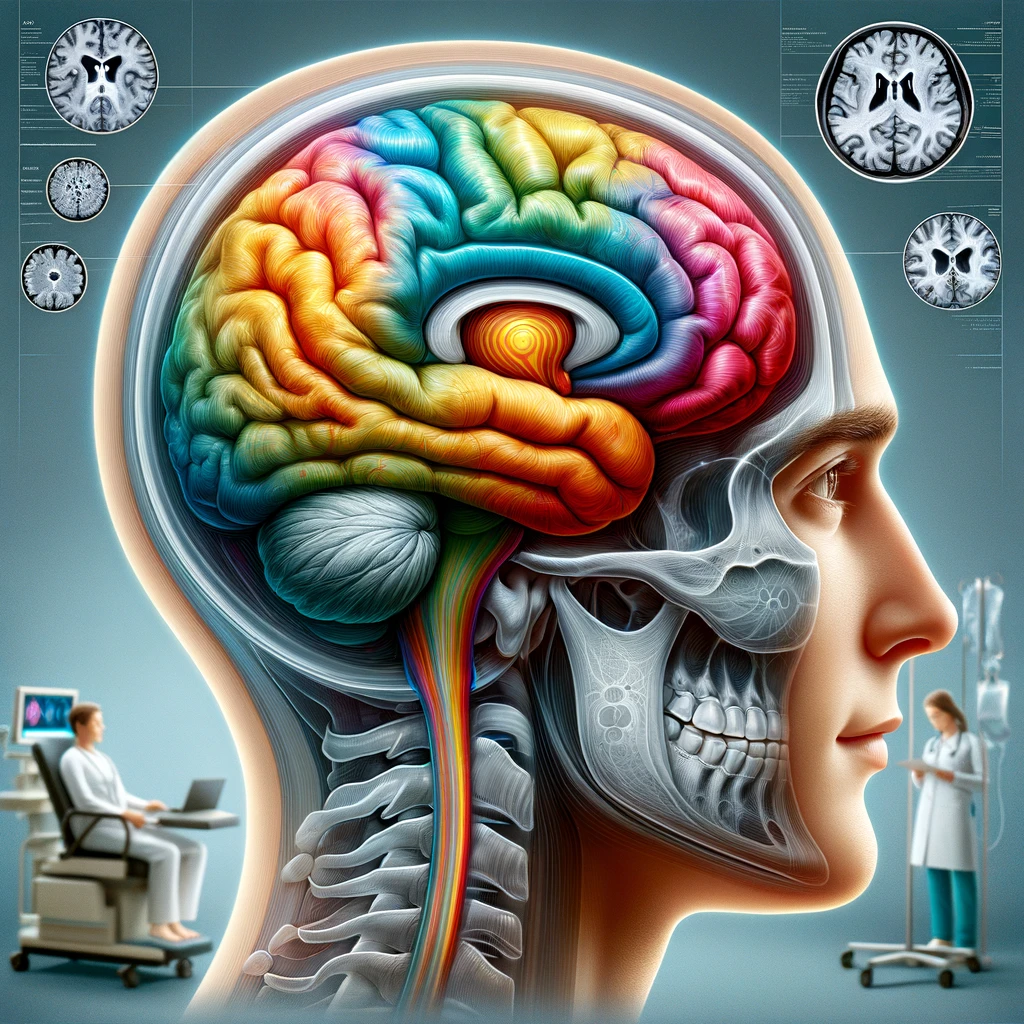

- Overview of dissociative symptoms in FND
- Neurobiological and psychological mechanisms
- Diagnostic criteria and clinical presentation
- Assessment tools and differential diagnosis
- Treatment approaches and patient outcomes
In the context of Functional Neurological Disorder (FND), dissociative symptoms represent a complex and frequently misunderstood aspect of the condition. These symptoms, which may manifest as disruptions in a person’s sense of identity, memory, consciousness, or perception, are often key features in the clinical presentation of FND. Many individuals with FND experience episodes in which they feel disconnected from their body or environment, a phenomenon often described as depersonalisation or derealisation. Other dissociative experiences may include amnesia for personal information or behavioural episodes where control feels lost, yet without underlying neurological damage.
Dissociation in FND can arise spontaneously or be triggered by psychological stressors. It may also co-occur with other symptoms such as non-epileptic seizures, motor disturbances, and sensory abnormalities. These dissociative experiences are not intentionally produced and must not be confused with malingering or factitious disorder. Rather, they emerge involuntarily and are usually distressing for the individual affected. This distinction is crucial during clinical evaluation, where empathetic communication is essential to building trust and ensuring accurate diagnosis and support.
The variability and subjectivity of dissociative symptoms make them challenging to define, often contributing to diagnostic uncertainty. Nevertheless, they are increasingly recognised as integral to understanding the broader symptom profiles found in FND. A growing body of research highlights how psychological mechanisms, such as early life trauma, chronic stress, and maladaptive response patterns, may contribute to the development and maintenance of dissociative symptoms within the FND framework.
Clinicians need to be attuned to the presence of dissociative features as part of a thorough clinical assessment. Proper identification not only aids in differentiating FND from other neurological conditions but also provides valuable insight into the patient’s lived experience, paving the way for more tailored therapeutic interventions.
Neurobiological and psychological mechanisms
Emerging research into Functional Neurological Disorder (FND) has identified a complex interplay of neurobiological and psychological mechanisms that contribute to the development of dissociative symptoms. From a neurobiological perspective, alterations in brain networks responsible for self-awareness, sensorimotor integration, and emotion regulation are commonly observed in individuals with FND. Functional imaging studies have demonstrated abnormal activity in areas such as the anterior cingulate cortex, insula, and temporoparietal junction, which are associated with body perception and the integration of internal and external stimuli. These disruptions may help explain experiences such as depersonalisation, where patients report feeling detached from their physical body, or derealisation, where the external world feels unreal or distorted.
Psychological mechanisms also play a significant role in dissociative processes within FND. A history of trauma, particularly during childhood, is frequently reported in patients and is thought to contribute to disruptions in the development of integrated self-representation and emotional regulation. Maladaptive coping strategies, such as avoidance and suppression of distressing emotions, may become ingrained and contribute to the emergence of dissociative symptoms under stress. These mechanisms can become automatic over time, leading to involuntary responses that may manifest physically, such as non-epileptic seizures, functional movement disorders, or sensory deficits.
Cognitive models of dissociation propose that intense emotional arousal or stress may overwhelm an individual’s capacity for self-regulation, resulting in a temporary disconnection between cognitive, emotional, and bodily processes. This disconnection can produce symptoms that mimic neurological pathology, complicating the clinical evaluation process. Furthermore, the inability to integrate traumatic experiences cognitively may lead to fragmented memory and identity disturbances commonly seen in patients with dissociative features.
There is growing interest in the role of attention and expectation in FND. The predictive processing framework suggests that dissociative symptoms may result from a mismatch between top-down beliefs and bottom-up sensory inputs, leading to altered perceptions of self and body. In this context, psychological mechanisms such as heightened suggestibility or attentional bias towards bodily sensations can amplify symptoms and reinforce distressing experiences.
The neurobiological and psychological underpinnings of dissociation in FND underscore the importance of a multidisciplinary approach to diagnosis and treatment. Understanding these mechanisms can inform clinical evaluation strategies, ensuring that interventions are both empathetic and evidence-based. Continued research is essential to clarify these complex interactions and to develop targeted approaches for managing dissociative symptoms in FND.
Diagnostic criteria and clinical presentation
In clinical evaluation, the diagnostic criteria for Functional Neurological Disorder (FND) involving dissociative symptoms primarily focus on the presence of symptoms that cannot be explained by structural neurological disease, and which are considered to be associated with psychological mechanisms. The current diagnostic framework, as outlined in classifications such as the DSM-5, emphasises positive clinical features rather than diagnosis by exclusion. For dissociative subtypes of FND, typical symptoms include non-epileptic seizures, episodes of altered awareness, dissociative amnesia, and disturbances in sense of self or reality, such as depersonalisation and derealisation.
Clinically, patients may present with sudden episodes of unresponsiveness or convulsive movements that mimic epileptic seizures but are not accompanied by EEG abnormalities. These non-epileptic attacks often occur in the context of emotional distress or conflict and may include features like prolonged duration, fluctuating muscle tone, closed eyes with active resistance to opening, and a lack of post-ictal confusion. Dissociation is further suggested when patients describe sensations of detachment, such as feeling disconnected from their body or surroundings, or when they experience significant gaps in memory that cannot be attributed to neurological disease.
Another clinical presentation seen in dissociative forms of FND is identity disturbance or a fragmented sense of agency, where patients may report actions or speech that feel beyond their control. Motor and sensory symptoms, such as limb weakness, tremor, or altered sensation, may also appear in a way that is inconsistent with known neuroanatomical pathways, suggesting a functional rather than structural origin. These symptoms often fluctuate in severity and may improve temporarily with distraction or when the patient is unaware of being observed, which can serve as a diagnostic clue in the clinical setting.
Importantly, patients with dissociative FND typically do not produce symptoms intentionally. The involuntary nature of symptoms distinguishes FND from factitious disorder or malingering, conditions where there is conscious symptom fabrication. Accurate recognition of the core features through sensitive and skilled clinical evaluation is essential to avoid misdiagnosis and to initiate appropriate treatment planning.
Many patients initially undergo extensive investigations to rule out conditions such as epilepsy, multiple sclerosis, or other neurological diseases, often resulting in delayed diagnosis and increased patient distress. A common feature in dissociative presentations is a mismatch between subjective experiences and objective findings on examination. For example, a patient may exhibit intermittent paralysis or a speech disturbance that resolves in specific contexts, suggesting non-organic origins.
The varied and often dramatic presentation of dissociative symptoms within FND can pose significant diagnostic challenges. However, with enhanced awareness and training, clinicians are increasingly better equipped to identify these features. Emphasising a biopsychosocial perspective during diagnosis helps validate the patient’s experience while steering away from outdated dualistic notions of “real” versus “imagined” illness. This approach fosters a therapeutic alliance grounded in empathy and clarity, ultimately leading to more constructive clinical encounters and improved patient outcomes.
Assessment tools and differential diagnosis
Assessment of dissociative symptoms in Functional Neurological Disorder (FND) requires a nuanced, multi-dimensional approach that integrates patient-reported symptoms, clinical observation, and structured diagnostic tools. Given the overlap of FND with other psychiatric and neurological conditions, accurate identification depends heavily on a detailed clinical evaluation guided by a biopsychosocial framework. Standardised instruments can aid in differentiating dissociative FND from other presentations by highlighting specific symptom patterns and psychological mechanisms.
Several tools are commonly used in the assessment process. The Dissociative Experiences Scale (DES) is a widely used self-report questionnaire that evaluates the frequency and intensity of dissociative experiences, including amnesia, depersonalisation, and derealisation. Patients with high DES scores may require further assessment to determine whether these symptoms are integral to their FND presentation or indicative of another dissociative disorder, such as Dissociative Identity Disorder. The Structured Clinical Interview for DSM-5 Dissociative Disorders (SCID-D) can offer additional insight, especially in complex or diagnostic-questionable cases. These tools help clinicians anchor subjective symptoms in objective frameworks during clinical evaluation.
It is essential to conduct a thorough differential diagnosis to distinguish dissociative FND from conditions such as epilepsy, psychotic disorders, or neurodegenerative diseases. For example, in cases presenting with seizure-like activity, video-EEG monitoring is often key to differentiating non-epileptic attacks from epileptic seizures. Non-epileptic events typically lack the electrographic changes seen in epileptic seizures and may be preceded by stress or emotional triggers, further pointing toward dissociation and psychological mechanisms as underlying factors.
Functional imaging and neuropsychological testing may also be considered, particularly when dissociative symptoms co-exist with cognitive complaints. Patterns of inconsistency in performance across different cognitive tasks can indicate functional impairment, whereas organic brain diseases tend to show more consistent deficits. Simultaneously, a high degree of suggestibility, emotional detachment during symptoms, and incongruence with known neurological pathways can support the diagnosis of dissociative FND.
The differential diagnosis must also take into account psychiatric conditions such as major depressive disorder, generalised anxiety disorder, and post-traumatic stress disorder, which frequently occur comorbidly. In these cases, dissociation may be secondary to overwhelming affective or traumatic experiences. Collaborating with mental health professionals during clinical evaluation allows for a clearer understanding of the patient’s psychological landscape and assists in formulating appropriate treatment plans.
Moreover, clinician awareness and sensitivity are critical during assessment. Many patients with FND have previously undergone extensive and inconclusive investigations, which can lead to feelings of frustration or invalidation. Building rapport and validating the patient’s experience without prematurely attributing symptoms to stress or emotional causes helps to establish trust. A trauma-informed approach is particularly relevant, as early life adversity and unresolved psychological trauma frequently underpin dissociative symptoms in FND.
While no single test can definitively diagnose dissociative FND, the integration of patient history, observational data, psychological assessment tools, and exclusion of organic pathology provides a reliable pathway to accurate diagnosis. Early recognition through structured assessment not only mitigates the risk of misdiagnosis but also facilitates early intervention strategies aimed at improving function, reducing symptom distress, and enhancing overall quality of life.
Treatment approaches and patient outcomes
Treatment for dissociative symptoms in Functional Neurological Disorder (FND) often requires a multidisciplinary and individualised approach focused on both the psychological mechanisms and functional impairments associated with the condition. Central to effective intervention is the therapeutic relationship, which plays a key role in engaging patients and fostering a sense of trust and validation. Many individuals with FND have experienced previous encounters with healthcare systems that felt dismissive or invalidating, making collaborative communication essential from the outset of any treatment programme.
Psychoeducation serves as the critical first step and is integral during clinical evaluation. Helping patients understand the nature of FND and dissociation, particularly the role of involuntary psychological mechanisms, can reduce distress and promote engagement with treatment. This process not only demystifies symptoms but also reorients patients and families away from a purely neurological disease model, allowing for a more holistic view of recovery.
Psychological therapies form the cornerstone of treatment for dissociative symptoms. Cognitive behavioural therapy (CBT) is commonly employed to target maladaptive thinking patterns and behaviour cycles that may perpetuate symptoms. It can also help patients build resilience against stress and develop strategies to manage dissociative experiences. For individuals with a history of trauma or complex PTSD, trauma-focused interventions such as eye movement desensitisation and reprocessing (EMDR) or trauma-informed CBT may be beneficial by addressing core issues that contribute to dissociation.
Psychodynamic and mindfulness-based therapies have also gained traction in the treatment of dissociative FND. These approaches focus on increasing self-awareness, emotional regulation, and present-moment engagement, which can aid in integrating disconnected aspects of experience often seen in dissociation. Encouraging grounding techniques and body-based awareness strategies are particularly useful for patients who report depersonalisation or sensation of detachment from their physical self.
For some individuals, group therapy provides an additional layer of support, offering a safe environment to share experiences, reduce isolation, and develop social coping strategies. Integrating physiotherapy and occupational therapy into the treatment plan ensures that physical symptoms do not dominate the clinical picture and that recovery is addressed from a functional perspective. These allied health professionals are instrumental in graded motor retraining and adaptive functioning, a process that supports patients in reclaiming control over physical symptoms without reinforcing unhelpful illness behaviours.
Pharmacological treatment may be indicated in cases where comorbid conditions such as depression, generalised anxiety disorder, or PTSD significantly impact the patient’s wellbeing. While no specific medication treats dissociation itself, managing underlying mood or anxiety issues can indirectly reduce dissociative episodes. Close monitoring is necessary to ensure that medication use does not contribute to dissociative symptoms or reinforce a somatic emphasis in treatment.
Patient outcomes can vary widely, influenced by factors such as duration of symptoms before diagnosis, the presence of comorbidities, and access to skilled clinical intervention. Early diagnosis and appropriate referral significantly improve prognosis. Research suggests that patients who engage consistently in psychological treatment and receive comprehensive support across domains tend to show significant improvement in both symptom reduction and functional capacity.
However, persistent symptoms can occur, particularly in individuals with longstanding dissociation or unresolved traumatic histories. In such cases, treatment may shift focus toward enhancing quality of life and developing adaptive coping strategies rather than full symptom resolution. Long-term follow-up and continuity of care are often necessary to maintain progress and prevent relapse, especially during periods of acute stress or life transitions.
Successful intervention for dissociative symptoms in FND demands a flexible, integrative approach that is sensitive to psychological mechanisms and informed by thorough clinical evaluation. Supporting patients through recovery entails acknowledging the legitimacy of their symptoms, providing a coherent treatment narrative, and addressing the complex interplay between mind, body, and experience that underpins the disorder.