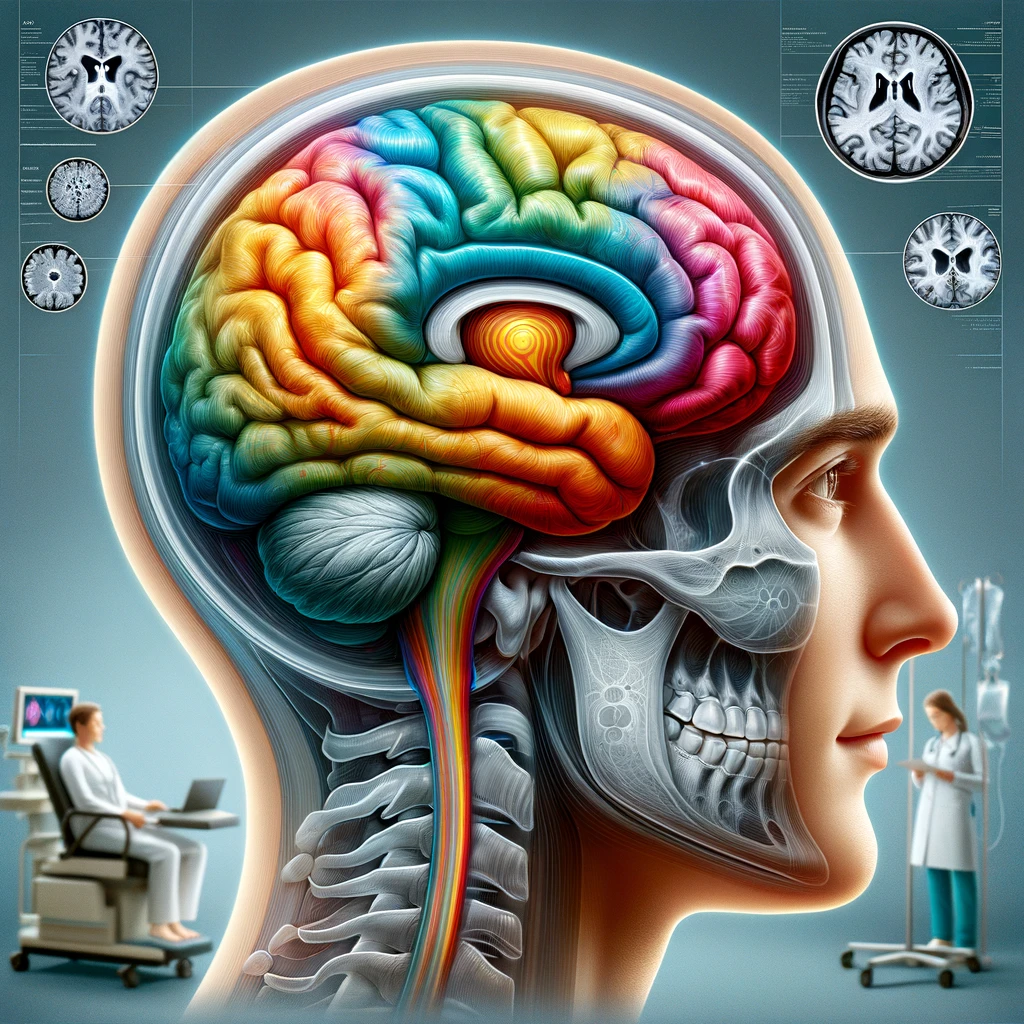

- Understanding functional neurological disorder (FND)
- Digital technology in healthcare
- Educational app features for FND patients
- Benefits of apps for FND management
- Future directions in FND patient education technology
Functional neurological disorder (FND) is characterised by neurological symptoms that cannot be explained by traditional neurological or medical conditions. These symptoms, which may include seizures, limb weakness, spasms, or cognitive difficulties, are believed to result from problems in the brain’s function rather than its structure. The exact causes of FND are yet to be definitively identified, though they are thought to involve a complex interplay of neurological, psychological, and environmental factors. As such, patients often experience significant challenges in receiving a proper diagnosis and appropriate treatment.
The understanding of FND has evolved significantly in recent years, leading to increased awareness about the condition among both clinicians and patients. This shift has been complemented by the integration of digital tools and mobile apps aimed at enhancing patient education and management. Such resources provide patients with access to valuable information about their condition, promote self-awareness, and empower them to actively participate in their care. By adopting these technologies, healthcare providers can improve communication and support, ultimately helping patients navigate their journey with FND more effectively.
Digital technology in healthcare
Digital technology has become a cornerstone in the transformation of healthcare, offering innovative ways to improve patient outcomes and streamline medical services. With the rise of mobile apps and online platforms, patients now have greater access to medical information and support than ever before. This shift towards digital solutions is particularly beneficial for conditions like functional neurological disorder (FND), where traditional diagnostic and therapeutic approaches often fall short. Through digital technology, patients can easily access educational resources, track their symptoms, and connect with healthcare providers in real-time, fostering better management of their condition.
The adoption of digital tools in healthcare facilitates a more personalised patient experience. Mobile apps, for instance, can be tailored to meet the specific needs of FND patients, providing tools for symptom monitoring, real-time communication with healthcare professionals, and educational content that enhances understanding and awareness of the disorder. This readily available information enables patients to take proactive steps in managing their health, potentially leading to improved outcomes and quality of life.
Moreover, digital technology encourages collaboration between patients, clinicians, and caregivers, creating a more integrated approach to healthcare. By using mobile apps and other digital platforms, healthcare providers can gain deeper insights into a patient’s day-to-day experiences, allowing them to fine-tune treatment plans and make better-informed clinical decisions. This collaborative model not only supports the delivery of personalised care but also cultivates a stronger patient-clinician relationship, essential for navigating the complexities of FND.
Educational app features for FND patients
To effectively support FND patients, educational apps must incorporate several key features tailored to their unique needs. One essential component is the inclusion of comprehensive educational material about FND, which can help demystify the condition for both patients and their families. These resources should explain common symptoms, potential triggers, and available treatment options in an accessible language. This enhanced understanding fosters greater awareness and encourages patients to engage actively with their healthcare journey. Additionally, having content that is periodically updated ensures users receive the most current insights and medical advice.
Interactive elements within apps can significantly enhance user engagement by making learning more dynamic. Features such as quizzes, videos, and interactive diagrams help solidify knowledge while catering to diverse learning preferences. Moreover, apps that incorporate symptom tracking tools allow patients to record and monitor their symptoms over time. This not only aids in identifying patterns and triggers but also provides valuable data that can be shared with healthcare providers, facilitating more informed clinical decisions.
Real-time communication capabilities are another pivotal feature. By enabling patients to connect instantly with medical professionals or support groups, apps can provide timely reassurance and guidance. This function is particularly beneficial in managing sudden or severe symptoms, offering patients a digital lifeline and a sense of continuous support. The inclusion of motivational elements, like achievement badges for completing educational modules or tracking milestones, can further encourage patients to remain engaged with the app.
Customisation is a crucial factor in the success of educational apps for FND patients. Allowing users to personalise their experience based on their specific symptoms and needs can enhance the app’s relevancy and usability. This might involve selecting preferred notification settings, language options, or choosing which aspects of FND they wish to explore in depth. Personalisation ensures that the digital tools remain as relevant as possible to the user’s individual journey.
Integrating mental health support into these apps can address the psychological aspects of FND, which are often intertwined with physical symptoms. Cognitive-behavioural strategies, mindfulness exercises, and access to counselling services can be embedded to offer holistic support. By prioritising interactive, personalised, and comprehensive features, educational apps can serve as powerful allies for FND patients, empowering them to take control of their healthcare experience and potentially improve both their condition and quality of life.
Benefits of apps for FND management
The integration of apps for the management of functional neurological disorder (FND) offers numerous benefits by leveraging digital tools designed to enhance patient experience and outcomes. One of the primary advantages is the increased accessibility to information, which can significantly boost patient awareness. With just a few taps on their mobile devices, users can access a wealth of resources about FND, including symptom descriptions, management techniques, and the latest research findings. This ubiquitous access to tailored education helps demystify the disorder, empowering patients to participate more actively in their care.
Another critical benefit is the ability of apps to provide personalised support and tracking. For FND patients, who often experience fluctuating symptoms, being able to monitor their condition through mobile apps offers a powerful tool for self-management. These apps can track symptoms, identify potential triggers, and even alert healthcare providers if intervention is necessary. The continuous collection of data allows for a detailed analysis, enabling better communication between patients and clinicians and facilitating more responsive, customised treatment plans.
Apps also foster a sense of community amongst FND patients by providing platforms for communication and support. Many apps include features that allow users to join forums or groups where they can share experiences, coping strategies, and encouragement. This community connection can reduce feelings of isolation and provide a support network that enhances both emotional and physical wellness.
Moreover, the real-time insights gained from symptom tracking apps support proactive management strategies. Patients can receive reminders for medications or therapies, helping them adhere to their treatment protocol more effectively. This feature not only minimises the risk of flare-ups but also promotes long-term health maintenance by ensuring patients consistently engage with their prescribed care routines.
Furthermore, the ability of apps to provide interactive educational content can substantially enhance patient engagement. By incorporating features such as quizzes, videos, and interactive symptom checkers, these digital tools cater to various learning styles and make the information more engaging and memorable. This heightened engagement not only increases understanding but also motivates patients to continue interacting with the app and taking an active role in managing their health. Ultimately, the integration of these features within digital platforms transforms the way FND is managed, offering patients a comprehensive, user-friendly toolkit that supports both their education and everyday health experiences.
Future directions in FND patient education technology
The future of patient education technology for those with functional neurological disorder (FND) will likely see significant advancements driven by digital tools and mobile apps, creating opportunities for transformative change. A key area for development is the integration of advanced data analytics and artificial intelligence. These technologies could offer more personalised treatment plans by analysing data from a variety of sources, including patient-reported outcomes and wearable devices, which track physiological markers. This analysis could enable healthcare providers to identify patterns or triggers that were previously undetectable, allowing for more targeted and effective interventions.
Another promising direction is the enhancement of virtual reality (VR) and augmented reality (AR) applications tailored for FND education and therapy. These immersive technologies can provide interactive simulations that educate patients about their condition in a more engaging way. For example, VR experiences could help patients understand the physiological processes behind their symptoms or provide a controlled environment for practicing therapeutic techniques, such as relaxation or movement exercises, that may help manage FND symptoms.
The use of gamification in mobile apps may also play a critical role in improving patient engagement and adherence to treatment regimens. Incorporating game-like elements, such as achieving levels or earning rewards for completing educational modules or therapy exercises, can make the learning process more enjoyable and motivating. This approach not only increases engagement with educational content but could also foster a greater sense of agency in patients as they work towards managing their condition effectively.
Developing platforms that promote real-time interaction between patients and a broader healthcare ecosystem could enhance the coordination of care. Future digital solutions might include comprehensive portals that allow easy access to multidisciplinary teams, offering patients swift advice without long waiting times. Such portals could also facilitate telehealth consultations, ensuring timely intervention and continuous support, fostering a sense of connection and guidance for patients.
Furthermore, as digital literacy continues to rise globally, there is potential for greater outreach and inclusivity. By designing apps and tools that are accessible and user-friendly, regardless of a patient’s technological background or socio-economic status, the scope of impact can be broadened significantly. Simplifying interfaces and providing multilingual support can ensure these technological benefits reach a diverse population, promoting a wider awareness of FND and enhancing the management of the condition on a global scale.
The integration of blockchain technology may also transform how patient data is stored and shared. With enhanced privacy and security features, blockchain can provide patients with control over their own medical data, allowing them to share securely with chosen healthcare providers while ensuring data integrity. This transparency and trust can encourage more patients to engage with digital healthcare solutions, furthering the reach and effectiveness of FND education technologies.
As digital innovation continues, the landscape of FND patient education is poised to become more dynamic and inclusive. These advancements will enable more personalised and effective management strategies, promoting a deeper understanding and improved quality of life for patients worldwide. Through continued innovation and collaboration, digital tools and mobile apps can drive the future of FND care, making education and empowerment more accessible than ever before.