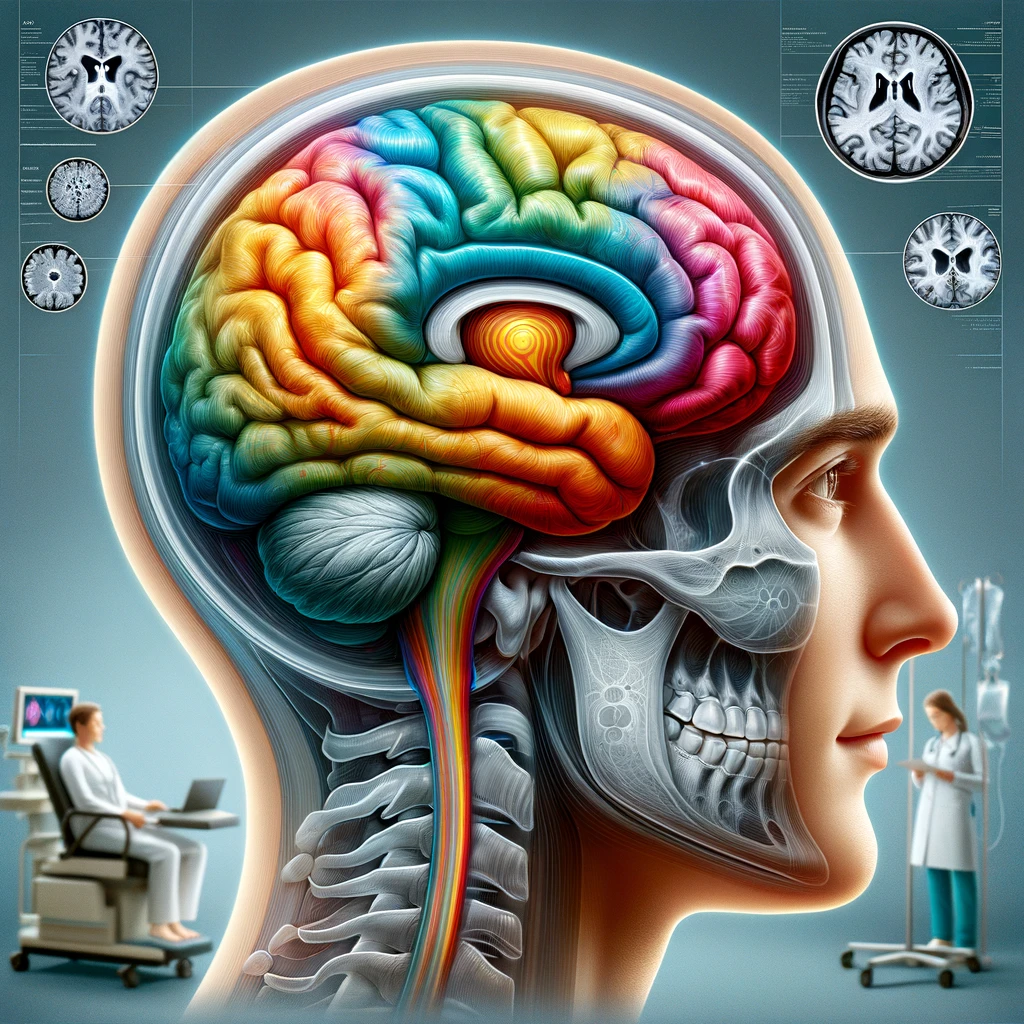

Motor changes in functional neurological disorder often appear as sudden or fluctuating problems with strength, coordination, or control. People may notice a limb that feels heavy, clumsy, or “not responding,” episodes of the leg giving way, or difficulty initiating movements despite having enough muscle power. This pattern is sometimes called functional weakness, and it can be more noticeable during certain tasks, unpredictable across the day, and influenced by attention or stress.
Abnormal movements can include tremor, jerks, spasms, or sustained postures that resemble dystonia. A functional tremor commonly varies in speed and intensity, may shift from one body part to another, and can lessen when attention is diverted or when the rhythm is matched to another movement. Jerky movements might occur in bursts, be triggered by startle or position changes, and alternate with stretches of normal control. Muscle tightness or fixed postures can develop after a painful cramp or minor injury and then persist, even though the underlying nervous system wiring is intact.
Walking changes are frequent and may be described as a gait disorder with marked sway, knee buckling, veering to one side, or a stop–start pattern that makes forward steps feel unsafe. Some people feel as if they are “walking on ice,” taking very short steps with stiff posture, yet can move more freely when running, walking backward, or when their attention is on another task. The mismatch between effort and outcome, and the variability across situations, are typical hallmarks of these motor FND symptoms.
Symptoms often fluctuate from hour to hour or day to day. Fatigue, pain, and heightened self-monitoring can amplify motor difficulties, while distraction or external rhythm may temporarily improve them. Motor symptoms can coexist with other neurologic-style complaints such as sensory changes or dizziness, yet standard scans and nerve tests may be normal because the challenge lies in movement control rather than structural damage.
These features can meaningfully affect daily function by increasing the risk of near-falls, limiting endurance, and reducing confidence in movement. Recognizing the internal inconsistency and variability of motor patterns—such as a tremor that changes with focus or a leg that gives way yet proves strong in other contexts—helps distinguish functional movement problems from those caused by progressive tissue damage and supports pathways to targeted rehabilitation.
Sensory changes and pain
Sensory experiences in this condition often involve numbness, tingling, burning, coldness, or a sense that a limb is swollen or wrapped in a tight band, even when appearance and tests are normal. Changes may affect one side of the body or a limb with a crisp edge at the midline, or feel like a glove or stocking pattern that does not match a single nerve or spinal level. People might describe areas that alternate between oversensitive and dull, or a moving patch of altered sensation that shifts location over minutes or hours. These patterns reflect changes in how the brain processes and prioritizes signals rather than nerve damage, so sensation may fluctuate with focus, stress, or context.
Some notice a mismatch between what they feel and what they can do, such as reduced light touch but the ability to detect firm pressure, or reduced pinprick with preserved awareness of limb position. Vibrations might seem strong on one trial and faint on the next, and sensation can improve when attention is diverted or when another body part is stimulated at the same time. This inconsistency helps distinguish functional sensory symptoms from disorders caused by structural nerve injury. While the word sensory loss is commonly used, many people actually experience altered or unreliable sensation rather than a complete lack of feeling.
Visual and hearing symptoms can also occur. Vision may blur, narrow into a tunnel, or feel doubled in ways that change with blinking, focusing on a target, or covering one eye. Brightness or patterns might look overwhelming, and busy visual environments can provoke dizziness or a feeling of motion. Hearing can seem muffled on one side in a fluctuating way, with sound sensitivity that makes everyday noises uncomfortable. Tinnitus or intermittent voice distortion may appear during periods of heightened arousal or after poor sleep. These experiences are genuine but typically do not reflect damage to the eyes or ears; rather, the brain is filtering and interpreting sensory information differently.
Pain commonly accompanies these fnd symptoms and may present as burning, stabbing, throbbing, or deep ache in the back, limbs, face, or trunk. It can follow a minor injury or occur without a clear trigger, then persist because of sensitization of the nervous system and protective muscle guarding. Touch that would not usually hurt may become painful (allodynia), and ordinary pain may feel amplified (hyperalgesia). Pain often varies dramatically across the day, flares with stress, poor sleep, or overactivity, and eases when attention is engaged elsewhere. Headaches, including migraine, neck and jaw pain, and pelvic or abdominal pain may coexist, creating a picture of widespread symptoms without a single structural cause.
Fatigue interacts closely with sensory changes and pain. When energy is low, the threshold for discomfort drops, sounds and lights feel harsher, and small tasks can trigger big spikes in pain. Trying to push through a flare may lead to a boom-and-bust cycle that reinforces sensitivity, while long periods of rest can also increase stiffness and vigilance to bodily sensations. Finding a steady activity rhythm helps stabilize perception and pain levels.
It is common for symptoms to intensify when someone is hyper-focused on a body part, worried about harm, or repeatedly checking for changes. Conversely, sensations may normalize during engaging activities, rhythmic movement, or calming breathing, underscoring the role of attention and prediction in perception. Sensory changes can appear alongside motor issues such as functional weakness or tremor, dizziness related to sensory integration, or even functional seizures, yet standard imaging and nerve studies may remain normal because the issue lies in control and processing rather than damage.
Practical strategies often emphasize retraining rather than numbing. Gentle, graded exposure to touch, temperature, and movement helps recalibrate sensitivity: for example, slowly increasing contact with different textures, alternating warm and cool water, or using a vibrating device for brief, predictable intervals while focusing on neutral sensations. Mirror therapy or laterality tasks (quietly identifying left vs. right hands or feet from images) can reduce pain and improve body mapping. Short, regular bursts of movement, paced breathing, and visualization of comfortable sensation support the shift away from protective tension and threat monitoring.
Pain medicines may offer limited benefit when central sensitivity is prominent, so plans often focus on education, sleep regularity, gradual physical conditioning, and stress reduction, along with targeted treatment for coexisting problems such as migraine, irritable bowel, or mood symptoms. Keeping a brief diary of triggers, context, and recovery patterns can reveal links between activity, stress, and symptoms, guiding pacing and flare plans. Collaborative rehabilitation with clinicians familiar with functional neurological disorder can integrate sensory retraining, movement therapy, and cognitive strategies to improve comfort and function over time.
Seizure-like episodes (functional seizures)
Seizure-like events in this condition are commonly called functional seizures, dissociative seizures, or psychogenic nonepileptic seizures (PNES). They are real, involuntary episodes that reflect changes in brain network control rather than the abnormal electrical bursts seen in epilepsy. Episodes can start abruptly or build gradually, often occurring in clusters during periods of stress, pain, or exhaustion, and may vary greatly in length and intensity from one event to the next.
During an episode, movements and awareness can fluctuate. Eyes are often closed and may resist gentle opening, and the pattern of movement can be variable or asynchronous, with side-to-side head shaking, back arching, pelvic thrusting, or whole-body shaking that waxes and wanes. There may be crying, vocalization, or changes in breathing, and some people retain partial awareness, respond to simple cues, or recall parts of the event afterward. Cyanosis is uncommon, and injuries are less frequent than in convulsive epileptic seizures, though falls or muscle soreness can still occur.
Many people notice early warning signs minutes or hours beforehand. These can include a rising sense of anxiety or panic, a wave of heat or cold, lightheadedness, tunnel vision, muffled hearing, tingling or patches of sensory loss, chest tightness, a feeling of detachment (derealization or depersonalization), or legs that suddenly feel weak or wobbly. Triggers vary: stress, interpersonal conflict, pain flares, flashing lights, loud or chaotic environments, hyperventilation, strong smells, or simple fatigue. Medical or school settings, car travel, and transitions between tasks are frequent contexts where episodes arise.
After an event, it is common to feel drained, foggy, or emotional. Post-event fatigue, headache, jaw or limb soreness, and temporary difficulty concentrating or speaking can last minutes to hours. Unlike typical epileptic postictal states, recovery often improves with calm reassurance, a quiet environment, hydration, and grounding, though naps or a slower pace for the rest of the day may be needed.
Several features help clinicians distinguish these events from epileptic seizures: prolonged duration with ebbs and flows, eyes closed with resistance to opening, side-to-side movements or pelvic thrusting, variable responsiveness, and retained recall of parts of the episode. Video-EEG monitoring during an event often shows no epileptic activity, supporting the diagnosis. Because some individuals have both epilepsy and functional seizures, decisions about antiseizure medicines and safety rely on a careful history, exam, and sometimes monitoring data.
Simple first aid focuses on safety and calm. Gently guide the person away from hazards, cushion the head, and loosen tight clothing. Do not restrain limbs or place objects in the mouth. If breathing is noisy or there is drooling, turn the person on their side. Minimize bystander crowding and reduce bright lights and noise. Use brief, steady cues such as “You’re safe; focus on my voice; breathe slowly with me,” and pace breathing through the nose, aiming for a comfortable rhythm. Time the event. Seek urgent care for serious injury, new neurological deficits, prolonged events that do not settle, episodes in water, pregnancy, or if something about the episode is clearly different from usual.
Recognizing and acting on early cues can reduce frequency and severity. When a warning sign appears, sitting down with both feet on the floor, pressing the hands together, and switching to slow diaphragmatic breathing can interrupt escalation. Some find that holding a cool pack, sipping water, rhythmic tapping, or naming five things they can see, four they can feel, three they can hear, two they can smell, and one they can taste anchors attention. Moving to a quieter space, dimming lights, and briefly closing the eyes or focusing on a single point may help. Consistent practice builds confidence in these interruption skills.
A brief record of episodes can clarify patterns. Note time of day, context, triggers, early sensations, duration, actions taken, and recovery time. Over days to weeks, this can reveal links with sleep debt, skipped meals, pain spikes, caffeine, dehydration, or overstimulating environments, guiding targeted changes. Pacing activity to avoid boom-and-bust cycles, maintaining regular meals and hydration, and protecting sleep can decrease overall arousal and lower the likelihood of events.
Education about the diagnosis is a key treatment. Understanding that the events are real yet come from a change in functional control—not structural brain damage—often reduces fear and avoidance. Psychological therapies, such as cognitive behavioral approaches tailored to dissociative seizures and trauma-focused therapy when relevant, teach strategies for managing arousal, catastrophic predictions, and dissociation. Breathing retraining, interoceptive exposure (gradual practice with body sensations that feel threatening), and skills for emotion regulation are common elements.
Rehabilitation can involve physical and occupational therapy to rebuild confidence, balance, and exertional tolerance, especially when episodes occur alongside functional weakness, tremor, or a gait disorder. Therapists may incorporate graded exposure to triggers (for example, light, sound, or crowded spaces), dual-task training to shift attention, and body awareness exercises that promote steady breathing and flexible posture. Medications are targeted to coexisting problems such as migraine, anxiety, depression, or sleep disturbance rather than to the episodes themselves unless epilepsy is also present.
Planning with family, friends, teachers, or coworkers improves safety and reduces unnecessary emergency responses. Share a clear action plan that lists typical warning signs, do’s and don’ts, when to seek help, and preferred grounding cues. At school or work, brief breaks in a quiet area, permission to use sunglasses or noise-reducing headphones, or flexible scheduling can prevent escalation. Driving rules vary by location; many regions require a seizure-free period for functional seizures—confirm local guidance with your clinician.
These episodes often appear alongside other fnd symptoms, including pain, dizziness, sensory changes, and significant fatigue. An integrated plan that addresses sleep, pain management, graded physical conditioning, and stress reduction tends to work best. Over time, consistent practice with early cue recognition, breathing and grounding skills, and gradual re-entry into previously avoided settings can reduce both the number of events and their impact on daily life.
Speech, swallowing, and facial symptoms
Changes in voice and speech can range from a barely audible, whispery voice to intermittent slurring, a stuttering-like pattern, or brief episodes where words feel “stuck.” The hallmark is variability: speech may sound clear when laughing, singing, or speaking on the phone, yet become strained, broken, or breathy in a stressful conversation or when attention is fixed on every word. Some notice that reading aloud is easier than spontaneous speech, or that the first few words in a sentence come out and then the voice fades. Others experience bursts of rapid, pressured speech alternating with pauses, or a rhythm that speeds up and slows down from one moment to the next. These fluctuations reflect a change in the way speech and voice are controlled rather than damage to the vocal cords or language centers.
Voice quality often shifts within minutes or hours, influenced by arousal, pain, and fatigue. A person might speak in a whisper during one part of the day and then produce normal volume later without a clear structural explanation. A common clue is a mismatch between tasks: for instance, a weak or breathy speaking voice alongside a strong, explosive cough or laugh, or smooth singing with strained conversational speech. Stuttering-like disfluencies may appear in clusters, with repetitions and blocks that reduce when attention is divided or when speaking to a rhythm, and increase during performance pressure, phone calls, or public settings.
Swallowing difficulties frequently involve a sense of throat tightness, a lump-like “globus” sensation, or the feeling that liquids “go down the wrong way,” even when swallow studies are normal. People may struggle to initiate a swallow or feel as if food is sticking despite adequate saliva and a clear esophagus on imaging. Symptoms can ebb and flow across meals, and they often flare with anxiety, hyperventilation, or after a coughing spell. Fear of choking can lead to avoidance of certain textures or overly cautious eating, which can paradoxically increase muscle tension and make swallowing feel less coordinated.
Facial symptoms can include a variable droop, jaw tightness, clenching, lip or jaw tremor, or intermittent eyelid closure that resists opening. Weakness may appear on exam when specifically tested yet improve during spontaneous smiling, laughing, or animated conversation. Sensation in the face can feel altered—numb, tingly, or sensitive—without a consistent nerve pattern. These features often coexist with other fnd symptoms such as tremor in the limbs or functional weakness and may shift noticeably with distraction, stress, or reassurance.
Breathing and voice are closely linked. Rapid, shallow breathing or breath-holding ramps up throat tension and can provoke a strained or choked voice, sudden voice loss, or noisy inhalation. Some people experience inducible laryngeal obstruction-like episodes, where the throat feels as if it is closing during exercise, strong smells, or emotional stress. Slowing the breath and switching to a diaphragmatic pattern often reduces laryngeal tightness and makes sound production easier within minutes.
Speech-language therapy focuses on restoring effortless, automatic patterns rather than pushing volume or force. Techniques typically include diaphragmatic breathing, gentle onset of sound, humming, and resonant voice exercises that emphasize buzzing vibrations on the lips or face. Semi-occluded vocal tract tasks—such as straw phonation, lip trills, or softly blowing into a straw while voicing—help rebalance pressure across the vocal folds with minimal strain. Short practice bouts several times a day build consistency, especially when paired with a metronome or tapping to stabilize rhythm during disfluency.
For swallowing discomfort, clinicians often guide graded exposure to textures and sips in a calm setting, starting with easy consistencies and progressing gradually. Small, purposeful bites, mindful chewing, and pausing for one or two relaxed breaths between swallows can reduce defensive tension. Practicing “dry” swallows during the day, sipping water regularly, and setting a comfortable eating pace are helpful. When coughing or throat clearing becomes habitual, substituting a gentle sip, a soft hum, or a slow nasal inhale followed by a relaxed exhale can break the reflex loop without ignoring genuine signs of aspiration.
Facial symptoms respond well to light, frequent retraining. Gentle tension–release cycles—briefly tightening then fully relaxing the forehead, eyes, cheeks, and jaw—improve awareness of overactivity. Mirror feedback can highlight asymmetry that changes with attention and helps guide smooth, small-amplitude movements such as lip pursing, cheek puffing, or alternating wide and soft smiles. Pairing facial movements with a beat, counting aloud, or a simple word or phrase can reduce over-focusing on single muscles and encourage more natural expression.
Daily habits influence symptom intensity. Hydration, steady meal timing, and limiting throat irritants such as frequent throat clearing, shouting, or very dry air support vocal recovery. Pacing conversations—shorter calls, breaks between meetings, or text-based communication during flares—prevents push–crash cycles. Background noise and multitasking raise vocal effort; using quieter rooms, a headset, or face-to-face positioning reduces strain. When allergies, reflux, or mouth breathing contribute to irritation, treating those issues can lower the overall load on the system.
Because symptoms are real and involuntary, validation and clear explanations help reduce fear-based monitoring, which otherwise amplifies tightness and effort. Many people find that symptoms improve when attention shifts externally—speaking while walking at an easy pace, counting steps, or focusing on the listener’s reactions rather than on the sound of their own voice. Combining breathing retraining with gradual reintroduction of previously avoided situations—ordering at a café, reading a short paragraph to a friend—builds confidence and shows that control can return even when stressors are present.
Close coordination among an ENT or laryngologist, a speech-language pathologist, and rehabilitation clinicians familiar with functional neurological disorder streamlines care. This team can rule out structural causes, provide task-specific exercises, and integrate strategies with broader rehabilitation for coexisting issues like pain, dizziness, or gait disorder. With consistent practice and thoughtful pacing, many people regain comfortable, flexible speech and swallowing and reduce the day-to-day impact of these symptoms.
Cognitive and attention difficulties
Cognitive changes often feel like mental “fog,” slowed thinking, or difficulty keeping track of information that would normally be easy. Concentration may fade quickly during reading, conversations, or screen work, and simple tasks can feel effortful when fatigue, pain, or stress are high. Performance is typically variable: one moment you can follow a complex discussion, and the next you lose the thread mid-sentence, especially under time pressure or in noisy, bright environments. This fluctuation mirrors other fnd symptoms and reflects changes in control and prioritization rather than a fixed loss of ability.
Attention problems commonly involve trouble sustaining focus, filtering distractions, and switching between tasks. Multitasking—answering messages while listening to instructions, for example—can cause errors or missed steps. A paradox is that hyper-focusing and monitoring every detail can actually make performance worse; attention becomes sticky and inflexible. Shifting to an external, goal-focused mindset (what needs to be done right now, in what order) often improves flow, while high arousal or threat monitoring narrows attention and increases mental effort.
Memory complaints usually reflect difficulty with working memory and retrieval rather than true memory storage failure. People may forget why they walked into a room, lose track of appointments, or struggle with word-finding, yet later recall details in a different context. Information learned when stressed or distracted can be hard to access on demand, and recall may improve with cues, context, or after a short break. Imaging and standard tests may be normal, and symptoms occur even without structural sensory loss or evidence of degenerative brain disease, highlighting the role of moment-to-moment attention and arousal in how memories are encoded and retrieved.
Brief “blank spells,” detachment, or feeling on autopilot can occur, especially during overload. These dissociative moments may create gaps in awareness that feel like missed time and can coexist with functional seizures. Triggers include heightened anxiety, hyperventilation, sensory overload, or abrupt shifts between tasks. Grounding and paced breathing often reduce the intensity or duration of these lapses and make it easier to re-engage attention.
Cognitive difficulties frequently interact with other symptoms. Pain, dizziness, and fatigue drain attentional resources, and dual-task situations—such as walking while planning the next step—may temporarily worsen balance or increase tremor. People with a gait disorder or functional weakness may notice that thinking hard about movement makes it less automatic, while light external cues or a steady rhythm free up capacity and smooth performance.
Day-to-day effects include slower reading, difficulty following meetings, losing track during conversations, and trouble planning multi-step activities like cooking or managing finances. Noise, cluttered visuals, and constant notifications increase error rates and mental effort. Under time pressure, the brain tends to pick the safest or most familiar option, which can look like indecision or getting stuck rather than a true lack of understanding.
Designing a low-friction environment reduces load on attention. Work on one task at a time, silence nonessential alerts, and keep only the needed window or item in view. Use a quiet space, noise-reducing headphones, or consistent background sound to dampen unpredictable noise. Lay out tools and documents in the order you will use them, and put visual guides (a brief checklist or a single sticky note with the next three steps) where your eyes naturally land.
Pacing prevents the cognitive boom-and-bust cycle. Try short, predictable focus blocks (for example, 20–30 minutes) followed by 3–5 minutes of active rest such as a brief walk, stretching, or slow breathing. Add a longer reset after several cycles. Plan demanding tasks for times of best energy and schedule simpler, routine tasks when fatigue is likely. Build in pre-emptive breaks before meetings or transitions instead of waiting until you are overwhelmed.
External memory supports make recall less effortful. Keep a single trusted calendar and task list, use alarms for start times and check-ins, and standardize where essentials live (keys, wallet, medication). Write “bridging notes” before switching tasks that summarize what was done and the next concrete step. Use short checklists for recurring routines (morning meds, school drop-off, shutting down the computer) to minimize omissions when stressed or distracted. For learning, favor retrieval practice (brief self-quizzes), spaced repetition, and summarizing aloud over re-reading.
Managing arousal helps attention. Use slow, diaphragmatic breathing with a longer exhale than inhale to downshift before and during tasks. Simple grounding—naming a few things you can see, feel, and hear, or briefly cooling the face and hands—reduces the sense of threat and frees cognitive resources. When you notice over-monitoring, shift attention to the outcome (“write three sentences about X”) rather than internal commentary about performance.
Gradual cognitive retraining builds capacity without overload. Start with brief, achievable steps (reading a short paragraph and summarizing it; a five-minute phone call with notes at hand) and extend the duration as consistency grows. Later, carefully introduce light dual-task training to rebuild flexibility—for example, walking at an easy pace while naming categories—then return to single-tasking for complex work. Track effort and symptoms with a simple 0–10 scale to fine-tune dose and avoid push–crash cycles.
Clinicians such as neuropsychologists, occupational therapists, and speech-language pathologists can provide structured strategies for attention, planning, and cognitive-communication skills, and integrate them with rehabilitation for pain, tremor, gait disorder, or functional weakness. Addressing sleep quality, hydration, regular meals, and coexisting conditions like migraine, anxiety, or low mood often reduces background load. With consistent routines, external supports, and graded practice, many people regain dependable focus and memory for everyday tasks even when symptoms fluctuate.