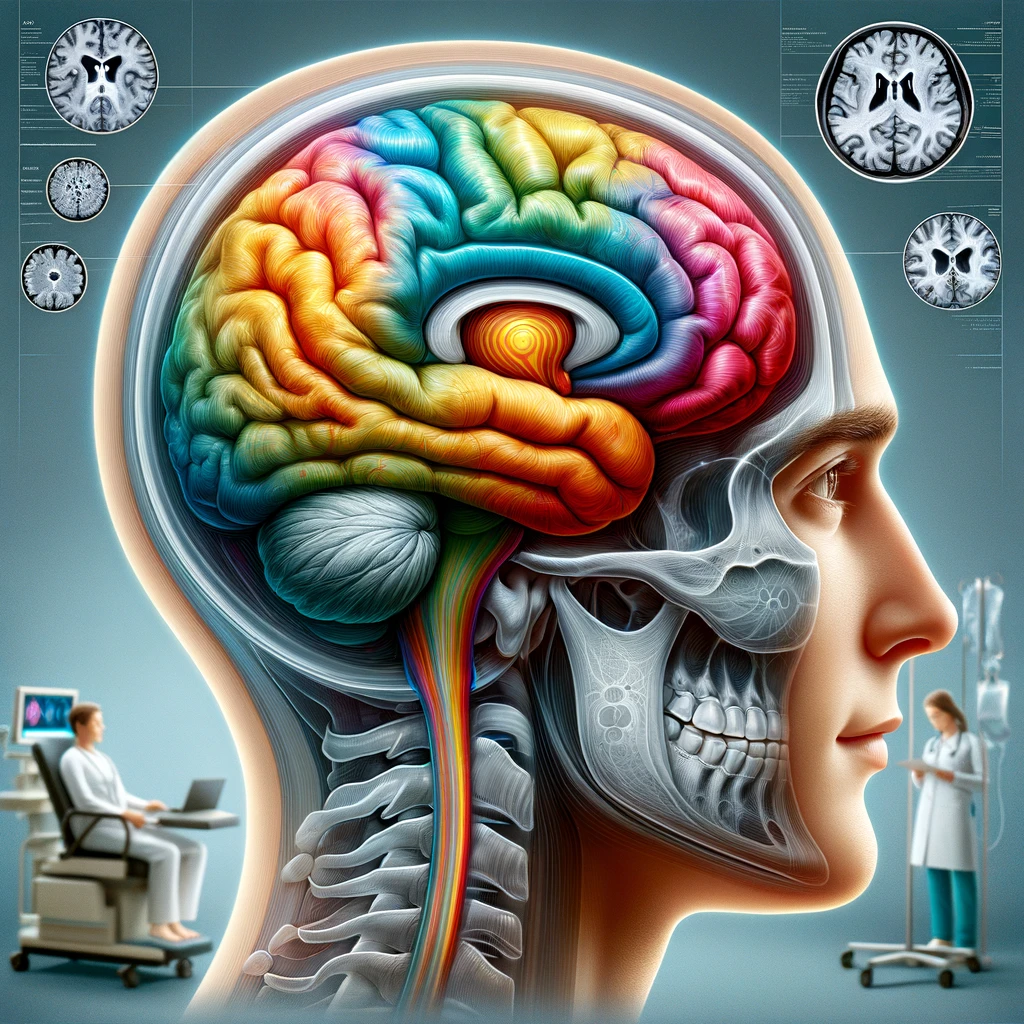

Pain is one of the most common and disabling symptoms reported by people with functional neurological disorder, often rivaling or exceeding the distress caused by motor or sensory symptoms. Epidemiological studies suggest that a majority of individuals with functional neurological symptoms experience chronic pain at some point, with prevalence estimates frequently ranging from 50% to over 70%, depending on the population and the methods used to assess symptoms. Pain may be the primary presenting complaint or it may emerge after the onset of other functional symptoms such as functional seizures, functional movement disorders, or functional weakness. In many clinical cohorts, pain is strongly associated with reduced quality of life, higher health care utilization, and increased functional impairment.
The distribution and type of pain in functional neurological disorder are heterogeneous, reflecting the complex interplay between nervous system function, psychological factors, and social context. Patients commonly report widespread musculoskeletal pain resembling fibromyalgia, localized limb or back pain, neuropathic-like pain with burning or electric shock sensations, or headache syndromes including chronic migraine and tension-type headache. In some cases, pain follows a clear precipitating event, such as an injury, surgery, or acute illness, but persists long after tissue healing should have occurred. In other cases, pain develops insidiously without a clear physical trigger, often in association with periods of heightened stress, mood changes, or sleep disturbance.
Clinical characteristics often include disproportionate pain severity relative to identifiable structural pathology on imaging or physical examination. For example, a patient may report incapacitating back pain with normal spine imaging or pain far exceeding what would be expected from minor degenerative findings. This mismatch can lead to confusion for both patients and clinicians and, if poorly communicated, can reinforce fears of an undiagnosed serious disease. The pain is frequently described as fluctuating in intensity, sometimes dramatically over short intervals, and may migrate from one body region to another. Exacerbations are commonly linked to stress, fatigue, or attention to bodily sensations, whereas distraction, relaxation, and engaging activities may reduce symptom prominence.
Central sensitization is an important clinical concept for understanding pain in functional neurological disorder. Many patients exhibit features suggestive of amplified central pain processing, such as hyperalgesia to mild noxious stimuli, allodynia to normally nonpainful touch, and substantial pain in response to low levels of physical activity. Patients may also describe sensory hypersensitivity more broadly, including intolerance to light, sound, or touch, pointing to a generalized increase in nervous system responsiveness rather than a localized tissue-based pathology. Central sensitization is not unique to functional neurological disorder, but its presence can help explain why pain persists and generalizes even after peripheral triggers have resolved.
Co-occurring functional and pain conditions are extremely common and shape the clinical presentation. Many individuals with functional neurological disorder also meet criteria for fibromyalgia, irritable bowel syndrome, temporomandibular disorder, chronic pelvic pain, or chronic daily headache, conditions often conceptualized as central sensitivity syndromes. This clustering of diagnoses supports the view that shared mechanisms, such as altered sensory processing, autonomic dysregulation, and dysregulated stress response systems, contribute to the overall symptom burden. The overlap can be clinically useful for explaining to patients why they have multiple apparently unrelated symptoms that actually reflect interconnected processes.
From an epidemiologic standpoint, certain demographic and psychosocial patterns emerge. Functional neurological disorder with prominent pain is more often diagnosed in women than men, particularly in young to middle adulthood, though it can occur across the lifespan. Higher rates are seen in individuals with prior adverse life experiences, chronic stress, or histories of other functional somatic syndromes. Socioeconomic disadvantage, lack of access to stable employment, and limited social support can all contribute to greater symptom persistence and severity. Cultural factors influence how pain is described, interpreted, and acted upon, leading to variation in reported prevalence across regions and health care systems.
Psychiatric comorbidities are frequent and have important implications for the expression of pain. Depression, anxiety disorders, post-traumatic stress disorder, and somatic symptom disorder are commonly reported in cohorts of patients with functional neurological symptoms. These conditions can heighten pain perception, diminish coping resources, and contribute to catastrophic interpretations of bodily sensations. Insomnia, fatigue, and cognitive complaints such as difficulties with attention and memory further interact with pain to create a self-reinforcing cycle of disability. In many patients, pain and emotional distress are so intertwined that distinguishing primary drivers becomes clinically challenging, emphasizing the need to treat them as mutually maintaining problems.
Clinically, pain in functional neurological disorder often shows distinctive patterns of relationship to attention, emotion, and context. Symptoms may worsen in medical settings, during discussions of diagnoses or prognoses, or when patients anticipate movement or activity that they expect to be painful. Conversely, pain may decrease when attention is absorbed in engaging tasks, social interactions, or enjoyable activities. These context-dependent fluctuations do not imply that symptoms are imagined or under voluntary control; rather, they reflect how neural circuits that process pain are modulated by focus of attention, expectation, and emotional state.
Motor and sensory functional symptoms can significantly modify how pain is experienced and expressed. Patients with functional weakness or gait disturbance may develop secondary musculoskeletal pain due to altered movement patterns, deconditioning, and prolonged inactivity. Those with functional dystonia or tremor may report intense limb pain associated with sustained abnormal postures or excessive muscle activation. Sensory symptoms such as numbness, tingling, or nondermatomal sensory loss may coexist with pain in the same region, complicating the sensory picture. Clinicians often find that the pattern of pain maps more closely onto functional symptom distributions than to traditional dermatomal, myotomal, or peripheral nerve territories.
Health care utilization patterns underscore the clinical impact of pain in functional neurological disorder. Many patients undergo extensive diagnostic testing and multiple specialist evaluations before a functional diagnosis is clearly articulated and accepted. Repeated emergency department visits for severe pain, frequent changes in medications, and trials of invasive procedures without lasting benefit are common in retrospective studies. This diagnostic odyssey contributes to frustration, mistrust, and, in some cases, iatrogenic harm, particularly when the focus remains narrowly on structural explanations for pain while functional mechanisms go unaddressed.
The chronicity and variability of pain contribute to complex functional outcomes. Some individuals maintain employment and social roles despite high symptom burden, often at substantial personal cost and with frequent flare-ups. Others experience progressive withdrawal from work, school, and leisure activities, leading to physical deconditioning and worsening disability. Patterns of avoidance of movement, reduced exercise, and protection of painful body parts, although understandable, can inadvertently sustain or exacerbate pain over time. These behavioral adaptations become part of the clinical picture and later targets for multidisciplinary rehabilitation interventions.
Another notable clinical characteristic is the interplay between pain and illness beliefs. Patients may hold strong convictions that pain signals ongoing damage or a missed disease, particularly when they receive inconsistent explanations from different clinicians. Statements such as “nothing is wrong” or “it is all in your head” can be experienced as invalidating and may intensify distress and symptom vigilance. In contrast, explanations that acknowledge the reality of pain while describing functional changes in how the nervous system processes signals tend to support better engagement in biopsychosocial treatments. The degree to which patients can integrate such explanations into their own understanding often shapes the clinical trajectory.
Variability in symptom onset and course is also important epidemiologically. In some individuals, pain and other functional neurological symptoms emerge abruptly after a single identifiable event, while in others there is a gradual accumulation of symptoms over months or years. Remissions and relapses are common; stressors, physical illness, and psychosocial upheaval frequently precede symptom exacerbations. Longitudinal studies indicate that pain tends to be one of the more persistent symptoms, even when other functional neurological manifestations partially improve, highlighting its central role in long-term disability.
In clinical practice, the characterization of pain in functional neurological disorder extends beyond location and intensity to include temporal pattern, triggering and relieving factors, associated functional symptoms, and the broader psychosocial context. Careful attention to these features reveals consistent themes: high symptom burden, central sensitization phenomena, frequent comorbidity with other functional and pain conditions, significant psychological overlay, and substantial impact on daily functioning. This pattern helps differentiate pain within functional neurological disorder from pain primarily driven by focal structural lesions, even when both may coexist in a given patient.
Neurobiological and psychosocial mechanisms underlying pain in functional neurological disorder
Understanding how pain arises and persists in functional neurological disorder requires an integrated view of neurobiology and psychosocial processes rather than a search for a single lesion or defect. Contemporary models emphasize alterations in brain networks responsible for sensory processing, emotion regulation, motor control, and attention, all operating within the context of an individual’s life history, expectations, and coping responses. Pain is conceptualized as an emergent experience shaped by prediction, appraisal, and learning, with functional neurological disorder representing a state in which these processes become dysregulated and self-reinforcing.
A core neurobiological concept is that of predictive coding or Bayesian brain frameworks, which propose that the brain continuously generates expectations (predictions) about incoming sensory information and then updates these predictions based on actual input. In functional neurological disorder, pain can arise when prior expectations and threat signals carry excessive weight compared with sensory evidence. Heightened anticipation of harm, amplified by previous experiences of injury or illness, increases the brain’s prediction that bodily sensations are dangerous, tipping perception toward pain even when peripheral input is modest. This imbalance helps explain why minor stimuli or normal bodily sensations can be interpreted as intensely painful and why pain may persist in the absence of ongoing tissue damage.
Functional neuroimaging studies in related conditions, including chronic pain and functional neurological symptoms, consistently demonstrate altered activity and connectivity in brain regions involved in salience detection and emotion, such as the anterior cingulate cortex, insula, amygdala, and prefrontal cortices. These regions play a crucial modulatory role in how nociceptive signals are filtered, prioritized, and consciously experienced. Overactivation of salience networks can heighten the subjective importance of pain signals, while reduced top-down inhibitory control from prefrontal regions may impair the brain’s capacity to dampen or reframe pain. In some patients with functional neurological disorder, motor and sensory areas show abnormal patterns of activation even when movement or stimuli are imagined, suggesting that altered internal representations can drive real bodily sensations and symptoms.
Central sensitization serves as a bridge between peripheral and central mechanisms of pain in functional neurological disorder. At the spinal and supraspinal levels, repeated or intense nociceptive input can lead to long-lasting changes in synaptic strength and neuronal responsiveness. These changes manifest clinically as lowered thresholds for pain, expansion of receptive fields, and persistence of pain after the resolution of injury. Neurochemically, central sensitization involves enhanced excitatory neurotransmission (e.g., glutamatergic signaling via NMDA receptors), reduced inhibitory GABAergic and glycinergic tone, and neuroinflammatory processes mediated by glial activation. In functional neurological disorder, central sensitization may be sustained not only by physical triggers but also by cognitive and emotional factors that maintain heightened vigilance and muscular tension, even in the absence of ongoing peripheral noxious input.
Autonomic nervous system dysregulation is another key mechanism linking brain, body, and pain experience. Many individuals with functional neurological disorder display patterns of increased sympathetic arousal and reduced parasympathetic (vagal) tone, reflected in symptoms such as palpitations, sweating, gastrointestinal disturbance, and orthostatic intolerance. Chronic overactivation of the sympathetic system can sensitize peripheral nociceptors, promote muscle tension, and impair sleep and recovery, all of which intensify pain. At the central level, sustained autonomic arousal enhances amygdala and insula reactivity, reinforcing defensive responses and pain-related fear. This bi-directional loop—where pain drives autonomic arousal and autonomic arousal amplifies pain—contributes to the persistence and generalization of symptoms.
Stress response systems, including the hypothalamic–pituitary–adrenal (HPA) axis, further modulate pain pathways in functional neurological disorder. Early-life adversity, chronic stress, and trauma have been linked to long-term alterations in cortisol regulation, immune function, and neural development within limbic and prefrontal circuits. These changes can heighten sensitivity to threat, lower thresholds for pain, and impair the capacity to return to baseline after stress. Over time, an individual may develop a physiological phenotype characterized by hypervigilance, muscular bracing, and sleep disruption, all of which serve as substrates for chronic pain. Importantly, these biological changes interact with cognitive schemas and emotional patterns formed in response to earlier experiences, making the stress–pain relationship deeply embedded in the person’s narrative and identity.
Emotion regulation difficulties are prominent in many patients with functional neurological disorder and play a central role in pain modulation. Neural circuits responsible for regulating negative affect—such as the ventromedial prefrontal cortex, anterior cingulate cortex, and hippocampus—are also critical for modulating nociceptive inputs. When these systems are overwhelmed or underdeveloped, emotional distress may be experienced and communicated through bodily symptoms, including pain. Some individuals have limited awareness or language for internal emotional states, a phenomenon often referred to as alexithymia. In such cases, emotional arousal may be more readily translated into somatic sensations, reinforcing a lived experience in which the body “speaks” what cannot be consciously articulated, with pain becoming a primary mode of expression.
Cognitive factors such as attention, beliefs, and expectations exert powerful influence over the neurobiology of pain in functional neurological disorder. Heightened selective attention to bodily sensations increases the fidelity and salience of nociceptive signals in cortical networks, while catastrophizing (for example, interpreting pain as a sign of serious disease or irreversible damage) amplifies activation in fear-related regions such as the amygdala. Repeated cycles of threat appraisal and hypervigilance strengthen neural connections between pain-processing and fear networks, making pain more easily triggered by minor stimuli or even by thoughts and images. Conversely, expectations of relief, reassurance, and safety can activate endogenous pain inhibition systems involving descending pathways from the brainstem, accounting for clinically significant placebo analgesia when trust and understanding are established within the therapeutic relationship.
Learning mechanisms, particularly classical and operant conditioning, shape how pain is encoded and maintained in functional neurological disorder. If intense pain occurs in association with specific movements, settings, or interpersonal contexts, those cues can become conditioned stimuli that later trigger pain even in the absence of ongoing physical harm. Similarly, if rest, avoidance, or certain safety behaviors are consistently followed by short-term pain reduction or decreased anxiety, these behaviors are reinforced, making them more likely to recur. Over time, the repertoire of safe movements narrows, physical capacity declines, and the generalized expectation of pain increases, embedding pain into daily routines and bodily posture. This learned aspect does not diminish the reality of pain; rather, it underscores how plastic pain circuits are and how they respond to patterns of reward and avoidance.
Interpersonal and broader psychosocial contexts further shape the mechanisms of pain perception in functional neurological disorder. Family responses to illness, cultural norms about expressing distress, and previous encounters with the healthcare system inform how individuals interpret and respond to pain. In some environments, physical symptoms may be more acceptable or more likely to elicit support than emotional complaints, subtly reinforcing the expression of distress through pain and other bodily symptoms. At a neurobiological level, social support and validation can buffer stress reactivity and reduce activation in pain-related networks, whereas invalidation, stigma, or repeated experiences of not being believed can heighten limbic activation and sympathetic arousal, thereby worsening pain.
Trauma, including interpersonal violence, neglect, and medical trauma, often plays a particularly potent role in the development and maintenance of pain within functional neurological disorder. Traumatic experiences can leave enduring traces in memory and threat-detection systems, sensitizing the individual to cues that resemble aspects of the original trauma. Bodily sensations associated with autonomic arousal—such as increased heart rate, muscle tightness, or gastrointestinal discomfort—may become linked to fear and helplessness. When such sensations recur, they may be interpreted as signs of current danger rather than as remnants of past events, intensifying pain and other functional symptoms. Neuroimaging research in trauma-related disorders demonstrates structural and functional changes in the hippocampus, amygdala, and prefrontal cortex, providing a plausible mechanistic pathway by which trauma shapes pain processing in functional neurological disorder.
Behavioral patterns, including avoidance of activity and protective movement strategies, reinforce underlying neurobiological vulnerabilities. Reduced physical activity contributes to deconditioning, muscle weakness, and joint stiffness, which in turn increase nociceptive input and reduce the body’s capacity to buffer stress. Protective postures, such as guarding a painful limb or holding the body rigid, can maintain low-level muscle contraction over long periods, generating additional pain and perpetuating central sensitization. These behaviors often emerge as understandable attempts to control or prevent pain but, at the level of neural circuits, they continuously signal threat, preventing the nervous system from recalibrating to a less sensitized state.
Mind–body interventions illustrate the close coupling between psychosocial processes and neurobiological pain mechanisms in functional neurological disorder. Practices such as graded exercise and mindfulness-based approaches have been shown in related conditions to influence autonomic balance, reduce limbic overactivation, and strengthen prefrontal regulatory networks. By gradually exposing the nervous system to safe, tolerable levels of movement and bodily sensation, graded activity can decouple movement from threat and pain expectations. Mindfulness and related skills cultivate nonjudgmental awareness of sensations and emotions, decreasing automatic catastrophizing and interrupting cycles of hypervigilance. Although these are treatment strategies rather than causal mechanisms, their efficacy in modulating neural circuits underscores how malleable pain processing is and how central the interaction between brain, body, and psychosocial context remains in functional neurological disorder.
Assessment and diagnostic challenges in pain-focused functional neurological disorder
Clinical assessment of pain in the context of functional neurological disorder requires a deliberate, structured approach that integrates neurological, pain, and psychosocial evaluation. Rather than being a process of exclusion, the diagnostic workup centers on identifying positive features of functional symptoms, clarifying the contribution of coexisting conditions, and understanding the broader context in which pain has developed and is maintained. This approach helps distinguish pain-focused functional neurological presentations from purely structural pain syndromes and from other functional somatic disorders, while minimizing unnecessary investigations and iatrogenic harm.
A detailed history remains the cornerstone of assessment. Clinicians systematically explore the onset, temporal pattern, location, and quality of pain, as well as associated functional neurological symptoms such as functional seizures, weakness, movement disorders, or sensory changes. Particular attention is paid to fluctuations in symptom intensity, sudden shifts in pain location, and clear links to attention, emotion, or environmental context. For example, pain that worsens with focused attention or in clinical settings but eases during distraction, engaging activities, or sleep is highly informative. A timeline that correlates pain onset with injuries, medical procedures, psychological stressors, or life transitions often reveals meaningful patterns that may not be apparent from isolated symptom descriptions.
Characterizing the relationship between pain and movement is clinically important. Clinicians inquire about specific activities that trigger or relieve symptoms, the presence of fear-avoidance behaviors, and whether pain limits or completely prevents movement. Pain that appears inconsistent across similar tasks, such as being severe when walking in the clinic but minimal when walking out of the room or during unguarded observation, can suggest functional contributions. Conversely, pain that is strictly reproducible with particular mechanical loads or postures may indicate a structural component. Careful questioning also addresses nocturnal pain, sleep quality, fatigue, and cognitive symptoms, all of which interact with pain intensity and disability.
Assessment of accompanying functional neurological symptoms is essential because these features often shape the overall pain experience. The examiner looks for historical and clinical evidence of nonepileptic attacks, functional motor phenomena, or atypical sensory deficits. For instance, a patient with functional leg weakness may report severe ipsilateral hip or back pain that does not map onto dermatomal distributions but instead follows patterns of guarding and altered gait. Symptoms such as “give-way” weakness, variable resistance, or nonanatomical sensory loss, when present alongside disproportionate pain and normal or minimally abnormal imaging, build a coherent picture of a pain-focused functional presentation rather than suggesting a hidden structural lesion.
Physical and neurological examinations emphasize positive functional signs rather than simply normal findings. The neurological exam may reveal Hoover’s sign, tremor distractibility, or entrainment phenomena in a limb that is also described as intensely painful. Sensory examination may demonstrate sharply demarcated areas of numbness or hypoesthesia that respect the midline or have incongruent distributions. When pain is present, clinicians evaluate whether palpation elicits allodynia, hyperalgesia, or inconsistent tenderness patterns. For example, widespread tenderness that extends beyond joint lines or dermatomes, or pain responses that vary markedly with distraction or suggestion, can be indicative of central sensitization and functional symptom amplification rather than localized pathology.
Standardized assessment tools can enhance the reliability and depth of evaluation. Patient-reported outcome measures of pain intensity, pain interference, and pain-related disability help quantify symptom burden and track changes over time. Instruments such as visual analog scales, the Brief Pain Inventory, and region-specific disability scales can be combined with functional neurological disorder questionnaires or scales that capture dissociative, motor, and seizure-like symptoms. Screening tools for depression, anxiety, post-traumatic stress, somatic symptom burden, and health anxiety are also routinely incorporated, given the high prevalence and clinical relevance of psychiatric comorbidities. Consistent use of these instruments supports a multidimensional case formulation that goes beyond localization or structural diagnosis.
Clinicians must navigate a careful balance when ordering investigations. Imaging, electrophysiological studies, and laboratory tests are often appropriate to rule out acute or treatable pathology, particularly in the early stages of assessment or when red flags such as systemic symptoms, progressive deficits, or cancer history are present. However, once a thorough examination has identified clear positive signs of functional neurological symptoms and no compelling indications of dangerous disease, the threshold for further testing should rise. Repeated imaging or invasive procedures in the absence of new concerning signs rarely yield clinically useful information and can reinforce illness anxiety, entrench maladaptive beliefs about structural damage, and delay engagement in rehabilitative treatments.
One of the central diagnostic challenges lies in recognizing that pain-focused functional neurological presentations can coexist with structural pathology. Many patients have incidental findings on imaging—such as mild degenerative spine changes, small disc bulges, or nonspecific white matter hyperintensities—that may not explain the severity or distribution of pain. Distinguishing clinically significant pathology from background noise requires correlating imaging findings with examination results and symptom patterns. When the degree of dysfunction and reported pain greatly exceeds what would be expected from the structural abnormality, or when symptoms do not follow anatomical rules, a dual diagnosis framework is often most accurate: acknowledging the presence of some structural change while emphasizing the dominant role of functional mechanisms in current disability.
Misinterpretation of this dual framework is a recurrent obstacle. Patients may have encountered previous clinicians who alternately dismissed their symptoms as “just stress” or attributed all pain to minor structural findings. Both extremes can erode trust and reinforce the search for a purely physical explanation. Effective assessment therefore includes explicit, careful communication that validates the reality of pain and explains how central processing, attention, and emotion can intensify or sustain it. Explaining that functional changes in the nervous system can be as “real” and disabling as structural lesions helps bridge the gap between patient expectations and modern neurobiological models and reduces resistance to nonpharmacologic and rehabilitative strategies.
Another frequent diagnostic pitfall is the assumption that unclear or fluctuating symptoms must represent malingering or conscious symptom fabrication. In functional neurological disorder, pain and other symptoms are understood as involuntary experiences that arise from altered brain functioning rather than deliberate control. Clinicians should avoid framing questions in ways that imply volition or blame, such as asking whether the patient “chooses” to focus on pain or is “doing this to themselves.” Instead, the assessment can explore how symptoms vary across situations, how the patient makes sense of these changes, and what strategies they already use—such as relaxation, pacing, or gentle exercise—to cope. These discussions both provide diagnostic information and lay groundwork for collaborative treatment planning.
Evaluating cognitive and behavioral responses to pain is crucial for a complete assessment. Clinicians inquire about beliefs regarding the meaning of pain (for example, “Pain always means damage” or “If I move, I will injure myself further”), the degree of catastrophizing, and levels of fear and avoidance. Structured questionnaires devoted to pain catastrophizing, kinesiophobia, and illness perceptions can be extremely useful. Identification of rigid beliefs that equate pain with harm, or extreme avoidance of normal activities, signals modifiable targets for therapy. At the same time, observing how patients move during the examination—whether they guard affected areas, refuse certain movements despite intact strength, or demonstrate inconsistent performance—provides behavioral evidence for fear-avoidance patterns consistent with a functional pain mechanism.
Assessment of psychosocial context illuminates many of the forces sustaining pain. Clinicians explore recent and past stressors, interpersonal relationships, work and financial pressures, and history of trauma or adverse childhood experiences. They also ask about family responses to illness: whether loved ones encourage activity and independence or, conversely, unintentionally reinforce disability by overaccommodating or focusing excessively on symptoms. These contextual details clarify the contingencies that may be supporting ongoing pain behaviors and avoidance, even as they also reveal the legitimate emotional burdens associated with chronic symptoms. Recognizing both elements—reinforcement patterns and real distress—helps prevent oversimplified interpretations and supports more nuanced interventions.
Diagnostic complexity is heightened when significant psychiatric comorbidities are present. Depression, post-traumatic stress, and dissociative symptoms can blur clinical boundaries, and some patients may initially present with pain as their primary or only complaint. In these situations, careful questioning about mood, sleep, trauma history, intrusive memories, dissociative episodes, and substance use is essential, but timing and sensitivity are equally important. Immediate probing into trauma or psychiatric symptoms in the first short consultation can feel invalidating if pain concerns have not yet been fully heard. A staged approach, in which the clinician first demonstrates serious engagement with pain and neurological symptoms, and then, when rapport is established, broadens the inquiry to emotional and trauma-related domains, tends to be more effective.
Communicating the diagnosis poses its own challenges, especially when patients have long histories of inconclusive tests and conflicting explanations. The goal is to provide a clear, positive diagnosis based on observed signs and symptom patterns rather than by emphasizing what has not been found. For example, the clinician might explain that examination findings show that the nervous system is structurally intact but functioning in a sensitized and dysregulated way, leading to real pain and neurologic symptoms. Demonstrating functional signs at the bedside—for instance, showing that strength can return briefly under distraction or that certain movements are unexpectedly possible—can be powerful, provided this is done respectfully and framed as evidence that the nervous system can change and that therapies such as graded exercise, physiotherapy, and mindfulness-based techniques may help recalibrate it.
Health system factors can further complicate assessment and diagnosis. Fragmented care, with separate teams evaluating pain, neurology, psychiatry, and rehabilitation in isolation, often leads to inconsistent messages and redundant testing. Clinicians may feel pressured, by time constraints or by patient expectations, to prioritize rapid imaging over nuanced explanation. Building multidisciplinary pathways—where neurologists, pain specialists, psychologists, physiotherapists, and primary care providers share information and coordinate messaging—reduces these inconsistencies and supports a unified formulation. In settings where such teams are not available, explicit communication between providers via shared notes, case conferences, or direct conversation becomes an important part of the diagnostic process.
Assessment is not a single event but an evolving process. As patients begin to understand and perhaps accept a functional explanation, new details about symptom triggers, trauma history, or coping strategies may emerge. Early therapeutic interventions, such as education, pacing advice, or initial physiotherapy focused on safe, gentle movement, can themselves serve as diagnostic tools: improvement with approaches that target central sensitization, fear-avoidance, and attention to pain strengthens confidence in the functional formulation. Ongoing review of the clinical picture, careful monitoring for new red flags, and flexibility in revising hypotheses ensure that rare but significant structural or systemic diseases are not overlooked while allowing the primary focus to remain on addressing the functional mechanisms driving pain and disability.
Pharmacologic and interventional approaches to pain management in functional neurological disorder
Pharmacologic treatment in functional neurological disorder with prominent pain is most effective when embedded within a broader biopsychosocial and rehabilitative framework, rather than as a stand‑alone strategy. Medications are used to reduce symptom burden enough to enable participation in physiotherapy, psychological therapies, and behavioral change, not as curative interventions. Clear communication about realistic goals—such as partial pain relief, improved sleep, and enhanced function—is essential to prevent disappointment and overreliance on drugs. Clinicians typically prioritize agents with evidence in related chronic pain and central sensitization syndromes, while avoiding long-term use of drugs that can worsen function, increase dependence, or reinforce passive coping.
Non-opioid analgesics form the foundation of many treatment plans. Acetaminophen and nonsteroidal anti-inflammatory drugs may provide modest short-term relief for superimposed nociceptive components, such as acute musculoskeletal strain or inflammatory flares, but they rarely address the core mechanisms of functional pain. Their use is therefore often limited to brief courses or as-needed dosing, carefully weighed against gastrointestinal, renal, and cardiovascular risks, particularly for NSAIDs. Importantly, prescribers clarify that these medications are for symptomatic relief of peripheral nociception and that persistent or widespread pain is more closely related to central nervous system processing than to ongoing tissue damage.
Medications that modulate central pain pathways are frequently considered in this population. Serotonin-norepinephrine reuptake inhibitors, such as duloxetine and venlafaxine, have evidence for efficacy in neuropathic pain, fibromyalgia, and some chronic musculoskeletal pain syndromes, making them reasonable options when mood and anxiety symptoms coexist with pain. These agents may reduce pain intensity and interference while simultaneously targeting depressive and anxious states that amplify symptom perception. Tricyclic antidepressants, such as amitriptyline or nortriptyline in low to moderate doses, can be helpful for sleep disruption, headache, and generalized pain, though anticholinergic side effects, orthostatic hypotension, and cardiac conduction risks require careful monitoring, especially in older adults or those with comorbid medical conditions.
Gabapentinoids, including gabapentin and pregabalin, are sometimes prescribed for chronic widespread or neuropathic-like pain, but their benefits must be considered alongside risks of sedation, dizziness, weight gain, and potential for misuse. In functional neurological disorder, where central sensitization and altered cortical processing are prominent, these agents may provide modest relief for some patients, particularly when carefully titrated and used in the context of a clear time-limited trial with predefined functional targets. If no meaningful improvement in function, sleep, or pain interference is evident after an adequate trial, tapering and discontinuation are generally recommended to avoid polypharmacy.
Other centrally acting agents may be used in selected cases. Low-dose naltrexone has gained interest in fibromyalgia and related conditions as a possible modulator of glial activation and inflammatory signaling, although evidence is still emerging and data specifically in functional neurological disorder remain limited. Muscle relaxants, such as cyclobenzaprine or tizanidine, may be helpful for short periods when muscle spasm or painful dystonic postures are prominent, but they are typically not viable long-term treatments due to sedation and limited functional benefits. In patients with coexisting migraine or chronic headache, migraine preventives—such as beta-blockers, topiramate, or calcitonin gene-related peptide (CGRP) modulators—are considered based on standard headache guidelines, with attention to potential interactions with other medications used for pain and mood.
Opioids pose specific risks in this population and are generally discouraged for chronic management. Patients with functional neurological disorder and central sensitization are particularly vulnerable to opioid-induced hyperalgesia, physical dependence, mood disturbances, and worsening function over time. When opioids are already in use at presentation, a careful, collaborative tapering plan is often indicated, framed around the goals of improving natural pain modulation, sleep, and overall wellbeing. In rare situations of acute severe nociceptive pain, such as postoperative periods or major injuries, short-term opioid use may be appropriate, but clinicians should clearly delineate duration, exit strategies, and the distinction between short-lived tissue injury and long-standing functional mechanisms.
Benzodiazepines also require caution. While they may transiently reduce acute anxiety or muscle tension, their long-term effects include sedation, cognitive slowing, falls, and potential dependence. They can interfere with exposure-based therapies, exercise, and mindfulness approaches that rely on learning to tolerate and reinterpret bodily sensations. For individuals already using benzodiazepines chronically, gradual tapering supported by nonpharmacologic anxiety management and psychological interventions is preferred, with explicit discussion of how reducing these medications can enhance the brain’s capacity to recalibrate pain and autonomic responses.
Sleep disturbance is common in functional neurological disorder and often exacerbates pain, fatigue, and cognitive complaints. Pharmacologic options that improve sleep continuity without significant dependence, such as low-dose tricyclics, trazodone, or melatonin, can be beneficial when combined with behavioral sleep interventions. The focus is on enhancing restorative sleep, which supports endogenous analgesia and emotional regulation, rather than achieving immediate sedation. Sedative-hypnotics like zolpidem are typically avoided beyond very short-term use due to the risk of tolerance, parasomnias, and disrupted sleep architecture, all of which can ultimately worsen pain and daytime functioning.
Clinicians must be vigilant about polypharmacy, particularly when patients have accumulated multiple medications from different specialists over years of chronic pain and functional symptoms. Rationalization of the medication regimen involves reviewing each drug for current indications, efficacy, side effects, and interactions. Consolidating antidepressants, discontinuing redundant or ineffective agents, and simplifying dosing schedules can reduce cognitive side effects, dizziness, and fatigue that may otherwise be mistakenly attributed to the underlying disorder. Involving pharmacists or multidisciplinary case conferences may be helpful, especially for complex cases with extensive medication histories.
Interventional pain procedures occupy a nuanced place in the management of pain in functional neurological disorder. While some patients also have clear focal nociceptive generators—such as facet arthropathy, sacroiliac joint dysfunction, or peripheral nerve entrapment—that may respond to targeted injections or nerve blocks, purely structurally oriented procedures rarely improve function when central mechanisms predominate. Selecting candidates for interventional approaches therefore requires stringent correlation between clinical findings, imaging, and exam features, with transparent discussion that the goal is limited, specific symptom modulation rather than a cure for all pain or functional symptoms.
Epidural steroid injections, facet joint blocks, and radiofrequency ablation may be appropriate in carefully selected cases where mechanical back pain with radicular features is clearly documented and functional contributions, although present, are not the primary driver. Even in these situations, interventions are most effective when integrated with concurrent active rehabilitation—such as physiotherapy focused on graded movement and core strengthening—to capitalize on temporary reductions in nociceptive input. Without this integration, transient relief can lead to passive expectations of repeated procedures, reinforcing the notion that short-term external fixes are the only viable approach.
Peripheral nerve blocks, trigger point injections, and botulinum toxin injections may have roles in specific presentations. For example, in functional dystonia with painful sustained postures, botulinum toxin can reduce muscle overactivity and secondary musculoskeletal pain, potentially creating a window for retraining normal movement patterns through physiotherapy and occupational therapy. However, dosing and targeting must be conservative to avoid unnecessary weakness that could inadvertently reinforce disability or confirm beliefs of physical damage. Similarly, trigger point injections may relieve localized myofascial pain that has become entrenched due to chronic guarding, but the emphasis remains on using any short-term benefit to facilitate stretching, strengthening, and desensitization programs.
Advanced neuromodulation techniques, such as spinal cord stimulation or implanted intrathecal pumps, generally have a limited role in functional neurological disorder and are seldom indicated. These invasive and costly interventions carry significant risks, including infection, hardware complications, and complex withdrawal syndromes, and they can strongly reinforce an identity centered on severe, intractable physical disease. When central sensitization and functional mechanisms are the principal drivers of pain, investment in intensive multidisciplinary rehabilitation is typically more effective and safer than escalation to implanted devices. In cases where neuromodulation is being considered due to coexisting structural pain syndromes, thorough psychological evaluation and clear assessment of functional contributions are critical.
Non-invasive brain stimulation, such as repetitive transcranial magnetic stimulation or transcranial direct current stimulation, has shown emerging promise in some chronic pain and functional motor symptom conditions by modulating cortical excitability and network connectivity. Early studies suggest potential benefits for pain intensity and emotional distress, particularly when combined with psychotherapeutic interventions. However, evidence in pain-dominant functional neurological disorder remains preliminary, and access is often limited. When used, these modalities should be framed as adjuncts that may enhance neuroplasticity and complement active therapies like cognitive-behavioral approaches, rather than as stand-alone cures.
Avoiding unnecessary and repeated interventional procedures is a key principle. Many patients with functional neurological disorder have already undergone multiple injections or minor surgeries with little durable benefit. Each additional intervention carries not only physical risk but also psychological costs: reinforced beliefs that the body is structurally damaged, disappointment when benefits are transient, and narrowing of focus onto biomedical solutions. Shared decision-making that explicitly considers opportunity costs—such as delayed engagement in physiotherapy or psychotherapy—helps align interventional choices with the overall rehabilitation plan and long-term goals.
Education around pharmacologic and procedural options is itself a therapeutic tool. Explaining how central sensitization, altered expectations, and emotional states modulate pain can help patients understand why medications that work on brain circuits (for example, antidepressants used at analgesic doses) may be more appropriate than escalating peripheral interventions. Similarly, describing how short-acting procedures might temporarily quiet nociceptive input while the patient practices new movement patterns or coping skills clarifies why injections alone are unlikely to transform chronic pain. This framing supports a shift from a passive patient role to an active partnership in managing symptoms.
Integration of pharmacologic and interventional treatment with nonpharmacologic strategies is essential for sustainable improvement. Medications that reduce pain and anxiety can make it easier to participate in graded exercise, physiotherapy, and occupational therapy aimed at restoring normal movement and function. Likewise, psychological interventions that target catastrophizing, hypervigilance, and avoidance can augment the effectiveness of centrally acting agents by reducing the cognitive and emotional drivers of pain amplification. When patients see that combining modest pharmacologic support with behavioral approaches such as pacing, relaxation, and mindfulness gives more durable benefits than escalating doses or procedures, motivation for active engagement tends to strengthen.
Regular review of therapeutic response and side effects ensures that pharmacologic and interventional strategies remain aligned with evolving goals. Clinicians periodically reassess pain intensity, functional capacity, mood, sleep, and health-related quality of life, adjusting treatment plans accordingly. When progress plateaus or adverse effects mount, stepping down or discontinuing certain medications, rather than adding new ones, may open space for greater emphasis on rehabilitation-focused approaches. Similarly, declining further interventional procedures after limited prior benefit can signal a constructive pivot toward skills-based treatments, reinforcing the central message that lasting change in functional neurological disorder comes from recalibrating brain–body networks through learning and practice.
Multidisciplinary rehabilitation and psychotherapeutic strategies for pain in functional neurological disorder
Multidisciplinary rehabilitation for pain in functional neurological disorder is anchored in the idea that brain–body networks can change through experience, learning, and repeated practice. Treatment is organized around coordinated input from neurology, rehabilitation medicine, physiotherapy, occupational therapy, psychology, nursing, and, when needed, social work and vocational services. Rather than targeting pain as an isolated symptom, the team focuses on restoring function, reducing disability, and recalibrating the nervous system’s sensitivity to threat and bodily sensations. This approach explicitly addresses central sensitization, fear-avoidance, maladaptive beliefs, and co-occurring emotional difficulties, while validating that the pain experience is genuine and distressing.
Effective multidisciplinary care starts with a shared explanatory model communicated consistently by all clinicians. The team presents pain in functional neurological disorder as arising from functional changes in the way the nervous system processes signals, not from ongoing tissue damage or degeneration. Clinicians explain that neural circuits involved in attention, expectation, and emotion have become overly protective, leading to amplified and persistent pain signals even when the body is structurally safe. By framing rehabilitation as a process of retraining these circuits—much like physical training for a muscle—patients are invited into a collaborative, active role. Reassurance is paired with a clear rationale for why nonpharmacologic interventions such as graded activity, cognitive-behavioral therapy, and mindfulness-based approaches can effectively modulate pain.
Physiotherapy is a core pillar of multidisciplinary rehabilitation and is specifically adapted to the needs of people with functional neurological symptoms. Rather than focusing solely on local stretching or strengthening of painful regions, therapists work to normalize movement patterns, reduce protective guarding, and decouple movement from pain-related fear. Initial sessions often emphasize education about pain neuroscience, demonstrations of intact strength or movement when the nervous system is less focused on threat, and gentle exposure to previously avoided motions. Therapists highlight examples in which movement is easier under distraction or different conditions, using these moments as evidence that the nervous system can change and that function can be rebuilt.
Graded exercise is introduced carefully, with an emphasis on time- or quota-based progression rather than pain-contingent activity. Patients and therapists collaboratively set modest, achievable starting goals—for example, walking for a few minutes daily, performing a small number of functional tasks, or practicing brief posture and balance exercises. The goal is to build a predictable routine that continues even in the presence of discomfort, while avoiding abrupt overexertion that can trigger disproportionate symptom flares. By gradually increasing duration or complexity according to a predetermined plan, the patient’s nervous system learns that movement is safe, which reduces central sensitization and weakens the association between activity and threat.
Addressing fear of movement is essential within physiotherapy and occupational therapy. Many individuals have developed strong beliefs that pain always signals damage or that any increase in symptoms means they are harming themselves. Therapists use graded exposure principles to challenge these beliefs through direct, experiential learning. For instance, a patient who avoids bending due to back pain might first practice small, supported movements that demonstrate safety, then progress to unsupported bending with careful monitoring. Throughout, the therapist provides coaching on interpreting transient symptom increases as part of nervous system recalibration rather than as signs of injury, reinforcing the message that building tolerance is compatible with healing.
Posture, breathing, and muscle tension patterns receive focused attention. People with chronic pain and functional neurological symptoms often adopt rigid, guarded postures and shallow breathing that maintain sympathetic arousal and muscular bracing. Physiotherapists and occupational therapists teach diaphragmatic breathing, gentle mobility exercises, and relaxation of overactive muscle groups, integrating these skills into functional tasks such as standing, walking, or reaching. The aim is not just to relax in isolation but to perform everyday activities with lower baseline tension and more fluid movement, thereby reducing ongoing nociceptive input and improving efficiency of motion.
Occupational therapy complements physiotherapy by addressing how pain and functional symptoms affect daily routines, self-care, work, and leisure. Therapists help patients analyze daily schedules, identify patterns of overactivity and collapse, and implement pacing strategies that distribute energy and load more evenly. Activity planning includes alternating physically and cognitively demanding tasks with restorative breaks, using assistive devices judiciously, and modifying environments to facilitate graded independence rather than long-term avoidance. By reestablishing a sense of competence in valued roles, occupational therapy counteracts the social and psychological consequences of chronic pain and disability.
Psychotherapeutic interventions are central to multidisciplinary treatment, with cognitive-behavioral therapy (CBT) being one of the most studied and widely applied approaches. CBT for pain in functional neurological disorder targets maladaptive thoughts, beliefs, and behaviors that maintain symptom distress and disability. Therapy sessions typically explore how catastrophic interpretations of pain (“I will end up in a wheelchair,” “This means my spine is crumbling”) intensify anxiety and muscle tension, which in turn heighten pain perception. Through cognitive restructuring, patients practice generating more balanced appraisals of symptoms, such as viewing flare-ups as expected variations rather than disasters, and recognizing that pain can coexist with safe movement and meaningful activity.
Behavioral components of CBT focus on increasing engagement in adaptive activities and reducing unhelpful avoidance or safety behaviors. Therapists and patients identify specific behaviors—such as repeatedly checking the body for signs of damage, seeking frequent reassurance, or avoiding all exercise—that keep attention fixed on pain and prevent corrective experiences. Stepwise behavioral experiments are then designed to test alternative hypotheses. For example, a patient who believes that any household task will cause harm may be asked to complete a small chore while monitoring symptoms and noting that, although discomfort may rise temporarily, no actual injury occurs and pain often subsides with repeated practice. These experiments gradually build confidence in the body’s resilience.
Exposure-based strategies are particularly relevant when pain is closely tied to fear, trauma cues, or dissociative reactions. Therapists may use imaginal, interoceptive, or in vivo exposure to help patients confront feared sensations, movements, or situations in a structured and safe way. Interoceptive exposure might involve intentionally eliciting benign bodily sensations—such as increased heart rate or muscle tension—through brief, controlled activities, and then practicing tolerating and reinterpreting them as non-dangerous. Over time, this process loosens the conditioned association between bodily arousal, pain, and perceptions of imminent catastrophe, thereby reducing both symptom intensity and emotional reactivity.
Acceptance- and mindfulness-based therapies add complementary tools by shifting the focus from trying to eliminate pain to altering the relationship with it. Mindfulness practices train nonjudgmental awareness of sensations, thoughts, and emotions, allowing patients to notice pain as a changing sensory experience rather than as a definitive sign of damage or personal failure. Through regular practice of brief, guided exercises—such as body scans, mindful breathing, or focused attention on everyday activities—individuals learn to observe fluctuations in pain and emotional states without immediately reacting with fear or avoidance. This altered stance reduces secondary suffering caused by rumination and catastrophizing and can enhance endogenous analgesia via improved top-down regulation of salience and emotion networks.
Acceptance and Commitment Therapy (ACT) emphasizes clarifying personal values and committing to actions aligned with those values, even when pain is present. Therapists help patients identify what matters most—such as relationships, creativity, or contribution at work—and then design small, feasible steps toward these goals that are compatible with current physical capacities. By measuring progress in terms of valued living rather than symptom eradication, ACT reduces the dominance of pain in identity and decision-making. Patients are encouraged to notice pain-related thoughts (“I can’t do anything anymore”) as mental events rather than absolute truths, making space for more flexible, value-driven choices about activity and engagement.
For individuals with histories of trauma or significant emotional dysregulation, trauma-informed and emotion-focused therapies are often integrated into the rehabilitation plan. Approaches such as trauma-focused CBT, Eye Movement Desensitization and Reprocessing (EMDR), or psychodynamic therapies may address unresolved traumatic memories, chronic shame, or relational patterns that interact with pain and functional symptoms. Therapy proceeds at a pace that respects the patient’s sense of safety and stability, often beginning with skills for grounding, distress tolerance, and stabilization before moving into detailed trauma processing. Throughout, clinicians maintain a clear link between emotional work and changes in bodily symptoms, helping patients understand how resolving trauma can reduce hypervigilance and central sensitization.
Group-based interventions can be an efficient and powerful component of multidisciplinary rehabilitation. Psychoeducational pain groups teach core concepts of pain neuroscience, central sensitization, pacing, sleep hygiene, and stress management, while giving patients opportunities to share experiences and realize they are not alone. Structured group CBT or mindfulness programs provide repeated practice of cognitive and behavioral skills, support peer modeling, and normalize fluctuations in progress. In some programs, joint sessions with physiotherapists and psychologists combine movement exercises with live coaching in attention shifting, body awareness, and cognitive reframing, explicitly linking changes in mindset to changes in bodily experience.
Education for families and caregivers is equally important, as interpersonal responses can inadvertently reinforce pain-related disability or avoidance. Clinicians help loved ones understand that the pain is real but that recovery depends on supporting gradual increases in autonomy and activity, rather than overprotection or doing tasks for the patient. Family sessions may address communication patterns, expectations around treatment, and strategies for encouraging participation in rehabilitation while remaining empathic and validating. Reducing conflict, guilt, or misunderstanding in the home environment can diminish stress-driven symptom exacerbations and create a more supportive context for behavioral change.
Self-management training is woven throughout multidisciplinary care so that patients can continue progress beyond formal treatment. Skills include pacing and planning, problem-solving around flare-ups, using relaxation and grounding techniques, practicing brief at-home exercise sequences, and applying cognitive and mindfulness strategies to everyday challenges. Many programs provide written materials, digital tools, or workbooks to support ongoing practice. Clinicians emphasize that setbacks and symptom fluctuations are expected within a learning process; rather than signaling treatment failure, they are reframed as opportunities to apply and refine coping strategies, thereby consolidating new neural patterns over time.
Coordination among team members is critical to prevent mixed messages and to maintain a coherent therapeutic direction. Regular multidisciplinary meetings or shared documentation help ensure that neurologists, pain specialists, physiotherapists, psychologists, and primary care clinicians present consistent explanations of the diagnosis and reinforce similar goals. When all providers emphasize active rehabilitation, realistic expectations, and the possibility of improvement through practice, patients are less likely to become stuck in cycles of repeated investigations or passive treatments. Conversely, isolated recommendations for rest, indefinite activity restrictions, or repeated invasive procedures can undermine progress by contradicting the rehabilitation model.
Program intensity and setting vary, ranging from outpatient, once-weekly sessions to highly structured day-hospital or inpatient rehabilitation for more severe cases. More intensive formats allow for integrated, daily input from multiple disciplines, rapid adjustment of treatment plans, and immersive practice of new skills in real-time. These programs often include structured schedules that combine physiotherapy, occupational therapy, group education, and individual psychological work, supplemented by nursing support for medication rationalization and symptom monitoring. Less intensive outpatient approaches still apply the same principles but over longer time frames, which may suit individuals with milder disability or substantial work and family commitments.
Outcome monitoring is built into multidisciplinary rehabilitation to track changes in pain intensity, functional capacity, mood, sleep, and quality of life. Standardized tools and individualized goals—such as walking a certain distance, returning to part-time work, or reengaging in a valued hobby—provide concrete markers of progress. Regular review of these outcomes with the patient reinforces gains, identifies barriers, and guides adjustment of strategies. When improvement stalls, the team may reassess for unaddressed psychological factors, environmental stresses, or unrealistic pacing, and modify the plan accordingly, always keeping the focus on building sustainable, self-directed management of pain and functional symptoms.